Car Detailing Products Guide 2026

The Torlaist 2026 Upgraded Handheld Car Vacuum Cordless 15000Pa is our top pick for Car Detailing Products Guide. 15000Pa suction (strongest at this price cordless). For budget shoppers, the Autel AutoLink AL319 OBD2 Scanner CAN Engine Check Code Reader offers solid value at a lower price.
See Today’s Price →At a Glance


Car Detailing Products Guide Buying Guide
 Photo by Torque Detail / Pexels
Professional detailers follow a specific process sequence because each step prepares the surface for the next. Applying sealant over contaminated paint traps iron particles under the protection layer. Polishing before clay embeds contaminants deeper into the paint. The process order isn't arbitrary — it reflects the physics of paint care and the chemistry of how each product works.
The Detailing Process Order
The correct exterior sequence is: (1) touchless pre-rinse to remove loose debris, (2) foam cannon application and contact wash with two-bucket method, (3) rinse and dry with waffle weave microfiber, (4) clay bar decontamination on a dry but not hot surface, (5) paint inspection — correction (polishing) only if swirl marks or oxidation are present, (6) sealant or wax application for protection. Washing after clay defeats the clay's purpose (it removes bonded contaminants, and washing can recontaminate). Polishing before clay embeds surface contaminants rather than removing them first.
Exterior Detailing
The two-bucket wash method (one bucket of soapy water, one of clean rinse water) prevents swirl marks by rinsing the wash mitt before reloading it with soap — the most common cause of swirl marks is dragging dirt back across paint. A foam cannon pre-coats the car with lubricating soap before contact, reducing friction and swirl risk. Clay bar decontamination removes iron particles, tree sap, and industrial fallout that washing doesn't touch — you'll feel the difference by running a clay-bar-treated finger across clean paint versus paint that just needs clay. Machine polishing (orbital, not rotary, for DIY use) removes swirl marks and oxidation; sealant protects paint for 6-12 months; carnauba wax lasts 6-8 weeks but gives a deeper visual warmth.

Interior Detailing
Vacuuming first is mandatory — wiping surfaces without vacuuming first pushes loose debris into seams and crevices. Use a crevice tool for seat seams and door pockets; a brush attachment agitates carpet fibers before vacuuming. Leather conditioning (Chemical Guys Leather Care, Lexol) prevents drying and cracking that begins to appear at 3-5 years without maintenance — apply quarterly. Plastic trim products vary widely: avoid anything that leaves a greasy film (it attracts dust and feels slippery on controls). Gtechniq's plastic-specific coatings provide a matte natural look that lasts months rather than weeks. For odor: activated carbon products absorb odors; air fresheners mask them. A Torlaist or similar wireless vacuum handles ongoing interior maintenance between full details.
Engine Bay Detailing
Engine bay cleaning is appropriate 1-2 times per year for maintained vehicles — it makes fluid leak diagnosis easier and cools slightly better with less grime. Avoid high-pressure water near the ECU, fuse boxes, and electrical connectors. Cover the alternator and air intake with plastic bags. Use a dedicated engine degreaser (Purple Power, Chemical Guys Engine Clean), let it soak 5 minutes, then rinse gently with a low-pressure flow. Dress plastic and rubber covers with a UV protectant to prevent cracking. Never clean a hot engine — heat causes rapid evaporation that can spread degreaser into sensitive components.
Microfiber Quality Matters
Microfiber quality varies enormously. For paint contact: 300+ GSM (grams per square meter) with 70/30 polyester/polyamide blend — lower GSM scratches paint and retains less product. For drying: waffle weave microfibers (more surface area, holds more water) prevent the streaking of flat-weave towels. For glass: dedicated glass microfibers leave no lint trails. Never wash microfibers with fabric softener — it clogs the fiber structure and eliminates cleaning effectiveness. Wash separately from cotton towels and hang to dry rather than using high heat.

Protection That Lasts
Paint protection film (PPF, or "clear bra") is the highest level of protection: 8-10 mil self-healing polyurethane film applied by professionals at $500-$5,000 depending on coverage area. It prevents rock chips, minor scratches, and UV degradation. Ceramic coating is next: 2-5 year hydrophobic hard coating applied by professionals or DIY at $50-$150 for product. Synthetic sealant (Meguiar's Synthetic Sealant 2.0, Griot's Paint Sealant) provides 6-12 months of protection at $20-$30 — the best value for annual detailers. Carnauba wax looks warmer and deeper but lasts 6-8 weeks — better for show cars than daily drivers.

Our Picks
Torlaist 2026 Upgraded Handheld Car Vacuum Cordless 15000Pa — $22 See Price →
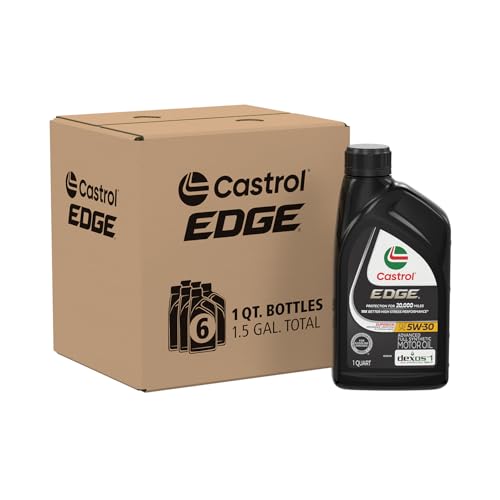
Castrol EDGE 5W-30 Advanced Full Synthetic Motor Oil 1 Quart — $47 See Price →
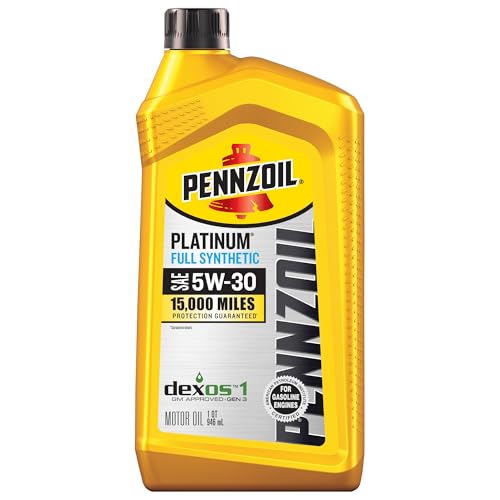
Pennzoil Platinum Full Synthetic 5W-30 Motor Oil 1 Quart — $8 See Price →
Autel AutoLink AL319 OBD2 Scanner CAN Engine Check Code Reader — $159 See Price →
Showing 4 of 4 products
“Best cordless option for those who want serious suction — 15000Pa competes with premium car vacuums.”
See Today’s Price →What we like
- 15000Pa suction (strongest at this price cordless)
- 40-min runtime
- HEPA filter
- easy-empty dust cup
Watch out for
- Larger than other handheld options
- newer brand with less track record


“A straightforward OBD2 code reader for diagnosing check engine lights at home before a shop visit. Reads and clears codes reliably across all 1996+ vehicles — the right tool for the occasional DIY dia”
See Today’s Price →What we like
- Reads and clears codes
- Live data display
- CAN bus compatible
- Plug-and-play
Watch out for
- Engine-only — does not read ABS or transmission codes
- Small monochrome display
- No battery test function
How We Analyze Products
We analyze Amazon review data — often thousands of reviews per product — to surface patterns that individual buyers miss. Our process aggregates star ratings, review counts, and buyer sentiment at scale, identifying which strengths and weaknesses appear consistently across the largest review samples available. The 18,377+ reviews analyzed on this page represent real verified-purchase feedback from Amazon buyers.
Each product earned its placement through data: total review volume, average rating, and the specific praise and complaints that repeat most often across buyers. No manufacturer paid for placement on this page. Products appear here because buyers endorsed them at scale, not because a company asked us to feature them.
We use AI to summarize review sentiment — not to fabricate opinions, but to condense what thousands of buyers actually wrote into a readable format. The pros and cons you see reflect the most common themes found in verified purchaser reviews, paraphrased for clarity. We do not claim to have accessed Reddit, YouTube, or specific publications in generating these summaries.
Prices shown reflect Amazon pricing at the time this page was last generated. Click “See Today’s Price” to get the current live price on Amazon. Read our full methodology →