Car Maintenance Basics for New Drivers 2026
The car maintenance schedule that actually matters: oil change every 5,000-7,500 miles (modern full synthetic), tire rotation every 5,000-7,500 miles, brake inspection annually, coolant flush every 50,000 miles. Everything else is situation-dependent.
At a Glance


Car Maintenance Basics for New Drivers Buying Guide
 Photo by cottonbro studio / Pexels
Dealership service departments generate significant revenue from maintenance upselling — fluid flushes, filter replacements, and inspections performed on intervals shorter than the manufacturer recommends. Understanding the actual maintenance schedule prevents paying for services you don't need while ensuring you don't skip the ones you do. This guide uses manufacturer interval data, not dealer profit motives.
The Real Maintenance Schedule
The maintenance intervals that manufacturers actually specify for modern vehicles: oil change every 5,000-7,500 miles for full synthetic (7,500-10,000 for some newer vehicles — check your owner's manual, not the windshield sticker a shop placed); tire rotation every 5,000-7,500 miles (same as oil); air filter every 15,000-30,000 miles (dealers often recommend 6,000-10,000 — this is upselling); cabin air filter every 15,000-25,000 miles (same issue); brake fluid flush every 45,000-60,000 miles or every 3 years; coolant flush every 50,000 miles or 5 years. Battery: test at 3 years, replace when it fails load testing — not on a calendar schedule.
Oil Change: What Actually Matters
Full synthetic oil outperforms conventional in every performance category and lasts longer — 7,500-10,000 miles vs 3,000-5,000 for conventional. The oil weight (5W-30, 0W-20, 5W-40) is specified in your owner's manual based on engine design and temperature range — this matters significantly. Using 5W-30 in an engine that specifies 0W-20 increases cold-start wear because 5W-30 doesn't flow as easily at low temperatures. Brand matters less than weight and synthetic vs conventional: Castrol EDGE, Mobil 1, Pennzoil Platinum, and Valvoline Full Synthetic are all equivalent quality at comparable prices. Don't let the 3,000-mile oil change myth dictate your schedule — it was accurate for 1970s conventional oil and single-grade engine tolerances.

Warning Lights Decoded
An OBD2 scanner ($80-$160 for a quality Bluetooth unit like Autel) reads the stored fault code behind any check engine light — 80% of check engine lights are emissions sensor faults that don't indicate immediate mechanical failure but require attention within 1,000 miles. A solid check engine light means a stored fault code; a flashing check engine light means active misfiring and requires immediate reduction in load (no highway speed) to prevent catalytic converter damage. Low tire pressure (TPMS) light: check all five tires with a gauge — tires lose approximately 1 PSI per month and 1 PSI per 10°F temperature drop, so winter is when TPMS lights appear even on properly inflated tires.
Tire Maintenance
Tire pressure should be checked monthly — tires lose 1 PSI per month on average plus additional pressure with temperature drops. The correct pressure is on the driver's door jamb sticker, not the maximum PSI molded on the tire sidewall (that's the tire's maximum, not the recommended operating pressure). Wheel alignment (corrects the angle of the wheels to the road) and wheel balancing (corrects weight distribution around the wheel) address different symptoms: alignment issues cause the car to pull sideways or cause uneven tire wear; balance issues cause steering wheel vibration at specific speeds. The penny test for tread depth: insert a penny with Lincoln's head down into the tread groove — if you can see the top of Lincoln's head, you're at 2/32 inch and need replacement.
Battery Maintenance
The average car battery lasts 3-5 years, with hot climates accelerating degradation (heat damages battery plates more than cold). Any AutoZone, O'Reilly, or Advance Auto Parts will perform a free load test — load testing draws current from the battery and measures how well it maintains voltage under load. This is more meaningful than a simple voltage test. Corrosion (white or blue powder on terminals) is a surface issue cleaned with baking soda solution and a wire brush — it doesn't necessarily indicate battery failure, but it increases resistance and reduces cranking performance. Corroded terminals plus a weak load test result = battery replacement time.

What You Can DIY vs What You Can't
Confident DIY for most drivers: engine air filter (clip releases, swap filter, 10 minutes), cabin air filter (behind glove box on most vehicles, 5-10 minutes), windshield wiper blades (squeeze tab, slide off, reverse to install), exterior light bulbs on most vehicles (some modern cars require removing the entire headlight assembly — check first), and basic diagnostics with an OBD2 scanner. Leave to professionals: brake pad replacement (if you're not confident in brake system safety), coolant system flushes (pressurized system, risk of burns), timing belt replacement (labor-intensive, catastrophic if done wrong), and any suspension geometry work (alignment requires a machine). Transmission fluid changes fall in the middle — straightforward mechanically but messy, and wrong fluid specification causes transmission failure.

Our Picks
Autel AutoLink AL319 OBD2 Scanner CAN Engine Check Code Reader — $159 See Price →
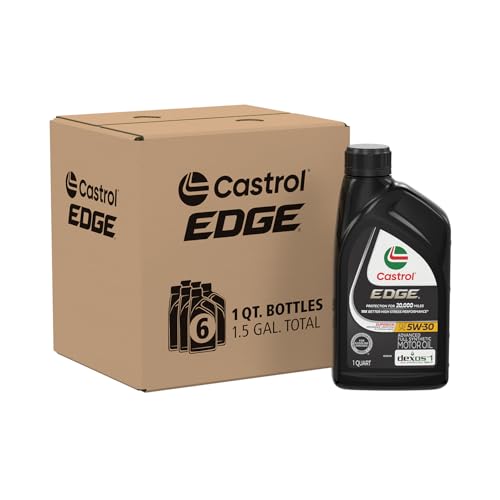
Castrol EDGE 5W-30 Advanced Full Synthetic Motor Oil 1 Quart — $47 See Price →
Mobil 1 Extended Performance Full Synthetic Motor Oil 5W-30 5 Quart — $26 See Price →
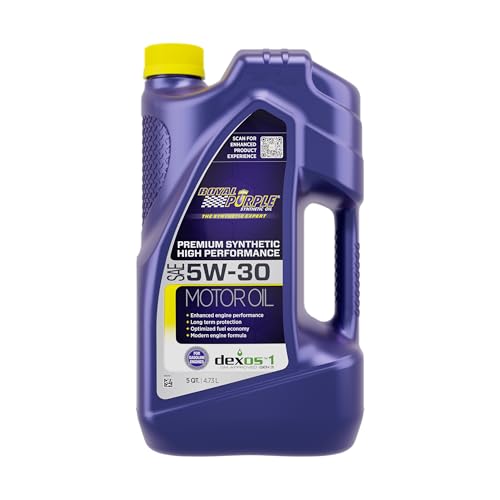
Royal Purple 51530 API-Licensed SAE 5W-30 High Performance Synthetic Motor Oil 5 Quart — $37 See Price →
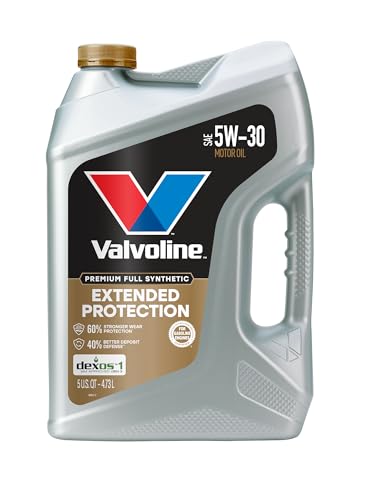
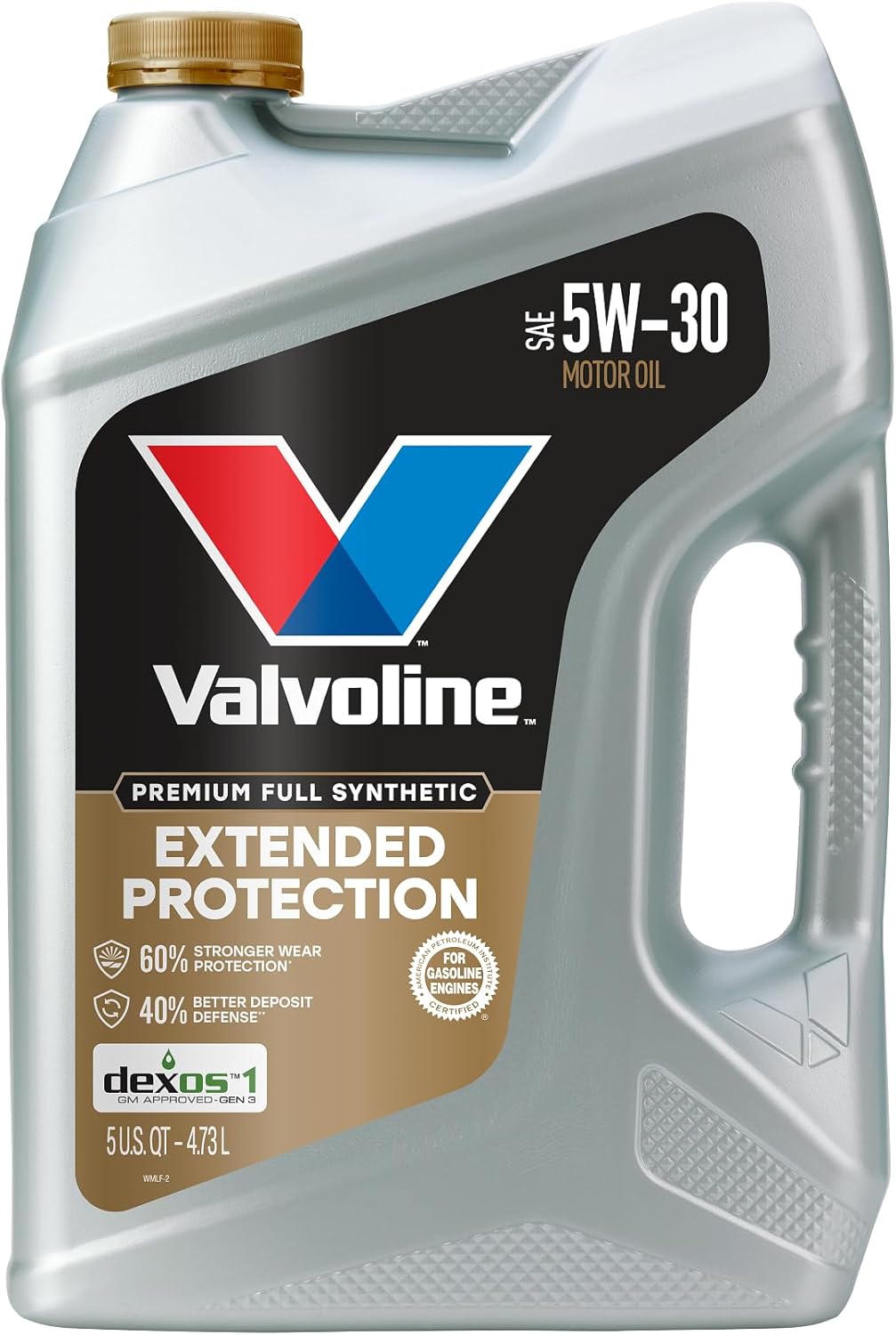
Valvoline Extended Protection Full Synthetic SAE 5W-30 Motor Oil 5 Quart — $25 See Price →
Showing 5 of 5 products
“A straightforward OBD2 code reader for diagnosing check engine lights at home before a shop visit. Reads and clears codes reliably across all 1996+ vehicles — the right tool for the occasional DIY dia”
See Today’s Price →What we like
- Reads and clears codes
- Live data display
- CAN bus compatible
- Plug-and-play
Watch out for
- Engine-only — does not read ABS or transmission codes
- Small monochrome display
- No battery test function

“The best choice for low-maintenance drivers — pair with an oil analysis after first use to confirm your engine tolerates extended intervals before committing.”
See Today’s Price →What we like
- Engineered for 15,000-mile drain intervals
- Maintains viscosity protection through extended use
- Cost savings on fewer oil changes
- API SP and GM dexos1 Gen 2 certified
Watch out for
- Requires confirming your vehicle manual allows extended intervals
- Slight premium over standard Mobil 1 Advanced

How We Analyze Products
We analyze Amazon review data — often thousands of reviews per product — to surface patterns that individual buyers miss. Our process aggregates star ratings, review counts, and buyer sentiment at scale, identifying which strengths and weaknesses appear consistently across the largest review samples available. The 23,875+ reviews analyzed on this page represent real verified-purchase feedback from Amazon buyers.
Each product earned its placement through data: total review volume, average rating, and the specific praise and complaints that repeat most often across buyers. No manufacturer paid for placement on this page. Products appear here because buyers endorsed them at scale, not because a company asked us to feature them.
We use AI to summarize review sentiment — not to fabricate opinions, but to condense what thousands of buyers actually wrote into a readable format. The pros and cons you see reflect the most common themes found in verified purchaser reviews, paraphrased for clarity. We do not claim to have accessed Reddit, YouTube, or specific publications in generating these summaries.
Prices shown reflect Amazon pricing at the time this page was last generated. Click “See Today’s Price” to get the current live price on Amazon. Read our full methodology →