How to Decide If You Need a Dash Cam (And Which One to Buy) in 2026
Minimum viable dash cam: 1080p, loop recording, wide angle (140°+), reliable brand. The Garmin Dash Cam Mini 2 ($80-100) and Vantrue E1 Lite ($70-80) are the trusted budget standards. Step up to 2K for clearer license plates. Add parking mode + hardwire kit if you leave the car in at-risk areas. Dual (front+rear) is worth the upgrade if you get rear-ended frequently or want comprehensive coverage. Install takes 10 minutes on most vehicles.
How to Decide If You Need a Dash Cam (And Which One to Buy) Buying Guide
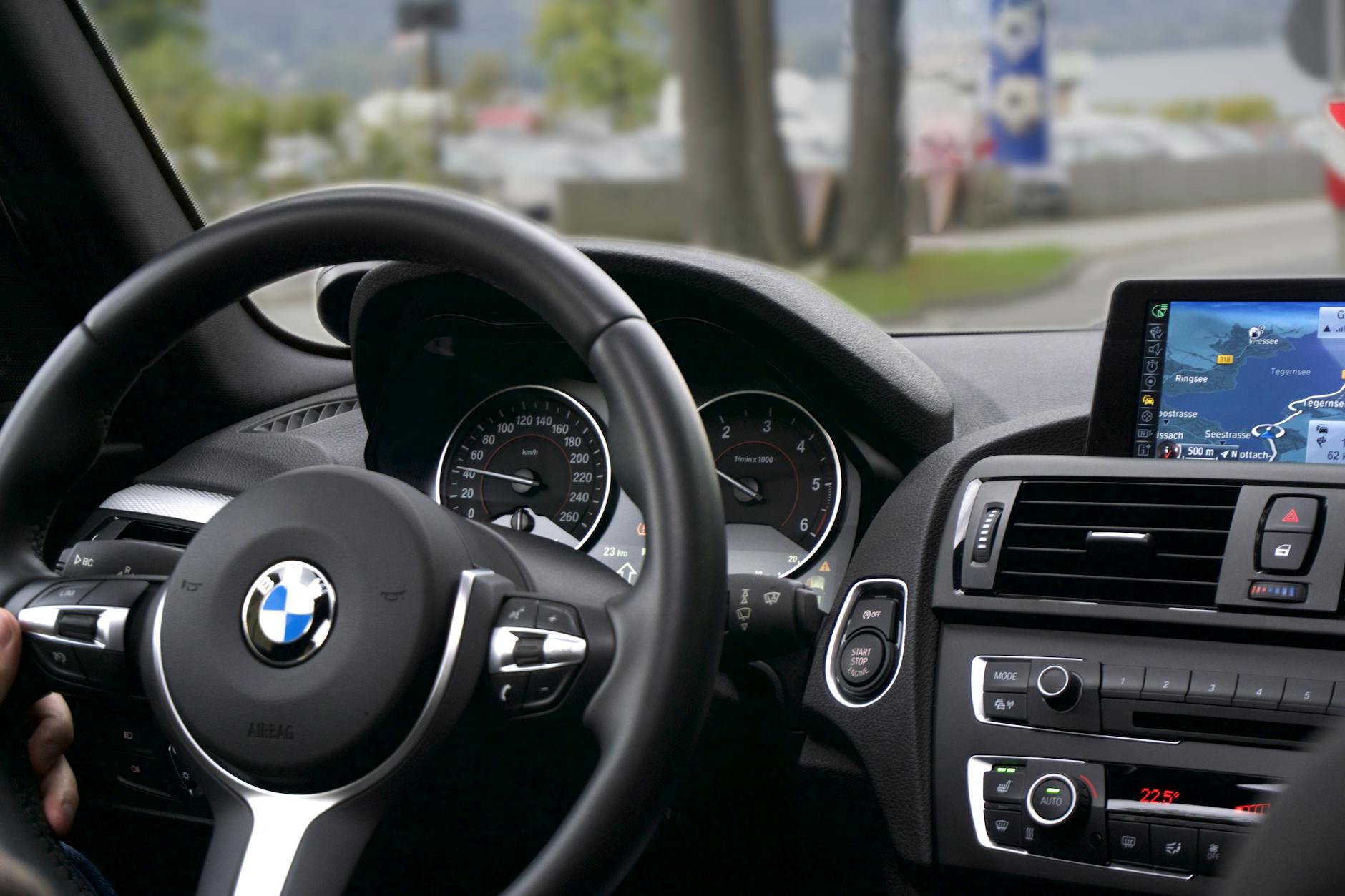 Photo by Ingo Joseph / Pexels
| Best For | ||||
| Resolution | ||||
| Night Vision | ||||
| Parking Mode | ||||
| GPS | ||||
| Price | ||||
| Our Pick |
This guide is for you if:
-
You're a car owner who wants to maintain their vehicle better without becoming a mechanic
-
You're confused by product options and want a clear decision framework
-
You want to understand what actually matters for your use case vs. what's marketing
Skip this guide if:
-
You're an experienced DIY mechanic — this covers beginner-to-intermediate maintenance
-
You just want a product recommendation — see our auto comparison pages
Quick verdict: Minimum viable dash cam: 1080p, loop recording, wide angle (140°+), reliable brand. The Garmin Dash Cam Mini 2 ($80-100) and Vantrue E1 Lite ($70-80) are the trusted budget standards.
## The Case for a Dash Cam: Real Scenarios, Real Consequences
Let's be direct about why this matters.
You have a green light. Another driver runs a red. They hit your passenger side. You have two witnesses — a passenger and one bystander who was looking at their phone. The other driver claims you ran the red light.
Without footage: he-said-she-said. Insurance may split liability or investigate for weeks, potentially affecting your rates. With footage: 30 seconds of review. Case closed. Your fault? No. Them? Yes.
You park your car at a grocery store. You return to find a dent in your door. No note. No witnesses.
Without parking mode footage: You're paying for the repair or filing an insurance claim that affects your rate. With footage: you have the license plate of the car that hit you and the timestamp.
Another driver follows you, brake-checks you, or makes threats. You have no proof of the incident for a police report.
With dash cam: you have video evidence of the license plate and behavior that can support a police report or restraining order.
Insurance fraud staged accidents (brake-check + brake → claim victim caused it) cost the insurance industry billions annually and directly affect premium rates for everyone. Dash cam footage exposing staged accidents protects you from fraudulent claims.
Progressive Insurance, Liberty Mutual, and several other major insurers offer discounts for vehicles with dash cams registered to the policy. Even at 5% discount, a dash cam pays for itself in under 24 months on a $200/month policy.
---## Features That Actually Matter
1080p (1920×1080): The functional minimum. License plates are readable at reasonable distances in good light. This is the entry standard. 2K / 1440p (2560×1440): A meaningful upgrade. License plates are readable at farther distances and in worse lighting. This is the sweet spot for most buyers — the upgrade from 1080p to 2K makes a visible difference in footage usefulness. 4K (3840×2160): High file size, high-quality detail. Useful for clearly capturing plates and details in distance shots. Requires faster SD cards (A2 rating) and generates significantly larger files. Worth it if you drive at high speeds (highway driving where incidents happen at distance) or want maximum detail. What resolution affects most: License plate legibility at distance and in low light. For accident evidence, plate readability is the critical factor. 2K is worth the additional cost for this reason.
Loop recording automatically overwrites the oldest footage when the SD card is full. Without this, the SD card fills up and recording stops. With loop recording, the camera records continuously, always keeping the most recent footage.
All quality dash cams include loop recording. Verify it's listed in features on any camera you're considering.
SD card management: Loop recording still requires a quality SD card rated for continuous writing (look for "endurance" SD cards — Samsung PRO Endurance, SanDisk High Endurance). Standard consumer SD cards degrade faster under continuous write cycles.
Parking mode activates the camera when the vehicle is stationary, triggered by motion detection or impact detection (G-sensor).
Why it matters: Hit-and-runs in parking lots happen more often than accidents while driving. Parking mode captures the vehicle that hit you.
The power problem: Standard dash cams draw power from the 12V (cigarette lighter) port. When you turn off the car, the 12V port loses power. Parking mode requires one of: 1. Hardwire kit: A separate cable that connects to your car's fuse box, providing constant low power. Recommended for parking mode. 2. Capacitor or internal battery: Some dash cams have a small internal battery specifically for parking mode. 3. Parking mode battery packs: External battery packs ($50-100) designed for dash cam parking mode use.
Hardwire installation is straightforward (10-20 minutes with a fuse tap) or can be done professionally for $50-80.
GPS: Worthwhile for Incident Documentation
GPS-equipped dash cams record speed and location data alongside video footage. This is valuable for:
-
Proving you were within the speed limit at time of incident
-
Showing your location in relation to the other vehicle
-
Creating a complete record for insurance or police
The Garmin Dash Cam series and higher-end Rexing models include GPS. Budget cameras often omit it.
An accelerometer that triggers an "emergency save" when detecting sudden deceleration or impact — locking the footage from that moment so loop recording doesn't overwrite it. Standard on all quality dash cams. Any camera without G-sensor is missing a critical feature.
What matters: Sensor size and lens aperture (f/1.6 or wider is better). Marketing terms like "night vision" describe regular low-light performance, not the infrared night vision of security cameras. Low-light performance directly affects whether you can read a license plate at night after an incident. This is an area where spending more buys meaningfully better footage — compare night test footage from YouTube reviews (Techmoan and Vortex Radar have thorough dash cam reviews) before purchasing.
At a Glance


Showing 4 of 4 products
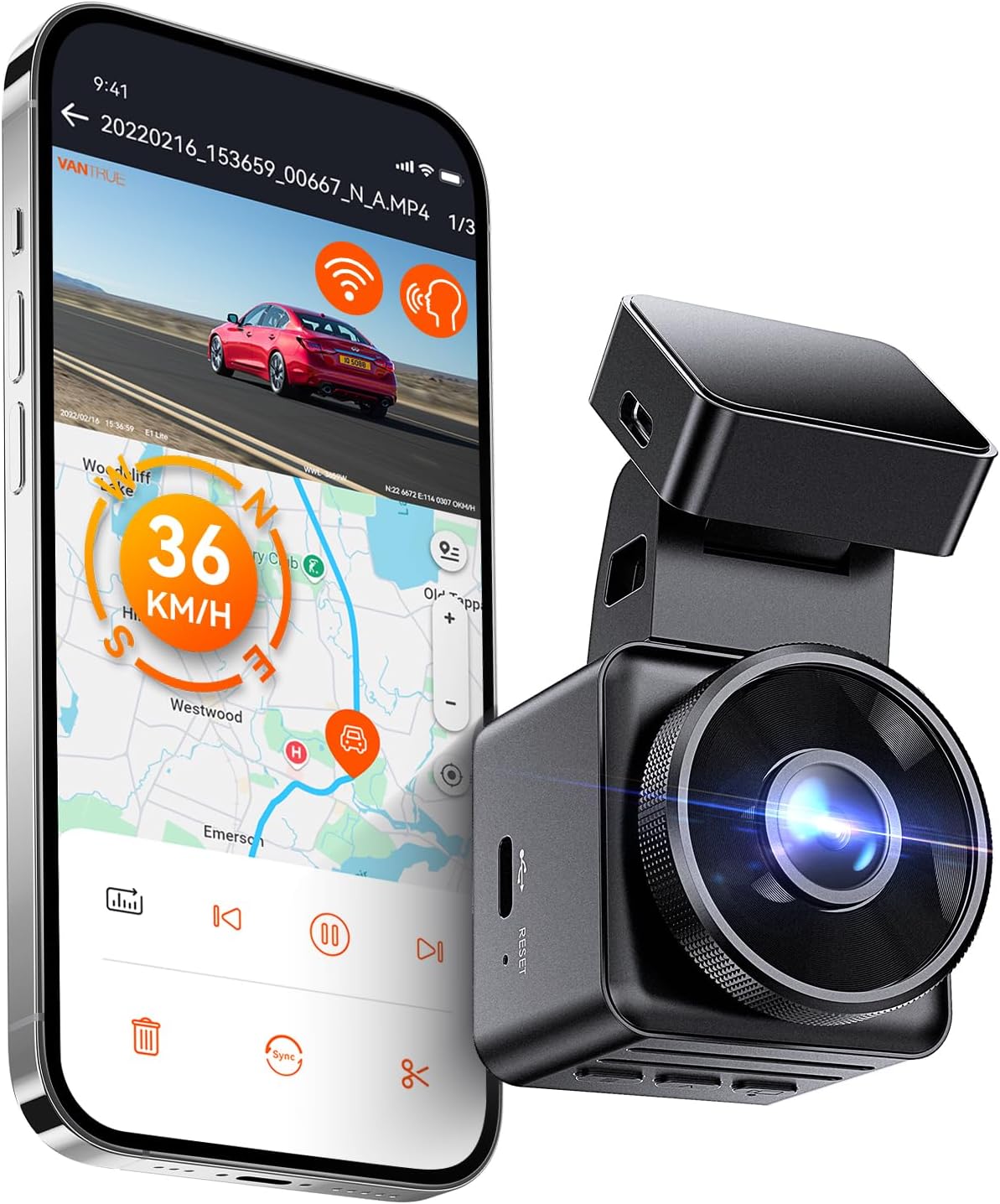
Vantrue E1 Lite 1080P Dash Cam
“The Vantrue E1 Lite stands out in its price range with 60fps recording, built-in GPS, and hands-free voice control. It's a well-rounded mid-range pick that handles daily driving and parking surveillan”
See Today’s Price →What we like
- 60fps recording for smoother, more detailed footage
- GPS and speed logging built in
- Voice control for hands-free operation
- 24-hour parking mode protection
Watch out for
- 1080p cap—no 4K option
- Requires separate purchase for hardwire parking kit
Read Full Analysis
The Vantrue E1 Lite 1080P at $71.99 is the practical budget pick for drivers who want a screen on their dash cam without paying full price for a premium unit. The built-in display lets you review footage immediately after an incident by pulling over and rewinding — no phone, no app, no waiting until you get home. For drivers who aren't confident with smartphone apps or cloud services, that self-contained workflow has real value. At $28 less than the Garmin Mini 2 at rank 1 ($99.99), the Vantrue trades Garmin's brand reputation and screenless simplicity for added functionality at a lower price. Neither is obviously better — the choice depends on whether you want maximum simplicity (Garmin) or in-dash playback capability (Vantrue). The Vantrue also includes a wider 140-degree field of view, which captures more of the road peripherally. Against the Rexing V1 Gen 3 4K at rank 3 ($139.99), the Vantrue saves $68 and gives up 4K resolution and GPS logging. The 4K footage difference matters most for reading license plates at distance — for general incident documentation, 1080P is legally sufficient in most jurisdictions. The Rexing V1 Basic at rank 4 ($49.99) is $22 cheaper but a more basic build. The Nexar Beam at rank 5 ($99.99) costs $28 more than the Vantrue and adds GPS and cloud backup — meaningful features for some drivers. The E1 Lite sits in a reasonable middle position for cost-conscious buyers who still want a capable, functional unit.

Rexing V1 Gen 3 4K Dash Cam
“The Rexing V1 Gen 3 punches above its price with genuine 4K recording, reliable supercapacitor power, and smooth Wi-Fi app connectivity. It's our top pick for drivers who want the clearest single-lens”
See Today’s Price →What we like
- 4K Ultra HD resolution captures clear license plates
- Built-in Wi-Fi for easy clip downloads to phone
- Supercapacitor replaces battery for reliability in extreme temps
- Compact form factor fits behind rearview mirror
Watch out for
- No GPS built in (requires separate module)
- 4K file sizes fill SD cards faster
Read Full Analysis
The Rexing V1 Gen 3 4K at $139.99 is the resolution-focused option on this page, and the case for spending more here is specific: 4K footage captures license plates at distance significantly better than 1080P. If your primary concern is documenting a hit-and-run or a near-miss where the other driver flees, 4K gives you a better chance of reading plate numbers from footage. For fender-benders at low speed where both parties stop, 1080P is sufficient. At $40 more than the Garmin Mini 2 at rank 1 ($99.99) and $68 more than the Vantrue E1 Lite at rank 2 ($71.99), the Rexing Gen 3 earns its premium through resolution and GPS speed logging. The GPS overlay records your speed alongside the video — useful in disputed-fault situations where speed is a factor. These aren't hypothetical features; they matter in exactly the kind of incidents that make dash cams valuable in the first place. The honest caution: 4K dash cam footage consumes storage quickly. You'll need a 64GB or 128GB microSD card (sold separately) to store meaningful loop recording. The Rexing V1 Basic at rank 4 ($49.99) is a third of the price with 1080P — if storage cost and simplicity matter, the Basic is a defensible choice. The Nexar Beam at rank 5 ($99.99) offers GPS and cloud backup at a lower price than the V1 Gen 3, though cloud features require a subscription. For buyers who want the best evidence-capturing footage without subscription fees, this Rexing is the right call.

Rexing V1 Basic 1080p Dash Cam
“The best budget dash cam under $50 — Rexing frequently runs sales with up to 60% off on their site. At regular price it is already the value pick, and on sale it is unbeatable for basic 1080p recordin”
See Today’s Price →What we like
- 1080p FHD at entry price
- 170° wide-angle lens
- G-sensor emergency recording
- Loop recording with auto-overwrite
Watch out for
- No WiFi or GPS
- No rear camera
- 2.4" screen is small
Read Full Analysis
The Rexing V1 Basic 1080P at $49.99 is the lowest-cost entry point on this page that still delivers functional dash cam coverage. At half the price of the Garmin Mini 2 at rank 1 ($99.99) and $22 less than the Vantrue E1 Lite at rank 2 ($71.99), it answers the "do I need a dash cam" question for budget-constrained drivers: yes, and here's how to get one without breaking the bank. The footage quality at 1080P is legally usable for insurance claims and is sufficient for most incident documentation. The V1 Basic lacks GPS speed logging, a screen, and the build quality refinement of higher-ranked options — but for a secondary vehicle, a teen driver's first car, or someone who simply wants basic protection without overthinking it, $49.99 removes all excuses not to have one. The comparison to the Nexar Beam at rank 5 ($99.99) illustrates the trade-offs clearly: the Nexar costs exactly twice as much and adds GPS, cloud backup, and a companion app with incident alerts. If you want smart features and don't mind a subscription for cloud storage, the Nexar is worth the premium. If you want a reliable local recorder with no ongoing costs and no apps, the Rexing Basic is the honest choice. Against the Rexing V1 Gen 3 4K at rank 3 ($139.99), this is $90 less for 1080P versus 4K — a significant savings if you won't need to read license plates from moving footage.

Nexar Beam GPS Dash Cam 1080p 32GB SD Card Unlimited Cloud Storage
“Best pick for solo commuters and rideshare drivers wanting a budget front-only dash cam with cloud backup — but factor in the subscription cost before buying.”
See Today’s Price →What we like
Watch out for
Read Full Analysis
The Nexar Beam GPS 1080P at $99.99 is the connected dash cam on this page — built around cloud backup and GPS features rather than just local loop recording. It matches the Garmin Mini 2 at rank 1 on price ($99.99) but takes a fundamentally different approach: the Nexar requires a smartphone app and offers cloud storage of incident clips, live GPS trip logging, and automatic incident detection that saves footage before it gets overwritten in the loop. For fleet managers, parents monitoring teen drivers, or anyone who travels frequently and wants remote access to footage, these connected features have real utility. The app ecosystem also means software updates can improve the product after purchase — a feature traditional non-connected dash cams lack. The honest trade-off: cloud features typically come with a subscription for meaningful storage. The free tier may be limited to recent clips or low-resolution backups — verify current pricing before purchase. If you're not interested in app connectivity or cloud backup, you're paying $99.99 for a 1080P camera that could be replaced by the Rexing V1 Basic at rank 4 ($49.99) for basic recording needs. Against the Garmin Mini 2 at rank 1, the choice is Garmin's hardware reliability and simplicity versus Nexar's software ecosystem. Neither is wrong — they serve different users. Rideshare drivers and frequent road trippers get the most from the Nexar's connected features; commuters who want a "set and forget" unit are better served by the Garmin.
Frequently Asked Questions
Do I really need a dash cam?
What resolution do I need in a dash cam?
How do I install a dash cam?
What is parking mode and do I need it?
What SD card should I use in a dash cam?
Are dash cams legal?
Should I get a front-only or front-and-rear dash cam?
Will my dash cam drain my car battery?
How We Analyze Products
We analyze Amazon review data — often thousands of reviews per product — to surface patterns that individual buyers miss. Our process aggregates star ratings, review counts, and buyer sentiment at scale, identifying which strengths and weaknesses appear consistently across the largest review samples available. The 10,464+ reviews analyzed on this page represent real verified-purchase feedback from Amazon buyers.
Each product earned its placement through data: total review volume, average rating, and the specific praise and complaints that repeat most often across buyers. No manufacturer paid for placement on this page. Products appear here because buyers endorsed them at scale, not because a company asked us to feature them.
We use AI to summarize review sentiment — not to fabricate opinions, but to condense what thousands of buyers actually wrote into a readable format. The pros and cons you see reflect the most common themes found in verified purchaser reviews, paraphrased for clarity. We do not claim to have accessed Reddit, YouTube, or specific publications in generating these summaries.
Prices shown reflect Amazon pricing at the time this page was last generated. Click “See Today’s Price” to get the current live price on Amazon. Read our full methodology →