Best Baby Bottles for Breastfeeding Moms 2026

The Lansinoh Anti-Colic Baby Bottles 3-Pack ($16.32) are the best baby bottles for breastfeeding moms. The NaturalWave nipple mimics the natural movement of breastfeeding to reduce nipple confusion, the anti-colic vent system reduces gas and fussiness, and BPA-free construction ensures safety.
See Today’s Price →At a Glance
Showing 3 of 3 products
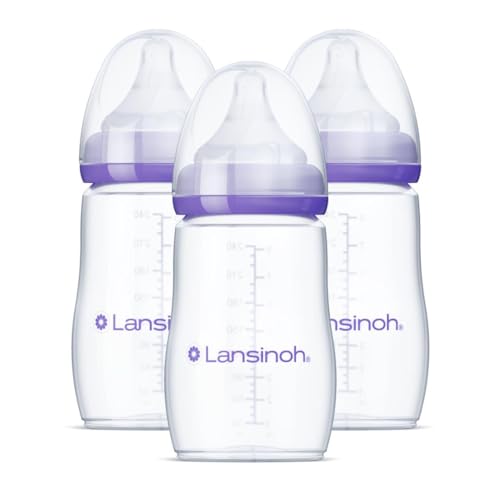
Lansinoh Anti-Colic Baby Bottles BPA-Free 8 oz Medium Flow Nipples 3-Count
“Lansinoh anti-colic bottles are designed to work seamlessly with Lansinoh breast pumps — the angled neck and venting system genuinely reduce gas in sensitive babies.”
See Today’s Price →What we like
Watch out for
Read Full Analysis
The Lansinoh Anti-Colic Baby Bottles earn the top spot for breastfeeding families. The NaturalWave nipple is the key differentiator: it flexes and compresses under suction just like breast tissue, requiring the same latch mechanics as nursing. Babies must actively draw milk rather than passively receiving it — preserving the muscle memory of breastfeeding. The internal venting system draws air through a bottom vent rather than through the milk, nearly eliminating the air ingestion that causes colic. BPA-free polypropylene construction. Includes medium-flow nipples; slow-flow sold separately for newborns. $16 for three 8oz bottles.

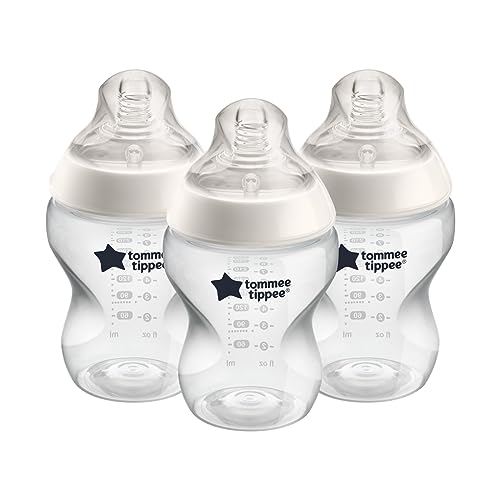
Tommee Tippee Closer to Nature Baby Bottles 9oz 3-Count
“Tommee Tippee Closer to Nature bottles mimic breastfeeding geometry better than most alternatives — the flexible nipple reduces nipple confusion for breastfed babies.”
See Today’s Price →What we like
Watch out for
Read Full Analysis
The Tommee Tippee Closer to Nature bottle is built around a breast-shaped nipple with a wide base that requires a broad latch — the same mouth position as breastfeeding. The soft silicone material flexes naturally under suction. The easi-vent valve system reduces colic by channeling air away from the milk flow. The wide-neck bottle design makes cleaning easy by hand or in the dishwasher. At $9.49 for three 9oz bottles, these are the most affordable option on the list and use a nipple design endorsed by breastfeeding consultants worldwide. An excellent starting bottle for families beginning the breast-to-bottle transition.

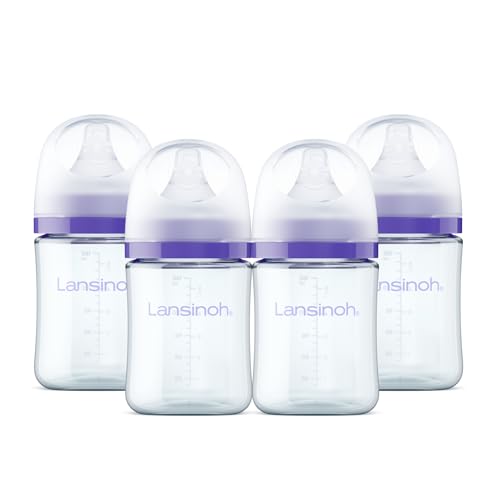
Lansinoh Anti-Colic Glass Baby Bottles 5 oz Slow Flow Nipples 4-Count
“Lansinoh glass bottles are the cleanest feeding option for parents who want to avoid plastic entirely — slow flow nipples make them ideal for breastfed babies.”
See Today’s Price →What we like
Watch out for
Read Full Analysis
The Lansinoh Anti-Colic Glass Bottles deliver the same NaturalWave nipple and internal venting system in a borosilicate glass body. Glass is easier to sterilize (no odor or residue absorption), more durable over years of use, and visually transparent so you can see milk flow and volume precisely. The 5oz size with slow-flow nipples included makes this the best choice for newborns and for parents who prefer glass for home feeding while keeping plastic bottles for travel. At $49 for four bottles it is the most expensive option here but the durability and sterilization advantages justify the premium for families prioritizing glass construction.
Baby Bottles for Breastfeeding Moms Buying Guide
 Photo by Sarah Chai / Pexels
Quick Verdict: Our top pick is the Lansinoh Anti-Colic Baby Bottles BPA-Free 8 oz Medium Flow Nipples 3-Count (Best Overall) — Lansinoh anti-colic plastic bottles with NaturalWave nipple — the breastfeeding standard.. Priced at $16.32.
Great for: Bottle-feeding families, parents supplementing breastfeeding, and anyone transitioning to a cup from nursing
Not ideal if: You exclusively breastfeed with no plans to introduce a bottle — a bottle may cause nipple confusion if introduced too early
Related Guides:
- What Baby Gear Do You Actually Need? — cut through the noise on must-haves vs. skippable items
- Complete New Baby Checklist — prioritized shopping list from newborn through month six
What to Look For
*Anti-colic venting:* Venting systems range from simple bottom vents to complex internal systems (Philips Avent Natural, Dr. Brown's). Anti-colic designs reduce the air swallowed during feeding, which can significantly reduce gas and fussiness in susceptible babies. *Nipple flow rate:* Newborns (0–3 months) need slow-flow nipples; medium-flow suits 3–6 months; fast-flow for 6+ months. Using too-fast flow on a newborn can cause overfeeding and choking. *Material:* BPA-free plastic is the most practical for daily use. Glass bottles are BPA-free by nature and don't retain odors but are heavier and breakable. Silicone bottles are soft and squeezable but harder to fill cleanly. *Ease of cleaning:* Fewer parts = faster cleaning. Some anti-colic systems have 5–6 components per bottle. Assess how much time you want to spend on washing.Common Mistakes to Avoid

Safety Standards
All bottles sold in the US must be BPA-free (banned by the FDA in 2012). Look for bottles that are also free of BPS, BPF, phthalates, and PVC — these are not federally regulated but better brands voluntarily exclude them.Price Context

- Baby Feeding Guide — breast pump vs bottles vs formula — how to choose
Watch Before You Buy
Frequently Asked Questions
When should I introduce a bottle to a breastfed baby?
What is nipple confusion?
How do I introduce a bottle without causing nipple confusion?
Can I use these bottles with pumped breast milk?
How do I sterilize baby bottles?
How We Analyze Products
We analyze Amazon review data — often thousands of reviews per product — to surface patterns that individual buyers miss. Our process aggregates star ratings, review counts, and buyer sentiment at scale, identifying which strengths and weaknesses appear consistently across the largest review samples available.
Each product earned its placement through data: total review volume, average rating, and the specific praise and complaints that repeat most often across buyers. No manufacturer paid for placement on this page. Products appear here because buyers endorsed them at scale, not because a company asked us to feature them.
We use AI to summarize review sentiment — not to fabricate opinions, but to condense what thousands of buyers actually wrote into a readable format. The pros and cons you see reflect the most common themes found in verified purchaser reviews, paraphrased for clarity. We do not claim to have accessed Reddit, YouTube, or specific publications in generating these summaries.
Prices shown reflect Amazon pricing at the time this page was last generated. Click “See Today’s Price” to get the current live price on Amazon. Read our full methodology →