Best Baby First Aid Kits Under $75 (2026)

The KeepGoing Small Travel First Aid Kit 60-Piece is our top pick for most families — it packs 60 essential items into a portable case sized for diaper bags, making it the most useful everyday kit for parents on the go.
See Today’s Price →At a Glance
| # | Product | Award | Price |
|---|---|---|---|
| 1 | KeepGoing Travel First Aid Kit Ki… KEEP>GOING |
Best Overall | $21.24 as of Nov 22, 4:38 PM CT details Buy → |
| 2 |  KeepGoing Daniel Tiger's Travel F… KEEP>GOING |
Best Fun Design | $41.95 as of Nov 22, 4:44 PM CT details Buy → |
| 3 |  KeepGoing Large Home First Aid Ki… KEEP>GOING |
Best Home Kit | $63.74 as of Nov 22, 4:39 PM CT details Buy → |
Baby First Aid Kits Under $75 (2026) Buying Guide
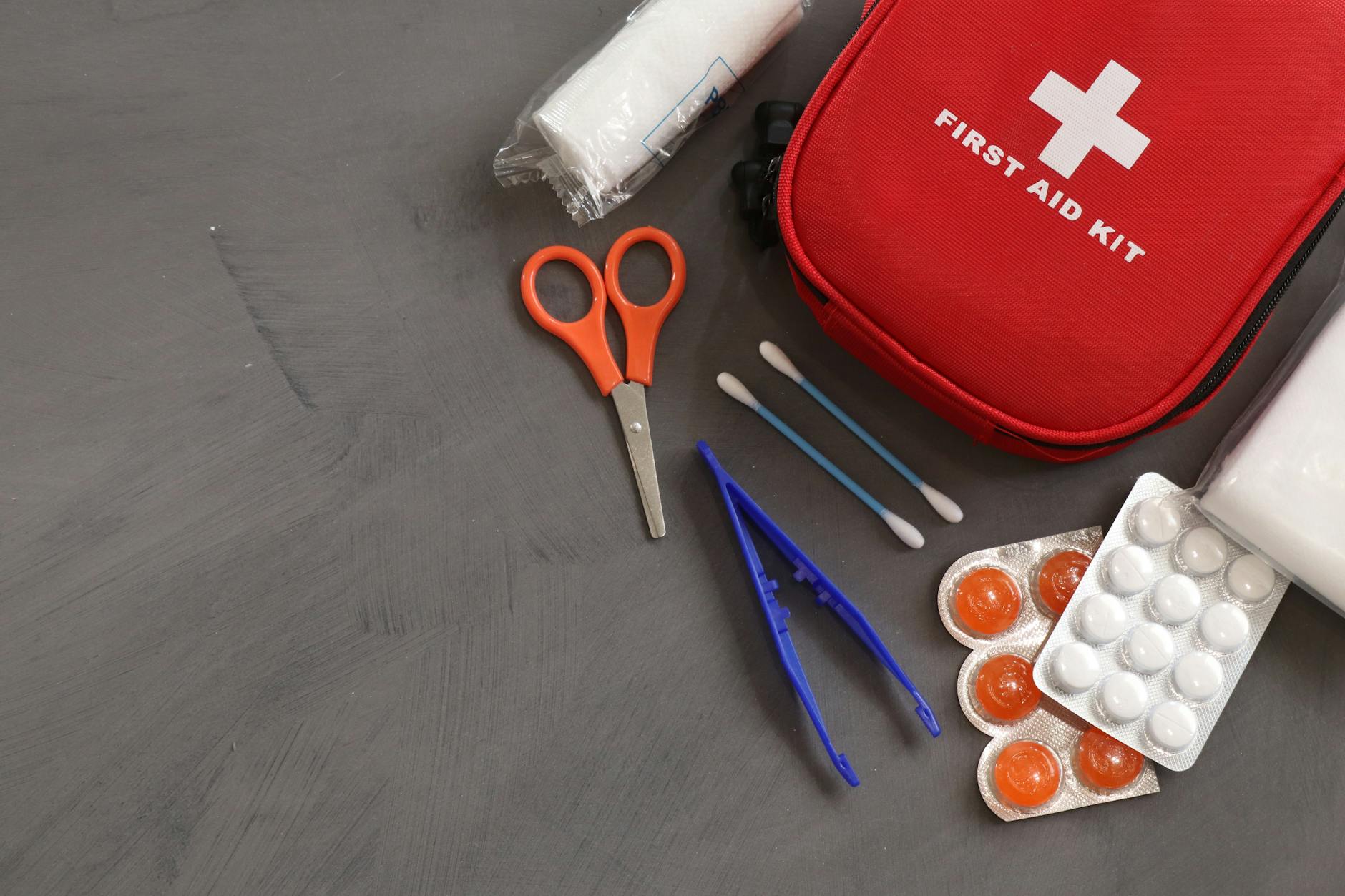 Photo by Roger Brown / Pexels
Great for: Every household — a stocked first aid kit handles cuts, burns, and sprains before they require a doctor visit
Not ideal if: You have a comprehensive kit already — review expiration dates before buying new; expired supplies are the real issue
< When selecting a baby first aid kit, consider both piece count and contents quality. A kit with 60 high-quality pieces is more useful than one with 200 items of poor quality. Essential categories are: wound care (bandages, gauze, antiseptic), temperature management (thermometer, fever strips), breathing and nasal care (bulb syringe, nasal aspirator), and medication tools (dropper, measuring spoon). For travel, a compact zip case under 1 pound is ideal. For home use, a larger kit with a rigid case and compartmentalized storage is more practical. Always check expiration dates when purchasing and replace expired items annually — medications especially lose efficacy over time.Related Guides:
- What Baby Gear Do You Actually Need? — cut through the noise on must-haves vs. skippable items
- Complete New Baby Checklist — prioritized shopping list from newborn through month six
- Baby Sleep Guide: Safe Sleep & Products That Help — AAP safe sleep rules plus white noise and monitor recommendations
What to Look For
*Safety certifications first:* Every baby product purchase should start with a CPSC recall check (cpsc.gov/recalls) and a look for JPMA or ASTM certification. A $200 crib that fails safety standards is worse than a $100 crib that passes them. *Longevity of use:* "Grows with baby" products (convertible cribs, adjustable high chairs, multi-stage carriers) have higher upfront costs but lower total cost of ownership than stage-specific products you'll use for 3–6 months. *Ease of cleaning:* Every baby product will eventually be covered in spit-up, food, or worse. Machine-washable fabrics, wipe-clean surfaces, and removable covers are practical necessities, not luxury features. *Simplicity:* The best baby gear is often the simplest. Products with complex assembly, proprietary parts, or intricate folding mechanisms frequently spend more time broken or in closets than in use.Common Mistakes to Avoid
Safety Standards
The CPSC (Consumer Product Safety Commission) sets mandatory safety standards for most baby gear. JPMA (Juvenile Products Manufacturers Association) certification is voluntary but indicates third-party testing beyond the federal minimum. ASTM International sets voluntary product-specific standards for items like strollers (F833), swings (F2088), and walkers (F977).Price Context
Budget nursery gear covers essential function without premium materials. Mid-range (the category sweet spot) offers better durability, more safety certifications, and features that make daily use easier. Premium gear targets design-conscious buyers and early adopters; safety does not improve proportionally with price above the mid-rangeWatch Before You Buy


Showing 3 of 3 products
“60-piece kit in a portable case that fits any diaper bag; covers all essential wound care, fever, and nasal categories.”
See Today’s Price →What we like
- 60-piece kit
- Kid-friendly
- Compact size
- Travel-ready
Watch out for
- 60-piece small — may miss items needed in actual emergencies
- Budget quality components
- Generic brand feel
Read Full Analysis
The KeepGoing Small Travel First Aid Kit is the compact entry point in this all-KeepGoing lineup — 60 kid-friendly pieces covering wound care, fever basics, and nasal care in a case that slides into any diaper bag. It's $17 less than the Daniel Tiger kit and $50 less than the Large Home kit. The coverage trade-off is real: a 60-piece travel kit skips items you'd want in a household emergency — it's a diaper-bag companion, not a medicine cabinet replacement. If your child responds better to a licensed character during first aid, the Daniel Tiger version adds that reassurance. For home or car preparedness, the KeepGoing Large kit is the more complete solution.
“Daniel Tiger theme makes this kit appealing for toddlers; 130-piece comprehensive coverage in a colorful carry case.”
See Today’s Price →What we like
- 130-piece comprehensive kit with kid-friendly Daniel Tiger branding
- Latex-free bandages in fun designs
- Organized case
- Suitable for ages 1 and up
Watch out for
- Daniel Tiger branding is a cost premium
- 130-piece large for a travel kit
- Some items duplicated across KeepGoing kits
Read Full Analysis
The KeepGoing Daniel Tiger Travel First Aid Kit at $41.95 justifies its $17 premium over the Small kit in two ways: 130 pieces versus 60, and kid-friendly Daniel Tiger bandages that can turn a scraped knee into less of a drama. For toddlers who resist first aid, recognizable characters on the bandages genuinely help. The 130-piece count runs large for a travel label — this kit sits between a diaper-bag kit and a home kit in terms of bulk. The KeepGoing Large Home Kit more than doubles the pieces. Choose the Daniel Tiger version if your child is in the 2-5 age range and character branding has real behavioral value at first aid time.
“270-piece latex-free kit with compartmentalized storage; the most comprehensive home first aid kit under $75.”
See Today’s Price →What we like
- 270-piece kit
- Latex-free
- Organized case
- Home and travel ready
Watch out for
- 270-piece large for most families
- High price for a first aid kit
- Requires organizing to keep accessible
Read Full Analysis
The KeepGoing Large Home First Aid Kit is the most comprehensive option on this page — 270 latex-free pieces in a compartmentalized case covering wound care, fever, respiratory, and cold categories that the smaller kits miss. It is the ceiling of this under-$75 page and $33 more than the Daniel Tiger kit. The piece count is genuinely large: a family of four would take years to exhaust 270 items, and some categories need restocking before others. For families with children in sports or daycare, the depth earns its price. For a single child at home, the Daniel Tiger kit covers the essentials without the excess.
Frequently Asked Questions
What should a baby first aid kit always include?
Should I have both a home kit and a travel kit?
How often should I restock a baby first aid kit?
What should a baby first aid kit include?
What medications are safe to include in a baby first aid kit?
How We Chose These Products
We compare each product’s Amazon listing, the manufacturer’s published specifications and Amazon customer ratings, shown with their review counts as Amazon’s data, and rank the products on how well they answer this page’s question. We do not test products in hand and we do not run our own analysis of review text. A publication or expert is named only where we cite its published findings about that product. No manufacturer paid for placement on this page.
A price appears only when Amazon’s API supplied it at a recent daily refresh, with the date and time beside it, and is withdrawn at 4 AM Central on the day after it turns 24 hours old; otherwise use “Check price on Amazon” for the live price. Read our full methodology →