Best Baby Lotions and Healing Ointments 2026
Use Mustela Hydra Bebe for daily full-body moisturizing after bath time — it absorbs quickly and is safe for use from birth. Use Aquaphor Baby Healing Ointment for targeted treatment of diaper rash, chapped cheeks, minor cuts, and dry skin patches — it creates a protective barrier that heals and prevents. Many parents keep both: Mustela for daily care, Aquaphor for problem areas.
Baby Lotions and Healing Ointments Buying Guide
 Photo by Cup of Couple / Pexels
## How to Choose Baby Lotion and Healing Ointment
Baby skin is fundamentally different from adult skin — it's 20-30% thinner, loses moisture three times faster, and has an immature skin barrier that's more permeable to both moisture loss and irritant absorption. The right skin care routine protects that barrier while keeping skin soft and healthy.
Lotion vs. Ointment: Understanding the Difference

These are not interchangeable products — they serve different purposes.
Baby lotion is a water-oil emulsion designed for daily moisturizing. It spreads easily, absorbs relatively quickly, and feels comfortable for head-to-toe daily application after baths. Lotions are appropriate for all body areas on healthy skin.
Healing ointment is a thick, petroleum-based or wax-based barrier product designed to seal moisture in and irritants out. It doesn't "absorb" — it forms a physical barrier on the skin surface. Ointments are used for targeted treatment of diaper rash, eczema flares, dry patches, chapped skin, and minor wounds. They're too occlusive for all-over daily use but are highly effective where you need concentrated protection.
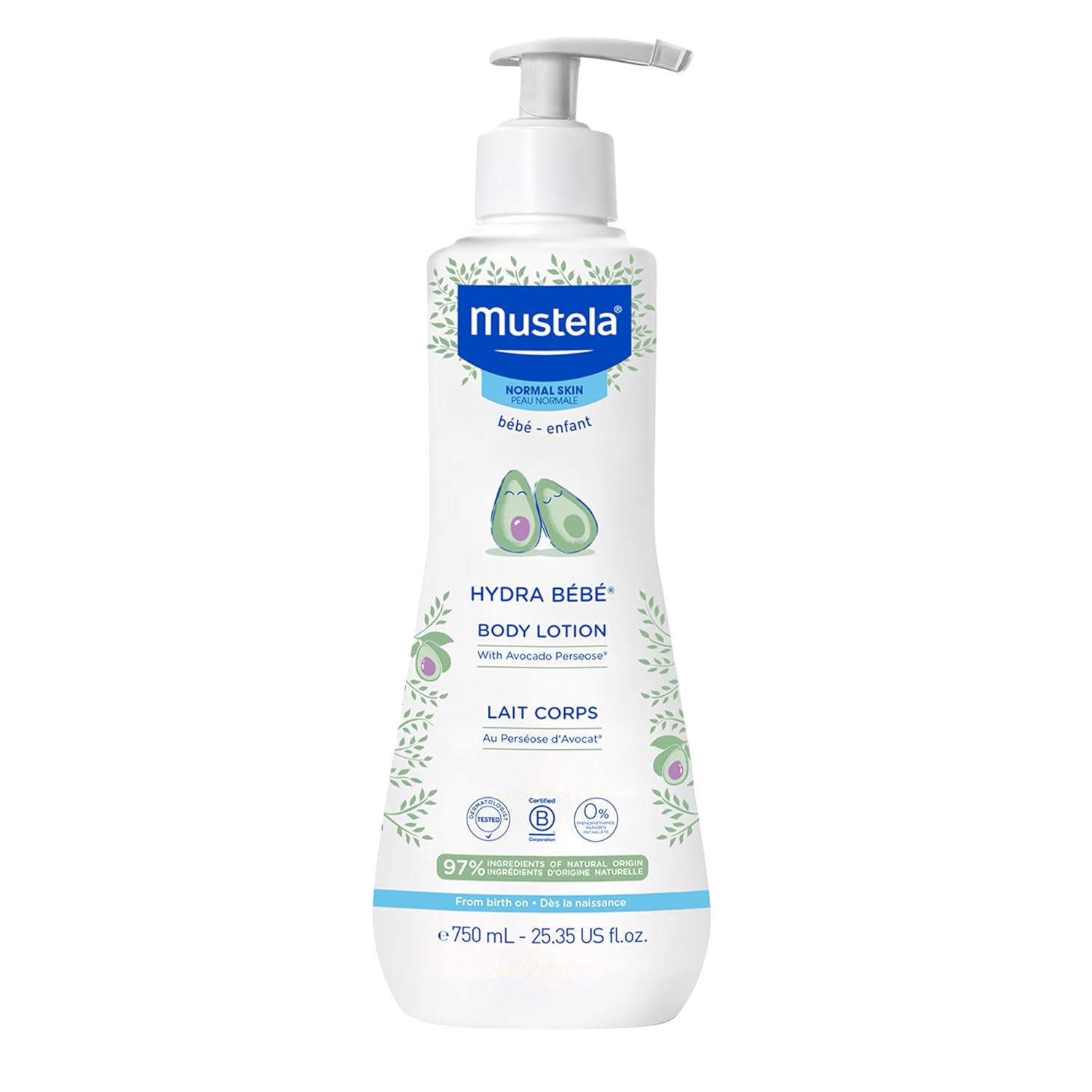
Mustela Hydra Bebe: Best Daily Baby Lotion
Mustela is one of the most recommended brands by pediatric dermatologists for sensitive and newborn skin. The key ingredient is Mustela's proprietary avocado perseose extract, which specifically protects epidermal stem cells — the cells responsible for maintaining the skin barrier over time. The formula is fragrance-free (important: fragrance is the most common irritant in baby skin products), hypoallergenic, and paraben-free. It's suitable from birth. The texture is lighter than most baby lotions, which makes it practical for full-body daily application — it doesn't leave a heavy residue or require extensive massage to absorb. The 10 oz bottle at $19.50 is the right size for daily use; the 25 oz bottle at $34 is more economical per ounce for families going through lotion quickly.
Aquaphor Baby Healing Ointment: The Pediatrician Standard

Aquaphor is the default recommendation from most pediatricians for diaper area protection and treatment of dry, irritated, or wounded skin. The active ingredient is petrolatum (41%), which creates an occlusive barrier that prevents trans-epidermal water loss while allowing the skin underneath to heal. The formula also contains mineral oil, ceresin, lanolin alcohol, and panthenol — ingredients that soften and condition while the barrier protects. The 14 oz jar at $17.99 is the standard size — jars are preferable to tubes for diaper changes (faster access) while tubes are easier for travel and targeted application to small areas like chapped cheeks or hands. Many parents keep a jar at the changing table and a tube in the diaper bag.

The most important ingredient to avoid in any baby skin product is fragrance — both synthetic and natural/botanical fragrances. Fragrance is the leading cause of contact dermatitis and allergic reactions in infant skin. "Natural" fragrance (lavender, chamomile, etc.) is not safer than synthetic — natural fragrance compounds are complex mixtures that are equally likely to cause reactions. Both Aquaphor Baby and Mustela Hydra Bebe are fragrance-free, which is one of the primary reasons they're recommended over scented alternatives.
Use Mustela Hydra Bebe:
-
After every bath, while skin is slightly damp (improves absorption)
-
In dry climates or during winter when indoor heating reduces ambient humidity
-
For maintaining soft, hydrated skin daily
-
Full body application including face, arms, legs, torso
-
Diaper changes when any redness or irritation is present (preventive or curative)
-
For any dry, flaking, or cracked skin patches — face, hands, ankles
-
After minor scrapes or cuts to prevent infection and promote healing
-
For "sticky hair" — a tiny amount of Aquaphor is safe to use to moisturize infant scalp
-
Winter cheek protection for babies spending time outdoors
What to Look For in Baby Skin Care Products
Fragrance-free vs. unscented: These are different. Fragrance-free contains no fragrance ingredients. "Unscented" may contain masking fragrances that neutralize odor but are still present. Always choose fragrance-free. Hypoallergenic: Not a regulated term, but in practice it signals the brand has made an effort to exclude common irritants and allergens. Still check the ingredient list. Dermatologist-tested and pediatrician-recommended: These claims, while also unregulated, indicate clinical testing has been performed. Mustela conducts clinical testing with a pediatric dermatology advisory panel. pH balance: Baby skin is slightly more acidic than adult skin (pH 5.5-5.9). Some baby products are formulated to match this pH to avoid disrupting the skin's natural protective acid mantle.
Aquaphor at $17.99/14 oz ($1.28/oz) is genuinely well-priced for what it does — there's no drugstore petroleum ointment that compares for baby skin care purposes. Mustela at $19.50/10 oz ($1.95/oz) is priced at the lower end of premium baby skincare. The differentiation is the specialized avocado perseose complex and clinical testing specific to infant skin. For parents willing to invest slightly more in daily care, Mustela is worth the premium. For targeted healing ointment use, Aquaphor is the undisputed value leader.
Baby lotion and ointment are part of a daily skin care routine — our baby shampoo and bath essentials guide covers wash-time products that precede moisturizer in the care routine. For diaper area specifically, our diaper cream guide covers zinc oxide and barrier creams designed for ongoing rash prevention. Parents building a complete first-aid and health kit alongside skin care should see our baby health essentials guide.
At a Glance
| # | Product | Award | Price | Our Score | |
|---|---|---|---|---|---|
| 1 | 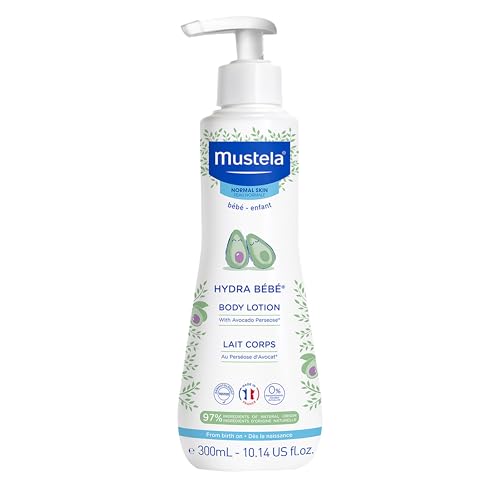 Mustela Hydra Bebe Body Lotion 10.14 fl oz Mustela Hydra Bebe Body Lotion 10.14 fl oz |
Best Overall | $19 | 9.2 | Buy → |
| 2 | 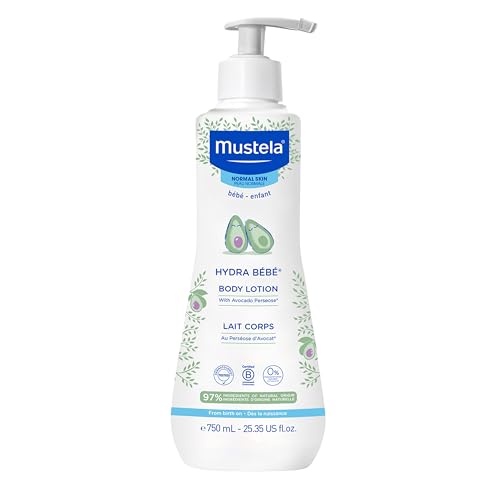 Mustela Hydra Bebe Body Lotion 25.35 fl oz Mustela Hydra Bebe Body Lotion 25.35 fl oz |
Best Large Size | $34 | 8.9 | Buy → |
| 3 | 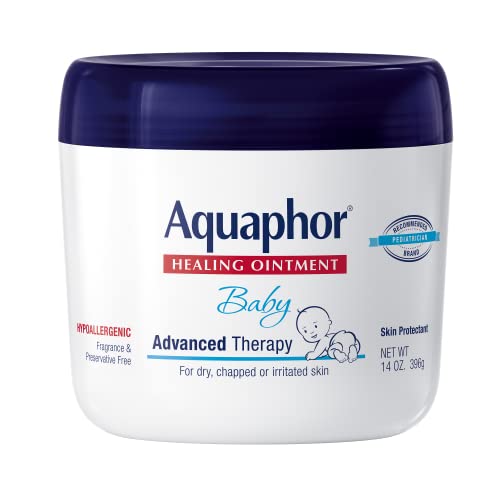 Aquaphor Baby Healing Ointment 14oz Jar Aquaphor Baby Healing Ointment 14oz Jar |
Best Healing Ointment | $17 | 8.5 | Buy → |
| 4 | 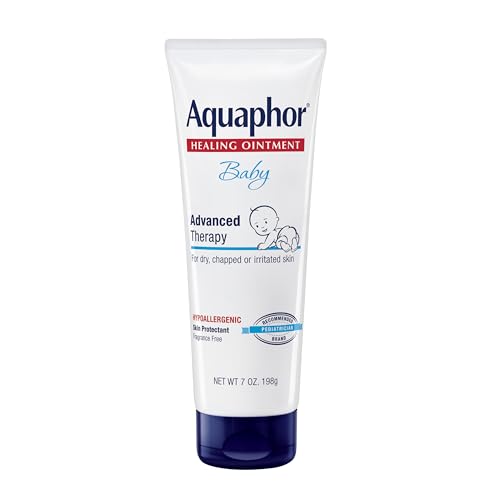 Aquaphor Baby Healing Ointment 7oz Tube Aquaphor Baby Healing Ointment 7oz Tube |
Best Travel Tube | $12 | 8.2 | Buy → |
Showing 4 of 4 products
Mustela Hydra Bebe Body Lotion 10.14 fl oz
“Mustela Hydra Bebe Body Lotion is the dermatologist-recommended daily moisturizer for babies — lighter than petroleum-based ointments and more suitable for everyday use on healthy skin.”
See Today’s Price →
Mustela Hydra Bebe Body Lotion 25.35 fl oz
“The larger Mustela Hydra Bebe is the right buy for parents who've confirmed the formula works for their baby — cost savings per oz make the larger size worthwhile for daily head-to-toe moisturizing.”
See Today’s Price →
Aquaphor Baby Healing Ointment 14oz Jar
“Aquaphor Baby Healing Ointment is the most versatile baby skin product on the market — the 14 oz jar is the right value buy for families who use it as diaper cream, dry patch treatment, and chapped li”
See Today’s Price →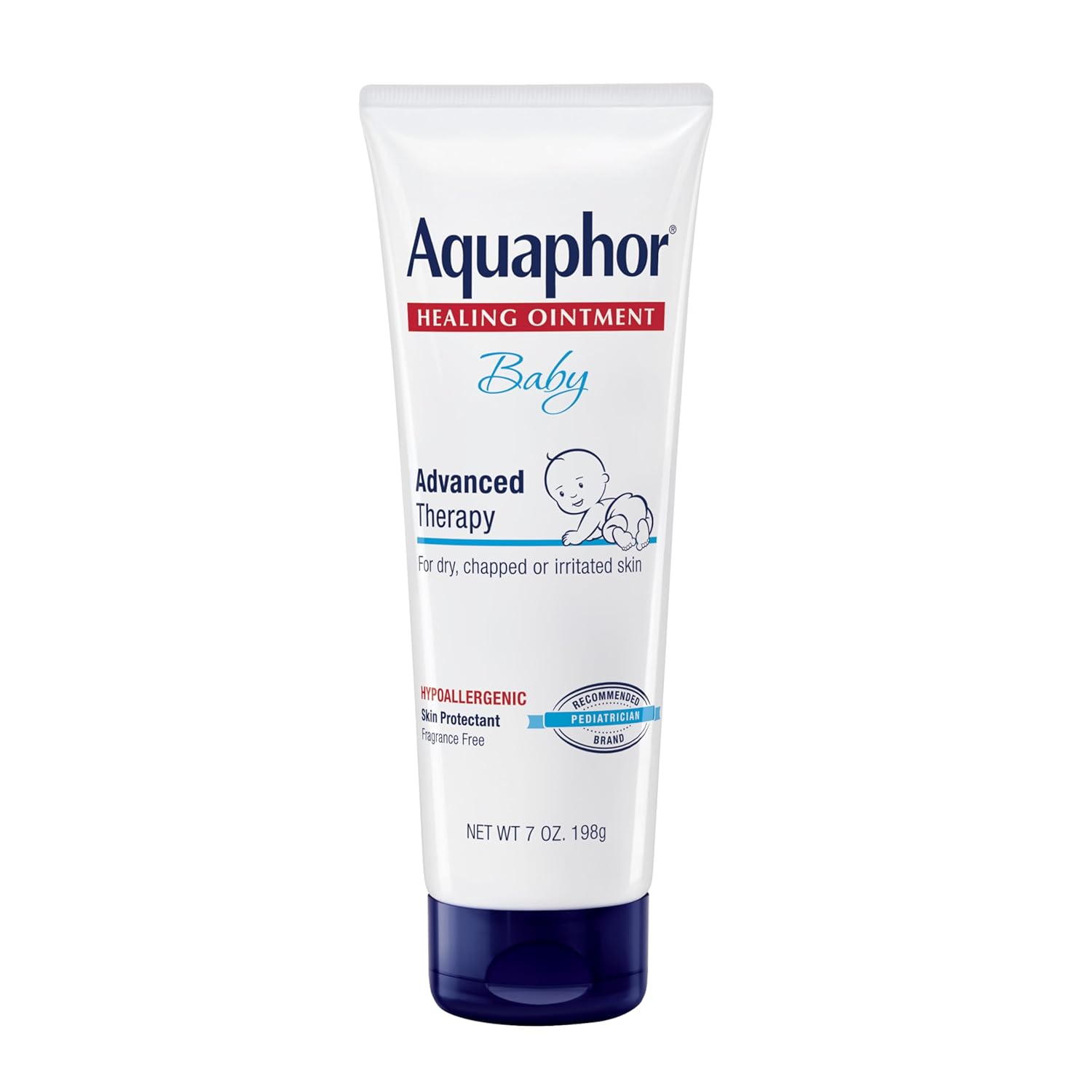
Aquaphor Baby Healing Ointment 7oz Tube
“The Aquaphor 7 oz tube is the diaper bag format of the same trusted formula — more hygienic than the jar for on-the-go use where double-dipping is unavoidable.”
See Today’s Price →Frequently Asked Questions
Can I use regular lotion on my baby?
How often should I moisturize my baby's skin?
What's the difference between the Aquaphor jar and tube?
Is Aquaphor safe for newborns?
Can I use Mustela Hydra Bebe on my baby's face?
How We Analyze Products
We analyze Amazon review data — often thousands of reviews per product — to surface patterns that individual buyers miss. Our process aggregates star ratings, review counts, and buyer sentiment at scale, identifying which strengths and weaknesses appear consistently across the largest review samples available. The 6,000+ reviews analyzed on this page represent real verified-purchase feedback from Amazon buyers.
Each product earned its placement through data: total review volume, average rating, and the specific praise and complaints that repeat most often across buyers. No manufacturer paid for placement on this page. Products appear here because buyers endorsed them at scale, not because a company asked us to feature them.
We use AI to summarize review sentiment — not to fabricate opinions, but to condense what thousands of buyers actually wrote into a readable format. The pros and cons you see reflect the most common themes found in verified purchaser reviews, paraphrased for clarity. We do not claim to have accessed Reddit, YouTube, or specific publications in generating these summaries.
Prices shown reflect Amazon pricing at the time this page was last generated. Click “See Today’s Price” to get the current live price on Amazon. Read our full methodology →