Best Breast Pumps 2026: Wearable, Hospital-Grade & Manual

The Spectra S2 Plus is the best breast pump of 2026 — hospital-grade suction, closed system, and quiet motor at $159.99, the most recommended pump by lactation consultants. Check insurance first — most US plans cover a pump at no cost. For hands-free pumping at work, the Momcozy S12 Pro wearable at $69.99 is the most affordable in-bra option.
See Today’s Price →At a Glance
Showing 3 of 3 products
Spectra S2 Plus Electric Breast Milk Pump
“The Spectra S2 Plus is the most recommended breast pump by lactation consultants and breastfeeding specialists worldwide — a distinction earned through its hospital-grade motor, closed system design, ”
See Today’s Price →What we like
- Hospital-grade suction up to 300 mmHg — near-clinical extraction strength
- Closed system prevents milk from entering tubing (hygienic, sharable)
- Single and double pump capability for flexibility
- Ultra-quiet motor — can pump during meetings and conversations
Watch out for
- Plug-in only — no battery pack (requires AC outlet)
- Requires separate carrying bag for commuting
- Does not connect to an app or display
Read Full Analysis
The Spectra S2 Plus holds its top position through one consistent data point: lactation consultants recommend it more frequently than any other personal breast pump. The closed system ensures milk never contacts the motor or tubing — unlike open-system pumps that can accumulate residue and degrade over time, the Spectra maintains consistent performance through years of daily use. The 300 mmHg suction ceiling reaches near-hospital-grade levels that most personal pumps cannot match. The ultra-quiet motor runs at conversation-level volume — you can pump during video calls and in open offices without attracting attention. At $160 (and often $0 with insurance) the S2 Plus is the pumping choice for parents committed to breastfeeding.

Medela Pump In Style Pro Breast Pump 2nd Gen
“The Medela Pump In Style Pro 2nd Gen is Medela's current response to Spectra's clinical reputation — engineered with a pumping pattern clinically proven to perform at Medela Symphony hospital pump eff”
See Today’s Price →What we like
- Clinically proven pumping pattern similar to Medela Symphony hospital pump
- Compact portable design for commuting and travel
- 2-Phase Expression Technology mimics baby's natural suckling rhythm
- PersonalFit Plus breast shields for more comfortable flanges
Watch out for
- Most expensive option on this list at $200
- No wearable in-bra option (cord-attached pump)
- 2nd Gen — Medela frequently updates models, older accessories may not fit
Read Full Analysis
The Medela Pump In Style Pro 2nd Gen is Medela's current answer to the question of why lactation consultants increasingly recommend Spectra: Medela has engineered the Pro 2nd Gen to match hospital-pump extraction efficiency in a portable package. The pumping pattern is clinically validated against the Medela Symphony — the standard hospital unit — providing the confidence that extraction rates reflect research, not marketing. The battery option (unlike the S2 Plus) enables truly portable operation without an outlet. PersonalFit Plus shields address the fit customization that generic 24mm flanges cannot provide. At $200 it is the premium choice for parents who prefer Medela's brand ecosystem and technology generation.

Momcozy S12 Pro Hands-Free Wearable Breast Pump White 1-Pack
“The Momcozy S12 Pro is the hands-free wearable pump that has made simultaneous multi-tasking while pumping genuinely practical. The in-bra design means no pump unit sitting on a surface, no bottles da”
See Today’s Price →What we like
- Wearable in-bra design — completely hands-free, no cords or external bottles
- 3 modes and 9 levels of suction for personalized expression
- Smart display shows pumping time and battery level
- Most affordable wearable pump option at $70 for single
Watch out for
- Single pump — needs two units ($140) for simultaneous double pumping
- Wearable design collects less milk than traditional flanges for some body types
- Battery life limits pumping session length
Read Full Analysis
The Momcozy S12 Pro wearable pump represents the category shift from stationary pumping to integrated pumping. The in-bra design means no pump on a desk, no cord connecting you to a surface, no visible equipment — you can walk, type, drive, and conduct meetings while pumping. For working parents who pump at an office, in a car between locations, or during any activity where a traditional pump would be impractical, the wearable format is genuinely liberating. The S12 Pro adds a smart display over earlier Momcozy models so you can glance at session time and battery without unlocking your phone. At $70 per side it is significantly more accessible than the Elvie Pump ($400+). The trade-off: traditional pumps still outperform wearables for volume per session for many users.
Breast Pumps Buying Guide
 Photo by cottonbro studio / Pexels
Quick Verdict: Our top pick is the Spectra S2 Plus Electric Breast Milk Pump (Our Top Pick) — The Spectra S2 Plus holds its top position through one consistent data point: lactation consultants recommend it more.... Priced at $142.39.
Great for: Breastfeeding mothers returning to work, anyone who wants to build a milk supply reserve, and moms with latch difficulties
Not ideal if: You formula-feed exclusively or breastfeed on demand without any separation from your baby
Choosing a breast pump requires matching your pumping frequency, lifestyle, and output goals to the right pump type. Insurance coverage changes the cost equation dramatically — most breast pumps are fully covered under the ACA.
Pump Types by Lifestyle
| Type | Extraction | Mobility | Best For |
|---|---|---|---|
| Traditional double electric (Spectra, Medela) | Maximum | Cord-attached, stationary | Full-time pumping, building supply, NICU |
| Wearable in-bra (Momcozy) | Moderate | Completely hands-free | Working parents, commuters, multitasking |
| Portable battery-powered | Good | No outlet needed | Travel, irregular pumping schedules |
Insurance Coverage: The Most Important Factor

Under the Affordable Care Act, most US health insurance plans are required to cover breast pump rental or purchase at no cost to the member. This coverage typically includes a new pump per pregnancy. Check with your insurance before purchasing — many plans cover the Spectra S2 Plus or Medela Pump In Style directly. If your insurance covers a pump, the price comparison above becomes irrelevant for that purchase. Many parents use their insurance-covered traditional pump for home use and purchase a wearable (Momcozy) separately for work commuting.
Closed vs Open System
A closed-system pump has a barrier between the milk collection area and the motor — milk cannot contaminate the tubing or motor. Closed systems are hygienic, can be shared between users (with new accessories), and will not degrade over time from milk residue. Both Spectra and Medela Pump In Style are closed systems. Open systems allow milk vapor to enter the tubing and motor — these should never be shared and have shorter lifespans.
Flange Fit: Critical for Output and Comfort
The breast shield (flange) must fit correctly or pumping will be both uncomfortable and ineffective. Signs of wrong fit: nipple rubbing against the tunnel, white rings or creases on the areola after pumping, nipple not centered in the tunnel. Most pumps include 24mm flanges — this is correct for approximately 30% of users. Many pumpers need 21mm, 27mm, or 30mm shields. Getting the right flange size can dramatically improve both comfort and milk output. Many lactation consultants offer virtual flange-fitting consultations.
Related Guides:
- What Baby Gear Do You Actually Need? — cut through the noise on must-haves vs. skippable items
- Complete New Baby Checklist — prioritized shopping list from newborn through month six
- Baby Feeding Guide — breast pump vs bottles vs formula — how to choose
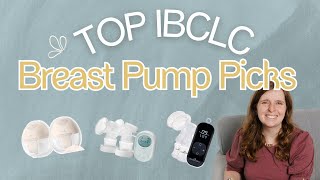
Watch Before You Buy

Frequently Asked Questions
Is my breast pump covered by insurance?
What is a hospital-grade breast pump?
What is the difference between the Spectra S1 and S2?
Can I share a breast pump?
How often should I pump?
How We Analyze Products
We analyze Amazon review data — often thousands of reviews per product — to surface patterns that individual buyers miss. Our process aggregates star ratings, review counts, and buyer sentiment at scale, identifying which strengths and weaknesses appear consistently across the largest review samples available. The 6,933+ reviews analyzed on this page represent real verified-purchase feedback from Amazon buyers.
Each product earned its placement through data: total review volume, average rating, and the specific praise and complaints that repeat most often across buyers. No manufacturer paid for placement on this page. Products appear here because buyers endorsed them at scale, not because a company asked us to feature them.
We use AI to summarize review sentiment — not to fabricate opinions, but to condense what thousands of buyers actually wrote into a readable format. The pros and cons you see reflect the most common themes found in verified purchaser reviews, paraphrased for clarity. We do not claim to have accessed Reddit, YouTube, or specific publications in generating these summaries.
Prices shown reflect Amazon pricing at the time this page was last generated. Click “See Today’s Price” to get the current live price on Amazon. Read our full methodology →