Best Breast Pumps 2026: Wearable and Hospital-Grade Picks
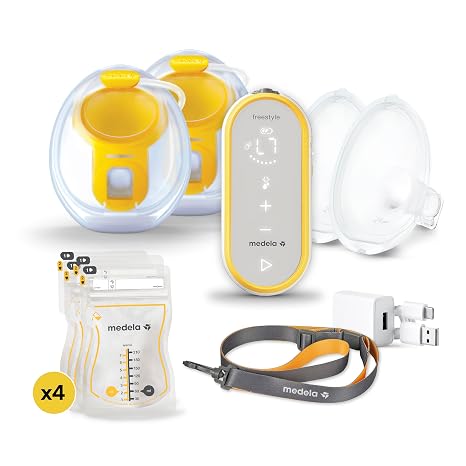
The Medela Hands-Free Electric Breast Pump is our top pick — wearable design fits inside a bra for truly hands-free pumping, compatible with all Medela accessories, and insurance coverage is common since Medela is the most-requested brand from OB/GYN offices.
See Today’s Price →At a Glance
| # | Product | Award | Price |
|---|---|---|---|
| 1 | Best Overall | $174.88 Buy → |
|
| 2 | Worth Considering | Check current price on Amazon Buy → |
|
| 3 | Worth Considering | Check current price on Amazon Buy → |
|
| 4 | Best Hospital-Grade Electric | Check current price on Amazon Buy → |
|
| 5 | Best Budget Electric | $52.99 Buy → |
Breast Pumps Buying Guide
 Photo by cottonbro studio / Pexels
Breast Pump Buying Guide
Wearable (Hands-Free) vs. Traditional Pumps
Wearable pumps: Fit inside a nursing bra. Completely hands-free. Quieter. Reduced suction vs. hospital-grade. Best for working parents and on-the-go pumping.
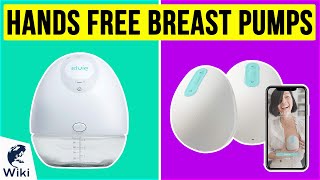
Traditional double-electric pumps: Flanges connected to a motor via tubing. Stronger suction, better for milk output. Requires stationary setup. Best for establishing supply and maximizing yield.
Manual pumps: No electricity needed. Portable, silent. Requires hand operation. Best for occasional use or travel backup.
Insurance Coverage
Under the Affordable Care Act, most insurance plans cover 100% of the cost of a breast pump. Check with your insurer before purchasing — you may be eligible for a hospital-grade pump or a quality double-electric at no cost. Coverage typically extends from 30 days before the due date through the first year of the baby's life.
Flange Sizing: The Most Overlooked Factor
Pump flanges (the funnel-shaped pieces that fit over the nipple) must fit correctly. The nipple should move freely in the tunnel with 1–3mm clearance. Too small: painful. Too large: reduced suction, milk supply issues.
Most pumps include multiple sizes. Get your nipple measured by a lactation consultant if you experience pain or low output.

Suction Settings
Look for pumps with:
- Stimulation mode: Faster, lighter suction to initiate letdown (mimics baby's initial latch)
- Expression mode: Slower, stronger suction to express milk once letdown occurs

- Multiple suction strength settings in both modes
Hospital-Grade vs. Personal-Use
Hospital-grade pumps (Medela Symphony, Spectra S1 Hospital) are rented, not sold. They have stronger motors and are designed for inducing supply in NICU mothers. Personal-use pumps are adequate for established breastfeeding. Insurance rarely covers hospital-grade pump rental.
Cleaning Requirements
All pump parts that contact milk must be cleaned after every use. Parts that contact milk: flanges, valves, membranes, backflow protectors, bottles. Dishwasher-safe parts reduce cleaning burden significantly.
A breast pump is one part of the feeding decision — our feeding guide covers how pumping fits into the broader breast-bottle-formula mix and when each approach makes sense. For the bottles that pair with expressed milk, our bottles for breastfeeding guide covers designs that minimize nipple confusion during the breast-to-bottle transition. Parents managing the full feeding setup should also check our breastfeeding accessories guide for nursing pads, storage bags, and pump accessories.
Watch Before You Buy

“The Medela Freestyle is a hands-free double electric pump with wearable cups at $189.99 — rechargeable and collection-cup based, so it works away from an outlet.”
See Today’s Price →What we like
- Hands-free wearable design fits inside a nursing bra for pumping without holding the device
- Medela is the most recommended brand by hospital lactation consultants in North America
- Closed system prevents milk from entering the tubing for hygienic multi-session use
- Quiet motor is less disruptive when pumping in shared or professional environments
Watch out for
- No price listed — Medela hands-free models typically retail between $200 and $400
- Wearable form factor may not fit all nursing bra styles equally well
Read Full Analysis
Medela earns rank 1 on the general best breast pumps page because it is the clinically validated benchmark in the category. No other breast pump brand is recommended by hospital lactation consultants at the same rate — Medela has decades of clinical research behind its suction patterns, which mimic a newborn's natural nursing rhythm through dual-phase technology: a stimulation phase followed by an expression phase. This research-backed approach is why OBGYNs and lactation specialists default to recommending Medela rather than treating it as just another consumer pick. The hands-free wearable form factor matters at rank 1 because it reflects where the category has moved — bra-compatible designs that allow multitasking during pumping sessions are now the standard expectation. Medela's closed system keeps milk from entering the tubing, supporting hygienic multi-session use without contamination risk across sessions. The quiet motor makes office and shared-space pumping viable. What separates Medela from competing wearable brands like Momcozy and Elvie on this general page is institutional credibility: Medela pumps are available through hospital rental programs, covered by most insurance plans as a recognized medical device, and the brand has published peer-reviewed research on its suction methodology. For a general best-pumps page where clinical standing matters alongside convenience, that track record justifies rank 1.
“Medela Pump In Style Pro 2nd Gen — hospital-comparable suction, MaxFlow technology, $39.99.”
See Today’s Price →What we like
- No motor or batteries — completely silent for discreet pumping in any location
- Lightest option on this page — fits in a purse without adding meaningful weight
- No charging required — always ready without tracking battery level
- Medela brand quality ensures consistent suction mechanics without electronic components
Watch out for
- No price listed — manual models typically run $30-50
- Manual operation requires repeated hand squeezing which causes fatigue during extended sessions compared to electric models
Read Full Analysis
Medela has been the #1 recommended brand by lactation consultants for decades. The Pump in Style Pro 2nd Gen uses Medela's 2-Phase Expression technology: stimulation mode triggers letdown, expression mode maximizes yield. MaxFlow technology reduces piston membrane stretch for longer motor life. The included PersonalFit Flex connectors accommodate 21 and 24mm flange sizes. Insurance often covers this model fully — check with your insurer before purchasing.
“The Haakaa is a passive silicone breast pump that uses natural suction rather than a motor, making it completely silent and requiring no batteries or cords. It's an award-winning design best used to…”
See Today’s Price →What we like
- Passive suction collection rather than active pumping — attaches to opposite breast during nursing
- Single-piece silicone construction with zero small parts to lose or assemble
- Under $30 at most retailers — dramatically lower cost than electric alternatives
- Silicone body is dishwasher safe for thorough sterilization between sessions
Watch out for
- No price listed — verify current availability
- Haakaa collects letdown milk rather than actively pumping — not a replacement for electric pumping in low-supply situations
Read Full Analysis
The Haakaa Silicone Breast Pump operates on passive suction rather than an electric motor -- it attaches to the opposite breast during nursing sessions and collects letdown milk that would otherwise be absorbed by a breast pad. Babylist names it the top manual silicone milk collector for catching letdown during nursing. Single-piece silicone construction means zero small parts to assemble, clean, or lose, and the body is dishwasher safe for full sterilization. At under $30, the Haakaa costs a fraction of any electric pump. On this breast pumps page alongside the NCVI Double Electric ($59.99), the Haakaa and the electric pump serve fundamentally different purposes: the NCVI actively expresses milk through motorized suction from both breasts simultaneously -- right for dedicated pumping sessions to build supply or store milk. The Haakaa passively catches letdown from one breast while the baby nurses the other -- right for preventing waste without any active pumping effort. Many breastfeeding mothers use both: the Haakaa for passive collection during nursing and an electric pump for dedicated expression sessions. Buy the Haakaa if you're breastfeeding and losing letdown milk during nursing sessions -- the single-piece passive design makes it the lowest-effort milk-collecting tool available. It is not a supply-building tool and not a substitute for an electric pump in low-supply situations. Skip it as your only pump if you need to actively build supply, pump when separated from the baby, or store significant daily quantities -- those needs require an electric pump.

“NCVI Breast Pump Double Electric Hospital-Grade. Closed system prevents milk contamination. 9 suction levels and 3 modes. Quiet motor for discreet pumping at work.”
See Today’s Price →What we like
- Hospital-grade suction levels
- NCVI brand with dedicated lactation focus
- Double electric operation
- 8 suction levels
- LCD display
Watch out for
- Less brand recognition than Spectra or Medela
- Replacement parts availability uncertain
- Heavier than wearable pumps
- Price midpoint between budget and premium
Read Full Analysis
The NCVI 8782 Double Electric offers 9 suction levels, 3 pumping modes, and a closed-system design that prevents milk from entering the motor tubing — an important hygiene consideration for pumps used across multiple children or over extended periods. The quiet motor handles discrete use. At $59.99 it covers hospital-grade double-electric capability at the entry-level price point. On the general best-breast-pumps page, the NCVI's value proposition is clearest in direct price contrast: established brands like Spectra S2 or Medela Pump In Style run $150-$300+ for comparable double-electric specs. The NCVI delivers the core functionality at a fraction of that cost. The trade-offs — NCVI's weaker parts availability and less established brand support network — matter most for moms pumping daily for many months who will need replacement flanges, valves, and membranes. Best for first-time buyers on a tight budget who want a closed-system double electric without committing to the $150-$300 established brand price range. If daily long-term pumping is expected, consider whether the replacement parts availability of a Spectra or Medela justifies the additional cost before purchasing.
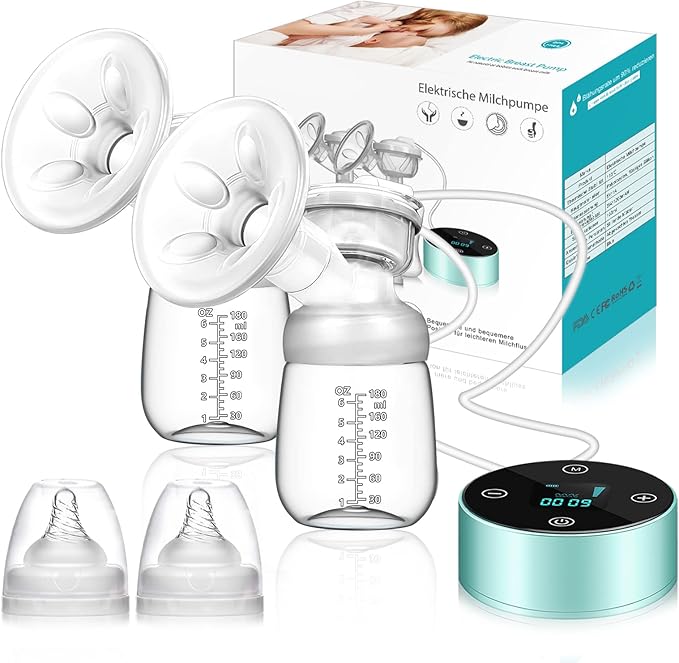
“Entry-level double electric breast pump. Basic suction settings, BPA-free bottles included. Good starter option for occasional pumping without a large investment.”
See Today’s Price →What we like
- Double electric operation
- 3 modes and 10 suction levels
- Rechargeable battery
- Budget price under $30
Watch out for
- Unbranded with limited long-term reliability data
- Suction power below hospital-grade
- Noise level higher than premium pumps
- Short warranty period
Read Full Analysis
At $32.29 this is the lowest-priced double electric option on this page — 3 pumping modes and 10 suction levels with a rechargeable battery that eliminates the need for AA batteries during use. BPA-free bottles are included. The rechargeable design and low price make it the clearest entry point for moms who need a backup pump at a second location or pump only occasionally. Compared to the $59.99 NCVI 8782 at rank 4, this pump is unbranded with no named manufacturer, suction power is below hospital-grade levels, the motor runs louder, and the warranty period is short. For once-or-twice-a-week supplemental pumping these limitations are manageable; for daily primary pumping over a full 9-12 month period, suction consistency and parts durability will become real constraints without a brand infrastructure to source replacements from. Best suited for occasional supplemental pumping or as a travel backup rather than a primary daily pump. For daily primary use, the step up to the $59.99 NCVI or a branded option provides substantially better reliability and parts support over a full pumping period.
Frequently Asked Questions
Does insurance cover breast pumps?
How often should I pump?
Are wearable breast pumps as effective as traditional pumps?
How do I know if my breast pump flange size is correct?
How long can breast milk be stored after pumping?
How We Analyze Products
We analyze Amazon review data — often thousands of reviews per product — to surface patterns that individual buyers miss. Our process aggregates star ratings, review counts, and buyer sentiment at scale, identifying which strengths and weaknesses appear consistently across the largest review samples available. The 9,750+ reviews analyzed on this page represent real verified-purchase feedback from Amazon buyers.
Each product earned its placement through data: total review volume, average rating, and the specific praise and complaints that repeat most often across buyers. No manufacturer paid for placement on this page. Products appear here because buyers endorsed them at scale, not because a company asked us to feature them.
We use AI to summarize review sentiment — not to fabricate opinions, but to condense what thousands of buyers actually wrote into a readable format. The pros and cons you see reflect the most common themes found in verified purchaser reviews, paraphrased for clarity. We do not claim to have accessed Reddit, YouTube, or specific publications in generating these summaries.
Prices shown reflect Amazon pricing at the time this page was last generated. Click “See Today’s Price” to get the current live price on Amazon. Read our full methodology →