Best Digital Thermometers for Fast and Accurate Readings

The iHealth No-Touch Forehead Thermometer is our top pick for household use — fast, accurate, and no-contact operation makes it perfect for sleeping children. For the most accurate oral readings, the Vicks V901 is a proven classic.
See Today’s Price →At a Glance
Showing 3 of 3 products
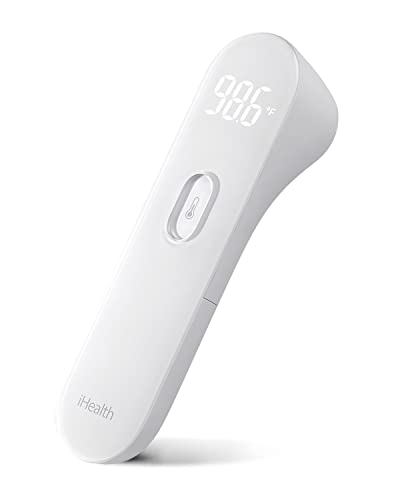
iHealth No-Touch Forehead Thermometer PT3
“The iHealth PT3 is the gold standard for home use — non-contact, blazing fast, and color-coded fever alerts make nighttime checks effortless.”
See Today’s Price →What we like
- Non-contact operation
- 1-second reading
- Large LED display
- Fever alert with color coding
- Memory stores last 8 readings
Watch out for
- Requires calibration period
- Slightly higher price

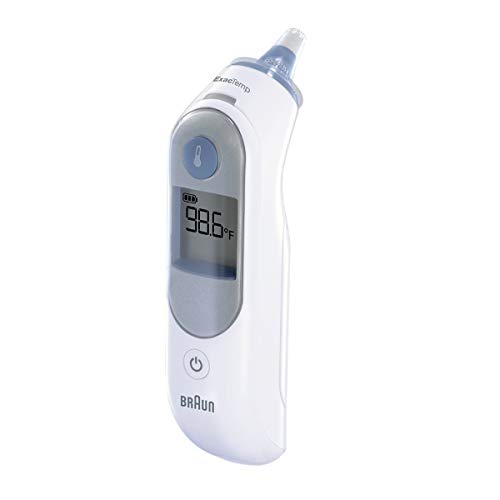
Braun ThermoScan 5 Ear Thermometer ExacTemp Technology
“The most clinically reliable home ear thermometer. The ExacTemp light eliminates guessing about probe placement — you only read when positioned correctly, which is why its accuracy is trusted in medic”
See Today’s Price →
Kinsa QuickCare Smart Digital Thermometer
“The Kinsa QuickCare brings smart phone integration to basic fever monitoring. The Kinsa app tracks every temperature reading with timestamp, notes, and symptom log — building a medical history that is”
See Today’s Price →What we like
- Connects to Kinsa app for symptom tracking, fever history, and illness guidance
- Oral, axillary (armpit), and rectal use — one thermometer for multiple methods
- Fast 8-second reading with fever alert
- App tracks fever patterns over time — useful for doctor consultations
Watch out for
- Requires smartphone and app for full feature use
- Battery dependent — needs replacement over time
- App requires account creation
Digital Thermometers for Fast and Accurate Readings Buying Guide
 Photo by Maksim Goncharenok / Pexels
Oral vs. Rectal vs. Ear vs. Forehead: Which Is Most Accurate?
Rectal temperature is the gold standard for accuracy — it reads core body temperature directly and is recommended by pediatricians for infants under 3 months. Oral temperature (under the tongue) is accurate for cooperative patients over 5 years old. Ear (tympanic) thermometers measure infrared radiation from the eardrum — fast (1–2 seconds) and accurate when positioned correctly, but ear canal angle and earwax can cause reading errors. Forehead (temporal artery) thermometers scan the forehead and are fast and non-invasive, but can read 0.5–1°F low in cold environments or if the forehead is sweaty. For routine home use in adults and older children, forehead or oral is fine. For infants and clinical accuracy, rectal remains the most reliable.
Response Time: How Fast Is Fast Enough?

Traditional mercury thermometers take 3 minutes — no longer recommended due to mercury hazard. Basic digital oral thermometers take 20–60 seconds. Fast-read digital thermometers (Braun, iProven) take 8–10 seconds orally. Ear and forehead thermometers take 1–3 seconds. For a feverish adult who holds still, 30 seconds is fine. For a sick toddler at 2am, 1–2 seconds is a real quality-of-life difference. If you have young children, the speed premium on an ear or forehead thermometer is worth it.
Fever Alert and Memory Functions
Most digital thermometers beep when a reading is complete and some beep differently (or change the display color) when a fever threshold is detected — typically 99.5°F oral or 100.4°F rectal. Color-coded fever alerts (green/yellow/red display backlight) let you read the result at a glance in low light. Memory that stores the last 10–30 readings is useful for tracking a fever's progression over a day — helpful for both home monitoring and reporting to a doctor. For households with children, both features are worth having.
Contact vs. Non-Contact Thermometers
Contact thermometers (oral, rectal, ear) physically touch the patient or body cavity. Non-contact thermometers (forehead scan, ambient thermometers) hold 1–3 cm from the skin without touching. Non-contact is convenient for sleeping patients or for use in germy environments (daycare, clinic) where you do not want to clean the probe between each use. Accuracy on non-contact models is slightly lower, with a wider margin of error (±0.4°F vs ±0.2°F for contact). For most home uses, the difference is clinically irrelevant — a reading that is 0.2°F off does not change whether you call the doctor.
Probe Covers and Hygiene
Oral and rectal thermometers should use disposable probe covers to prevent cross-contamination between users. Most digital thermometers include a small supply and replacement covers are inexpensive and widely available. Never use the same thermometer orally and rectally even with a probe cover — keep a dedicated rectal thermometer labeled and stored separately. Ear thermometers also use small lens filters — replace them between uses, especially in households with multiple children. Thermometers without available replacement covers are not suitable for long-term family use.
For baby-specific thermometer picks, our Best Baby Thermometers 2026 covers rectal, temporal, and forehead options ranked for accuracy on infants. For the full set of health tools every parent should have, see Best Baby Health Essentials 2026. And for context on when a thermometer matters most by age, First Year Baby Gear Month by Month is a helpful reference.
Frequently Asked Questions
Which thermometer type is most accurate?
At what temperature is a fever?
What should I look for when buying digital thermometers?
How much should I expect to spend on digital thermometers?
How long do digital thermometers typically last?
How We Analyze Products
We analyze Amazon review data — often thousands of reviews per product — to surface patterns that individual buyers miss. Our process aggregates star ratings, review counts, and buyer sentiment at scale, identifying which strengths and weaknesses appear consistently across the largest review samples available. The 198,443+ reviews analyzed on this page represent real verified-purchase feedback from Amazon buyers.
Each product earned its placement through data: total review volume, average rating, and the specific praise and complaints that repeat most often across buyers. No manufacturer paid for placement on this page. Products appear here because buyers endorsed them at scale, not because a company asked us to feature them.
We use AI to summarize review sentiment — not to fabricate opinions, but to condense what thousands of buyers actually wrote into a readable format. The pros and cons you see reflect the most common themes found in verified purchaser reviews, paraphrased for clarity. We do not claim to have accessed Reddit, YouTube, or specific publications in generating these summaries.
Prices shown reflect Amazon pricing at the time this page was last generated. Click “See Today’s Price” to get the current live price on Amazon. Read our full methodology →