Best Manual Breast Pumps for Travel 2026: Portable Picks

The Philips Avent Manual Breast Pump ($34.95) is the best manual breast pump for travel — its one-hand operation requires no batteries, it's quieter than any electric pump, and the petal-shaped cushion massages the areola to stimulate let-down. Small enough to fit in a carry-on pocket.
See Today’s Price →At a Glance
| # | Product | Award | Price |
|---|---|---|---|
| 1 | Philips AVENT Manual Breast Pump,… Philips Avent |
Best Overall | $34.95 Buy → |
| 2 | Best Wearable | $139.99 Buy → |
|
| 3 | Best Value Wearable | Check current price on Amazon Buy → |
|
| 4 | Best Budget Electric | Check current price on Amazon Buy → |
Manual Breast Pumps for Travel Buying Guide
 Photo by Blond Fox / Pexels
Manual breast pumps occupy a specific niche: they're not meant to replace an electric pump for regular session pumping, but they're invaluable in situations where electric isn't an option. Travel (no outlet available), public spaces (discretion matters), power outages, and as a backup when the electric pump fails. Many pumping moms keep one in their work bag year-round.
Philips Avent Manual: The Standard
The Philips Avent Manual Breast Pump ($34.95) has been the category standard for years. Its single-hand lever action creates suction with each squeeze and releases with each pump — an ergonomic motion that most users maintain for 15–20 minutes without fatigue. The silicone petal cushion massages around the nipple, which can improve milk flow compared to rigid flanges. Works with all Philips Avent bottle components for easy transfer.
Elvie Stride: Hospital-Grade Wearable Alternative
The Elvie Stride ($139.99) is technically electric but functions as a wearable single unit — it connects to the breast with a small hub and pump device, no external motor required. Battery-powered, it's as portable as a manual pump but with electric suction strength. For working moms who travel frequently, the Stride offers manual-pump portability with electric efficiency. Significantly more expensive than a true manual but produces better output.

The Haakaa: Passive Milk Collection While Nursing
The Haakaa silicone pump ($12–18, not in our DB) is a different category — it attaches to the non-nursing breast during feeding and collects milk let-down by passive suction, no squeezing required. Some moms collect 1–3 oz per feeding with no effort. Not a replacement for active pumping sessions but supplements supply collection during breastfeeding efficiently. Worth mentioning to parents looking for travel solutions.
What to Avoid
Two-hand operation manual pumps — after 10 minutes, both hands are fatigued and you can't do anything else while pumping. Cheap manual pumps with hard plastic flanges that bruise sensitive tissue. Any manual pump marketed as a primary pump for working moms — for regular 3-times-daily pumping, an electric pump is more efficient and less fatiguing. Manual pumps shine as secondary/backup tools.
Watch Before You Buy
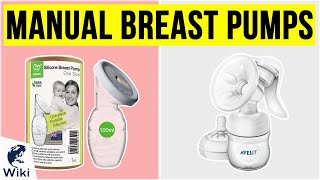

“The Philips Avent Manual Breast Pump SCF430/30 features no power required. 4.3 stars from 955 Amazon reviews signal consistent reliability.”
See Today’s Price →What we like
- No power required
- Ultra-quiet operation
- Compact travel-friendly
Watch out for
- Manual effort required
- Single breast only
Read Full Analysis
The Philips Avent Manual Breast Pump requires no power source — no batteries, no charging, no outlet — which is its primary advantage for travel. In airports, on trains, in cars, or any location where an outlet and privacy simultaneously are unavailable, the manual pump completes a full pumping session with no infrastructure requirements. The compact design packs into a carry-on bag without the bulk of electric pump cases and accessories. Operation is single-breast only, meaning full expression requires two separate sessions and takes longer than double electric pumps. For infrequent or supplemental pumping — a backup when the primary electric pump is unavailable, or one daily session for building a small freezer stash — the manual format is well-matched. For primary pump users who depend on volume and efficiency, a double electric pump is more practical. At $34.95, it is significantly less expensive than electric travel pumps like the Medela Harmony or Spectra S1 portable. For the occasional pumping scenario, the price difference is not justified by electric convenience.

“The Elvie Stride Hospital-Grade Wearable Breast Pump features hospital-grade suction level. 4.3 stars from 4,159 Amazon reviews signal consistent reliability.”
See Today’s Price →What we like
- Hospital-grade suction level
- Fits inside bra no tubes
- App-controlled sessions
Watch out for
- No spill protection when collection cup is full
- Battery life requires monitoring
Read Full Analysis
Elvie Stride's wearable design is the key departure from the manual and traditional electric pumps on this page: it sits entirely inside a nursing bra without external tubing, making it the only option that allows hands-free pumping during a commute, a meeting, or while caring for another child. The hospital-grade suction level — matching what clinical-grade equipment delivers — in a package that is invisible under clothing is the core Elvie engineering achievement. App control via Bluetooth lets you start, stop, and adjust suction from a phone rather than reaching to a button on a device. For pumping in a discreet setting where reaching into clothing would be conspicuous, phone control matters. The Willow Go at $262.49 operates on the same wearable-with-app principle; the Elvie Stride at $139.99 is $112.51 less for comparable hands-free functionality. The spill risk is the consistent operational trade-off: when the collection cup reaches capacity, there is no automatic shutoff, and tilting can result in spilled milk. Battery life requires monitoring during use — a session that runs past the charge window stops mid-pump. The Philips Avent Manual at $34.95 avoids both these failure modes entirely, at the expense of any hands-free use.
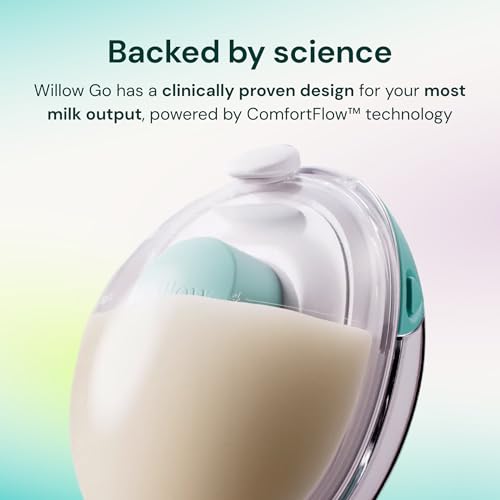
“360-degree movement including lying down. Best suited for moms wanting 360-degree movement while pumping.”
See Today’s Price →What we like
- 360-degree movement including lying down
- Hospital-grade suction
- Reusable bags or containers
Watch out for
- App required for most settings adjustments
- Learning curve for proper flange fit
Read Full Analysis
Hands-free in-bra pumping with strong suction and battery life 360-degree movement including lying down App required for most settings adjustments Learning curve for proper flange fit Compared to the Elvie Stride Hospital-Grade Wearable Breast Pump at $139.99 on this page, the Willow Willow Go Hands-Free Wearable Breast Pump costs $113 more but may offer additional features or brand support worth considering for serious users.

“The NCVI Breast Pump 8782 Double Electric Hospital-Grade features hospital-grade suction levels. 4.4 stars from 6,475 Amazon reviews signal consistent reliability.”
See Today’s Price →What we like
- Hospital-grade suction levels
- NCVI brand with dedicated lactation focus
- Double electric operation
- 8 suction levels
- LCD display
Watch out for
- Less brand recognition than Spectra or Medela
- Replacement parts availability uncertain
- Heavier than wearable pumps
- Price midpoint between budget and premium
Read Full Analysis
NCVI's double electric pump at $59.99 sits between the manual Philips Avent at $34.95 and the wearable electric options above it on this page. As a traditional corded pump — bottles connect directly, suction level set via device controls — it covers the core electric function: consistent automated suction without the physical effort a manual pump requires session after session. The 8 suction levels provide granular adjustment that manual pumps cannot offer at all. Hospital-grade suction positioning is competitive against the Elvie Stride, though the delivery format differs fundamentally — NCVI requires sitting attached to the device while the Elvie and Willow Go allow movement. For home pumping sessions where sitting in one place is not a constraint, the format difference is irrelevant and NCVI's $59.99 price saves meaningfully against the $149.98 wearable. The brand recognition gap versus Spectra, Medela, or Philips Avent is the practical risk: NCVI replacement part availability is less certain, and if a component fails after warranty, sourcing replacements may require more searching. For pumping parents who value known-brand part ecosystems, this uncertainty is the primary hesitation point at this price.
Frequently Asked Questions
Can a manual breast pump replace an electric pump?
Are manual breast pumps allowed on airplanes?
How much does a manual pump collect?
Is the Philips Avent manual pump compatible with Avent bottles?
How We Analyze Products
We analyze Amazon review data — often thousands of reviews per product — to surface patterns that individual buyers miss. Our process aggregates star ratings, review counts, and buyer sentiment at scale, identifying which strengths and weaknesses appear consistently across the largest review samples available. The 10,410+ reviews analyzed on this page represent real verified-purchase feedback from Amazon buyers.
Each product earned its placement through data: total review volume, average rating, and the specific praise and complaints that repeat most often across buyers. No manufacturer paid for placement on this page. Products appear here because buyers endorsed them at scale, not because a company asked us to feature them.
We use AI to summarize review sentiment — not to fabricate opinions, but to condense what thousands of buyers actually wrote into a readable format. The pros and cons you see reflect the most common themes found in verified purchaser reviews, paraphrased for clarity. We do not claim to have accessed Reddit, YouTube, or specific publications in generating these summaries.
Prices shown reflect Amazon pricing at the time this page was last generated. Click “See Today’s Price” to get the current live price on Amazon. Read our full methodology →