Dr. Brown's vs Philips Avent Bottles 2026: Which Reduces Colic?

Dr. Brown's Natural Flow wins for colic — the internal vent system reduces air intake better than Philips Avent, making it our top pick for gassy babies.
See Today’s Price →At a Glance
Showing 2 of 2 products
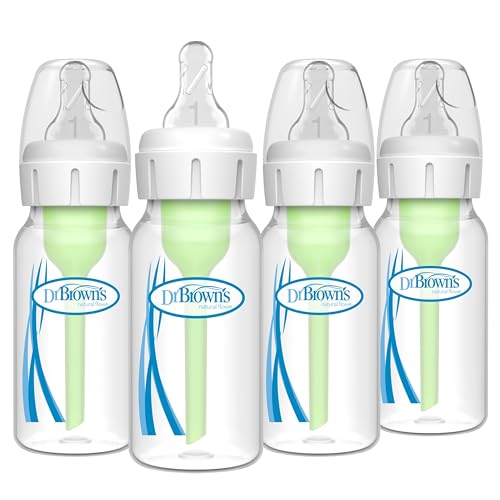
Dr. Browns Natural Flow Anti-Colic Options+ Narrow Baby Bottle 4 oz 4 Pack
“Dr. Brown's 4 oz anti-colic bottles are the gold standard for gassy or colicky newborns — the internal vent system genuinely reduces air ingestion for most babies.”
See Today’s Price →What we like
Watch out for
Read Full Analysis
Dr. Brown's Original Wide-Neck Baby Bottle is the benchmark for anti-colic feeding. The internal vent system consists of a two-piece insert that creates a pressure-free feeding environment, channeling air away from the milk so your baby doesn't swallow air bubbles that cause gas and colic. Clinical studies have shown it helps preserve vitamins C, A, and E in breast milk and formula compared to standard bottles. The 4oz size is ideal for newborns through the first few months. The trade-off is the multiple pieces — the internal vent has 4 parts total, making cleaning more involved than a standard bottle. A bottle brush specifically sized for the vent tube is strongly recommended.

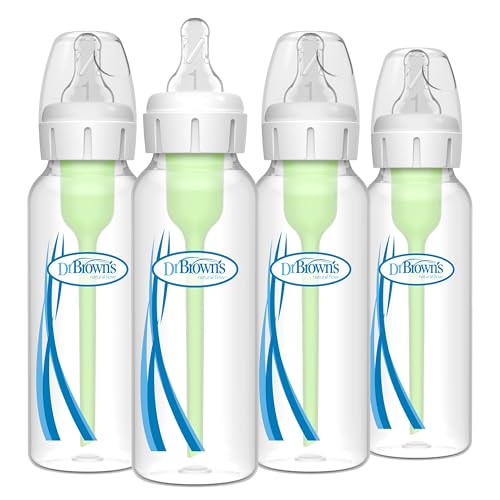
Dr. Browns Natural Flow Anti-Colic Options Plus Narrow 8oz 4-Pack
“The most effective anti-colic bottle for babies with persistent gas and discomfort. The internal vent system is the only design proven to measurably reduce air ingestion during feeding.”
See Today’s Price →Dr. Brown's vs Philips Avent Bottles Buying Guide
What Anti-Colic Design Actually Does
Colic is not fully understood, but excessive air ingestion during bottle feeding is believed to contribute to gas pain and fussiness in some infants. Dr. Brown's Natural Flow Anti-Colic system uses an internal vent (a two-piece insert that runs through the center of the bottle) to channel air from the nipple through the bottle and away from the formula or milk, theoretically reducing air ingestion. Philips Avent's anti-colic bottle uses an anti-colic valve at the nipple base that flexes to let air in through the nipple rather than through the liquid. Both approaches address the same problem through different mechanisms.
Clinical evidence for colic reduction is mixed across all anti-colic bottle brands — some infants respond to one design and not another, and some infants do not respond to either. The Dr. Brown's vent system is the more mechanically complex approach; the Philips Avent is simpler to clean and assemble. If colic is a significant concern, trying both designs is reasonable before committing to a full inventory of one brand.
Cleaning Complexity and Daily Reality
Dr. Brown's internal vent system consists of the bottle, nipple, vent insert, and vent reservoir — typically 5 parts per bottle requiring individual cleaning. For parents washing bottles 6–8 times daily, this adds meaningful time to each cleaning cycle. Philips Avent's 4-part design (bottle, nipple, ring, anti-colic valve) is simpler and the valve is dishwasher-safe. If cleaning efficiency matters in your household feeding routine, this difference should factor significantly into your decision.
Flow Rate and Feeding Pace
Both brands offer graduated nipple flow rates (Slow/Medium/Fast), and the appropriate flow rate depends on your baby's feeding pace, not age alone. Nipples that flow too fast cause gulping and air swallowing; nipples that flow too slowly cause sucking fatigue. Most newborns start with Slow (Level 1) nipples. Dr. Brown's and Philips Avent level ratings are not standardized against each other — a Philips Avent Level 2 nipple may flow faster or slower than a Dr. Brown's Level 2. Test individual nipple flow by holding a full bottle upside down: drops (not a stream) indicate an appropriate newborn flow rate.
Transitioning From Breastfeeding

Both brands are designed to be compatible with breastfeeding — the nipple shape and breast-like wideness are intended to reduce nipple confusion. The Philips Avent Natural Response nipple design has a wider base that more closely mimics breast shape, which some breastfeeding advocates prefer for combination feeding (mixing breast and bottle). Dr. Brown's narrow nipple design matches the physical shape more closely to standard medical nipple recommendations. Both work; personal fit is often the deciding factor.
How We Evaluated These Bottles
We compared Dr. Brown's and Philips Avent on anti-colic mechanism design and the evidence base for each approach, nipple flow rate accuracy and consistency across batches, cleaning time and part complexity in daily use, compatibility with breast pumps for direct pumping, and parent-reported outcomes from families who tried both brands before settling on one.
For the full bottle category, our Best Baby Bottles 2026 ranks anti-colic options across brands with breastfeeding-transition notes. For a broader feeding decision, How to Choose a Feeding System covers the pump-vs-bottle-vs-formula question that comes before picking a specific bottle. On a budget? Best Baby Bottle Sets Under $20 covers starter sets that work for most newborns.
Frequently Asked Questions
Who wins, Dr. Brown's or Philips Avent baby bottles?
Are Dr. Brown's bottles worth the extra cleaning hassle?
Which bottles are better for breastfed babies?
How many baby bottles do I actually need?
How much should I spend on baby bottles?
How We Analyze Products
We analyze Amazon review data — often thousands of reviews per product — to surface patterns that individual buyers miss. Our process aggregates star ratings, review counts, and buyer sentiment at scale, identifying which strengths and weaknesses appear consistently across the largest review samples available. The 51,217+ reviews analyzed on this page represent real verified-purchase feedback from Amazon buyers.
Each product earned its placement through data: total review volume, average rating, and the specific praise and complaints that repeat most often across buyers. No manufacturer paid for placement on this page. Products appear here because buyers endorsed them at scale, not because a company asked us to feature them.
We use AI to summarize review sentiment — not to fabricate opinions, but to condense what thousands of buyers actually wrote into a readable format. The pros and cons you see reflect the most common themes found in verified purchaser reviews, paraphrased for clarity. We do not claim to have accessed Reddit, YouTube, or specific publications in generating these summaries.
Prices shown reflect Amazon pricing at the time this page was last generated. Click “See Today’s Price” to get the current live price on Amazon. Read our full methodology →