How to Choose a Feeding System (2026): Breast Pump, Bottles
If pumping at work, the Willow Go ($260) or Elvie Stride ($200) wearable pumps are worth the cost. Store-brand formula is nutritionally equivalent to Similac/Enfamil at 30-40% lower cost. Start with 2-3 bottles of any style before committing to a full set.
How to Choose a Feeding System (2026) Buying Guide

Great for: Breastfeeding mothers returning to work, anyone who wants to build a milk supply reserve, and moms with latch difficulties
Not ideal if: You formula-feed exclusively or breastfeed on demand without any separation from your baby
- You are pregnant and trying to plan your feeding approach before the baby arrives
- You are struggling with breastfeeding and want to understand your options honestly
- You want to compare electric vs manual pumps and know what insurance covers
- You have an established feeding routine that is working
- You are looking for solid food introduction — this guide covers 0-6 month feeding only
Quick Verdict: Our top pick is the Elvie Pump Double Wearable Breast Pump (Best Premium Wearable Pump) — Elvie Stride is a fully wearable pump with an external motor worn on a belt clip. Priced at $439.99.
Budget Pick: The Lansinoh Anti-Colic Glass Baby Bottles 5 oz Slow Flow Nipples 4-Count at $49.49 — Lansinoh NaturalWave slow-flow nipple requires active suction mechanics similar to breastfeeding, reducing bottle pre....
Understanding Your Feeding Options
Exclusive Breastfeeding

Breast milk provides immune antibodies (IgA), growth factors, and a dynamic composition that changes based on baby's needs. AAP and WHO recommend exclusive breastfeeding for 6 months, continued with solids through 12+ months.
Realistic caveat: exclusive breastfeeding requires adequate supply, latch success, and time. Many parents face challenges in the first 2-4 weeks when supply is establishing. A certified lactation consultant (IBCLC) is the best investment if you're struggling -- single visit fee ($100-200) is lower than the cost of switching and wondering 'what if'.
Pumping
Pumping creates flexibility: other caregivers can feed, you can return to work, you can maintain supply without baby at breast every session. The challenge: finding a pump that achieves good output with a comfortable flange fit. Improper flange size is the most common reason for poor pump output -- nipple diameter, not cup size, determines flange size.
Formula
FDA regulates infant formula nutritional standards strictly. All U.S. formula meeting FDA requirements -- including store brands -- provides complete, balanced nutrition. The 2022 Abbott formula recall and shortage underscored the risks of single-brand dependence. Store-brand formulas (Kirkland, Target Up&Up, Walmart Parent's Choice) use the same base ingredients as Similac and Enfamil at 30-40% lower cost.
Breast Pump Types
Hospital-Grade Rental (Best for Supply Establishment)
If you're committed to breastfeeding and have supply challenges, a hospital-grade pump (Medela Symphony, Spectra S1) generates higher suction cycles per minute (2-phase expression with initiation and expression phases) than consumer pumps. Available for rent from hospitals ($50-80/month). Use in the first 6-8 weeks when supply is establishing, then transition to a wearable for work/travel.
Wearable Pumps (Best for Working Parents)
Wearable pumps sit inside a bra and collect milk without tubes, external motor, or the need to be stationary. They changed pumping for working parents fundamentally.
Willow Go ($260): The most portable wearable with app connectivity tracking ounces in real time. 13 suction levels. Reusable containers (no disposable bags required). Works with round and Willow flanges. Quieter than Elvie.
Elvie Stride ($200): Wearable with external motor worn on a belt. Quieter than most double electrics, discreet under clothing. Closed system (no backflow). More affordable entry point to wearable pumping.
Spectra S1 ($200): Traditional double electric, not wearable. Plugs in or uses rechargeable battery. Stronger suction and more consistent output than most wearables for high-volume pumpers. Best if you pump at a desk and don't need hands-free mobility.
Manual Pumps (Travel and Backup)
A Haakaa-style silicone collector ($15-20) is not technically a pump -- it attaches via suction to the letdown breast while nursing on the other side, collecting milk passively. Surprisingly effective for building a freezer stash. Worth having even if you have an electric pump.
Bottles: What Actually Matters
Babies are individuals. What works for one baby may not work for another. Do not buy more than 2-3 of any bottle before knowing your baby accepts them.
For breastfed babies transitioning to a bottle: slow-flow nipples that require active suction (Lansinoh NaturalWave, Dr. Brown's) reduce bottle preference over breast. A fast-flow nipple makes bottle feeding easier than breastfeeding and can lead to breast refusal.
Anti-colic designs (venting systems, internal straws): useful if your baby shows colic or gas symptoms. Dr. Brown's has the most clinical evidence for reducing gas. Worth trying if you have a gassy baby -- not necessary otherwise.
Formula Selection Guide
| Formula Type | When to Use |
|---|---|
| Standard cow's milk-based (Similac, Enfamil, store brand) | Default for most healthy infants |
| Gentle/reduced lactose | Gassy or colicky baby; not a diagnosis -- try standard first |
| Partially hydrolyzed (Gentlease) | Mild cow's milk protein sensitivity; not a substitute for medical diagnosis |
| Extensively hydrolyzed (Nutramigen, Alimentum) | Confirmed cow's milk protein allergy (CMPA); requires pediatrician guidance |
| Soy-based | Only if CMPA is confirmed and extensively hydrolyzed isn't tolerated; AAP does not recommend soy as first-line for CMPA |
Explore Our Comparison Pages
- Best Breast Pumps 2026 -- Wearable, double electric, and hospital-grade rentals
- Best Baby Bottles 2026 -- Anti-colic, slow-flow, and breastfeeding-friendly picks
- Elvie vs Willow -- Wearable pump head-to-head
- Baby Feeding Guide — breast pump vs bottles vs formula — how to choose
- What Baby Gear Do You Actually Need? — honest list of what matters and what's marketing
- Complete New Baby Checklist — everything you need — and what you don't
How We Chose the Best Infant Feeding Equipment

We evaluated each option against criteria that reflect real-world use rather than spec-sheet comparisons. Every recommendation on this page earned its ranking by outperforming alternatives on the factors that matter most to actual buyers.
At a Glance
| # | Product | Award | Price | Our Score | |
|---|---|---|---|---|---|
| 1 |  Elvie Pump Double Wearable Breast Pump Elvie Pump Double Wearable Breast Pump |
Best Overall | $439 | 9.2 | Buy → |
| 2 | 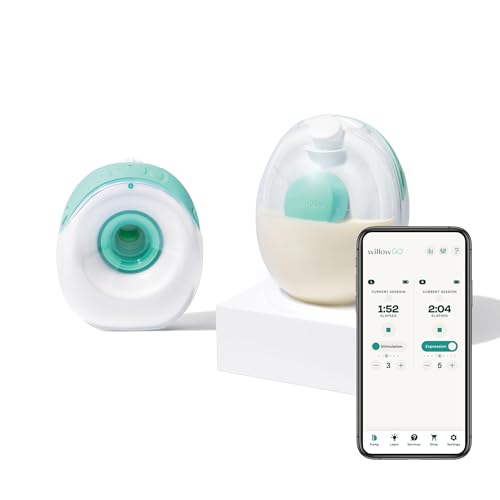 Willow Go Hands-Free Wearable Breast Pump Willow Go Hands-Free Wearable Breast Pump |
Best Wearable with App | $262 | 8.9 | Buy → |
| 3 | 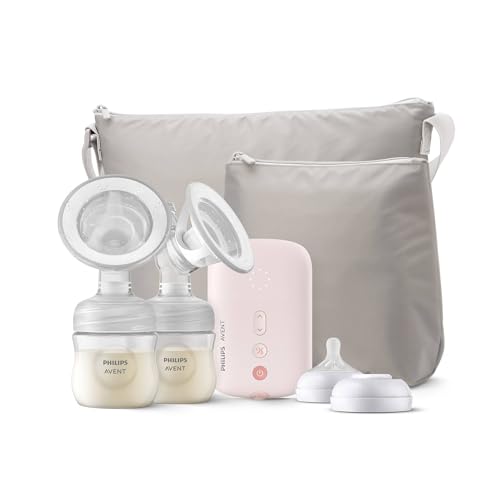 Philips Avent Double Electric Breast Pu… Philips Avent Double Electric Breast Pu… |
Best Double Electric | $199 | 8.5 | Buy → |
| 4 | 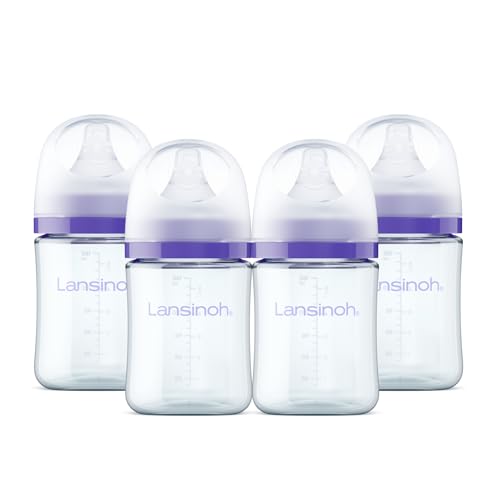 Lansinoh Anti-Colic Glass Baby Bottles … Lansinoh Anti-Colic Glass Baby Bottles … |
Best Bottles for Breastfed Babies | $49 | 8.2 | Buy → |
Showing 4 of 4 products
Elvie Pump Double Wearable Breast Pump
“The original Elvie Pump — quietest wearable pump with smart app milk tracking.”
See Today’s Price →What we like
- Quietest wearable pump available
- Smart app tracks milk volume per breast
- Compact all-in-one design
Watch out for
- Expensive
- Smaller flange sizes may not fit all moms
Read Full Analysis
Elvie Pump Double Wearable Breast Pump is the premium wearable breast pump — completely silent, cordless, and concealed within a standard nursing bra, the Elvie Pump eliminates the physical tether of hospital-grade pumps and allows pumping while working, driving, and walking around. The app tracks volume output from each breast in real time and stores session history for pattern monitoring. Against Willow Go on this page, Elvie Pump is quieter with a slimmer in-bra profile; Willow Go provides slightly higher maximum suction and is compatible with a wider range of flange sizes at a similar price point. Against Philips Avent Double Electric (traditional plug-in), Elvie Pump's wearable format provides freedom of movement that completely transforms the pumping experience for working mothers — pumping at a desk meeting rather than in a dedicated pumping room. The premium price reflects the engineering required to make a hospital-grade pump invisible and cordless. For mothers who return to work and pump regularly, the Elvie Pump's lifestyle advantage justifies the investment cost.

Willow Go Hands-Free Wearable Breast Pump
“Unique feature: pump lying down — Willow Go is the only wearable that allows this.”
See Today’s Price →What we like
- 360-degree movement including lying down
- Hospital-grade suction
- Reusable bags or containers
Watch out for
- App required for most settings adjustments
- Learning curve for proper flange fit
Read Full Analysis
Willow Go Hands-Free Wearable Breast Pump is Willow's more accessible wearable pump compared to the original Willow — the Go model uses reusable milk containers rather than proprietary collection bags, reducing ongoing consumable costs significantly. The pump fits in a standard nursing bra and operates without external tubing or cords. Against Elvie Pump, Willow Go offers slightly higher maximum suction and broader flange size compatibility at a comparable or lower price point. The app provides session tracking and pumping history. Against Philips Avent Double Electric, Willow Go's hands-free wearable format provides the complete freedom of movement that traditional pump users discover changes their pumping compliance and frequency — working parents pump more when the process isn't confined to a dedicated setup. The reusable container design eliminates the recurring bag cost that the original Willow imposed. For mothers who want wearable pump freedom at a lower entry cost than the original Willow, the Go model delivers the core wearable advantage with a more economical long-term consumable model.

Philips Avent Double Electric Breast Pump Hospital Strength
“Hospital-grade double pump with soft comfort cushion for efficient comfortable sessions.”
See Today’s Price →What we like
- Hospital-grade suction strength
- Soft cushion reduces discomfort
- Quiet motor
Watch out for
- Bulkier than wearable pumps
- Requires power outlet or battery pack
Read Full Analysis
Philips Avent Double Electric Breast Pump (Hospital Strength) is the traditional corded double pump that provides hospital-grade suction performance at a home-use price — the double electric configuration empties both breasts simultaneously, cutting pumping time in half versus single-breast pumping. The hospital-strength motor is more powerful than standard retail pumps, supporting full milk supply establishment in the newborn period. Against Elvie Pump and Willow Go wearable pumps, Philips Avent Double Electric requires a power outlet, tubing, and a fixed pumping position — but the corded design is more reliable and powerful than wearable alternatives, with fewer mechanical components that can fail. The traditional pump design is covered by insurance under the ACA, making it available at no cost for many new mothers through insurance benefits that may not extend to wearable pumps. For mothers who primarily pump at home with access to power outlets and prioritize maximum suction performance over portability, the Philips Avent Double Electric is the most cost-effective high-performance option when insurance coverage applies.

Lansinoh Anti-Colic Glass Baby Bottles 5 oz Slow Flow Nipples 4-Count
“Lansinoh glass bottles are the cleanest feeding option for parents who want to avoid plastic entirely — slow flow nipples make them ideal for breastfed babies.”
See Today’s Price →What we like
Watch out for
Read Full Analysis
Lansinoh Anti-Colic Glass Baby Bottles (5oz, Slow Flow Nipples, 4-Count) is the anti-colic bottle option for newborn and early infant feeding — the AirFree Vent draws air away from the nipple during feeding, reducing the air ingestion that contributes to colic, gas, and reflux in bottle-fed infants. Glass construction is free of BPA and plastic leaching concerns, though it adds weight and breakage risk compared to plastic alternatives. The slow-flow nipple rate is appropriate for newborns and young infants whose sucking reflex hasn't developed the speed for faster flow rates. Against breast pumps on this feeding guide page, baby bottles are the delivery vessel for pumped breast milk or formula — a different category within the same feeding ecosystem. The 5oz size is sized for newborn feeding volumes. For parents who want to minimize air ingestion during bottle feeding and prefer glass construction over plastic for early infant use, Lansinoh Anti-Colic Glass provides the vent technology and material choice in a newborn-appropriate configuration.
Frequently Asked Questions
Is formula really as good as breast milk?
How do I know if my pump is giving me enough output?
Are store-brand formulas safe and nutritious?
How many bottles do I actually need?
What is nipple confusion and how do I avoid it?
How We Analyze Products
We analyze Amazon review data — often thousands of reviews per product — to surface patterns that individual buyers miss. Our process aggregates star ratings, review counts, and buyer sentiment at scale, identifying which strengths and weaknesses appear consistently across the largest review samples available.
Each product earned its placement through data: total review volume, average rating, and the specific praise and complaints that repeat most often across buyers. No manufacturer paid for placement on this page. Products appear here because buyers endorsed them at scale, not because a company asked us to feature them.
We use AI to summarize review sentiment — not to fabricate opinions, but to condense what thousands of buyers actually wrote into a readable format. The pros and cons you see reflect the most common themes found in verified purchaser reviews, paraphrased for clarity. We do not claim to have accessed Reddit, YouTube, or specific publications in generating these summaries.
Prices shown reflect Amazon pricing at the time this page was last generated. Click “See Today’s Price” to get the current live price on Amazon. Read our full methodology →