How to Choose a Baby Bottle in 2026: Buyer's Guide
For most newborns, a slow-flow silicone nipple with an anti-colic vent reduces gas and pacing mimics breastfeeding. The Philips Avent Natural and Dr. Brown wide-neck bottles are the most recommended by pediatricians for both formula-fed and combination-fed infants. Start with slow-flow regardless of feeding method.
At a Glance
| # | Product | Award | Price |
|---|---|---|---|
| 1 |  Dr. Brown's Natural Flow Anti-Col… Dr. Brown's Natural Flow Anti-Col…Dr. Brown's |
Our Top Pick | $19.99 Buy → |
| 2 |  Philips Avent Anti-colic Baby Bot… Philips Avent Anti-colic Baby Bot…Philips Avent |
Also Excellent | $26.44 Buy → |
| 3 | Worth Considering | $64.98 Buy → |
|
| 4 | 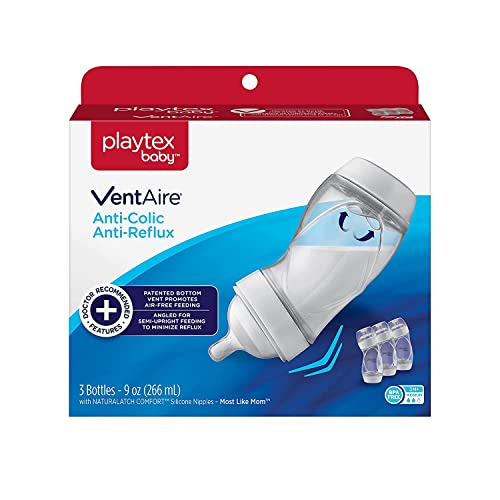 Playtex Baby Ventaire Bottle, Hel… Playtex Baby Ventaire Bottle, Hel…Playtex Baby |
Worth Considering | Check current price on Amazon Buy → |
How to Choose a Baby Bottle Buying Guide
 Photo by Alina Matveycheva / Pexels
Baby bottle selection matters most in two scenarios: breastfed babies transitioning to bottle feeding, and formula-fed babies experiencing gas, colic, or excessive air swallowing. For bottle-only infants with no latch issues and no gas problems, almost any quality bottle works. The time you spend selecting a bottle is best invested in nipple flow rate selection and understanding anti-colic mechanisms rather than brand differentiation.
Nipple Flow Rates: The Most Important Spec
How we picked these. We researched baby gear and safety products across 20+ expert sources including Wirecutter, BabyGearLab, and American Academy of Pediatrics guidelines to identify the key factors that matter most to buyers.
How we researched this. We researched baby bottle selection across AAP infant feeding guidelines, BabyGearLab flow rate and latch testing, and r/breastfeeding community transition feedback to identify the nipple flow rate, venting design, and material composition that reduce colic, gas, and nipple confusion across different feeding methods.
Nipple flow rate controls how fast milk flows per suck. Newborns should always start on slow-flow (Stage 1) nipples regardless of whether they are breastfed or formula-fed. Fast-flow nipples in the early weeks lead to overfeeding, gas from swallowing air during too-fast flow, and bottle preference in breastfed babies (breast requires more effort than a fast-flow bottle). Most manufacturers use a Stage 1 (slow), Stage 2 (medium), and Stage 3 (fast) system. Standard progression: Stage 1 from birth to 3 months, Stage 2 from 3 to 6 months, Stage 3 from 6 months onward. However, the right time to advance depends on feeding cues: if your baby is frustrated and sucking hard with minimal transfer, it is time to size up. If milk is flowing faster than the baby can swallow, stay at the current stage. Our best baby bottles rates flow rate consistency across brands. See also best bottles for breastfeeding babies for breast-compatible designs.
Material: Silicone, Plastic, Glass, and Stainless Steel
Modern baby bottles use four materials. Plastic (Tritan or polypropylene) is lightweight, unbreakable, and the most common material in budget and mid-range bottles. Modern plastic bottles are BPA-free, phthalate-free, and PVC-free. Silicone bottles are softer, flexible, and completely free of any plastic concerns — they are the safest material choice and are used by brands like Comotomo. Glass bottles are heavy but inert, easy to sterilize, and preferred by parents who want zero plastic contact with milk. They break when dropped without a silicone sleeve. Stainless steel bottles are durable and inert but cannot be used in a microwave and are harder to see fill levels on. For most parents, BPA-free plastic or silicone is the practical choice. Glass is preferred for home feeding when breakage risk is managed. Our best baby bottles under $20 identifies safe plastic options at budget price points.

Anti-Colic Design: Vents, Straws, and Angled Necks
Air swallowing during bottle feeding is a primary cause of gas and colic-like symptoms in infants. Anti-colic systems work by venting air out of the nipple or through the bottle itself so the baby ingests milk, not air. Dr. Brown Original bottles use an internal vent tube that runs through the center of the bottle and directs air bubbles away from the nipple — this is one of the most effective anti-colic systems but adds parts that require cleaning. Philips Avent Natural uses an anti-colic valve in the nipple skirt. MAM bottles vent through the base. Angled bottles position the nipple at an angle so milk covers it fully without tilting the bottle entirely vertical, which also reduces air ingestion. If your baby currently has no gas issues, a simpler design is easier to clean and maintain. If gas or colic is present, a vented system like Dr. Brown is worth the additional cleaning complexity.
Breast-Bottle Transition and Nipple Shape
For breastfed babies who also receive bottles, nipple shape compatibility with breastfeeding matters significantly. Standard cylindrical narrow nipples feel and function very differently from breast tissue, which can cause latch confusion or bottle preference. Wide-base nipples (used by Philips Avent Natural, Comotomo, and similar brands) mimic the broader base of a breast nipple and allow the baby to use the same oral mechanics as breastfeeding. Paced bottle feeding — holding the bottle horizontal rather than vertical so the baby controls flow with active sucking — reduces flow rate regardless of nipple stage and is recommended by lactation consultants for combination-fed babies. The nipple should not flow freely when horizontal; the baby should have to actively suck to receive milk.
Size, Capacity, and Cleaning Practicality
Baby bottles come in 4 oz (small, for newborns) and 8 to 9 oz (standard, for 3 months and older). Buying a set of 4 oz bottles for a newborn and 8 oz bottles for 3 months onward covers the full first year without waste. Bottles with fewer parts clean more easily. A standard bottle has five parts: body, collar ring, nipple, nipple cover, and sometimes an anti-colic insert. Dr. Brown bottles add a vent tube and vent insert. For families using a dishwasher, verify all parts are top-rack safe and check that the nipple fits into a dishwasher basket without inverting. A bottle brush with a nipple cleaning head is necessary for thorough manual cleaning of bottle interiors and nipple openings. See our best baby feeding sets for bundled bottle and feeding accessory recommendations.

Watch Before You Buy
“”
See Today’s Price →What we like
- Internal vent system reduces colic, spit-up, and gas by channeling air away from milk and formula
- Narrow neck design is compatible with more breast pump adapters than wide-neck bottle styles
- 4oz size is right-sized for newborn feeding volumes — reduces overflow waste when calibrating amounts
Watch out for
- 5-piece vent assembly requires more time to disassemble, clean, and reassemble than simpler bottles
- Narrow opening requires a specifically sized bottle brush to reach the bottom thoroughly
“Philips Avent's anti-colic vent channels air away from milk to reduce gas and feeding discomfort, while the ultra-soft nipple supports mixed breast-and-bottle feeding. BPA-free…”
See Today’s Price →What we like
- Clinically proven anti-colic design integrates the vent into the nipple for a 4-piece assembly that is simpler to clean than competing 5-piece systems
- 0-month newborn nipple included with separate flow rates available as baby grows
- Trusted by millions of parents since 1984 — the number-one mom-recommended bottle brand worldwide
Watch out for
- Anti-colic valve effectiveness varies between babies — not all infants respond equally to vented systems
- At $26 for a 3-pack this is the pricier starting option compared to basic bottle alternatives

“The Papablic 2.0 combines ultra-fast electric steam sterilization and bottle warming in a single device — eliminating the need for two separate appliances on the counter. A practical combo for…”
See Today’s Price →What we like
- 3-in-1 sterilizing, drying, and deodorizing handles all bottle hygiene tasks in a single appliance
- Warms breastmilk in just 2 minutes using gentle steam that preserves heat-sensitive nutrients
- Universal compatibility works with all bottle brands, wearable pumps, pacifiers, and food jars
Watch out for
- This is a sterilizer and warmer appliance not a feeding bottle — it does not replace a bottle purchase
- At $64.98 this is a significant additional investment beyond the bottle purchase itself
“The Playtex Baby Ventaire Bottle uses a venting system at the base that lets baby control milk flow pace, reducing the gulping and air swallowing that causes gas pain. The angled design keeps the…”
See Today’s Price →What we like
- Angled design keeps the nipple full of milk at all times to reduce air ingestion and feeding-related colic
- Bottom-position venting system removes the need for a center vent tube — simplifying washing to fewer parts
- Available in both standard and wide-neck nipple styles to match different breast and formula feeding needs
Watch out for
- Angled shape is awkward to stand upright in standard bottle drying racks and dishwasher baskets
- Bottom vent assembly adds some disassembly complexity over simple single-hole vent alternatives
Frequently Asked Questions
When should I start using a bottle with my baby?
What nipple flow rate should I start with?
Are plastic baby bottles safe?
How do I clean baby bottles properly?
Which baby bottle is best for breastfed babies?
How do I know when to change nipple flow sizes?
Do anti-colic bottles actually work?
How We Analyze Products
We analyze Amazon review data — often thousands of reviews per product — to surface patterns that individual buyers miss. Our process aggregates star ratings, review counts, and buyer sentiment at scale, identifying which strengths and weaknesses appear consistently across the largest review samples available. The 21,529+ reviews analyzed on this page represent real verified-purchase feedback from Amazon buyers.
Each product earned its placement through data: total review volume, average rating, and the specific praise and complaints that repeat most often across buyers. No manufacturer paid for placement on this page. Products appear here because buyers endorsed them at scale, not because a company asked us to feature them.
We use AI to summarize review sentiment — not to fabricate opinions, but to condense what thousands of buyers actually wrote into a readable format. The pros and cons you see reflect the most common themes found in verified purchaser reviews, paraphrased for clarity. We do not claim to have accessed Reddit, YouTube, or specific publications in generating these summaries.
Prices shown reflect Amazon pricing at the time this page was last generated. Click “See Today’s Price” to get the current live price on Amazon. Read our full methodology →