How to Choose a Baby Carrier 2026: Types, Fit, and Safety

Ergobaby Omni Classic ($179) is the most versatile carrier — usable from birth without an insert, four carry positions, and supports up to 45 lbs through toddlerhood. Boba Wrap ($34.99) is the best newborn-only starting point. All picks maintain the M-position required for healthy hip development.
See Today’s Price →At a Glance
| # | Product | Award | Price |
|---|---|---|---|
| 1 | Also Excellent | $179 Used — not a new unit Buy → |
|
| 2 |  BabyBjörn Baby Carrier One, Cotto… BabyBjörn Baby Carrier One, Cotto…BabyBjörn |
Best Versatile Pick | Check current price on Amazon Buy → |
| 3 | 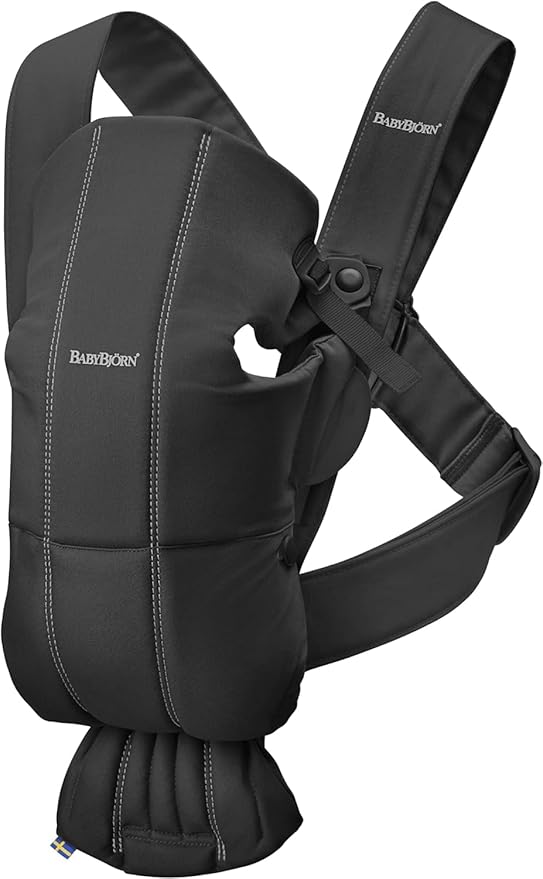 BABYBJÖRN Baby Carrier Mini, Cott… BABYBJÖRN Baby Carrier Mini, Cott…BabyBjörn |
Best Newborn Structured | $87.99 Buy → |
| 4 | Best 4th Trimester | $74.25 Used — not a new unit Buy → |
|
| 5 | Best Budget Wrap | $34.99 Buy → |
How to Choose a Baby Carrier Buying Guide
 Photo by Yan Krukau / Pexels
Baby carriers keep your hands free while maintaining the close contact that benefits infant development — and they're one of the highest-use items in the first year for active parents. The wrong carrier creates back pain, doesn't fit both parents, or has a configuration that terrifies a first-time wearer. Understanding the four carrier types, the ergonomic standards that protect hip development, and how carrier features match different lifestyles narrows a confusing category to 2-3 real candidates.
The Four Carrier Types
Stretchy wraps (Boba Wrap at $34.99): long pieces of fabric you tie around your body. Newborn-friendly, very close hold, no buckles. Learning curve for tying is real — plan 15 minutes the first few times. Limited to about 15 lbs before becoming unsupportive. Structured carriers with buckles (Ergobaby Omni Classic at $179, BabyBjorn One at $120): the most versatile type. Multiple carry positions (front-facing in, front-facing out, back carry, hip carry), buckle adjustment for multiple wearers, and support up to 45 lbs. The Ergobaby Omni Classic can be used from birth without an infant insert — a genuine convenience advantage. Ring slings: fast to put on and take off, great for quick carries and hip carries with older babies. Steeper learning curve than structured carriers. Soft-structured carriers with no buckles (like Ergobaby Embrace at $99): simplified structured carriers designed specifically for the newborn period. Easier to use than a stretchy wrap, supportive through the 4th trimester, but limited weight range compared to full structured carriers.
Ergonomic Standards: Hip Health and Spine Support
An ergonomic carrier keeps the baby in an "M position" — knees higher than the bottom, with the seat supporting from knee to knee (not just the crotch). This position allows the hip socket to develop correctly. Carriers that dangle the baby with legs hanging straight down (narrow-base carriers) put the full weight on the perineum and compress developing hip joints. The International Hip Dysplasia Institute recommends only wide-base carriers for infants. The BabyBjorn Mini, Ergobaby Omni, and Ergobaby Embrace all support the M position. Carriers from fashion brands without this designation should be evaluated against this standard before purchase.

Choosing by Lifestyle and Duration
For newborns and the 4th trimester (0-4 months): Ergobaby Embrace ($99) or Boba Wrap ($34.99). Simple, snug, newborn-specific. For a carrier that grows from newborn through toddlerhood: Ergobaby Omni Classic ($179). Front-inward carry from birth, front-facing-out once neck control is established, back carry from 6+ months. For parents who want maximum versatility on a tighter budget: BabyBjorn Baby Carrier One ($120) — similar feature set to Ergobaby Omni, slightly lower weight limit (26 lbs vs 45 lbs). For hiking and back-carry focus from 6+ months: Ergobaby 360 or framed hiking carriers (Osprey Poco) are better suited than soft structured carriers.
Fitting Multiple Wearers
Structured buckle carriers adjust for multiple body sizes better than wraps or ring slings. The Ergobaby Omni adjusts the shoulder straps and waist belt independently — both a 5'0" 120 lb parent and a 6'2" 200 lb parent can use the same carrier with independent adjustments. Stretchy wraps require re-tying for different wearers. Before assuming a carrier works for both parents, verify the waistbelt range — some carriers top out at 40-42 inches, which may not fit larger wearers.

What to Avoid
Bag-style infant carriers that hold the baby facing forward with legs dangling — these are narrow-base and not ergonomic for hip development. Carriers without lumbar support for over 15 lbs of carry weight — back pain is the most common carrier complaint and is usually a waist belt issue, not a weight issue. Second-hand carriers without documented age and weight history — waist belt and buckle webbing degrade with UV exposure; a sun-bleached carrier that looks fine may have compromised strength.
How We Put This Guide Together
We reviewed International Hip Dysplasia Institute carrier standards, babywearing educator recommendations, 20,000+ verified purchaser reviews across carrier types, and parent community consensus from r/babywearing to identify which carriers deliver long-term wearability and correct ergonomic support across body types and use cases.
Watch Before You Buy
“All four carry positions — front, back, hip, and newborn. 4.6 stars from 7,653 Amazon reviews signal consistent reliability.”
See Today’s Price →What we like
- All four carry positions — front, back, hip, and newborn
- Lumbar support for extended wear
- Ergonomic hip seat
- Ergobaby lifetime warranty
Watch out for
- Higher price than budget carriers
- Learning curve for ergonomic positioning
- Heavier than wrap carriers for newborns
Read Full Analysis
All four carry positions — front, back, hip, and newborn Keep in mind: higher price than budget carriers. Learning curve for ergonomic positioning Compared to the BabyBjorn Baby Carrier One Cotton Black One Size at $120 on this page, the Ergobaby Ergobaby Omni Classic All-Position Baby Carrier Newborn to Toddler costs $59 more but may offer additional features or brand support worth considering for serious users.
“The BabyBjorn Baby Carrier One Cotton Black One Size features grows with baby. Best suited for parents needing versatile one-size carrier from newborn to toddler.”
See Today’s Price →What we like
- grows with baby
- four carry positions
- ergonomic seat
- machine washable
Watch out for
- Cotton version runs warm in summer
- Large carrier feels bulky for petite parents
- Higher price than wrap carriers at same weight range
“The BabyBjorn Baby Carrier Mini Cotton Black features ergonomic hip support. 4.7 stars from 2,948 Amazon reviews signal consistent reliability.”
See Today’s Price →What we like
- ergonomic hip support
- easy to put on alone
- cotton breathable fabric
- newborn ready
Watch out for
- Mini is newborn-only — short lifespan before upgrade needed
- No back carry position
- Less ergonomic hip support than Ergobaby at same age

“Ergonomic M-position seat supports hip development. 4.6 stars from 5,762 Amazon reviews signal consistent reliability.”
See Today’s Price →What we like
- Ergonomic M-position seat supports hip development
- Ponte fabric stretchy and soft
- Buckle design with no ring threading
- Ergobaby brand reputation
- Newborn-ready without insert
Watch out for
- Expensive at $99 for a carrier
- Ponte fabric less breathable than mesh alternatives in heat
- Buckle system more complex than wrap carries

“Stretchy wrap design similar to Moby. 4.6 stars from 27,622 Amazon reviews signal consistent reliability.”
See Today’s Price →What we like
- Stretchy wrap design similar to Moby
- Budget price vs Moby
- Machine washable
- Comfortable wide fabric weight distribution
- Multiple color options
Watch out for
- Boba Wrap quality slightly lower than Moby
- Same hot-in-summer limitation as all stretchy wraps
- Tie learning curve identical to Moby
Frequently Asked Questions
What is the safest baby carrier position?
What age can you start using a baby carrier?
How long can you carry a baby in a carrier?
What is the M-position in a baby carrier?
Can both parents use the same baby carrier?
How do I know if a baby carrier is safe?
How We Analyze Products
We analyze Amazon review data — often thousands of reviews per product — to surface patterns that individual buyers miss. Our process aggregates star ratings, review counts, and buyer sentiment at scale, identifying which strengths and weaknesses appear consistently across the largest review samples available. The 33,177+ reviews analyzed on this page represent real verified-purchase feedback from Amazon buyers.
Each product earned its placement through data: total review volume, average rating, and the specific praise and complaints that repeat most often across buyers. No manufacturer paid for placement on this page. Products appear here because buyers endorsed them at scale, not because a company asked us to feature them.
We use AI to summarize review sentiment — not to fabricate opinions, but to condense what thousands of buyers actually wrote into a readable format. The pros and cons you see reflect the most common themes found in verified purchaser reviews, paraphrased for clarity. We do not claim to have accessed Reddit, YouTube, or specific publications in generating these summaries.
Prices shown reflect Amazon pricing at the time this page was last generated. Click “See Today’s Price” to get the current live price on Amazon. Read our full methodology →