How to Choose a Diaper in 2026: Buyer's Guide
For most families, Pampers Swaddlers for newborns and Huggies Little Movers for mobile babies is the standard starting recommendation — both brands have decades of proven performance. But fit is individual: buy small quantities of multiple brands before committing to a large pack.
How to Choose a Diaper Buying Guide
The diaper category looks commoditized — a rectangle of absorbent material that does one job. But absorbency differences, leg cuff design, waistband elasticity, and material composition create real performance differences that matter when you are changing 10 diapers per day.
Disposable vs. Cloth Diapers
Disposable diapers are the practical default for most families — no laundering, simple to use for caregivers and daycare providers, and increasingly available in more eco-friendly versions. They produce significant landfill waste (~3-4% of all US landfill content). Cloth diapers have a higher upfront cost ($200-500 for a full set) but dramatically lower per-use cost over a child's diapering years. Modern cloth diapers (pocket diapers, all-in-ones, fitted with covers) are far simpler than the pin-and-cover systems of previous generations. The trade-off is a laundry routine (every 2-3 days), daycare compatibility issues (many daycares require disposable), and more attention to fit adjustments as babies grow. Both options work — the right choice depends on your household's tolerance for laundry versus landfill cost. For hybrid households, cloth at home and disposable for outings is a common compromise.
Brand Differences That Actually Matter
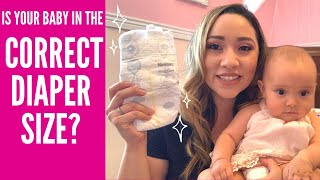
The two dominant brands — Pampers and Huggies — have real design differences. Pampers Swaddlers (newborn stage) have a softer inner liner and the Wetness Indicator (blue line that turns yellow when wet) valued in early weeks. Pampers Pure are fragrance-free with fewer chemicals. Huggies Little Snugglers for newborns have a stretchy waistband and contoured fit some parents prefer. Huggies Little Movers for mobile babies have double leak guards and a more elastic fit that moves well. Brand preference is highly individual and often baby-specific — a diaper that leaks on one baby fits perfectly on another. See Huggies vs Pampers for a detailed comparison. Generic and store brands (Kirkland at Costco, Amazon Elements, Target Up&Up) have significantly improved in quality and offer 30-40% savings. See also Pampers vs Honest Company.
Getting the Fit Right: The Most Critical Factor
Diaper leaks are almost always a fit problem, not a brand problem. Key fit checkpoints: the leg cuffs should be pulled out (not tucked in) and sitting flush against the leg with no gaps. The waistband should be snug enough to fit two fingers but not tight. The diaper should cover the belly button. Size up when your baby's weight approaches the top of the current size range — don't wait for leaks to tell you. Front indicators (for closure placement) are a rough guide; fit is the real test. Wide babies often fit Huggies better; longer babies often fit Pampers better. Try a small pack of a different brand before concluding a brand doesn't work — sometimes a simple size adjustment resolves leak issues without changing brands.
Overnight Diapers

Standard daytime diapers are designed to be changed every 2-3 hours. Overnight diapers have additional absorbency layers designed for 10-12 hours of wear. Huggies Overnites and Pampers Baby Dry are the standard overnight options. If your baby is waking up wet in the morning, switch to a dedicated overnight diaper rather than sizing up in the daytime diaper (sizing up causes fit problems during the day). Doubling up diapers at night is not recommended — it causes leg cuff bunching that creates leak channels.
Diaper Rash: Causes and Prevention
Diaper rash is caused by prolonged skin contact with moisture (primarily) and friction (secondarily). The most effective prevention is frequent diaper changes — never let a wet or soiled diaper sit for more than 2-3 hours. At every diaper change, allow air contact for 1-2 minutes before fastening the new diaper. Barrier cream (zinc oxide) prevents moisture contact with the skin — apply a thin layer at each change for babies prone to rash. Heavy-scented diapers can trigger contact dermatitis in sensitive babies — switch to fragrance-free options. See best diaper rash creams and best diaper pails for accessories.
Eco-Friendly Diaper Options

If environmental impact matters to your family, several options exist. Seventh Generation, Honest Company, and Kudos (partially cloth-based) offer diapers with fewer chemicals, plant-based materials, and more recyclable components than standard disposables. Compostable diapers (Eco by Naty, Earth's Best) exist but require industrial composting facilities — home composting of diapers is not recommended. Cloth diapers have the lowest overall environmental impact when washed in full loads with cold water. See Pampers vs Seventh Generation for an eco-focused comparison.
At a Glance
| # | Product | Award | Price |
|---|
Frequently Asked Questions
Pampers or Huggies — which diaper brand is better?
When should I size up in diapers?
What is causing my baby's diaper to leak?
Are store brand diapers as good as name brands?
How many diapers does a newborn use per day?
What causes diaper rash and how do I treat it?
Are overnight diapers worth using?
How We Analyze Products
We analyze Amazon review data — often thousands of reviews per product — to surface patterns that individual buyers miss. Our process aggregates star ratings, review counts, and buyer sentiment at scale, identifying which strengths and weaknesses appear consistently across the largest review samples available.
Each product earned its placement through data: total review volume, average rating, and the specific praise and complaints that repeat most often across buyers. No manufacturer paid for placement on this page. Products appear here because buyers endorsed them at scale, not because a company asked us to feature them.
We use AI to summarize review sentiment — not to fabricate opinions, but to condense what thousands of buyers actually wrote into a readable format. The pros and cons you see reflect the most common themes found in verified purchaser reviews, paraphrased for clarity. We do not claim to have accessed Reddit, YouTube, or specific publications in generating these summaries.
Prices shown reflect Amazon pricing at the time this page was last generated. Click “See Today’s Price” to get the current live price on Amazon. Read our full methodology →