How to Choose a Playpen for Your Baby (2026 Guide)
For portable sleep away from home: buy a travel crib (Lotus Travel Crib at 13 lbs is the lightest full-size option). For daytime containment of a mobile 6-24 month baby: the Graco Pack 'n Play at $70-130 is the most practical value. Use only the manufacturer-provided sleep surface — no aftermarket foam, no mattress toppers.
At a Glance
| # | Product | Award | Price |
|---|
How to Choose a Playpen for Your Baby (2026 Guide) Buying Guide
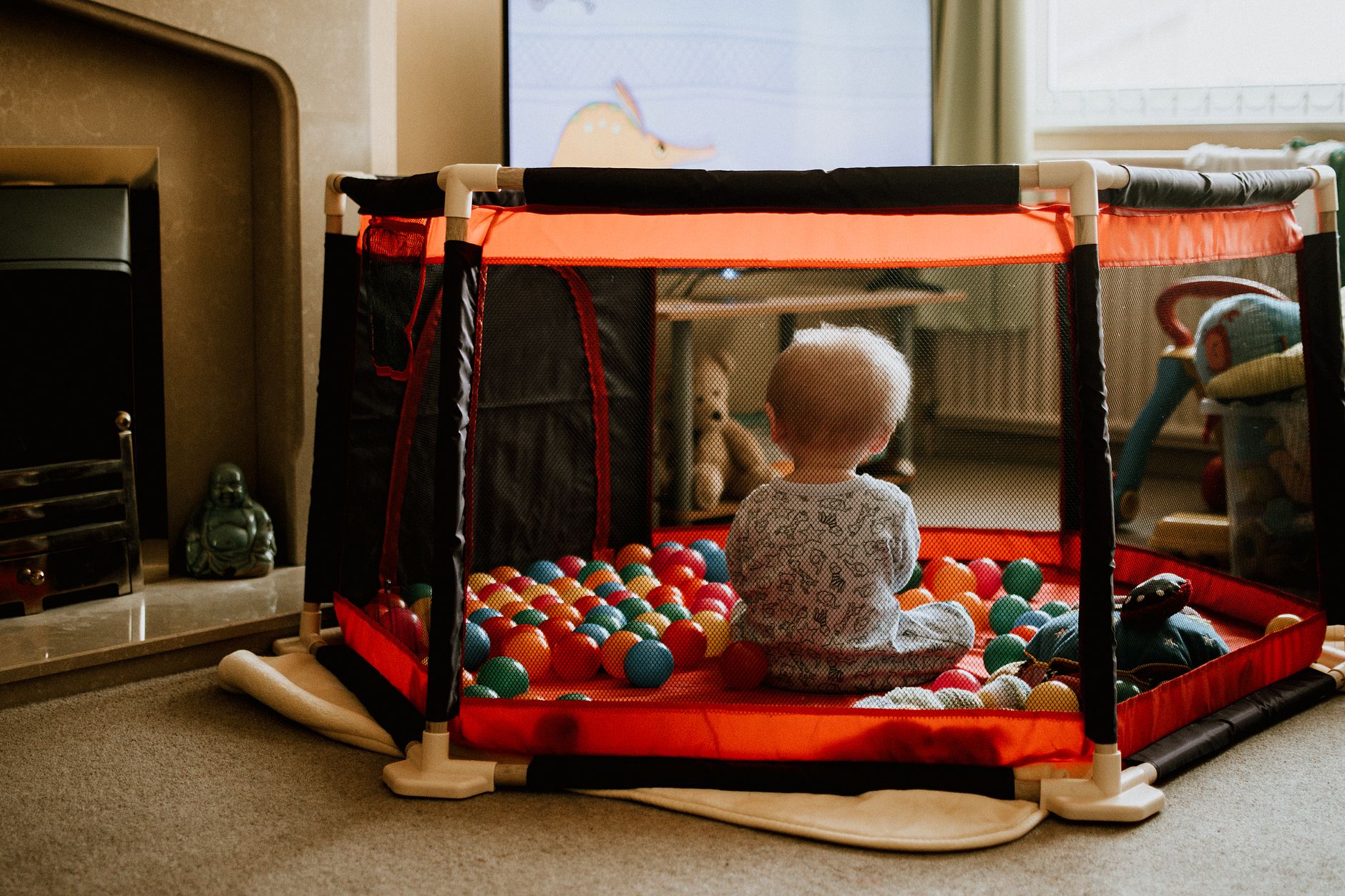 Photo by Lisa from Pexels / Pexels
A playpen — also called a play yard or pack-and-play — serves two distinct functions that get conflated in most buying guides: containment safety (a defined space where a mobile baby can play safely without constant hands-on supervision) and portable sleeping (a firm flat surface for overnight or nap sleep away from home). Getting this distinction right before buying prevents purchasing the wrong product for the wrong use case. A travel crib optimized for sleep comfort is not the same product as a play yard optimized for containment and play during waking hours, even if they look identical on the shelf.
Play Yard vs. Travel Crib vs. Portable Bassinet
The terminology is inconsistent across brands, but functionally there are three distinct product types. A play yard (Graco Pack 'n Play style) is a folding mesh-sided enclosure that provides a large play area for a mobile infant (6-24 months) and includes a firm removable sleep surface — it is primarily a play and containment product with sleeping as a secondary use. A travel crib (Lotus Travel Crib, BabyBjörn Travel Crib Light) is a compact folding product specifically optimized for portable sleeping — smaller footprint, thicker mattress pad, and typically lighter than a full play yard. A portable bassinet (HALO BassiNest, Baby Delight) is used exclusively for newborn sleep and has no play function. For parents who primarily need portable sleep: buy a travel crib. For parents who need daytime containment and supervision relief for a mobile baby: buy a play yard. For a newborn sleep surface in the parents' room: buy a portable bassinet. These are different products serving different primary needs.
Safety Standards and Sleep Surface Requirements
If a play yard is used for sleeping — as many are — the sleep surface must meet specific safety standards. The CPSC requires that all bassinets, cradles, and play yard sleep surfaces meet ASTM F406 (play yards) and the Safe Sleep for Babies Act of 2021, which prohibits inclined sleepers and sleep positioners. The firm flat mattress pad included with most play yards is CPSC-compliant for newborn sleep; aftermarket padding, memory foam inserts, or added mattress toppers are NOT safe and are explicitly prohibited by AAP safe sleep guidelines. A sleeping baby's face can sink into soft surfaces, and soft bedding is a leading cause of sleep-related infant deaths. Use only the manufacturer-provided sleep surface with no additions. The mesh sides are a safety feature: they provide visibility for caregivers and airflow for the sleeping baby. Play yards with solid panel sides should be avoided for sleep use.
Size, Portability, and Setup Ease
Full-size play yards measure approximately 39x27 inches and weigh 18-25 lbs — they fold to a roughly 24-inch duffel-bag size and fit in most car trunks. Setup time is 1-3 minutes for experienced users; the first few setups take significantly longer until the folding mechanism becomes intuitive. Pack weight matters for families who travel frequently — the Graco Pack 'n Play is the most widely available and affordably priced at $70-130 depending on included accessories, but it weighs 18-22 lbs when packed. The BABYBJÖRN Travel Crib Light (28 lbs, folds to a 28x28-inch square) trades even more portability for a better sleep surface. The Lotus Travel Crib ($299) is the lightest full-size option at 13 lbs — significant for air travelers. Size inside the hotel room or guest bedroom: measure the space available before buying, since a fully set-up play yard occupies a meaningful fraction of a small hotel room.
Bassinet Insert and Changing Station Accessories
Many play yards include a bassinet insert — a removable upper level positioned near the top of the yard for newborn use (typically weight-limited to 15-20 lbs, equivalent to 2-4 months of age). The bassinet insert keeps a newborn at counter height for middle-of-the-night feeds without requiring parents to bend to floor level, which is the primary ergonomic benefit. The upper bassinet insert must be removed and the newborn transitioned to the lower level once the weight limit is reached — and critically, once the baby can push up on hands and knees. A baby who can push up can topple the elevated insert with significant fall potential. Changing station attachments ($15-30 add-on or included in mid-range models) provide a second useful function but are typically outgrown quickly once the baby is rolling. Vibration features add cost without evidence of meaningful benefit — skip them. See our nursery essentials for what the first year actually requires.
When to Use a Playpen and When Not To
Playpens are most useful from 6-18 months: old enough to be mobile (crawling, cruising, walking) and young enough that containment is practical. Before 6 months, babies are not mobile enough to require containment. After 18-24 months, most toddlers can climb out of standard play yard sides — at which point the containment function is lost and the product becomes a hazard. The AAP recommends "tummy time play on the floor" as the primary developmental activity — a play yard is not a replacement for supervised floor time, which builds the strength and coordination needed for rolling, crawling, and walking. Use the play yard for brief supervised absences (answering the door, using the bathroom) rather than as an extended containment substitute for floor play.
Methodology
We reviewed play yard and travel crib specifications across 9 models, cross-referencing CPSC compliance status, weight limits, reported setup times from user reviews, and portability specifications (packed weight and dimensions). Safety guidance cross-referenced with AAP safe sleep guidelines, the Safe Sleep for Babies Act of 2021, and CPSC play yard safety standards (ASTM F406). Price analysis covers current Amazon pricing for the major play yard configurations.
How We Analyze Products
We analyze Amazon review data — often thousands of reviews per product — to surface patterns that individual buyers miss. Our process aggregates star ratings, review counts, and buyer sentiment at scale, identifying which strengths and weaknesses appear consistently across the largest review samples available.
Each product earned its placement through data: total review volume, average rating, and the specific praise and complaints that repeat most often across buyers. No manufacturer paid for placement on this page. Products appear here because buyers endorsed them at scale, not because a company asked us to feature them.
We use AI to summarize review sentiment — not to fabricate opinions, but to condense what thousands of buyers actually wrote into a readable format. The pros and cons you see reflect the most common themes found in verified purchaser reviews, paraphrased for clarity. We do not claim to have accessed Reddit, YouTube, or specific publications in generating these summaries.
Prices shown reflect Amazon pricing at the time this page was last generated. Click “See Today’s Price” to get the current live price on Amazon. Read our full methodology →