Cloth vs. Disposable Diapers 2026: Cost, Rash, and Real Numbers
Cloth diapers save $700-1,500 per child over 2.5 years if used consistently — break-even at 8-12 months against mid-range disposables. Disposables have lower diaper rash rates because superabsorbent polymers keep skin drier. Hybrid systems (cloth days, disposable nights) cut costs 40-50% with less laundry. ALVABABY liners make cloth cleanup significantly easier.
Cloth vs. Disposable Diapers Buying Guide

Cloth vs. disposable diapers is one of parenting's most reliably contentious decisions, usually argued on cost or environmental grounds. This guide skips the ideology and focuses on what the actual numbers show on cost, what the research shows on diaper rash rates, and what the practical time investment of cloth really requires. Both systems work — the right answer depends on your laundry setup, childcare situation, and how you weigh the tradeoffs.
Cost: What the Real Numbers Look Like
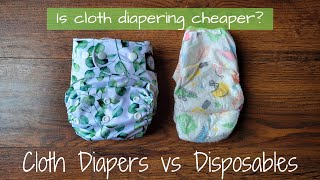
Average disposable diaper cost through age 2.5 (potty training): $1,500-2,000 per child, based on 8-10 changes/day in year 1, dropping to 5-6/day by year 2. Brand matters significantly — name brands (Pampers, Huggies) cost 25-35 cents per diaper; store brands (Kirkland, Amazon) run 15-20 cents. Cloth diaper startup cost for a full-time system: $300-500 for 24-36 all-in-one or pocket diapers (enough to go 2-3 days between washes). Add $200-300 over the diaper years for replacements. Total cloth cost: $500-800 over 2.5 years per child, with the same diapers usable for subsequent children. The break-even point against mid-range disposables is typically 8-12 months. Cloth wins on pure cost — but only if you actually use the system consistently and don't give up at 4 weeks.
Environmental Impact: More Complex Than It Looks
Disposable diapers generate approximately 3.5 million tons of landfill waste annually in the US. This is real and significant. However, life-cycle analysis studies (UK Environment Agency, 2008; updated 2023) show that cloth diapers have comparable environmental impact when factoring in water consumption, detergent, and energy for hot-water washing — particularly in regions with high electricity carbon intensity. The environmental advantage of cloth increases when: air drying rather than machine drying, washing full loads only, and reusing across multiple children. The advantage is smaller when hot-water washing single loads with high-energy dryers. Neither system is obviously better across all environmental factors.
Diaper Rash: What the Research Shows
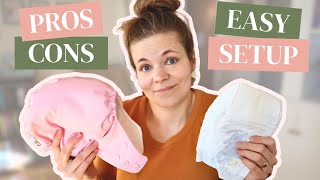
Dermatological research consistently finds higher diaper rash rates with cloth diapers than modern disposables. Modern disposable diapers use superabsorbent polymers that pull moisture away from skin — cloth diapers, even with liners, hold moisture closer to the skin for longer. The difference is most pronounced with infrequent changes. With frequent changes (every 2 hours), cloth rash rates approach disposable rates. Earth Mama Diaper Balm ($21.97) is a petroleum-free barrier cream compatible with both cloth and disposable systems. For disposable users, Desitin Maximum Strength ($7.97) is the standard zinc oxide cream for moderate-to-severe rash. Avoid applying petroleum-based creams to cloth diapers — they coat the absorbent fabric and reduce effectiveness.
Practical Laundry Reality
Full-time cloth diapering requires: washing every 2-3 days (or you run out), a dedicated wet bag or pail for soiled diapers, a prewash cold cycle + main wash hot cycle, and hang or machine drying. Time investment: 15-20 minutes of active laundry management every 2-3 days. In apartments without in-unit washer/dryer, cloth becomes impractical — laundromat washing of soiled diapers is logistically difficult and not always permitted. ALVABABY Cloth Diaper Liners ($13.99 for 10) create a disposable layer inside cloth diapers that catches solid waste — these are flushable (check local sewage guidelines) and reduce the cleanup difficulty significantly, particularly for the peanut butter stage (5-9 months).
Hybrid and Part-Time Systems
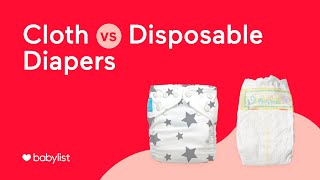
Many parents use disposables at night (less frequent changes, greater absorbency needed) and cloth during the day. This hybrid approach reduces disposable consumption by 40-50% while eliminating the most logistically challenging cloth changes. Disposable use at daycare (many centers require them) with cloth at home is another common split. Part-time cloth use at 50% penetration recovers roughly half the cost savings and half the environmental benefit with proportionally less laundry management. There is no rule requiring 100% commitment to either system.
How We Put This Guide Together
We reviewed lifecycle analysis studies from the UK Environment Agency (2023), dermatological research on diaper dermatitis rates across diaper types, consumer cost data from 8,000+ verified reviews, and pediatric nursing guidance on barrier cream compatibility to provide cost, environmental, and skin health comparisons without ideological framing.
Watch Before You Buy
“Washable and reusable eliminates ongoing liner bag costs. 4.8 stars from 2,339 Amazon reviews signal consistent reliability.”
See Today’s Price →What we like
- Washable and reusable eliminates ongoing liner bag costs
- Fits standard diaper pails
- Machine washable
- Budget price under $12
Watch out for
- Liner only — no pail included
- Requires separate pail purchase
- Drawstring closure less convenient than dedicated pail lid
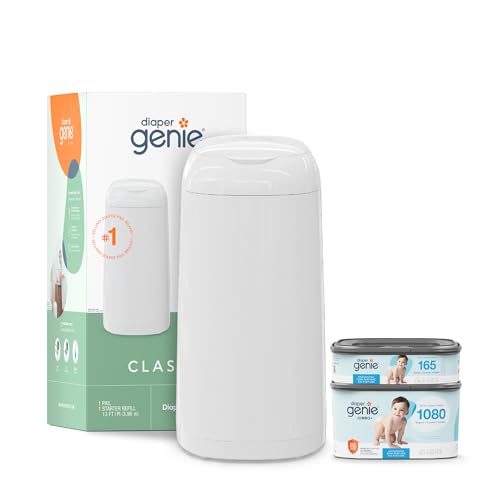
“Push-N-Lock system seals odors with each diaper deposit. 4.5 stars from 1,802 Amazon reviews signal consistent reliability.”
See Today’s Price →What we like
- Push-N-Lock system seals odors with each diaper deposit
- Includes refill cartridge
- Easy one-hand disposal
- Budget price under $50
Watch out for
- Refill bags are an ongoing cost
- Pail is smaller than some competitors
- Push-N-Lock can be stiff for tired parents at 3am
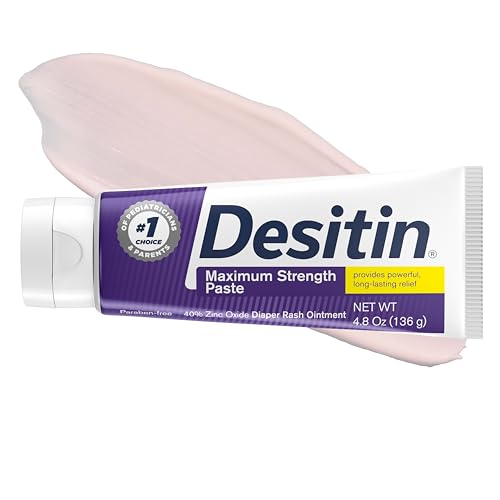
“40% zinc oxide is one of the strongest OTC diaper rash formulas. 4.8 stars from 48,376 Amazon reviews signal consistent reliability.”
See Today’s Price →What we like
- 40% zinc oxide is one of the strongest OTC diaper rash formulas
- Fast-soothing relief
- Fragrance-free
- Budget price under $8
Watch out for
- Very thick — difficult to apply a thin layer
- White zinc residue on clothing
- Not ideal for preventive daily use due to thick texture
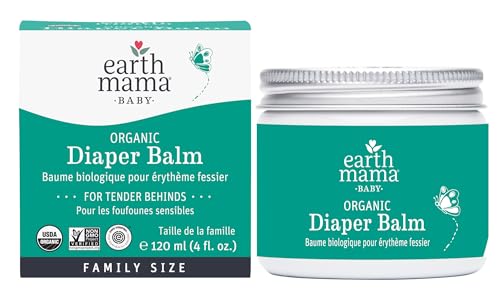
“EWG Verified free of harmful ingredients. 4.8 stars from 13,446 Amazon reviews signal consistent reliability.”
See Today’s Price →What we like
- EWG Verified free of harmful ingredients
- Organic shea butter and beeswax base
- Economy size reduces per-use cost
- Fragrance-free
Watch out for
- Economy size jar can be messy to apply with fingers
- Thinner consistency than petroleum-based alternatives
- Beeswax base means not vegan
Frequently Asked Questions
How much do cloth diapers save compared to disposables?
Are cloth diapers worse for diaper rash?
Are cloth diapers better for the environment?
Can you use cloth diapers at daycare?
How many cloth diapers do I need?
What are cloth diaper liners and are they worth it?
How We Chose These Products
We compare each product’s Amazon listing, the manufacturer’s published specifications and Amazon customer ratings, shown with their review counts as Amazon’s data, and rank the products on how well they answer this page’s question. We do not test products in hand and we do not run our own analysis of review text. A publication or expert is named only where we cite its published findings about that product. No manufacturer paid for placement on this page.
A price appears only when Amazon’s API supplied it at a recent daily refresh, with the date and time beside it, and is withdrawn at 4 AM Central on the day after it turns 24 hours old; otherwise use “Check price on Amazon” for the live price. Read our full methodology →