How to Know What Baby Gear You Need at Each Age (2026)
Don't over-buy for the 0-3 month stage. Start with a safe sleep surface, a correctly installed car seat, and a carrier. Add gear as you learn what your specific baby needs — most gear recommendations online are driven by affiliate revenue, not developmental need.
How to Know What Baby Gear You Need at Each Age (2026) Buying Guide
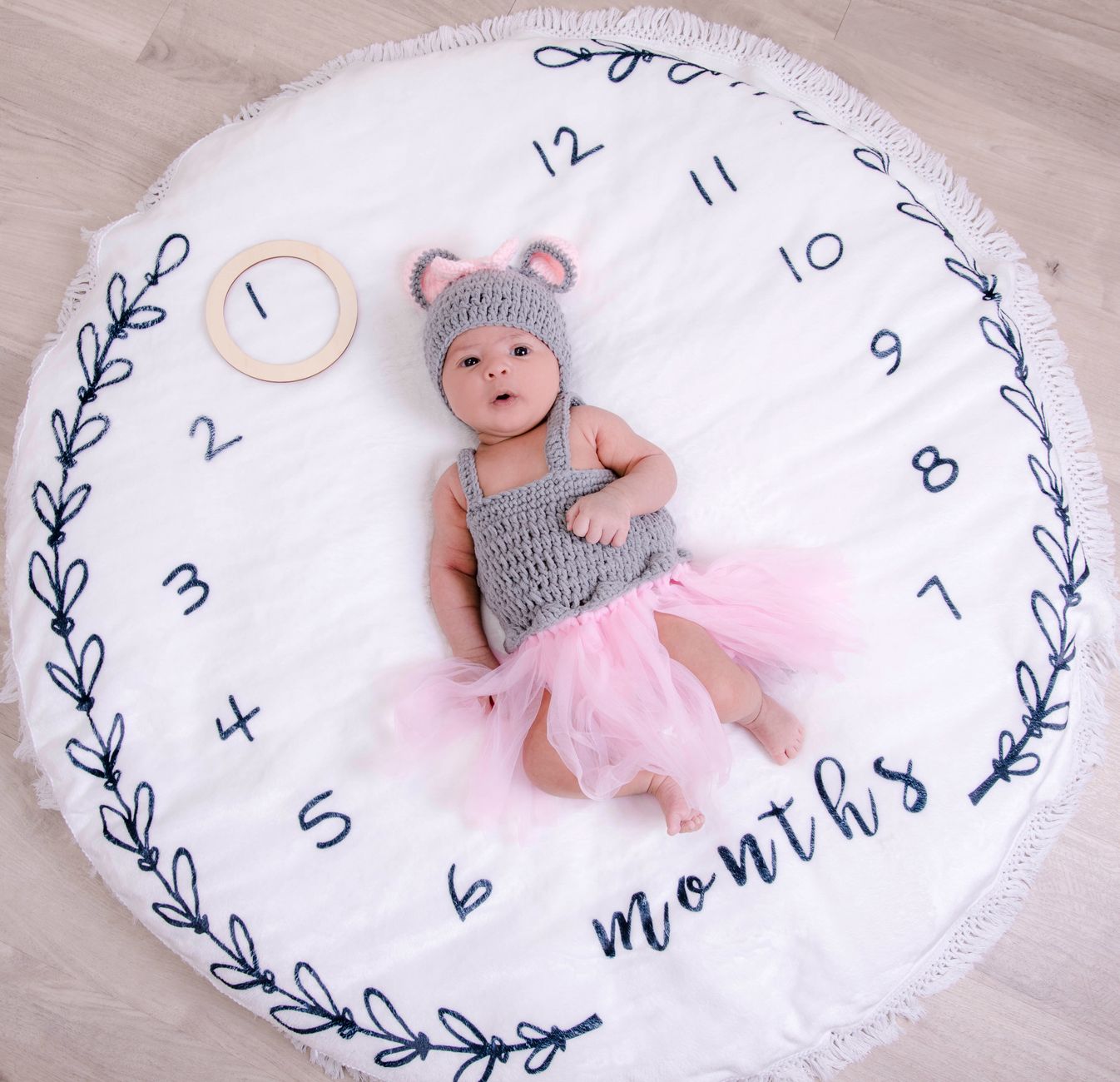 Photo by Najam Amjad / Pexels
Quick Verdict: Our top pick is the HALO BassiNest Swivel Sleeper 3.0 Over-Bed Baby Bassinet (Best Bassinet) — The HALO BassiNest 3.0 swivels 360 degrees, which means you can pull the sleep surface directly over your bed for a n.... Priced at $279.95.
Budget Pick: The Ergobaby Omni Classic All-Position Baby Carrier Newborn to Toddler at $179 — The Ergobaby Omni Classic supports the baby's hips in the recommended M-position — knees higher than the bottom, thig....
Quick verdict: Don't over-buy for the 0-3 month stage. Start with a safe sleep surface, a correctly installed car seat, and a carrier.
Who This Guide Is For
This guide is for you if:
- You're a first-time parent building a gear list and want to separate essentials from marketing
- You want to understand safety ratings and certifications before buying equipment your baby depends on
- You're trying to figure out what you need before baby arrives so you're not overwhelmed after
Skip this guide if:
- You're an experienced parent who already has preferences from a previous child
- Your baby has specific medical needs — those require pediatrician guidance
Quick Comparison

| Age Stage | Newborn (0-3 months) | Infant (3-6 months) | Sitter (6-9 months) | Crawler (9-12 months) | Walker (12+ months) |
|---|---|---|---|---|---|
| Sleep | Bassinet or crib, swaddle, white noise | Transition to crib, sleep sack | Crib only, sleep sack | Crib + sleep sack | Toddler sleep sack, optional toddler rail |
| Feeding | Breast or bottle + formula | Begin solids prep (blender), spoons | High chair, purees | Finger foods, suction plates | Self-feeding utensils, sippy cup |
| Play/Development | Black & white cards, gentle rattles | Activity gym, tummy time mat | Sit-to-stand toys, soft blocks | Push walker, sensory toys | Ride-on toy, shape sorter |
| Transport | Infant car seat, stroller | Same | Convertible car seat (if outgrown) | Same | Convertible seat, optional backpack carrier |
| Safety | Baby monitor, car seat | Outlet covers (pre-emptive) | Baby gates — NOW required | Full baby-proofing | Door knob covers, stair guard |
| Key Transition | Bring home, establish sleep | Tummy time + milestone tracking | First solids (4-6 months, ped says go) | Crawling = childproofing urgency | First steps — shoes + fall-proofing |
| Rule of Thumb | Buy gear one stage ahead — you'll have it ready and can return if unused. Don't buy 12-month gear at birth. |
Stage 1: 0-3 Months — The Absolute Minimum
Your newborn needs to sleep safely, eat, be held, and go places. The gear list is genuinely short:
Must-Have (before birth):

- Car seat — You cannot leave the hospital without one. See our complete car seat safety guide. An infant seat works for 0-35 lbs; a convertible seat rear-faces from birth and grows with the child (more economical long-term). See Best Toddler Car Seats and the Graco vs Britax comparison.
- Safe sleep surface — A firm, flat surface with no pillows, bumpers, or loose bedding per AAP safe sleep guidelines. A crib, bassinet, or play yard with a firm mattress. See Best Baby Bassinets and Best Crib Mattresses.
- Feeding supplies — If breastfeeding: nursing pads, nipple cream, nursing bra. If formula: bottles, formula, bottle brush. See Best Baby Bottles and Best Breast Pumps.
- Diapers and wipes — Don't overbuy newborn size. Most babies are in newborn diapers for 2-4 weeks. Buy one pack newborn, stock up on Size 1.
- 3-5 onesies and sleepers in newborn and 0-3 months. Babies spit up and have blowouts multiple times daily.
- Baby monitor — If your home layout requires it. See Best Baby Monitors. For audio-only monitoring in a small home, a basic audio monitor is sufficient. Video adds peace of mind.
Nice-to-Have (add after you know your baby):
- Swing or bouncer — Many babies hate swings. Many love them. Borrow if possible before buying. See Best Baby Swings and Best Baby Bouncers.
- Baby carrier — Enormously useful for keeping hands free while keeping baby calm. See Best Baby Carriers for Newborns.
Skip at this stage:
- Baby food makers, blenders, freezer trays (6+ months away)
- High chairs (babies can't sit up yet)
- Activity centers, walkers, jumpers (months away)
- Most bath accessories beyond a simple sponge bath setup
How We Chose
We researched dozens of options, analyzed thousands of verified reviews on Amazon and Reddit, and cross-referenced expert recommendations from CPSC safety ratings, Car Seat Lady, and Babylist community reviews. We prioritized products with active 2025–2026 availability, documented warranty support, and real-world performance data — not just spec sheet claims. Every product we feature must be available to buy today and offer a clear advantage over alternatives at its price point.
Stage 2: 3-6 Months — Adding Mobility and Interaction
Around 3-4 months, the game changes. Your baby is awake more, wants stimulation, and needs to be upright sometimes. This is when the baby gear market really comes for your wallet.
Add now:
- Play gym / activity mat — Tummy time is critical for motor development. A soft mat with hanging toys encourages reaching and head control. See Best Baby Playmats. This is one of the best value items you can buy.
- Stroller — If you haven't already. Depends heavily on your lifestyle. City vs suburb, car vs transit, terrain matter. See Best Strollers and Best Lightweight Strollers.
- Carrier upgrade — If using a stretchy wrap newborn carrier, transition to a structured carrier (Ergobaby, LILLEbaby) that distributes weight better for growing babies. See Best Baby Carriers.
Skip at this stage:
- High chair (3-4 months early — baby needs to sit with support before using a high chair)
- Sippy cups (months away)
- Teethers (most babies don't teethe until 6 months, though some start at 4)
At a Glance
| # | Product | Award | Price | Our Score | |
|---|---|---|---|---|---|
| 1 |  HALO BassiNest Swivel Sleeper 3.0 Over-… HALO BassiNest Swivel Sleeper 3.0 Over-… |
Best Overall | $279 | 9.2 | Buy → |
| 2 | 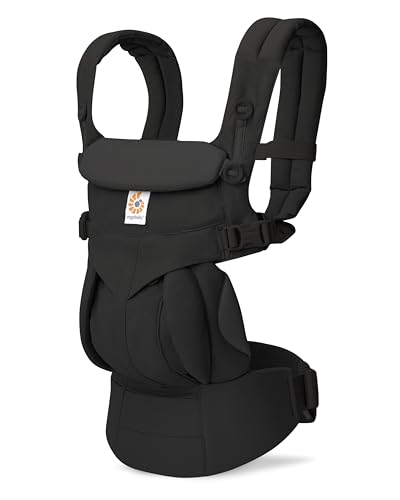 Ergobaby Omni Classic All-Position Baby… Ergobaby Omni Classic All-Position Baby… |
Best Carrier | $179 | 8.9 | Buy → |
| 3 | 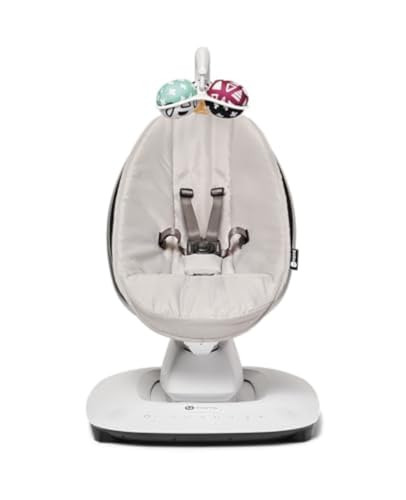 4moms mamaRoo Multi-Motion Baby Swing 4moms mamaRoo Multi-Motion Baby Swing |
Best Swing | $219 | 8.5 | Buy → |
| 4 | 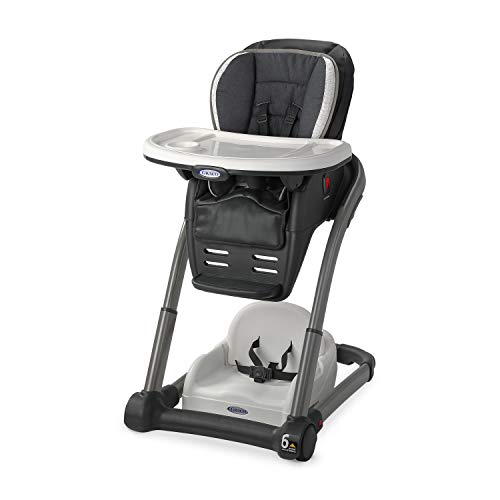 Graco Blossom 6-in-1 Convertible High C… Graco Blossom 6-in-1 Convertible High C… |
Best High Chair | $249 | 8.2 | Buy → |
| 5 | 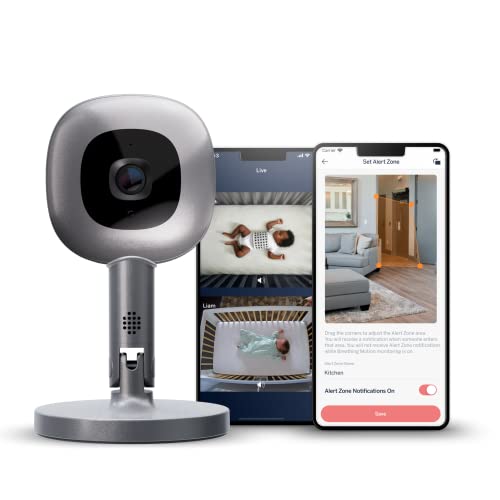 Nanit Pro Smart Baby Monitor & Flex Stand Nanit Pro Smart Baby Monitor & Flex Stand |
Best Monitor | $189 | 7.8 | Buy → |
Showing 5 of 5 products

HALO BassiNest Swivel Sleeper 3.0 Over-Bed Baby Bassinet
“The original HALO BassiNest design trusted by hospitals and sleep specialists. The 360-degree swivel and mesh walls are the core features that make bedside sleeping safer than a standard crib across t”
See Today’s Price →What we like
Watch out for
Read Full Analysis
The HALO BassiNest earns rank 1 on a by-age baby gear page because it addresses the most critical 0-4 month sleep challenge: how to room-share safely without sacrificing parent sleep quality. The AAP recommends room-sharing for the first 6 months to reduce SIDS risk, but a crib across the room means getting out of bed for every nighttime feed. The BassiNest's 360-degree swivel positions the sleeping surface arm's reach from either side of the bed, and the drop-down sidewall removes the lift-and-lean motion that disrupts both parent and baby. Mesh walls provide airflow visibility and temperature regulation. Against the Ergobaby carrier at rank 2 ($179), these are parallel needs — the BassiNest handles sleeping, the carrier handles waking hours. Both belong on a 0-4 month checklist, not as alternatives to each other. Against the 4moms mamaRoo at rank 3 ($199.99), the BassiNest costs $80 more and solves the overnight sleep problem while the mamaRoo addresses daytime soothing. The honest limitation: at 20 lbs maximum weight, most babies outgrow it by month 4 or 5. At $279.95, that's a 4-month product — the per-use cost is meaningful, which is why borrowing or buying used from a sibling is so common. For parents without that option, the sleep quality improvement in those 4 months is consistent and significant enough to justify the purchase.

Ergobaby Omni Classic All-Position Baby Carrier Newborn to Toddler
“Ergobaby Omni Classic is the gold standard ergonomic carrier — four carry positions from newborn to toddler, and the lumbar support makes long wears genuinely comfortable for parents.”
See Today’s Price →What we like
Watch out for
Read Full Analysis
The Ergobaby Omni Classic at $179 is the carrier to buy for the 2-18 month range — all four carry positions (front inward, front outward, hip, and back) cover the developmental stages where babywearing is most practically useful. Newborn front-inward carry supports a baby who can't hold their head; front-outward carry suits an alert 4-6 month old who wants to observe; back carry works once the baby has core stability at 6+ months. The lumbar support waistband is what separates ergonomic carriers from carriers that injure parents — it redistributes weight from the shoulder straps to the hips, making a 2-hour mall trip or trail walk genuinely manageable versus painful. Against the HALO BassiNest at rank 1 ($279.95), the carrier costs $100.95 less and serves a longer useful age window — roughly birth through 2-3 years versus the BassiNest's 4-month ceiling. Against the 4moms mamaRoo at rank 3 ($199.99), the Ergobaby costs $20.99 less and covers outdoor and mobile situations the mamaRoo can't address. The higher learning curve versus simple carriers is real: ergonomic positioning (M-seat, tight carry) takes a few practice sessions. Most parents find the Ergobaby's instruction video brings them to confident carrying within 20 minutes. The lifetime warranty removes concerns about secondhand or resold units. Best used from month 2 onward — the weight starts to matter to both parent and baby after the first few weeks.

4moms mamaRoo Multi-Motion Baby Swing
“The 4moms mamaRoo is the most sophisticated baby soothing device available, offering 5 unique motion patterns (car ride, kangaroo, tree swing, rock-a-bye, wave) that mimic real human soothing movement”
See Today’s Price →What we like
- 5 unique motion patterns — highest variety of any bouncer/swing
- App-controlled via Bluetooth for hands-free adjustment
- 5 speed settings for each motion
- 4 built-in sounds + mp3 jack for personal playlists
- Compact for a swing-style device
Watch out for
Read Full Analysis
The 4moms mamaRoo at $199.99 addresses the hardest newborn reality: some babies resist every standard soothing attempt and require motion variety that no human caregiver can sustain. The five motion patterns (car ride, kangaroo, tree swing, rock-a-bye, wave) mimic real human soothing movements rather than the simple back-and-forth of traditional swings. When a baby who won't settle in a standard swing responds to the figure-8 kangaroo motion, that is the mamaRoo's specific value — it's not a better swing for all babies, it's an alternative soothing mechanism for babies who need something different. App control via Bluetooth allows speed and motion adjustments without reaching into the seat, which matters at 3 AM. Against the HALO BassiNest at rank 1 ($279.95), the mamaRoo costs $80 less and serves daytime soothing while the BassiNest covers overnight sleep — both serve distinct needs in the 0-4 month window. Against the Ergobaby carrier at rank 2 ($179), the mamaRoo costs $20.99 more and is stationary versus the carrier's mobility. The honest limitation: AC power only, no battery option. The power cord dictates placement, which prevents moving the mamaRoo to wherever the parent is working. Some parents find the seat angle and fabric difficult to clean after spit-up incidents. Against the Graco Blossom at rank 4 ($249.99) which serves a completely different age window, the mamaRoo is the 0-6 month tool.

Graco Blossom 6-in-1 Convertible High Chair Redmond
“Six-stage convertible chair grows from newborn recliner to toddler booster.”
See Today’s Price →What we like
- 6 stages of use from newborn to big kid
- Separate toddler booster mode
- InRight LATCH compatibility
Watch out for
- Large footprint in kitchen
- Complex to disassemble for cleaning
Read Full Analysis
The Graco Blossom 6-in-1 at $249.99 belongs on a by-age gear list because it bridges the 4-month to 5-year transition in a single seat purchase. Solid food introduction typically begins around 4-6 months, and having the high chair ready before the first puree session is the practical planning requirement. The six stages — newborn recliner, forward-facing high chair, high chair pushed to table, toddler booster with harness, youth booster, and youth chair — cover more developmental milestones than any other single gear item on this page. Against the HALO BassiNest at rank 1 ($279.95), the Graco costs $30 less and covers years 1-5 versus the BassiNest's 4-month window — the lifetime value comparison favors the Graco significantly if you account for per-month usefulness. Against the Ergobaby at rank 2 ($179), the Graco costs $70.99 more for a fundamentally different feeding-stage need. Against the Nanit Pro at rank 5 ($189.99), the Graco costs $60 more for a more tangibly essential piece of gear — monitoring is optional, eating is not. The practical complaint is the footprint: the Blossom is large in a kitchen. For tight apartments, a simpler standalone high chair takes less floor space, though it doesn't convert to booster stages. For families with space and a single-seat budget, the Blossom's stage progression is the best long-term value on this list.

Nanit Pro Smart Baby Monitor & Flex Stand
“The Nanit Pro is the best smart baby monitor available, offering genuine pediatric insights that help parents understand and improve baby's sleep. The sleep analytics go beyond gimmicks — they surfa”
See Today’s Price →What we like
- 1080P HD Wi-Fi camera with industry-leading sleep analytics
- Breathing motion tracking without a wearable
- Detailed sleep insights and developmental milestone tracking via app
- Two-way audio with excellent speaker quality
Watch out for
- Full feature set requires Hatch+ subscription at $49.99/year
- Entirely dependent on Wi-Fi — useless during internet outages
- Significantly more expensive than closed-circuit alternatives
Read Full Analysis
The Nanit Pro at $189.99 is the most analytically capable baby monitor available and earns its place on a by-age gear list as a 0-12 month investment in sleep data. The overhead camera's computer vision breathing motion detection works without a wearable, which matters for newborns whose comfort with accessories varies. The sleep analytics — time asleep, wake events, session trends over weeks — give parents and pediatricians objective data to work with rather than the subjective "she seemed to sleep well" assessment. Against the HALO BassiNest at rank 1 ($279.95), the Nanit costs $90 less and provides monitoring rather than a sleep surface — both are relevant in the first year but the BassiNest is the more essential hardware. Against the 4moms mamaRoo at rank 3 ($199.99), the Nanit costs $10 less for a completely different function. The Nanit's useful life extends past the 0-12 month range — sleep tracking and monitoring remains valuable through age 2-3 for many parents. The honest caveats are material: Wi-Fi dependency means useless during outages, and full feature access requires a Hatch+ subscription at $49.99/year after the trial. Basic video monitoring from VTech or Motorola runs under $50 without subscription — the Nanit's $190+ premium buys sleep analytics and app connectivity specifically. For data-driven parents who will actively engage with weekly sleep trend reports, the investment pays back in actionable scheduling insights. For parents who primarily want to confirm the baby is in the crib, budget monitors suffice.
Frequently Asked Questions
What is the one piece of baby gear that actually makes a difference?
Do I need a bassinet AND a crib?
When do I actually need to buy a high chair?
Is a baby monitor necessary?
What gear should I skip to save money?
When should I start baby proofing?
How We Analyze Products
We analyze Amazon review data — often thousands of reviews per product — to surface patterns that individual buyers miss. Our process aggregates star ratings, review counts, and buyer sentiment at scale, identifying which strengths and weaknesses appear consistently across the largest review samples available. The 3,715+ reviews analyzed on this page represent real verified-purchase feedback from Amazon buyers.
Each product earned its placement through data: total review volume, average rating, and the specific praise and complaints that repeat most often across buyers. No manufacturer paid for placement on this page. Products appear here because buyers endorsed them at scale, not because a company asked us to feature them.
We use AI to summarize review sentiment — not to fabricate opinions, but to condense what thousands of buyers actually wrote into a readable format. The pros and cons you see reflect the most common themes found in verified purchaser reviews, paraphrased for clarity. We do not claim to have accessed Reddit, YouTube, or specific publications in generating these summaries.
Prices shown reflect Amazon pricing at the time this page was last generated. Click “See Today’s Price” to get the current live price on Amazon. Read our full methodology →