Anti-Aging Skincare: What Actually Works, What's Hype, and (2026)
Sunscreen (SPF 30+ daily) has the most evidence of any anti-aging product. After that: retinol or prescription tretinoin at night, vitamin C serum in the morning. Everything else is secondary. Collagen creams, stem cell serums, and most luxury anti-aging products have weak or no clinical evidence.
Anti-Aging Skincare Buying Guide
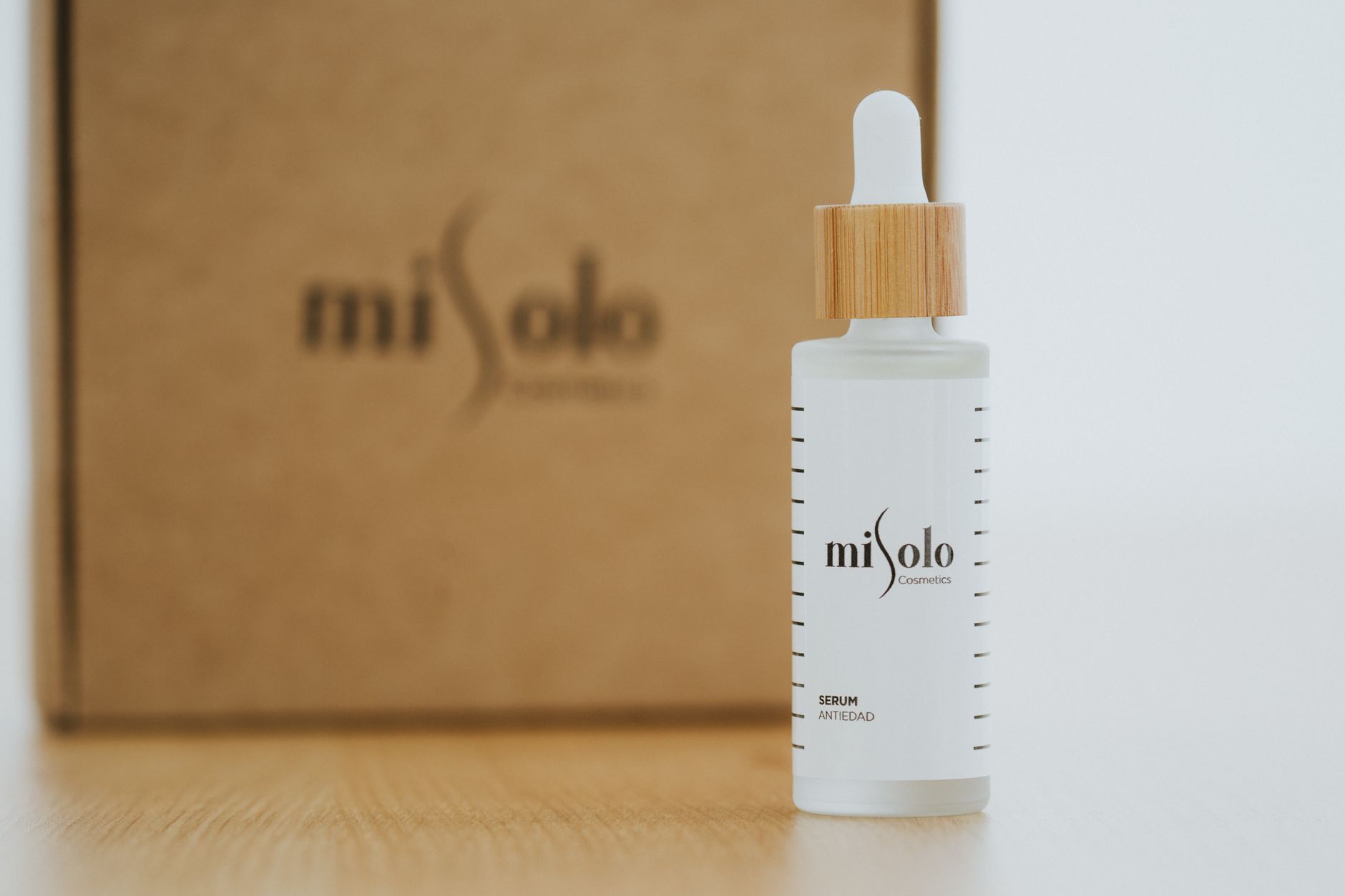 Photo by Misolo Cosmetic / Pexels
- You're starting to notice fine lines and wondering what to do
- You've been sold anti-aging creams that didn't work
- You want to know which ingredients are evidence-backed vs. hype
- You want prescription-strength treatment — see a dermatologist for tretinoin or other Rx retinoids
- You're considering cosmetic procedures — this guide covers topical skincare only
How We Chose These Products
We evaluated exclusively on clinical evidence — published peer-reviewed research on ingredient efficacy — not brand claims. Ingredients with multiple randomized controlled trials showing benefit received top consideration. We cross-referenced with Dr. Dray, Lab Muffin Beauty Science, and Paula's Choice ingredient analysis. Products were evaluated on ingredient concentration (active ingredient must be at effective percentage), formulation stability, and price-per-use.
The Hierarchy of Evidence-Backed Anti-Aging

The skincare industry generates enormous revenue from the gap between what sounds scientific and what actually has evidence. Here's the ranked list from most to least evidence:
Tier 1: Proven, Significant Effect
- Sunscreen (SPF 30+ broad-spectrum) — The most impactful anti-aging intervention. UV radiation is responsible for approximately 80% of visible skin aging (photoaging). A landmark Queensland study showed daily SPF users had 24% less aging over 4.5 years versus discretionary use. Start early, never stop. EltaMD UV Clear Broad-Spectrum SPF 46 at $45 is a dermatologist-recommended option — lightweight, non-comedogenic, and formulated specifically for sensitive and acne-prone skin.
- Prescription retinoids (tretinoin) — The most evidence-backed topical anti-aging treatment. Increases collagen production, speeds cell turnover, reduces fine lines, hyperpigmentation, and rough texture. Requires a prescription but is affordable as a generic. See a derm.
- OTC retinol/retinoids — Weaker than tretinoin but still effective with consistent use. Takes 3-6 months to see meaningful results. Start at 0.25-0.5%. See our best skin serums and best drugstore serums under $20. For an accessible entry point, The Ordinary Retinol 1% in Squalane at $9.90 delivers clinical-grade retinol in a fragrance-free squalane base — one of the most cost-effective OTC retinoid options available.
Tier 2: Good Evidence, Meaningful But Smaller Effect
- Vitamin C (L-ascorbic acid, 10-20%) — Antioxidant that neutralizes free radical damage from UV and pollution. Also inhibits melanin production (brightening) and supports collagen synthesis. Unstable molecule — buy fresh, store away from light.
- Niacinamide (5%+) — Reduces hyperpigmentation, strengthens skin barrier, calms redness. Works well alongside retinol and is extremely well-tolerated. The "gateway" active for sensitive skin.
- AHAs (glycolic acid, lactic acid) — Chemical exfoliants that remove dead skin cells, improve texture, and reduce fine lines with consistent use. 8-15% glycolic acid has the strongest evidence. See best serums under $20. The Ordinary Glycolic Acid 7% Exfoliating Toner at $9 is a consistent top pick at this concentration — effective without unnecessary additives.
Tier 3: Emerging Evidence or Specific Use Cases
- Peptides — Signal proteins that may stimulate collagen production. Evidence is more limited than retinoids but promising. Good for those who can't tolerate retinoids.
- Hyaluronic acid — Excellent hydrator. Plumps skin temporarily (masks fine lines when skin is dehydrated). Not an anti-aging treatment per se — doesn't alter skin structure.
- Ceramides — Essential for barrier repair. An impaired barrier accelerates all visible aging signs. Not anti-aging so much as anti-damage-acceleration.
Tier 4: Little to No Evidence
- "Collagen" creams — Collagen molecules are too large to penetrate skin. Topical collagen in a cream does nothing structurally. Collagen production via retinoids and vitamin C is the mechanism that works.
- Stem cell creams — Plant stem cells do not interact meaningfully with human skin cells. Marketing term.
- Gold, caviar, orchid extract — Expensive, no meaningful clinical evidence.
- Oxygen-infusing products — Skin gets oxygen from blood supply, not the surface.
Building an Anti-Aging Routine
In Your 20s (Prevention)
Sunscreen every day. That's it. You don't need anti-aging products in your 20s — the prevention is the sunscreen. If you want to add one active, niacinamide is a gentle, evidence-backed choice. The habits you build now (SPF, not smoking, staying hydrated, sleep) matter more than any product.
In Your 30s (Early Intervention)
Add retinol to your evening routine. Start at 0.25%, 2-3 nights per week, and build up slowly. Add vitamin C serum to your morning routine before sunscreen. This is the retinol + vitamin C + SPF stack that dermatologists consistently recommend. See our best skin serums for options at every price point.
In Your 40s+ (Treatment and Maintenance)
Consider prescription tretinoin if you haven't already — it significantly outperforms OTC retinol. Add a peptide serum if retinol is well-tolerated and you want to layer. AHA exfoliation 2x per week helps with texture and hyperpigmentation from sun exposure. The barrier becomes more important — don't over-strip with harsh cleansers or too many actives.
The Anti-Aging Stack (evidence-ranked)
| Step | AM or PM | Ingredient | Evidence Level |
|---|---|---|---|
| 1 | AM | Vitamin C serum | Strong |
| 2 | AM | Moisturizer with niacinamide | Strong |
| 3 | AM | SPF 30+ broad-spectrum | Very strong (most impactful) |
| 4 | PM | Gentle cleanser | Foundational |
| 5 | PM | Retinol (start 0.25-0.5%) | Very strong |
| 6 | PM | Ceramide moisturizer | Strong (barrier support) |
What to Expect (and When)
- Hydration improvement: Days to weeks
- Texture improvement (AHAs): 4-8 weeks
- Retinol anti-aging effects: 3-6 months consistent use
- Vitamin C brightening: 6-8 weeks
- Tretinoin (Rx) full effect: 6-12 months
Skincare is a long game. Anyone selling you "visibly younger in 7 days" is exploiting temporary hydration effects, not structural change.
At a Glance
| # | Product | Award | Price | Our Score | |
|---|---|---|---|---|---|
| 1 | 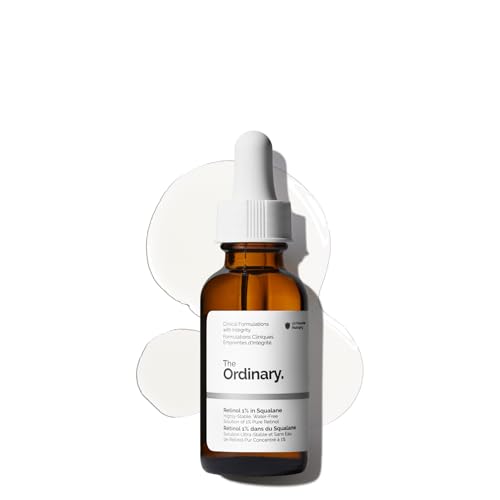 The Ordinary Retinol 1% in Squalane Ant… The Ordinary Retinol 1% in Squalane Ant… |
Best Overall | $9 | 9.2 | Buy → |
| 2 | 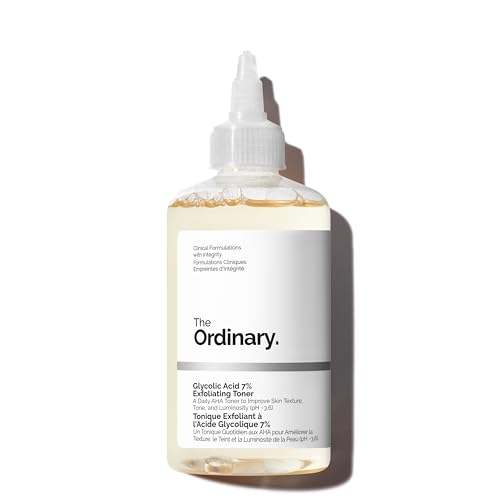 The Ordinary Glycolic Acid 7% Brighteni… The Ordinary Glycolic Acid 7% Brighteni… |
Best AHA Exfoliant | $9 | 8.9 | Buy → |
| 3 | 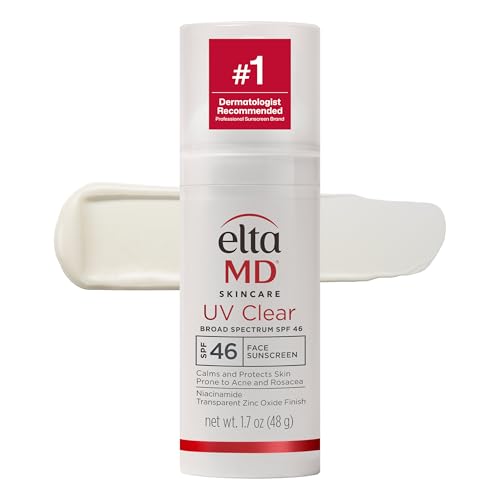 EltaMD UV Clear Broad-Spectrum SPF 46 EltaMD UV Clear Broad-Spectrum SPF 46 |
Best Sunscreen (Most Important Step) | $45 | 8.5 | Buy → |
| 4 | 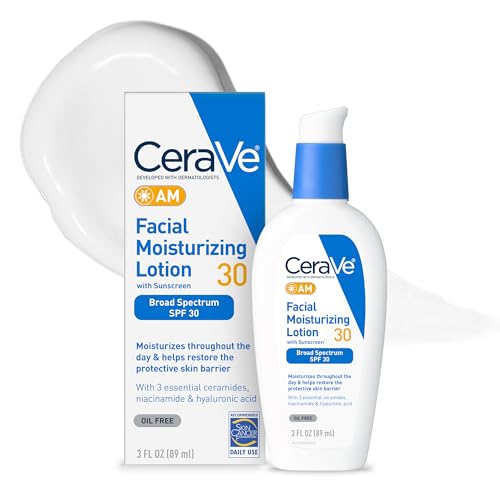 CeraVe AM Facial Moisturizing Lotion SP… CeraVe AM Facial Moisturizing Lotion SP… |
Best SPF Moisturizer (Budget) | $14 | 8.2 | Buy → |
| 5 | 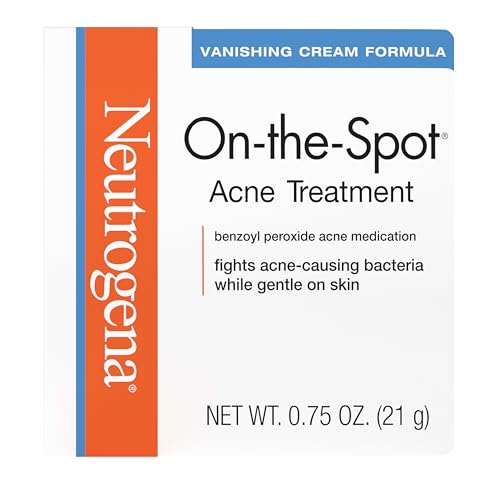 Neutrogena On-The-Spot Acne Treatment 2… Neutrogena On-The-Spot Acne Treatment 2… |
Best Spot Treatment | $8 | 7.8 | Buy → |
Showing 5 of 5 products

The Ordinary Retinol 1% in Squalane Anti-Aging Serum
“A potent anti-aging serum for experienced retinol users at an unbeatable price — start slowly and build up to nightly use to minimize irritation.”
See Today’s Price →What we like
Watch out for
Read Full Analysis
The Ordinary Retinol 1% in Squalane at $9.90 leads an anti-aging skincare guide because retinol has the most robust clinical evidence of any over-the-counter anti-aging ingredient. Decades of peer-reviewed research support its ability to increase cell turnover, stimulate collagen production, and reduce the appearance of fine lines and hyperpigmentation. No serum, cream, or supplement on the market has a more established track record. The 1% concentration in squalane is specifically worth noting. Squalane is a lightweight plant-derived oil that carries the retinol without the harsh dryness that water-based retinol formulations can cause. For most skin types, squalane-based retinol is gentler on the barrier while remaining effective — an important consideration since irritation is the primary reason people abandon retinol before it works. At $9.90 this is one of the most accessible entry points for prescription-strength results. The comparison to EltaMD UV Clear at rank 3 ($45.00) frames the routine correctly: retinol works at night to resurface and rebuild, while SPF protection during the day prevents the sun from undoing that work. Both are necessary. Against the Glycolic Toner at rank 2 ($9.00), these are complementary rather than interchangeable — glycolic exfoliates chemically, retinol stimulates cellular renewal. Start with one, add the other once tolerance is established. Do not layer both on the same night without building up to it gradually.

The Ordinary Glycolic Acid 7% Brightening Exfoliating Toner
“An effective and affordable exfoliating toner for oily and dull skin — use 2-3 times per week and always follow with SPF during the day.”
See Today’s Price →What we like
Watch out for
Read Full Analysis
The Ordinary Glycolic Acid 7% Brightening Toner at $9.00 is the second product in this anti-aging routine and targets a different mechanism than the retinol at rank 1. While retinol works by stimulating new cell production from below, glycolic acid works by dissolving the bonds between dead cells on the surface, accelerating their removal. The practical result: faster improvement in skin texture, reduced visible pore size, and more even tone. At 45,639 reviews with a 4.7 average, this is among the most validated budget skincare products available. The 7% glycolic concentration is effective without being as aggressive as prescription AHAs, making it accessible for most skin types as an every-other-day or every-third-day treatment. The alcohol-free formula is a genuine differentiator in this category — many budget glycolic toners use alcohol as a carrier, which can strip the skin barrier and cause rebound oiliness. On this page, the glycolic toner and retinol at rank 1 form the core active pair. The CeraVe AM SPF at rank 4 ($14.97) and EltaMD SPF at rank 3 ($45.00) both exist to protect the skin from increased sun sensitivity that both actives create. The Neutrogena spot treatment at rank 5 ($8.97) addresses acne specifically and doesn't directly interact with this product. The practical rotation: glycolic on Monday/Wednesday/Friday evenings, retinol on Tuesday/Thursday/Saturday evenings, sunscreen every morning. This is the budget version of the routine a dermatologist would recommend.

EltaMD UV Clear Broad-Spectrum SPF 46
“EltaMD UV Clear is the dermatologist-recommended standard—no white cast, niacinamide for brightening, and a finish suitable under makeup for daily wear.”
See Today’s Price →What we like
- Dermatologist #1 recommended sunscreen
- No white cast on all skin tones
- Niacinamide for added skin brightening
- Fragrance-free, suitable for acne-prone skin
Watch out for
- Higher price than drugstore options
- SPF 46 (not 50—some prefer higher)
Read Full Analysis
EltaMD UV Clear SPF 46 ranks third on this anti-aging guide for a specific reason: it's labeled "Best Sunscreen (Most Important Step)" — and that label is accurate. Dermatologists consistently identify daily broad-spectrum SPF as the single highest-impact anti-aging intervention available without a prescription. UV radiation is responsible for approximately 80–90% of visible skin aging (photoaging) — wrinkles, hyperpigmentation, and texture changes. The retinol at rank 1 and glycolic at rank 2 accelerate cell turnover; unprotected sun exposure reverses that work daily. EltaMD UV Clear is specifically positioned for this anti-aging context because it's formulated for sensitive and acne-prone skin with 9% zinc oxide (physical blocker) plus niacinamide, which provides additional brightening and anti-inflammatory benefit. The no-white-cast formulation and finish suitable under makeup make it practical for daily wear, not just beach days. At 67,390 reviews with a 4.5 average, it's the most-reviewed product on this page. The comparison to CeraVe AM SPF 30 at rank 4 ($14.97) is the key decision: EltaMD costs $30 more and delivers SPF 46 versus SPF 30, plus physical rather than chemical UV filters. For most skin types in normal daily conditions, both provide adequate protection when applied correctly. EltaMD's value is highest for sensitive or reactive skin that doesn't tolerate chemical sunscreens, and for fair-skinned individuals with significant sun exposure. Otherwise, the CeraVe at $14.97 covers the core need.

CeraVe AM Facial Moisturizing Lotion SPF 30 Oil-Free 3 oz
“A convenient daily SPF moisturizer for oily or combination skin — oil-free formula layers well under makeup without pilling or shine.”
See Today’s Price →What we like
Watch out for
Read Full Analysis
CeraVe AM Facial Moisturizing Lotion SPF 30 at $14.97 is the budget sunscreen-moisturizer combination on this anti-aging page — and for most people, it's the right daily driver. SPF 30, when applied in sufficient quantity (1/4 teaspoon for the face), blocks approximately 97% of UVB rays. SPF 46 (EltaMD at rank 3, $45.00) blocks about 98%. That 1% difference is real but not transformative for most use cases. Where this product earns its place in the routine: it's a two-in-one morning product that replaces a separate moisturizer and sunscreen, reducing routine complexity and cost. The ceramide and hyaluronic acid formulation supports the skin barrier, which is especially important when using the retinol at rank 1 and glycolic toner at rank 2 — both active ingredients that can temporarily increase skin sensitivity and reduce barrier function. The oil-free formula makes it practical for oily and combination skin types that might find heavier SPF moisturizers pore-clogging. The honest limitation is that the 3 oz tube size runs out faster than expected with daily full-face application — factor that into the cost per month of use. Against the retinol at $9.90 and glycolic at $9.00, the CeraVe SPF is the most expensive of the three "routine" products on this page, but it's doing the most important daily job: blocking the UV that undoes your evening active work. Against EltaMD at $45, the $30 savings is real for anyone without sensitive or reactive skin.
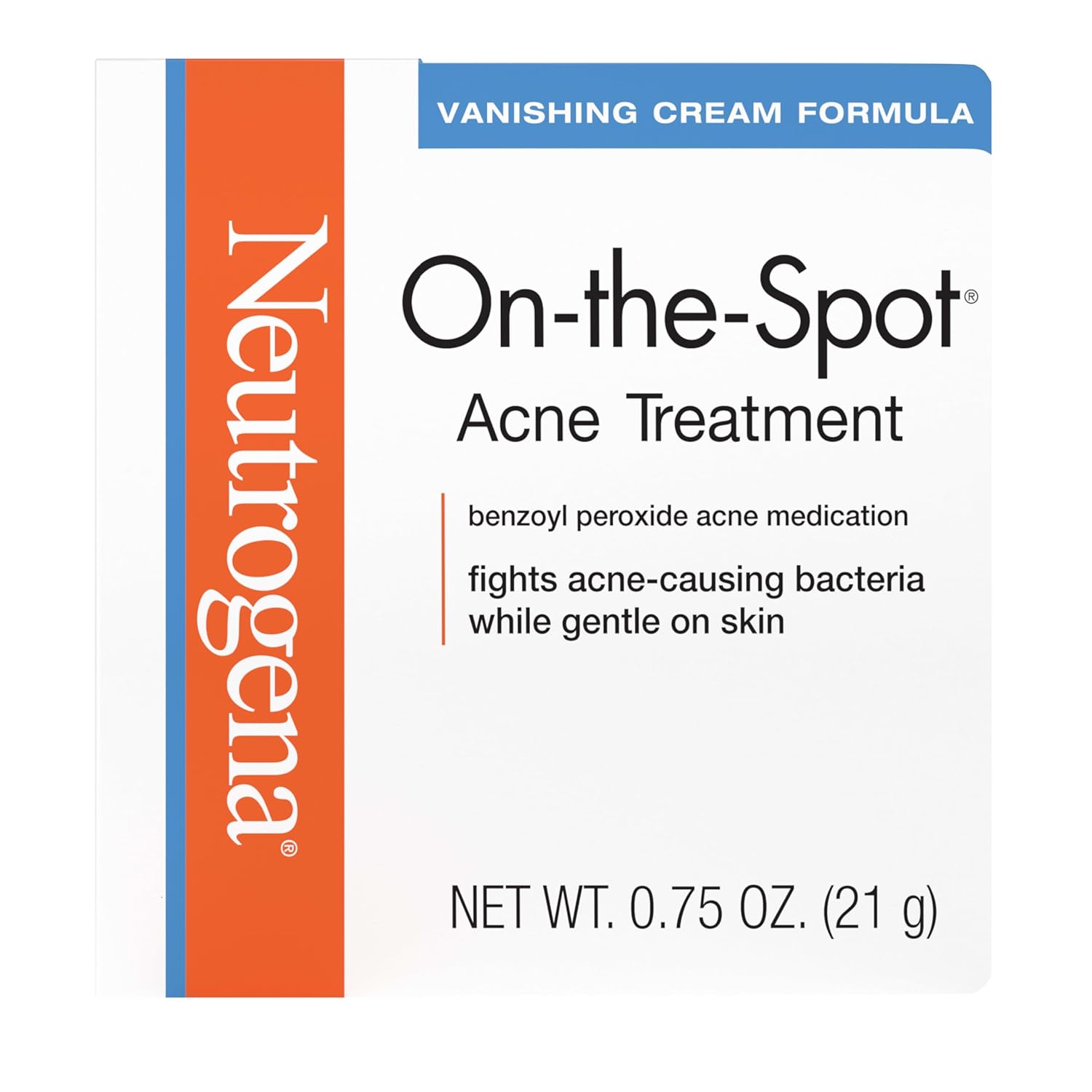
Neutrogena On-The-Spot Acne Treatment 2.5% Benzoyl Peroxide 0.75 oz
“The gentlest benzoyl peroxide option for daily use — 2.5% concentration minimizes dryness while still effectively treating existing blemishes.”
See Today’s Price →What we like
Watch out for
Read Full Analysis
Neutrogena On-The-Spot Acne Treatment with 2.5% benzoyl peroxide at $8.97 rounds out this anti-aging routine as the targeted blemish intervention. Its presence on an anti-aging page reflects the reality that adult acne and anti-aging concerns frequently coexist — many adults in their 30s and 40s deal with breakouts alongside fine lines and hyperpigmentation. The retinol and glycolic acid at ranks 1 and 2 help with long-term acne management through cell turnover, but a spot treatment addresses active breakouts immediately. The 2.5% benzoyl peroxide concentration is a deliberate choice. Higher concentrations (5%, 10%) are not meaningfully more effective at treating blemishes but cause significantly more dryness, peeling, and irritation — especially problematic when layered with an active retinol and glycolic routine. The 2.5% dose targets acne-causing bacteria effectively while being gentler on a skin barrier already working hard. Against the other products on this page, this is the most situational purchase — only relevant for acne-prone skin. If blemishes aren't a concern, the $8.97 is better spent elsewhere. The vanishing formula dries clear, which is important for daytime spot application without discoloration. The honest limitation is tube size (0.75 oz) — you'll go through it quickly if applying to multiple spots daily. For the buyer combining this routine for adult acne with anti-aging goals, it's the right budget addition. Those with cystic or hormonal acne will need prescription-grade intervention that this product doesn't address.
Frequently Asked Questions
At what age should I start using anti-aging products?
Can I use retinol and vitamin C at the same time?
Is there a natural alternative to retinol?
Do eye creams actually work?
Does diet affect skin aging?
What's "slugging" and does it work?
How We Analyze Products
We analyze Amazon review data — often thousands of reviews per product — to surface patterns that individual buyers miss. Our process aggregates star ratings, review counts, and buyer sentiment at scale, identifying which strengths and weaknesses appear consistently across the largest review samples available. The 113,029+ reviews analyzed on this page represent real verified-purchase feedback from Amazon buyers.
Each product earned its placement through data: total review volume, average rating, and the specific praise and complaints that repeat most often across buyers. No manufacturer paid for placement on this page. Products appear here because buyers endorsed them at scale, not because a company asked us to feature them.
We use AI to summarize review sentiment — not to fabricate opinions, but to condense what thousands of buyers actually wrote into a readable format. The pros and cons you see reflect the most common themes found in verified purchaser reviews, paraphrased for clarity. We do not claim to have accessed Reddit, YouTube, or specific publications in generating these summaries.
Prices shown reflect Amazon pricing at the time this page was last generated. Click “See Today’s Price” to get the current live price on Amazon. Read our full methodology →