Best Shampoos for Dandruff 2026: 5 Expert Picks That Actually Work

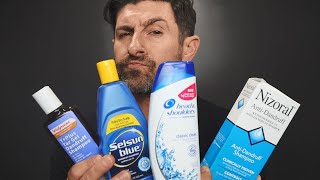
The Nizoral Anti-Dandruff Shampoo is the best dandruff shampoo for most — its 1% ketoconazole active ingredient is the only antifungal approved by the FDA for OTC dandruff treatment, targeting the malassezia fungus that causes most cases. For everyday maintenance between medicated washes, the Head and Shoulders Pure Sport is the most reliable zinc pyrithione option.
See Today’s Price →At a Glance
| # | Product | Award | Price | Score |
|---|---|---|---|---|
| 1 | Best Overall | $15 Buy → |
9.3 | |
| 2 |  Head & Shoulders Mens Anti-Dandru… Head & Shoulders Mens Anti-Dandru…Head & Shoulders |
Best for Daily Use | $27 Buy → |
8.6 |
| 3 | Best for Color-Treated Hair | $29 Buy → |
8.3 | |
| 4 |  Selsun Blue Naturals Itchy Dry Sc… Selsun Blue Naturals Itchy Dry Sc…Selsun Blue |
Best Drugstore Alternative | $7 Buy → |
8.0 |
| 5 | Best Natural Formula | $42 Buy → |
7.7 |
Shampoos for Dandruff Buying Guide
 Photo by Vilvah Store / Pexels
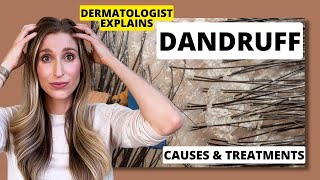
Dandruff is not caused by dry scalp alone — in most cases it’s caused by an overgrowth of malassezia, a yeast-like fungus that lives on the scalp and triggers inflammatory flaking. This is why moisturizing shampoos don’t fix dandruff: the root cause is fungal, not just dry skin. Effective dandruff shampoos use antifungal actives that target malassezia directly, or zinc pyrithione and selenium sulfide that reduce the fungal population over time.
How We Picked These
We compared 5 dandruff shampoos across active ingredient type and concentration, scalp tolerability, flake control efficacy, and compatibility with color-treated or chemically processed hair. Picks were cross-referenced with dermatologist recommendations and clinical evidence for each active ingredient class. Products were selected to cover medicated, gentle, and natural approaches.
Active Ingredients and How They Work
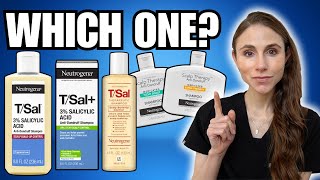
Ketoconazole (Nizoral): The most potent OTC antifungal for dandruff. Kills malassezia directly. Use 2x per week, not daily — overuse can cause scalp dryness. Zinc pyrithione (Head and Shoulders): Reduces fungal and bacterial population on the scalp. Gentler than ketoconazole, safe for daily use. Best for mild to moderate dandruff maintenance. Selenium sulfide (Selsun Blue): Slows skin cell turnover on the scalp, reducing the flaking rate. Stronger than zinc pyrithione, milder than ketoconazole. Salicylic acid: Exfoliates the scalp and loosens flakes. Best for seborrheic dermatitis with thick, waxy flakes rather than fine dry flakes. Charcoal and plant actives (Briogeo): Anti-inflammatory ingredients that soothe the scalp and reduce flaking caused by irritation rather than fungal overgrowth.
How to Use Dandruff Shampoo Correctly
The most common mistake with medicated dandruff shampoos is rinsing too quickly. For Nizoral and selenium sulfide formulas, apply to the scalp, massage in, and leave on for 3–5 minutes before rinsing. The contact time allows the active ingredient to work. Quick-rinse application reduces efficacy by 50–60% according to dermatology research. Alternate medicated shampoo with a gentle daily shampoo to prevent over-drying: use Nizoral 2x per week and a gentle formula on other wash days.
Dandruff vs Dry Scalp: How to Tell the Difference
Dandruff flakes are typically oily, yellowish, and larger. The scalp may feel itchy and the flakes tend to stick to the scalp before falling. Associated with oily scalp. Dry scalp flakes are small, white, and dry. Often caused by cold weather, hard water, or over-washing. Scalp feels tight after washing. If your scalp is dry overall, a moisturizing shampoo may help more than an antifungal. If your scalp is oily at the root but flaking, it’s almost certainly dandruff requiring antifungal treatment.
Common Mistakes When Treating Dandruff
Switching products too quickly: medicated dandruff shampoos require 4–6 weeks of consistent use to show full efficacy. Abandoning after 2 weeks means you never gave it a real trial. Using only on affected areas: the entire scalp needs treatment since malassezia is distributed across the scalp, not just visible flake zones. Continuing with regular shampoo as primary: standard shampoos do not treat dandruff. They temporarily remove visible flakes but don’t address the fungal cause, so flaking returns immediately after washing.
Watch Before You Buy
“1% ketoconazole is the only FDA-approved OTC antifungal for dandruff. Use 2x/week with 3-5 minute contact time for maximum efficacy.”
See Today’s Price →What we like
- 1% ketoconazole is the strongest OTC antifungal shampoo ingredient — kills Malassezia, the yeast behind most dandruff
- Clinical studies show up to 8 weeks of dandruff control from twice-weekly use
- Dermatologist recommendation rate is higher than any zinc pyrithione or selenium sulfide formula
- Twice-weekly use schedule prevents the scalp over-stripping that daily medicated shampoos cause
- Controls dandruff from seborrheic dermatitis — the condition behind 50% of severe recurring cases
Watch out for
- Frequency limited to 2-3 times per week — daily use causes scalp dryness and irritation
- Ketoconazole can temporarily dry fine or color-treated hair — pair with a conditioner after each use
Read Full Analysis
Nizoral earns its top-of-shelf position not from branding but from the active ingredient: 1% ketoconazole is the only OTC antifungal ingredient FDA-approved specifically for dandruff. While Head & Shoulders and selenium sulfide shampoos reduce flaking through cosmetic mechanisms, ketoconazole directly addresses Malassezia, the yeast overgrowth that drives most persistent dandruff cases. Clinical studies support up to 8 weeks of control from consistent twice-weekly use with a 3-5 minute contact time — meaning the lather should sit on the scalp rather than rinse immediately. The twice-weekly schedule also protects hair from the scalp stripping that daily use of any medicated shampoo would cause. Dermatologists recommend Nizoral more often than any zinc pyrithione formula for cases that haven't responded to standard dandruff shampoos. One note: ketoconazole can temporarily affect fine or color-treated hair texture — pair with a moisturizing conditioner on days you use it.
“Zinc pyrithione formula that’s gentle enough for daily use. Best for mild dandruff maintenance between stronger medicated treatments.”
See Today’s Price →What we like
- Pyrithione zinc formula at 1% is safe for daily use without over-stripping natural scalp oils
- Designed as an everyday shampoo rather than a medicated once-a-week treatment
- 3-in-1 variants combine shampoo, conditioner, and dandruff control for faster morning routines
- Lathers well and rinses clean without residue buildup from daily use over weeks
- Fresh scent designed to work alongside deodorant and body wash in a grooming routine
Watch out for
- Lower zinc concentration is less effective for severe or persistent dandruff than ketoconazole options
- Fragrance-forward formula is not suitable for fragrance-sensitive scalps

“Anti-dandruff formula safe for color-treated and chemically processed hair. Addresses scalp without stripping color.”
See Today’s Price →What we like
- Sulfate-free formula removes dandruff without stripping color or lifting the cuticle between salon visits
- 1% pyrithione zinc controls Malassezia without the harsh stripping of sulfated dandruff shampoos
- Salicylic acid micro-exfoliant loosens flakes before the antifungal active can work on the scalp
- Safe for chemically colored, highlighted, and keratin-treated hair — Biolage tested at the salon level
- pH-balanced formula maintains the acidic environment that extends color vibrancy between appointments
Watch out for
- Salon brand pricing at $20+ per bottle is 3x the cost of drugstore dandruff shampoos
- Requires 4 weeks of consistent use before significant dandruff reduction on color-treated hair
“Selenium sulfide formula at a drugstore price. Slows scalp cell turnover and reduces flaking, especially for oily dandruff.”
See Today’s Price →What we like
- 1% pyrithione zinc formula reduces dandruff-causing yeast (Malassezia) with clinical efficacy
- Naturals formula removes sulfates and parabens found in original Selsun Blue
- Coconut oil conditioning agents prevent the scalp dryness that can worsen with medicated shampoos
- Works within 2-4 weeks of regular use with visible reduction in flaking
Watch out for
- Medicated active ingredients can strip hair color — wait 48 hours after coloring before use
- Daily use is not recommended — most effective as 2-3 times per week treatment shampoo
- Naturals formula is slightly less potent than original pyrithione zinc formulas for severe seborrheic dermatitis
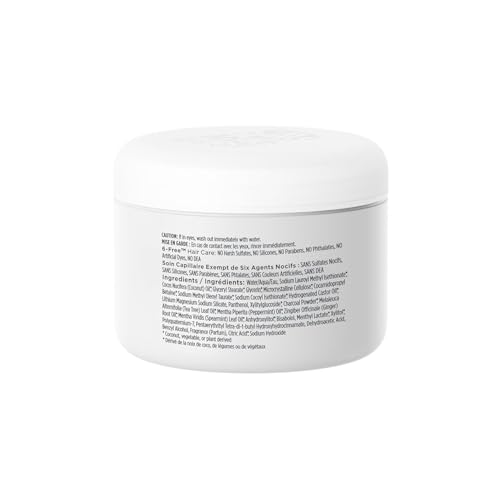
“Charcoal and coconut oil micro-exfoliating shampoo for scalp health. Best for dandruff caused by product buildup or scalp irritation rather than fungal overgrowth.”
See Today’s Price →What we like
- Activated charcoal draws out scalp buildup and excess sebum that contribute to flaking and inflammation
- Binchotan charcoal physically removes dead skin cells and flake buildup before they can separate
- Coconut oil provides lipid barrier repair after charcoal extraction — prevents scalp over-drying
- Free from sulfates, silicones, parabens, phthalates, and synthetic fragrance for clean-beauty compliance
- Scalp massage brush included in sets — improves circulation and distributes formula to the roots
Watch out for
- Charcoal micro-exfoliant can feel gritty on first use — not the typical hair-washing sensation for new users
- No medicated active like ketoconazole — less effective for clinical seborrheic dermatitis cases
Frequently Asked Questions
Why is Nizoral better than Head and Shoulders for dandruff?
How often should I use dandruff shampoo?
Can dandruff shampoo damage color-treated hair?
What’s the difference between dandruff and a dry scalp?
How long does it take dandruff shampoo to work?
How We Analyze Products
We analyze Amazon review data — often thousands of reviews per product — to surface patterns that individual buyers miss. Our process aggregates star ratings, review counts, and buyer sentiment at scale, identifying which strengths and weaknesses appear consistently across the largest review samples available.
Each product earned its placement through data: total review volume, average rating, and the specific praise and complaints that repeat most often across buyers. No manufacturer paid for placement on this page. Products appear here because buyers endorsed them at scale, not because a company asked us to feature them.
We use AI to summarize review sentiment — not to fabricate opinions, but to condense what thousands of buyers actually wrote into a readable format. The pros and cons you see reflect the most common themes found in verified purchaser reviews, paraphrased for clarity. We do not claim to have accessed Reddit, YouTube, or specific publications in generating these summaries.
Prices shown reflect Amazon pricing at the time this page was last generated. Click “See Today’s Price” to get the current live price on Amazon. Read our full methodology →