Best Starter Hair Care Products for Beginners 2026
The essential beginner hair care routine: a sulfate-free shampoo matched to your hair type, a moisture-focused conditioner, and heat protectant spray before any heat styling. Total cost: $25–$40. These three products prevent 90% of common beginner hair damage.
Starter Hair Care Products for Beginners Buying Guide
 Photo by Vilvah Store / Pexels
## What Every Beginner Needs to Know About Hair Care
Hair care is deeply personal — what works for straight fine hair doesn't work for curly thick hair. But the underlying principles are universal, and most beginners make the same few foundational mistakes regardless of hair type.
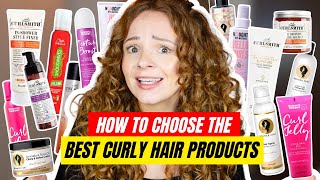
Straight hair (Type 1): Most prone to oiliness since sebum travels easily down the hair shaft. Needs lightweight products that add shine without weighing hair down. Wavy hair (Type 2): Struggles with frizz and losing wave definition. Needs lightweight moisture without heaviness that drags waves down. Curly hair (Type 3): Prone to dryness because curl pattern makes it hard for sebum to travel down the shaft. Needs significant moisture and products that define curl pattern without crunch. The Mielle Organics Mango and Tulsi 3-in-1 Hair Serum at $15.99 is built for this — a nourishing serum that adds moisture and defines curl pattern without buildup. Coily/kinky hair (Type 4): Most prone to dryness, shrinkage, and breakage. Needs heavy moisture, gentle manipulation, and protective styling.
-
Oily scalp: Clarifying shampoo 1–2x per week

-
Normal scalp: Balanced shampoo 2–3x per week
-
Dry scalp/curly hair: Moisturizing or co-wash 1–2x per week
The biggest beginner mistake: washing every day. Daily washing strips natural oils and creates a dry/oily cycle. Most hair types do better with 2–3 washes per week.

2. Conditioner every wash: Shampoo opens the hair cuticle. Conditioner closes it back down, seals moisture, and reduces frizz and breakage. Skip conditioner and hair becomes porous, frizzy, and more prone to damage. Never skip conditioner after shampooing.
3. Heat protection before any heat styling: Heat styling tools (flat irons, curling irons, blow dryers) operate at 300–450°F. Hair proteins denature at 167°F. Without heat protection, every heat styling session causes cumulative protein damage that is permanent (until that hair grows out). A $12 heat protectant spray prevents this entirely. The Kitsch Frizz Control Hair Serum at $11.99 doubles as both heat protectant and frizz control — lightweight enough for fine hair without weighing it down.
Skip: Daily washing — the most common beginner mistake, especially for non-straight hair types. Daily shampooing strips the scalp's natural oils, triggers more oil production, and dries the hair shaft. Train your scalp by extending time between washes by one day per week until you reach 2–3 days. Skip: High heat settings on styling tools — most heat styling can be done effectively at 300–350°F. Setting tools to maximum (450°F) destroys hair faster. Lower heat + longer time = same result with less damage. Skip: Purple shampoo for non-blonde hair — purple shampoo cancels yellow/orange tones. It's exclusively for blonde, silver, or gray hair. On brunette or dark hair, it has no toning effect and can leave a purple cast in UV light. Skip: Protein treatments until you understand your hair — too much protein makes hair feel brittle and straw-like. Beginners often see "protein-free" and "moisture-protein balance" advice without context. Start with moisture-focused products for the first 3 months before introducing protein. Skip: Expensive salon shampoos before learning your hair — $5 drugstore shampoos and $50 salon shampoos contain the same core ingredients. The difference is fragrance, marketing, and sometimes higher concentrations of conditioning agents. Learn your hair type first, then invest in targeted products.
Building a Simple Weekly Routine (2–3 washes)
![✅ 7 Best Budget Hair Clippers for Men & Home Use [2026] ✂️ C](https://img.youtube.com/vi/8hB2tQcQ-BY/mqdefault.jpg)
-
Refresh with water and a small amount of conditioner or curl cream (if curly)
-
Protective styles (buns, braids) reduce manipulation damage
-
Silk or satin pillowcase reduces friction breakage overnight
Hair care products perform differently depending on hair type — our hair type care guide covers routine and product selection specifically for straight, wavy, curly, and coily hair patterns. For brand comparisons in hair treatment, our Olaplex vs. Redken comparison covers two leading treatment brands side by side. The beginner skincare routine guide pairs naturally with a starter hair care kit for buyers building their first complete personal care routine.
Watch Before You Buy
At a Glance
| # | Product | Award | Price | Our Score | |
|---|---|---|---|---|---|
| 1 |  Mielle Organics Mango and Tulsi Nourish… Mielle Organics Mango and Tulsi Nourish… |
Best Overall | $15 | 9.2 | Buy → |
| 2 |  Kitsch Frizz Control Hair Serum Lightwe… Kitsch Frizz Control Hair Serum Lightwe… |
Best Frizz Control | $11 | 8.9 | Buy → |
| 3 |  Bezvoi Water Flosser Mini Cordless Port… Bezvoi Water Flosser Mini Cordless Port… |
Best Oral Care Add-On | $19 | 8.5 | Buy → |
| 4 | 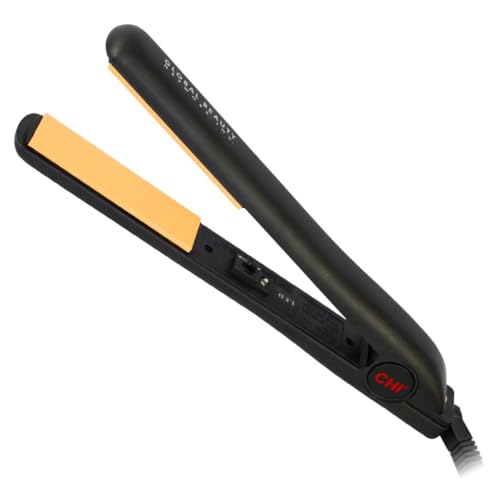 CHI Original Ceramic Hair Straightening… CHI Original Ceramic Hair Straightening… |
Best Styling Tool | $89 | 8.2 | Buy → |
Showing 4 of 4 products
Mielle Organics Mango and Tulsi Nourishing 3-in-1 Hair Serum 12 oz
“An affordable and fragrant serum that handles light frizz, adds shine, and protects from heat in one step — a good grab-and-go option for natural hair.”
See Today’s Price →
Kitsch Frizz Control Hair Serum Lightweight Heat Protection Curly
“A clean-formula serum that controls frizz without buildup or weighing hair down — best suited for fine to medium hair that needs light frizz control.”
See Today’s Price →
Bezvoi Water Flosser Mini Cordless Portable
“A capable portable water flosser for travel or small bathrooms — the cordless design makes it easy to use and store without sacrificing essential flossing function.”
See Today’s Price →
CHI Original Ceramic Hair Straightening Flat Iron 1-Inch Black
“CHI's original ceramic plates use far infrared heat and negative ions for frizz-free results with less damage.”
See Today’s Price →What we like
- Far infrared heat reduces damage
- Negative ions eliminate frizz
- Instant 30-second heat-up
Watch out for
- Fixed temperature, no digital display
- Heavier than travel models
Frequently Asked Questions
How often should I wash my hair?
What does 'sulfate-free' mean and do I need it?
Is heat styling always bad for hair?
Do I really need separate shampoo and conditioner products?
What's the difference between a hair serum and a hair oil?
How We Analyze Products
We analyze Amazon review data — often thousands of reviews per product — to surface patterns that individual buyers miss. Our process aggregates star ratings, review counts, and buyer sentiment at scale, identifying which strengths and weaknesses appear consistently across the largest review samples available. The 20,193+ reviews analyzed on this page represent real verified-purchase feedback from Amazon buyers.
Each product earned its placement through data: total review volume, average rating, and the specific praise and complaints that repeat most often across buyers. No manufacturer paid for placement on this page. Products appear here because buyers endorsed them at scale, not because a company asked us to feature them.
We use AI to summarize review sentiment — not to fabricate opinions, but to condense what thousands of buyers actually wrote into a readable format. The pros and cons you see reflect the most common themes found in verified purchaser reviews, paraphrased for clarity. We do not claim to have accessed Reddit, YouTube, or specific publications in generating these summaries.
Prices shown reflect Amazon pricing at the time this page was last generated. Click “See Today’s Price” to get the current live price on Amazon. Read our full methodology →