How to Care for Your Hair Type (2026): The Complete Guide to Hair
Identify your hair porosity first (float test: sinks quickly = high porosity, floats = low porosity). High porosity needs sealing products and protein; low porosity needs lightweight products and heat to absorb moisture. Then match shampoo/conditioner to your porosity and texture, not to the bottle's marketing language.
How to Care for Your Hair Type (2026) Buying Guide
 Photo by Yan Krukau / Pexels
- You buy products that sound good on the label but your hair never feels right
- You have frizz, breakage, or dryness despite expensive products
- You recently colored, heat-styled, or chemically treated your hair
- Your current hair routine is working — don't overcomplicate what's fine
- You have a scalp condition (seborrheic dermatitis, psoriasis) — see a dermatologist
How We Chose These Products
We evaluated products against trichologist recommendations, ingredient transparency (no harmful sulfates, parabens, or formaldehyde-releasing preservatives where avoidable), and community consensus on r/HaircareScience, r/NaturalHair, and curly hair communities. Price-per-wash efficiency was weighted heavily — some drugstore products outperform salon lines.
Step 1: Identify Your Hair Type
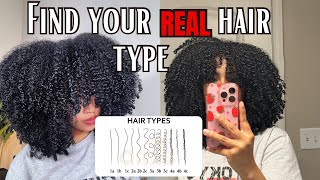
Hair type has two key dimensions that determine product selection:
Texture (diameter)
- Fine: Silky, can't hold curl well, gets weighed down easily, shows oil quickly. Avoid heavy oils and creams.
- Medium: Most versatile. Can handle a wide range of products.
- Coarse/Thick: Takes longer to dry, holds styles well, can handle heavier products. Needs more moisture.
Porosity (how well hair absorbs moisture)
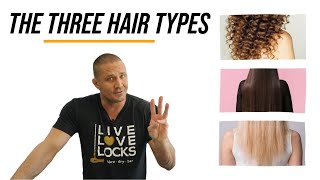
- Low porosity: Hair resists moisture absorption. Products sit on top rather than absorbing. Use lightweight products, heat to open cuticle, and avoid heavy butters/oils. The float test: hair floats on water for 2+ minutes = low porosity.
- Normal porosity: Absorbs and retains moisture well. Most products work.
- High porosity: Absorbs quickly but loses moisture fast. Often from chemical damage or heat styling. Needs protein treatments, sealing oils (applied after water-based moisturizer), and leave-in conditioner. Hair sinks immediately in water = high porosity.
Curl Pattern
The André Walker hair typing system (1-4, with subtypes A/B/C) describes curl tightness from straight (1) through wavy (2), curly (3), and coily (4). Tighter curl patterns generally need more moisture and less manipulation.

The Wash Day Framework
Shampoo: Less is More
Most people over-shampoo. Daily shampooing strips natural oils that protect hair, leading to more oil production and a cycle of greasiness. The ideal frequency depends on your hair and lifestyle:
- Fine/Oily hair: Every 2-3 days
- Normal hair: 2-3x per week
- Coarse/Curly/Coily: Once weekly or even less
- Color-treated: 2x per week maximum to preserve color
Use a sulfate-free shampoo if you color your hair or have a dry scalp. Sulfate shampoos clean more aggressively — fine for oily hair, too stripping for dry or damaged hair.
Conditioning: The Non-Negotiable
Condition every wash. Apply from mid-shaft to ends (not the roots — adds weight and can clog follicles). Leave in for 2-5 minutes minimum. For dry or coily hair, a deep conditioner 1-2x per month replaces a regular conditioner that wash.

The LOC/LCO Method (for curly and coily hair)
Lock moisture in layers:
- LOC: Liquid (water-based leave-in) → Oil (seals moisture) → Cream (style)
- LCO: Liquid → Cream → Oil. Better for high-porosity hair that needs more sealing.
Heat Styling: Minimize Damage
- Always use a heat protectant before any heat tool — reduces damage by up to 50% according to research from the International Journal of Cosmetic Science.
- Use the lowest heat that achieves your goal. Fine hair rarely needs above 300°F. Thick hair may need up to 400°F but no higher.
- Air dry when possible. If you must blow dry, use a diffuser for curly hair and a concentrator nozzle for straight styles to direct heat and reduce frizz.
- Take breaks from heat. 2-3 heat-free days per week makes a measurable difference in breakage over time.
Color-Treated Hair: What Changes
Chemical coloring opens the cuticle to deposit or lift pigment — this permanently alters hair structure. Color-treated hair is higher porosity, more prone to breakage, and fades faster with hot water and UV exposure.
- Wash with cool to lukewarm water (seals cuticle, preserves color)
- Use color-safe, sulfate-free shampoo
- Deep condition weekly
- Wait 72 hours after coloring before first wash
- Use UV-protectant products or wear a hat in strong sun
Scalp Health: The Root of Everything
Healthy hair starts with a healthy scalp. Signs of an unhealthy scalp: persistent itching, flaking, redness, tenderness, or excessive oil production that doesn't respond to washing frequency changes.

- Dandruff (flaky, oily flakes): Usually seborrheic dermatitis — a zinc pyrithione or selenium sulfide shampoo used 2x per week typically resolves it. If not, see a dermatologist.
- Dry scalp (small, dry flakes): Often from over-washing or harsh shampoo. Switch to a hydrating, fragrance-free formula and reduce wash frequency.
- Scalp massage: 4 minutes daily has shown in research to increase hair thickness by stimulating blood flow to follicles.
Common Hair Myths
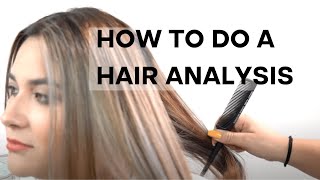
- Myth: Trimming hair makes it grow faster. Hair grows from the follicle — trimming the ends has no effect on growth rate. Trimming removes split ends that would otherwise travel up the shaft, preventing breakage that makes hair appear to stop growing.
- Myth: 100 brush strokes per day. Over-brushing causes mechanical damage and breakage, especially for curly and coily textures. Brush only when needed, ideally with a wide-tooth comb on wet hair after conditioning.
- Myth: Cold water rinse seals the cuticle perfectly. Cold water does slightly close the cuticle, but the effect is minimal. The more important habit is avoiding hot water which swells and stresses the cuticle repeatedly.
- How to Care for Your Hair Type — porosity, texture, and the right routine for each type
- How to Build a Skincare Routine — beginner's guide from cleanser to SPF — no guessing
- Best Facial Cleansing Brushes — silicone vs bristle, pulsing vs oscillating compared
Once you know your hair type, the most important product to match to it is a heat protectant: our Best Hair Heat Protectants 2026 has picks by hair texture and heat level. For frizz control and shine specific to your porosity, Best Hair Oils 2026 covers lightweight to heavy oils for fine vs thick hair. For styling tools matched to your texture, Best Flat Irons 2026 covers plate material, temperature range, and which works best for each hair type.
At a Glance
Showing 4 of 4 products
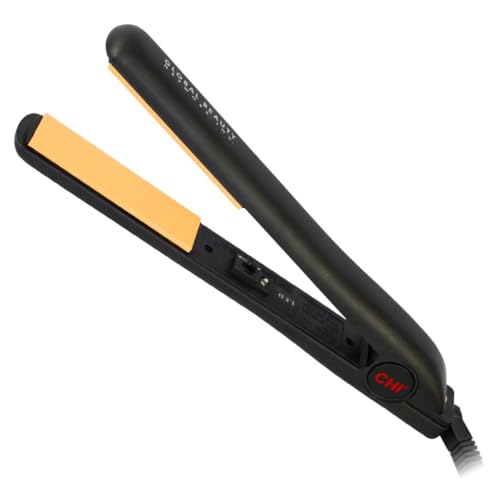
CHI Original Ceramic Hair Straightening Flat Iron 1-Inch Black
“CHI's original ceramic plates use far infrared heat and negative ions for frizz-free results with less damage.”
See Today’s Price →What we like
- Far infrared heat reduces damage
- Negative ions eliminate frizz
- Instant 30-second heat-up
Watch out for
- Fixed temperature, no digital display
- Heavier than travel models
FOREO LUNA 3 Facial Cleansing Brush for Normal Skin
“Worth the investment for normal skin — silicone bristles are gentler than nylon and last longer. Skip if you have oily or acne-prone skin.”
See Today’s Price →
PMD Clean Pro Facial Cleansing Device with ActiveWarmth
“Justified if you want skin-warming massage therapy plus sonic cleansing combined — otherwise the price is hard to justify for cleansing alone.”
See Today’s Price →What we like
Watch out for
Read Full Analysis
The PMD Clean Pro at $119.20 combines sonic silicone cleansing with ActiveWarmth heat therapy — the heat element is the differentiator over standard sonic cleansing brushes. Warming the skin before cleansing opens pores and improves product absorption, which means the serums or moisturizers applied after cleansing penetrate more effectively. On a hair care guide page, this device is primarily relevant for facial cleansing and skin prep rather than hair treatment — it appears here as a broader personal care tool. For users with congested pores or dry skin who are already using serums with active ingredients, the heat-assisted cleansing sequence can improve results. At $119.20, the PMD Clean Pro is priced above the standard PMD Clean at $59 for the heat function specifically. If warming therapy is not the primary need, the standard PMD Clean provides the sonic cleansing component at half the price.

Olay Regenerist Facial Cleansing Brush Head Refillable
“Only worth buying if you already own the Olay cleansing brush handle — the refillable design saves money over time and reduces waste.”
See Today’s Price →Frequently Asked Questions
How often should I wash my hair?
Is it bad to sleep with wet hair?
Why does my hair feel worse after expensive products?
What's the difference between a conditioner, deep conditioner, and hair mask?
Can I repair split ends?
Is biotin effective for hair growth?
How We Analyze Products
We analyze Amazon review data — often thousands of reviews per product — to surface patterns that individual buyers miss. Our process aggregates star ratings, review counts, and buyer sentiment at scale, identifying which strengths and weaknesses appear consistently across the largest review samples available. The 49,734+ reviews analyzed on this page represent real verified-purchase feedback from Amazon buyers.
Each product earned its placement through data: total review volume, average rating, and the specific praise and complaints that repeat most often across buyers. No manufacturer paid for placement on this page. Products appear here because buyers endorsed them at scale, not because a company asked us to feature them.
We use AI to summarize review sentiment — not to fabricate opinions, but to condense what thousands of buyers actually wrote into a readable format. The pros and cons you see reflect the most common themes found in verified purchaser reviews, paraphrased for clarity. We do not claim to have accessed Reddit, YouTube, or specific publications in generating these summaries.
Prices shown reflect Amazon pricing at the time this page was last generated. Click “See Today’s Price” to get the current live price on Amazon. Read our full methodology →