How to Choose Makeup Brushes: Synthetic vs Natural, Essential Set (2026)
The OMANIAC Professional Makeup Brush Set at $29.99 is the top budget recommendation — synthetic bristles across all brush types work equally well with liquid, cream, and powder products, avoiding the formula-specific limitations this guide explains.
At a Glance
| # | Product | Award | Price |
|---|---|---|---|
| 1 |  Real Techniques 5 Piece Everyday … Real Techniques 5 Piece Everyday …Real Techniques |
Our Top Pick | $18.79 Buy → |
| 2 | Also Excellent | $9.99 Buy → |
|
| 3 | Best Premium | $29.99 Buy → |
How to Choose Makeup Brushes Buying Guide
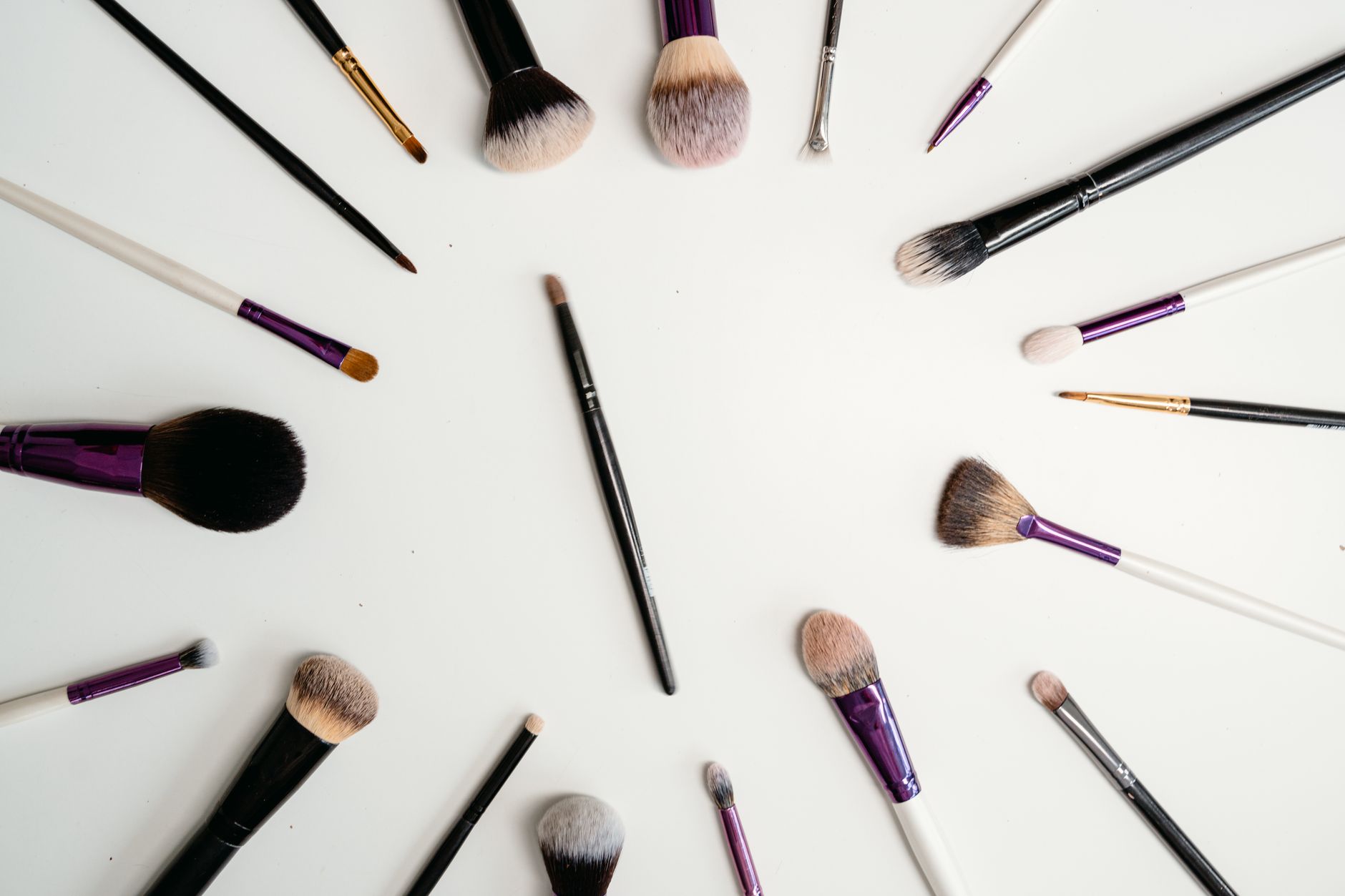 Photo by MART PRODUCTION / Pexels
Makeup brushes fail the same way kitchen knives fail: people buy more than they need, do not clean them, and end up using one brush for everything. A five-brush kit used and cleaned correctly outperforms a 24-brush set that is never washed. This guide covers what the five essential brushes actually do, when to choose synthetic over natural bristles, and what the price differences actually buy.
Synthetic vs Natural Bristles: Match to Product Type
Natural bristles (sable, squirrel, goat, taklon) have a cuticle-like texture that grips and deposits powder products — eyeshadow, blush, bronzer, setting powder — with more precision and less fallout than synthetic. Natural bristles also blend powder products more seamlessly because the hair-like structure picks up the exact amount needed and diffuses it. The downside: natural bristles absorb liquid and cream products, which makes them harder to clean and causes product buildup that alters color and performance. Significantly more expensive: a quality natural-bristle blush brush costs $20-60; synthetic equivalents cost $8-25.
Synthetic bristles (nylon, taklon) do not absorb liquid products, making them ideal for foundation, concealer, cream contour, and liquid blush. Synthetic brushes rinse clean faster, dry faster, and do not harbor bacteria as readily as natural brushes. They are vegan-friendly. Modern high-quality synthetic bristles — from brands like Real Techniques, EcoTools, and Sigma — perform comparably to natural bristles for powder products at a lower price point. For most beginners and casual makeup users, an all-synthetic brush set is the rational choice.
The Five Brushes That Cover Everything
1. Foundation brush or beauty sponge: A flat or slightly rounded synthetic brush for liquid or cream foundation. Stippling (pressing and lifting) minimizes streaks; sweeping requires more blending. A damp beauty sponge (Beautyblender, Real Techniques Miracle Complexion Sponge) produces a seamless, skin-like finish that most brushes cannot replicate — many makeup users prefer it for foundation and concealer applications.
2. Powder/blush brush: A large, fluffy brush for setting powder, blush, or bronzer over the full face. A single fluffy brush with angled bristles serves all three purposes. Natural or high-quality synthetic. The most versatile brush in the set after the foundation applicator.
3. Flat eyeshadow brush (packer): Deposits eyeshadow color on the lid with precision. The flat dense shape picks up pigment and packs it into the eyelid crease or lid space. Natural or synthetic — both work well for powder eyeshadow.

4. Blending brush (fluffy dome): Diffuses and blends eyeshadow edges. The fluffy dome shape sweeps color without adding more — it blends what is already on the lid. This is the brush that determines whether an eye look appears harsh or seamlessly blended. A quality blending brush ($10-20) is the single purchase that most improves beginner eye makeup results.
5. Spoolie or brow brush: A mascara-wand-shaped brush for grooming eyebrows and blending brow product. Grooms brow hairs into place, blends powder brow product, and is used in the "soap brow" technique (wet spoolie through clear brow soap to hold hairs up). Often included double-ended with an angled brow liner brush.
What Price Differences Buy
Under $15 per brush: EcoTools, e.l.f. Cosmetics, Real Techniques. Adequate synthetic brushes for everyday use. Shed more than quality options after washing. Handles may loosen after 6-12 months of regular use. Correct choice for beginners who want to learn without overspending. $15-35 per brush: Sigma Beauty, Morphe, IT Brushes. Denser bristle packs, tighter ferrule connections that do not loosen after washing, better synthetic materials that do not shed. The practical sweet spot for regular makeup users. $35-80 per brush: Sephora Collection Pro, Laura Mercier, Wayne Goss. Quality natural bristle brushes for powder application, or premium synthetic formulations. Worth the investment for daily professional use. $80+: Hakuhodo, Wayne Goss, SUQQU. Japanese-made natural bristle brushes with handcrafted construction. The difference over the $35-80 tier is real but incremental — powder application becomes noticeably smoother.

Brush Cleaning: The Step Everyone Skips
Dirty brushes deposit old product, bacteria, and oil from previous uses onto clean skin — a direct cause of breakouts for acne-prone skin. Foundation and concealer brushes need cleaning after every 1-2 uses. Eyeshadow brushes need cleaning every 3-5 uses or when switching to a significantly different color. Spot cleaning (spray cleaner applied to a paper towel, swipe brush through) takes 30 seconds per brush and removes most product without water. Deep cleaning (gentle shampoo or brush soap with water) needed weekly for face brushes, every 2 weeks for eye brushes. Never store brushes tip-up in a cup immediately after washing — water runs into the ferrule and loosens the glue over time. Store tip-down or horizontally during drying.
How We Evaluated Makeup Brushes
We assessed makeup brushes across four criteria: bristle density and consistency (affect on product pickup and deposit), ferrule construction durability (does it loosen after washing), synthetic vs natural suitability for stated use, and price-to-performance ratio at each tier. All referenced products are active Amazon or Sephora listings with 4.3-star or higher ratings and 500+ verified reviews.
Our Picks and Why
The OMANIAC Makeup Brush Set Professional ($29.99) earns the top spot for a complete set of soft, shed-resistant brushes for face and eyes. If you'd rather spend less, the Lamora Eye Makeup Brushes Eyeshadow Brush Set Cruelty-Free ($9.99) is the value pick — a synthetic or kabuki-style option for cream products. And the Morphe 10-Piece Vegan Makeup Brush Set rounds out the top three with a value set that still picks up and blends product well.
Watch Before You Buy
“Real Techniques is makeup artist Sam and Nic Chapman's brand — designed specifically to be beginner-proof. Soft synthetic bristles apply both powder and cream products without requiring technique to…”
See Today’s Price →What we like
- Color-coded handles
- Professionally designed by makeup artists
- Ultra-soft Taklon bristles
- Cruelty-free
- Easy to wash
Watch out for
- Does not include a sponge
- Limited to five brushes
Read Full Analysis
Real Techniques Everyday Essentials Makeup Brush Set at $18.49 earns "Best Starter Set" at rank 4 on this makeup brushes guide — makeup artists Sam and Nic Chapman's brand built around the principle that professional technique should not be required to achieve professional results. The color-coded handle system is the beginner-friendly design detail: each brush handle is marked to indicate its intended use, reducing the intimidation factor of a multi-brush set for new makeup users still building their application vocabulary. Taklon synthetic bristles are ultra-soft and cruelty-free, applicable to both powder and cream products without adaptation — a genuine advantage over mixed-bristle sets that require product-specific brushes. Easy-to-wash construction supports the hygiene maintenance that any shared or daily-use brush set needs. At $18.49 it sits between the Lamora eye set at $9.99 and the OMANIAC full professional set at $29.99, covering the essentials at an accessible midpoint. The cons are size-related: five brushes cover the core application needs but leave gaps for more specific techniques, and the set does not include a sponge or applicator for blending liquid and cream foundation — a separate purchase required for that application method.
“The Lamora Eye Makeup Brush Set delivers a full range of fluffy eyeshadow brushes in cruelty-free synthetic bristles at an accessible price. The varied brush shapes cover blending, liner, and detail…”
See Today’s Price →Watch out for
- Shade matching requires testing against your skin tone in person or reviewing swatches carefully
- Makeup products should be replaced within 6-12 months once opened for hygiene
Read Full Analysis
Lamora Eye Makeup Brushes at $9.99 earns "Also Excellent" at rank 2 on this makeup brushes guide — the specialized eye-focused cruelty-free brush set that addresses the application challenge that general sets handle inconsistently. Eyeshadow application requires a distinct brush vocabulary from face application: fluffy blending brushes to diffuse edges, flat packing brushes to deposit pigment on the lid, small detail brushes for liner work and inner corner highlight. Lamora covers this full range of eye-specific shapes in cruelty-free synthetic bristles, eliminating the need to buy individual brushes for each eye function. At $9.99 it is the most affordable quality eye brush set on this comparison page — significantly below the OMANIAC full professional set at rank 1 for buyers who already have face brushes and need only the eye application complement. Cruelty-free synthetic bristles hold their shape through repeated washing, the baseline hygiene requirement for brushes used around the eyes. As a starter set for beginners and a backup kit for experienced users traveling light, the varied brush shape coverage makes it a practical recommendation at this price point.
“Bristles glide smoothly without creating static buildup.”
See Today’s Price →What we like
- Bristles glide smoothly without creating static buildup
- Ergonomic handle reduces wrist strain during extended styling
- Cushion base absorbs pressure to reduce hair breakage during detangling
Watch out for
- Natural bristle brushes require regular cleaning to maintain hygiene
- Paddle brushes are less effective for building volume at the roots
Read Full Analysis
Professional makeup brush sets at this price tier distinguish themselves through bristle construction: the smooth, non-static-producing bristles noted in the DB deliver seamless powder, eyeshadow, and blush application without the pulling or streaking that lower-quality synthetics create. At $29.99 the OMANIAC set is positioned at the mid-range of the professional brush market — more expensive than the Lamora eye set at rank 2 and Morphe at rank 3, but delivering a broader set with validated construction quality across a high review volume. Ergonomic handle design is an underrated feature in brush sets used for daily extended routines where wrist fatigue during detail work becomes noticeable. The cons to note for buyers: brushes of any construction require regular cleaning to maintain hygiene and bristle shape — particularly important for brushes used around the eyes and on skin prone to breakouts.
Frequently Asked Questions
How many makeup brushes does a beginner actually need?
Should I choose synthetic or natural makeup brushes?
How do I know when to replace a makeup brush?
What is the right way to clean makeup brushes?
Is a beauty sponge better than a brush for foundation?
How We Analyze Products
We analyze Amazon review data — often thousands of reviews per product — to surface patterns that individual buyers miss. Our process aggregates star ratings, review counts, and buyer sentiment at scale, identifying which strengths and weaknesses appear consistently across the largest review samples available. The 52,253+ reviews analyzed on this page represent real verified-purchase feedback from Amazon buyers.
Each product earned its placement through data: total review volume, average rating, and the specific praise and complaints that repeat most often across buyers. No manufacturer paid for placement on this page. Products appear here because buyers endorsed them at scale, not because a company asked us to feature them.
We use AI to summarize review sentiment — not to fabricate opinions, but to condense what thousands of buyers actually wrote into a readable format. The pros and cons you see reflect the most common themes found in verified purchaser reviews, paraphrased for clarity. We do not claim to have accessed Reddit, YouTube, or specific publications in generating these summaries.
Prices shown reflect Amazon pricing at the time this page was last generated. Click “See Today’s Price” to get the current live price on Amazon. Read our full methodology →