How to Choose a Perfume: Fragrance Families, Concentration, and Longevity (2026)
Eau de Parfum (EDP) lasts 6-8 hours and costs 20-30% more than Eau de Toilette (EDT), which lasts 4-6 hours. Start with a fragrance family that appeals to you: fresh/citrus (day wear), woody/amber (evening), floral (versatile), gourmand (sweet/food-like). Sample before buying — apply to skin and wear for 4 hours before judging. Most fragrances smell completely different on skin vs. paper.
At a Glance
| # | Product | Award | Price |
|---|
How to Choose a Perfume Buying Guide
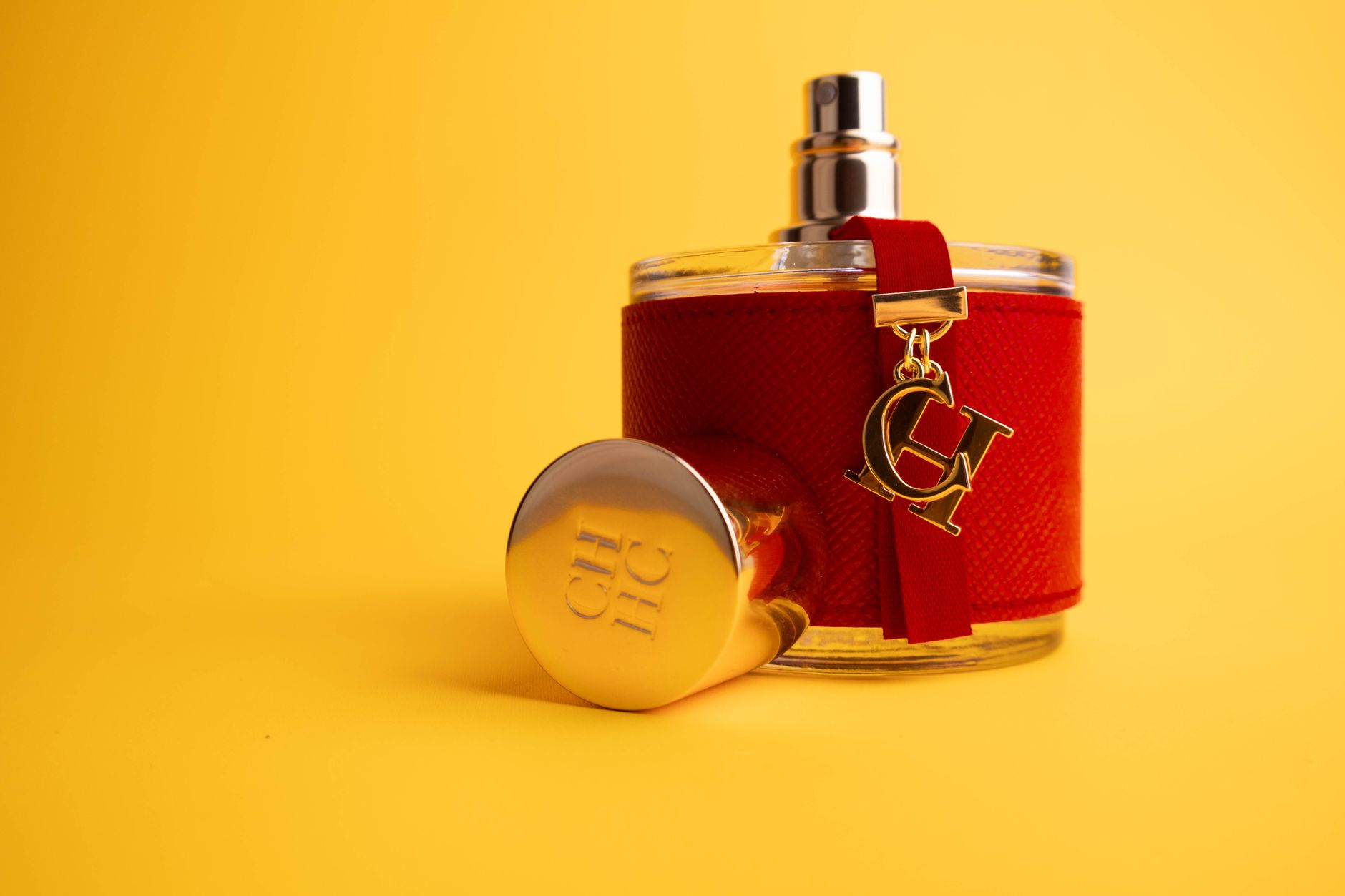 Photo by AGUSTIN MERCADO / Pexels
The fragrance market is one of the most opaque in consumer goods — marketing language ("seductive," "confident," "sensual") communicates nothing about how a perfume actually smells. Understanding the underlying architecture of fragrance helps you identify what you like, describe it to others, and make better purchases without wasting $80-200 on a bottle you'll never finish.
Fragrance Concentration: How Long It Lasts
Fragrance concentration refers to the percentage of aromatic compounds in a perfume formula. Higher concentration = longer-lasting, stronger scent, higher price:
Parfum / Extrait (20-40% concentration): The most concentrated form. Lasts 8-12 hours or longer. Often applied in small amounts (1-2 touches). Most expensive per bottle — but used so sparingly that cost-per-wear can be lower than EDT. Rarely available in everyday fragrances; more common in niche and artisan houses. Eau de Parfum / EDP (15-20%): The standard for premium fragrances. Lasts 6-8 hours. The most common format for designer and niche scents. The difference from Parfum is subtle for most people. Eau de Toilette / EDT (5-15%): The traditional "daily driver" format. Lasts 4-6 hours. More affordable for the same fragrance formula. Often the entry price point for designer fragrances. Eau de Cologne / EDC (2-4%): Light concentration, 2-3 hours longevity. The traditional men's fragrance format (though the gender distinction is now largely irrelevant). Body Spray / Mist (1-3%): The lightest form. 1-2 hours. Used for light, refreshing application. Practical conclusion: buy EDP for evenings and events; EDT for daily office use. The same fragrance in EDP form costs 20-30% more than EDT but lasts 25-50% longer.
Fragrance Families: The Foundation
All fragrances belong to one or more families based on their dominant ingredient character:
Fresh / Citrus: Bright, clean, energetic. Often built on bergamot, grapefruit, lemon, neroli, green tea, or aquatic notes. Dry down quickly (top notes fade fast). Best for: daytime, office, warm weather. Examples: Acqua di Giò (Armani), Bleu de Chanel EDT, CK One. Floral: The largest fragrance family. Range from light and sheer (jasmine, violet) to heavy and opulent (tuberose, gardenia). Universally wearable across occasions. Examples: Chanel No. 5 (aldehydic floral), Miss Dior (peony/rose), Jo Malone Peony & Blush Suede. Woody / Oriental: Warm, complex, sensual. Built on sandalwood, oud, cedar, vetiver, amber, and resins. Better longevity than fresh fragrances. Best for: evenings, cooler weather. Examples: Tom Ford Oud Wood, Dior Sauvage, Yves Saint Laurent Black Opium. Fougère (Fern-like): The traditional men's fragrance category. Lavender, coumarin, oakmoss, bergamot. The blueprint for countless men's colognes. Examples: Paco Rabanne Pour Homme, Azzaro Pour Homme. Gourmand: Sweet, food-like notes — vanilla, chocolate, caramel, coffee. Created in the 1990s with Angel (Mugler). Popular in feminine fragrances. Examples: Mugler Angel, Prada Candy, Lancôme La Vie Est Belle.

Understanding Notes: Top, Middle, Base
Fragrances evolve over time as different molecules evaporate at different rates:
Top notes: What you smell immediately — the first 15-30 minutes. Usually citrus, light herbs, fresh notes. They smell great in the bottle but aren't what the fragrance actually smells like on you. Middle notes (Heart): The true character of the fragrance. Emerge after 20-30 minutes, last 2-4 hours. Florals, spices, heavier herbs. This is what the perfume "is." Base notes: The foundation that anchors the fragrance. Emerge as the heart fades, last 4-8+ hours. Musks, woods, resins, vanilla, amber. The "dry down" — what you smell on your skin at the end of the day. Critical lesson: never buy a perfume based on how it smells in the bottle or on paper. Apply to wrist, walk away, return in 30 minutes, then judge on the middle notes. Return in 4-6 hours to assess the dry down. Online purchases: always order samples first.
Skin Chemistry and Why It Matters
Fragrances smell different on different people because skin chemistry — pH, hydration, body temperature, and natural oils — interacts with aromatic compounds. A jasmine-forward fragrance might smell powdery on you and green and fresh on someone else. This is not unusual; it's the nature of fragrance chemistry. It means: perfume reviews are only directionally useful. You need to wear it on your own skin. Fragrance projection ("sillage") — how far from your body a fragrance can be detected — also varies by skin type. Oily skin holds fragrance longer and projects more than dry skin. Hydrated skin holds fragrance better. Applying moisturizer (unscented) before fragrance increases longevity significantly.

Sampling Before Buying
Sampling services have made fragrance buying significantly better in the last 5 years. Services: Scentbird ($18/month): Monthly decant subscription. Access to hundreds of designer and niche fragrances in 8ml vials. Scentbox (similar pricing): Comparable service. Fragrantica.com (free resource): The Wikipedia of fragrance — user reviews, note breakdowns, and community ratings. Essential for research before purchasing. Brand sample programs: many luxury houses (Jo Malone, Diptyque, Le Labo) offer sample sets of $25-40 that can be credited toward a full bottle purchase. Always sample before buying a full bottle of anything over $50.
What We Recommend
Building a starting fragrance wardrobe: one fresh/citrus for daytime (Acqua di Giò EDT, $75-100 for 50ml), one woody/amber for evenings (Dior Sauvage EDP, $100-130 for 60ml), one floral for versatility (Marc Jacobs Daisy EDT, $70-90). Before any full bottle: subscribe to Scentbird for a month to sample candidates. See our best affordable fragrances, best cologne for men, and best perfume for women for specific picks.
How We Analyze Products
We analyze Amazon review data — often thousands of reviews per product — to surface patterns that individual buyers miss. Our process aggregates star ratings, review counts, and buyer sentiment at scale, identifying which strengths and weaknesses appear consistently across the largest review samples available.
Each product earned its placement through data: total review volume, average rating, and the specific praise and complaints that repeat most often across buyers. No manufacturer paid for placement on this page. Products appear here because buyers endorsed them at scale, not because a company asked us to feature them.
We use AI to summarize review sentiment — not to fabricate opinions, but to condense what thousands of buyers actually wrote into a readable format. The pros and cons you see reflect the most common themes found in verified purchaser reviews, paraphrased for clarity. We do not claim to have accessed Reddit, YouTube, or specific publications in generating these summaries.
Prices shown reflect Amazon pricing at the time this page was last generated. Click “See Today’s Price” to get the current live price on Amazon. Read our full methodology →