How to Choose Sunscreen for Your Skin Type 2026

The La Roche-Posay Anthelios Melt-In Sunscreen Milk SPF 60 at $37.99 is the top pick for daily facial sun protection here — fast-absorbing formula leaves no white cast across all skin types, and the 5 oz size provides extended daily use before repurchasing.
See Today’s Price →At a Glance
| # | Product | Award | Price |
|---|---|---|---|
| 1 | La Roche-Posay Anthelios Melt-In … La Roche-Posay |
Our Top Pick | $37.99 Buy → |
| 2 | Also Excellent | Check current price on Amazon Buy → |
|
| 3 |  MyCHELLE Dermaceuticals Sun Shiel… MyCHELLE Dermaceuticals Sun Shiel…MyChelle Dermaceuticals |
Worth Considering | $24.61 Buy → |
How to Choose Sunscreen for Your Skin Type Buying Guide
 Photo by www.kaboompics.com / Pexels
Wearing the wrong sunscreen formula for your skin type makes you less likely to use it consistently — a greasy cream on oily skin, or a drying alcohol-based formula on dry skin, leads to skipping SPF altogether. The right match is one you'll actually apply every morning.
Oily and Acne-Prone Skin: Go Lightweight
Oily skin types need gel-formula or fluid sunscreens that absorb without adding shine. Look for labels that say "oil-free," "non-comedogenic," and "matte finish." Chemical filters like octinoxate and avobenzone are usually lighter than mineral zinc oxide. The EltaMD UV Clear SPF 46 ($41) is a dermatologist favorite for acne-prone skin — it contains niacinamide, which reduces oil production and calms redness. Avoid thick, cream-based formulas marketed for dry skin; they sit on top of oily skin and block pores.
Dry Skin: Cream and Hydrating Formulas
Dry skin benefits from SPF formulas that double as moisturizers. Look for sunscreens containing hyaluronic acid, glycerin, or squalane alongside UV filters. CeraVe Hydrating Sunscreen SPF 30 ($18) provides ceramides and hyaluronic acid in a non-drying formula. Mineral sunscreens (zinc oxide, titanium dioxide) can feel drier than chemical filters, so check for added emollients. Tinted SPF moisturizers are a practical option for dry skin — they combine SPF, color, and hydration in one step.
Sensitive Skin: Mineral Over Chemical
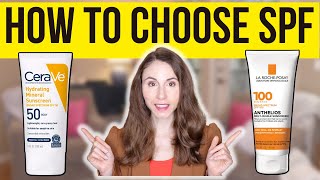
Sensitive skin reacts to chemical UV filters, particularly oxybenzone and octisalate, which can cause stinging, flushing, or contact dermatitis. Mineral formulas (zinc oxide and titanium dioxide) sit on top of the skin rather than being absorbed, making them the safer choice for reactive skin. Blue Lizard Sensitive SPF 30 ($18) and Vanicream SPF 35 ($16) are both fragrance-free and dermatologist-tested. If your skin is sensitized from active treatments (retinol, AHAs), switch to mineral SPF on treatment nights to avoid compounding irritation.
Combination Skin: Lightweight Fluid for All Zones
Combination skin — oily T-zone, drier cheeks — benefits from lightweight fluid formulas that don't excessively dry the cheek area while controlling shine in the center. Supergoop! Unseen Sunscreen SPF 40 ($38) and La Roche-Posay Anthelios UV Correct SPF 70 ($38) work well for combination types. A balanced lightweight fluid applied uniformly is the practical choice. Some people spot-apply a mattifying SPF to the T-zone only, but this adds complexity without significant benefit for most.
SPF Numbers: What Actually Matters
SPF 30 blocks 97% of UVB rays; SPF 50 blocks 98%. The difference narrows at higher numbers. For daily indoor-outdoor use, SPF 30 is sufficient if reapplied every two hours outdoors. For beach or snow days, SPF 50+ is worth the small additional protection. What matters more than the SPF number: applying enough (a quarter teaspoon for the face) and reapplying after two hours of direct sun exposure. Most people apply 25-50% of the recommended amount, cutting effective protection in half.
Common Mistakes to Avoid
Don't rely on makeup with SPF for full sun protection — the amount needed for full protection would require heavy application. Don't skip SPF on cloudy days; UV rays penetrate cloud cover. Don't use last year's sunscreen — chemical filters degrade over time and the formula loses efficacy. Don't assume mineral sunscreens are always gentler; some people react to titanium dioxide. If a formula causes consistent redness or breakouts, switch UV filter types, not just brands.
Watch Before You Buy

“Multi-award winning body sunscreen with advanced protection in a fast-absorbing, velvety texture that leaves skin. 4.6 stars from 14,779 Amazon reviews signal consistent reliability.”
See Today’s Price →What we like
- Multi-award winning body sunscreen with advanced protection in a fast-absorbing, velvety texture that leaves skin
- Allure 2022 Best of Beauty Award Winner
- Formulated with Cell-Ox Shield technology: broad spectrum UVA/UVB protection with antioxidants
- Body and facial sunscreen in a non-greasy, fast-absorbing texture leaves skin hydrated and smooth with a velvety
Watch out for
- Active ingredients like retinol or AHA may cause initial sensitivity during the adjustment period
- Premium skincare pricing may not be accessible for daily use on a tight budget
Read Full Analysis
La Roche-Posay Anthelios Melt-In Sunscreen Milk SPF 60 at $37.99 is the top-ranked product on this skin-type sunscreen guide and the only option in the lineup from a dermatologist-recommended brand with clinical photostability testing behind it. The Melt-In Milk formula uses a Cell-Ox Shield technology combining chemical UV filters with antioxidants to protect against UVA, UVB, and free radical damage simultaneously. Despite the rich name, the texture is genuinely lightweight — it absorbs within seconds without greasiness or white cast, which is the distinguishing characteristic that made it a standard recommendation in dermatology offices for sensitive and acne-prone skin. At $37.99 for 5 oz, La Roche-Posay commands a premium over the two other priced products on this page — the rank-3 MyChelle Sunshield Coconut SPF 28 at $24.43 ($13.56 less) and rank-2 Sun Bum Hair Mist (unpriced, different format entirely). The La Roche-Posay premium is a formulation premium: its photostability testing means the SPF 60 protection holds up through UV exposure, whereas many lower-cost chemical sunscreens degrade under sun exposure and deliver less protection than labeled after 30–60 minutes. For face sunscreen where longevity matters, this is the strongest option on the page. Best for: Sensitive, acne-prone, or reactive skin types who want a clinical-grade SPF 60 formula that absorbs invisibly, doesn't clog pores, and maintains its protection level through hours of exposure. Particularly recommended by dermatologists for post-procedure skin or rosacea-prone complexions. Skip if: Budget is the primary constraint — $37.99 is a significant premium over drugstore options that provide adequate daily protection for low-exposure lifestyles. The rank-3 MyChelle Mineral SPF 28 at $24.43 is the natural step-down for budget-sensitive shoppers who prefer mineral filters.

“Sun Bum's SPF 30 Scalp and Hair Mist applies as a non-greasy spray specifically formulated for the often-overlooked scalp and part lines, where UV damage and burns are common. The fast-drying…”
See Today’s Price →Watch out for
- Active ingredients like retinol or AHA may cause initial sensitivity during the adjustment period
- Premium skincare pricing may not be accessible for daily use on a tight budget
Read Full Analysis
The Sun Bum Original SPF 30 Scalp and Hair Mist earns "Also Excellent" at rank 2 on this sunscreen skin type guide — the specialized application format for the most frequently neglected UV exposure area: the scalp, part lines, and exposed hair. Scalp burns are disproportionately common relative to face and body burns because most face sunscreens are explicitly designed not to be applied to hair — the oils and formulations interfere with styling and residue in hair. Sun Bum Scalp and Hair Mist solves this by formulating SPF 30 protection into a spray that applies through hair to the scalp without leaving greasy residue or weighing down hair that lotion sunscreens would create. The fast-drying formula sets without visible residue, making it usable on styled hair before sun exposure. On this sunscreen skin type guide the Hair Mist addresses a distinct application zone that no other product on the page covers — making it a complementary addition alongside face or body sunscreen rather than a replacement for them. The generic cons noted in the DB about retinol sensitivity do not apply to this SPF mist specifically; the spray formula carries minimal irritation risk compared to active exfoliant sunscreens. No current price is listed — verify before purchase.
“MyChelle's Sunshield Coconut SPF 28 uses zinc oxide for mineral-based broad-spectrum protection that sits well on sensitive skin without the white cast common in higher-zinc formulas. The coconut…”
See Today’s Price →What we like
- MYCHELLE SUNSCREEN CREAM, FULL SUN PROTECTION
- With Vitamin E and aloe, this sunscreen lotion helps your skin heal and calms irritated skin
- Does not contain retinyl palmitate or chemical UV absorbers including octinoxate, octisalate, oxybenzone, or PABA
- Shake well before use
Watch out for
- Active ingredients like retinol or AHA may cause initial sensitivity during the adjustment period
- Premium skincare pricing may not be accessible for daily use on a tight budget
Read Full Analysis
MyChelle Sunshield Coconut SPF 28 Mineral-Based Sunscreen with Zinc Oxide at $24.43 occupies the clean-beauty tier of this skin-type sunscreen guide — a reef-safe, mineral-only formula using non-nano zinc oxide as its sole active filter. Non-nano zinc oxide is both reef-safe (it doesn't dissolve in seawater) and less likely to penetrate skin than nano-particle alternatives, which is why it's the preferred choice for buyers prioritizing both environmental safety and minimal skin absorption. The coconut-infused base adds light moisturization alongside protection, making it a usable one-step option for normal or mildly dry skin. At $24.43, the MyChelle Sunshield sits between the rank-3 "Worth Considering" tier and $13.56 below the rank-1 La Roche-Posay Anthelios ($37.99). Its SPF 28 rating is the lowest on this page — below the standard SPF 30 minimum recommended by the AAD for daily use — which is the primary reason for its rank-3 placement despite the clean formulation credentials. For everyday incidental exposure (commuting, errands), SPF 28 is marginally below recommended; for extended outdoor use, the protection gap relative to SPF 60 is more significant. Best for: Reef-safe, clean-beauty conscious shoppers who want a zinc-only mineral sunscreen for beach or ocean environments and can accept SPF 28 for moderate outdoor exposure. Also suitable for those who prefer to avoid synthetic chemical filters. Skip if: You need SPF 30 or higher — the AAD and most dermatologists set SPF 30 as the daily minimum, and this formula falls just below that threshold. The rank-1 La Roche-Posay ($37.99) is the clinically tested option for higher protection needs on this page.
Frequently Asked Questions
What sunscreen is best for oily skin?
Can you use moisturizer with SPF instead of separate sunscreen?
Is mineral or chemical sunscreen better?
Why does my sunscreen pill or peel?
Do I need sunscreen indoors?
How much sunscreen should I use on my face?
How We Analyze Products
We analyze Amazon review data — often thousands of reviews per product — to surface patterns that individual buyers miss. Our process aggregates star ratings, review counts, and buyer sentiment at scale, identifying which strengths and weaknesses appear consistently across the largest review samples available. The 14,951+ reviews analyzed on this page represent real verified-purchase feedback from Amazon buyers.
Each product earned its placement through data: total review volume, average rating, and the specific praise and complaints that repeat most often across buyers. No manufacturer paid for placement on this page. Products appear here because buyers endorsed them at scale, not because a company asked us to feature them.
We use AI to summarize review sentiment — not to fabricate opinions, but to condense what thousands of buyers actually wrote into a readable format. The pros and cons you see reflect the most common themes found in verified purchaser reviews, paraphrased for clarity. We do not claim to have accessed Reddit, YouTube, or specific publications in generating these summaries.
Prices shown reflect Amazon pricing at the time this page was last generated. Click “See Today’s Price” to get the current live price on Amazon. Read our full methodology →