How to Choose a Sunscreen: Mineral vs Chemical, SPF Numbers Explained (2026)
SPF 50 broad-spectrum is the practical target. Mineral sunscreen (zinc oxide) for sensitive skin and children — works immediately, no white cast in tinted formulas. Chemical sunscreen for daily face use under makeup — lighter texture, invisible finish.
At a Glance
| # | Product | Award | Price |
|---|
How to Choose a Sunscreen Buying Guide
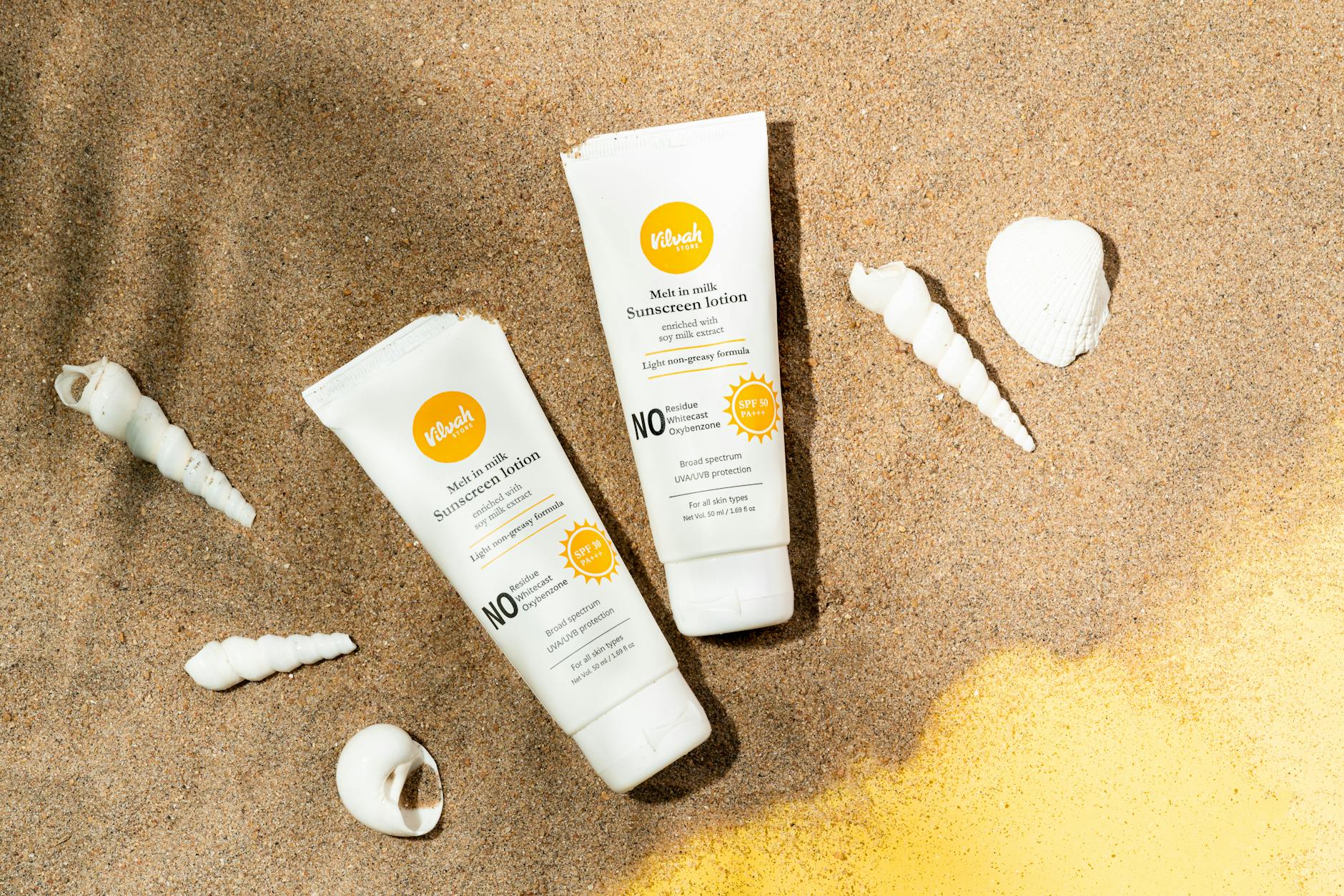 Photo by Vilvah Store / Pexels
SPF 30 or 50. Mineral or chemical. Stick, spray, or lotion. Sunscreen decisions generate more confusion per dollar than nearly any other skincare category. The core problem is that marketing language obscures three simple questions: what are you protecting against, what SPF number actually does, and which formulation fits how you will actually apply it. Answer those three and the decision simplifies considerably.
Mineral vs Chemical: The Real Difference
Mineral sunscreen (active ingredients: zinc oxide, titanium dioxide) sits on top of the skin and physically reflects and scatters UV rays. It works immediately upon application — no wait time needed. It is non-reactive and non-irritating for most skin types, making it the standard recommendation for sensitive skin, children, and people with rosacea or eczema. The downside: zinc oxide leaves a white cast, particularly on medium and darker skin tones. Tinted mineral formulas reduce the cast. Micronized zinc oxide (nano-sized particles) reduces whitening but raises concerns some dermatologists have noted about nanoparticle absorption — not conclusively harmful at current evidence levels, but worth noting.
Chemical sunscreen (active ingredients: avobenzone, oxybenzone, octinoxate, octocrylene) absorbs UV radiation and converts it to heat. It must be applied 15-20 minutes before sun exposure to activate. Chemical sunscreens have lighter, more cosmetically elegant textures that blend invisibly — no white cast. They are the practical choice for daily face wear under makeup and for darker skin tones. Oxybenzone has been flagged in environmental studies (reef damage) and some studies note it may be absorbed through the skin — the FDA is investigating but has not established harm at typical use levels.
Hybrid sunscreens combine both active ingredient types — they provide broad-spectrum coverage with improved texture compared to pure mineral formulas while reducing the chemical load compared to pure chemical formulas. La Roche-Posay Anthelios Mineral Ultra-Light and EltaMD UV Clear are widely cited examples.
SPF Numbers: What They Actually Mean
SPF measures protection against UVB rays (the burning rays). SPF 15 blocks 93% of UVB. SPF 30 blocks 97%. SPF 50 blocks 98%. SPF 100 blocks 99%. The jump from SPF 30 to SPF 50 is meaningful in clinical settings — in real-world use with imperfect application, most dermatologists consider SPF 30 the practical minimum and SPF 50 the functional target for extended outdoor exposure.
SPF does not measure UVA protection (the aging and cancer-causing rays). Look for "broad-spectrum" on the label — this is the FDA-regulated term that guarantees UVA coverage proportional to UVB. A high SPF number without "broad-spectrum" labeling is not comprehensive sun protection. PA ratings (PA+, PA++, PA+++) found on Asian sunscreen brands are UVA-specific ratings — PA+++ indicates high UVA protection.
Water Resistance Labels
FDA-regulated water resistance is labeled as either "40 minutes" or "80 minutes" — not "waterproof" (that claim is banned). A sunscreen labeled "80-minute water resistant" maintains its SPF level for 80 minutes of swimming or heavy sweating before requiring reapplication. Reapply every 2 hours during outdoor activity regardless of water resistance rating, and immediately after towel-drying. The water resistance test is measured in a pool — ocean conditions and heavy sweating accelerate degradation.
Formulation Types and Who Should Use Each
Lotion: Most control over coverage — you can see where you have applied it. Best for body application and face when you have time to blend. Most formulations. Stick: No mess, portable, precise for face and around eyes. Best for reapplication during the day, outdoor activities, and children's faces. Higher SPF concentrations possible in stick format. Slightly heavier feel. Spray: Fast full-body application, but harder to verify coverage — many dermatologists recommend rubbing sprays in after application to ensure even coverage. Not recommended for face (inhalation risk) — spray into hands and apply to face. Gel: Lightweight, non-greasy, popular for oily skin. Typically chemical-only (no mineral gel formulas available). Fast-drying.
Common Application Mistakes That Reduce Effectiveness
Using too little: most people apply 25-50% of the recommended amount. The FDA test standard is 2mg per square centimeter — for a full face application, this is approximately 1/4 to 1/3 teaspoon. Using makeup with SPF instead of dedicated sunscreen: the SPF in foundation would require 7-10x the normal makeup application to achieve the labeled SPF. Dedicated sunscreen then foundation on top is the correct order. Not reapplying: SPF protection decreases with sweat, swimming, and UV degradation — reapply every 2 hours outdoors.
How We Evaluated Sunscreens
We assessed sunscreens across five criteria: broad-spectrum coverage, formulation texture and wearability for daily use, water resistance rating where applicable, ingredient profile for sensitive skin compatibility, and price-per-ounce value. All referenced products meet FDA broad-spectrum requirements and are active Amazon listings with 4.2+ star ratings and 1,000+ verified reviews.
How We Analyze Products
We analyze Amazon review data — often thousands of reviews per product — to surface patterns that individual buyers miss. Our process aggregates star ratings, review counts, and buyer sentiment at scale, identifying which strengths and weaknesses appear consistently across the largest review samples available.
Each product earned its placement through data: total review volume, average rating, and the specific praise and complaints that repeat most often across buyers. No manufacturer paid for placement on this page. Products appear here because buyers endorsed them at scale, not because a company asked us to feature them.
We use AI to summarize review sentiment — not to fabricate opinions, but to condense what thousands of buyers actually wrote into a readable format. The pros and cons you see reflect the most common themes found in verified purchaser reviews, paraphrased for clarity. We do not claim to have accessed Reddit, YouTube, or specific publications in generating these summaries.
Prices shown reflect Amazon pricing at the time this page was last generated. Click “See Today’s Price” to get the current live price on Amazon. Read our full methodology →