How to Identify Your Skin Type and Build the Right Skincare Routine (2026)
The blotting paper test is the most accurate at-home skin type test: press clean blotting paper to your face 2 hours after cleansing. Lots of oil everywhere = oily. No oil anywhere = dry. Oil on T-zone only = combination. Minimal oil, no irritation = normal. Any redness or stinging with typical products = sensitive. Skin type changes with season, hormones, and age — reassess annually.
At a Glance
| # | Product | Award | Price |
|---|
How to Identify Your Skin Type and Build the Right Skincare Routine (2026) Buying Guide
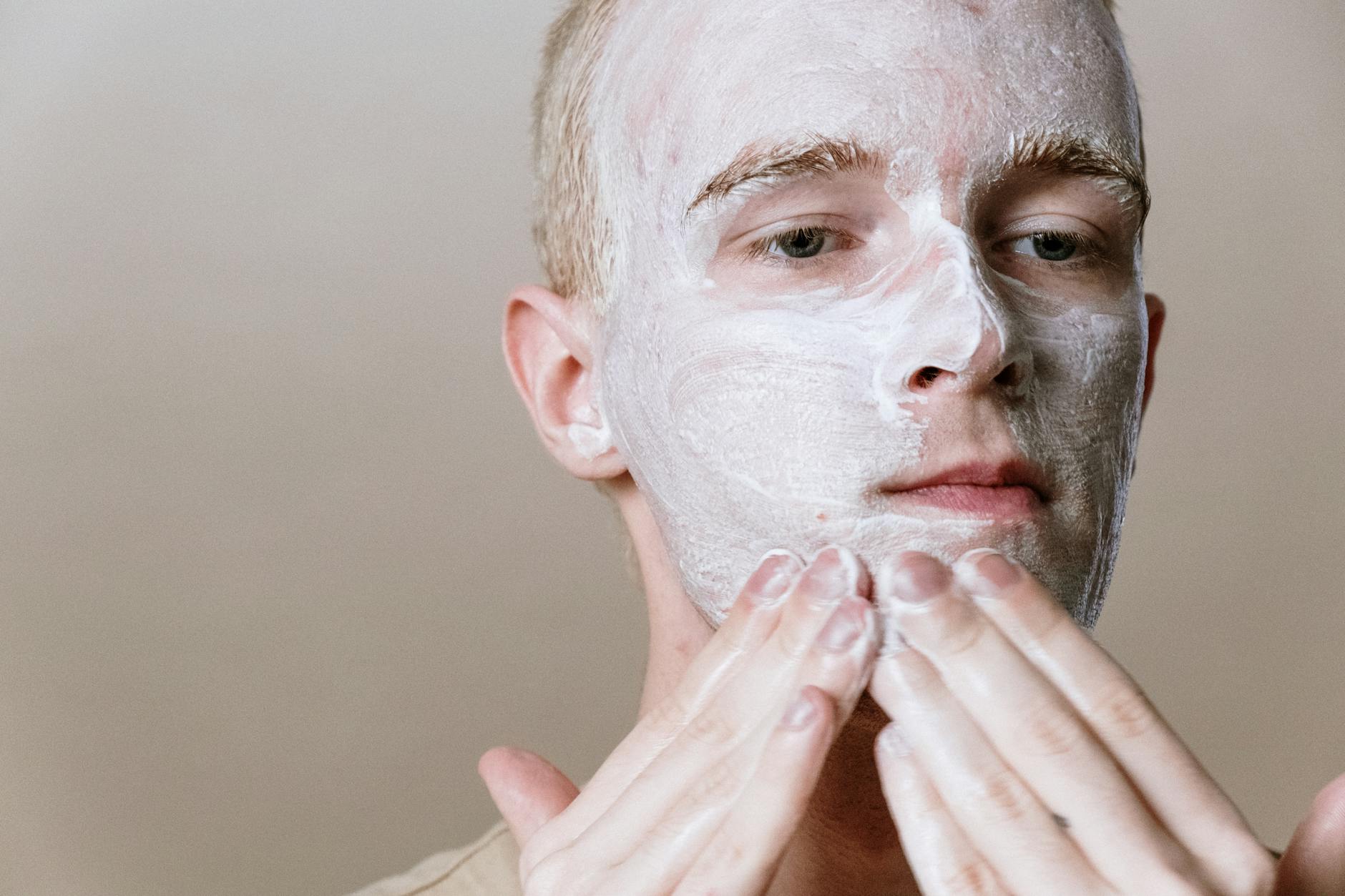 Photo by cottonbro studio / Pexels
The five skin types exist on a spectrum, and most people don't fit perfectly into one category — combination skin is the most common precisely because it spans characteristics of others. Misidentifying your skin type leads to using products that worsen rather than improve your skin: using mattifying products on dry skin strips moisture; using rich creams on oily skin increases breakouts. The test below takes 2 minutes and gives you an accurate baseline.
The Blotting Paper Test: Most Accurate At-Home Method
Cleanse your face with a gentle cleanser. Don't apply any products. Wait 2 hours (long enough for natural sebum to return to baseline). Press blotting paper or a single-ply tissue to your forehead, nose, cheeks, and chin separately. Look at what transfers: Oily: Heavy oil transferred from all zones. Skin appears shiny, pores are visible. Makeup doesn't last without primer. Dry: No oil transferred. Skin feels tight, may have flaky patches. Fine lines visible even without expressions. Combination: Oil from T-zone (forehead, nose, chin) but little to none from cheeks. The most common skin type. Normal: Minimal oil, no tightness, no visible pores, no flaking. The rarest type — most people self-identify as normal when they're actually combination. Sensitive: Redness, stinging, or irritation when using typical skincare products. Sensitivity is a characteristic that overlays any of the above types — you can have oily sensitive skin or dry sensitive skin.
Routine for Oily Skin
Oily skin overproduces sebum (skin oil) from overactive sebaceous glands. Goal: control excess oil without stripping — stripping triggers compensatory oil production that worsens oiliness. Cleanser: Gel or foaming cleanser with salicylic acid (BHA) — penetrates pores and dissolves excess sebum. Paula's Choice BHA Cleanser ($22) or Neutrogena Oil-Free Acne Wash ($10). Avoid: creamy or oil-based cleansers. Moisturizer: Yes, oily skin needs moisturizer — skipping it causes the skin to produce more oil. Use oil-free, water-based gel moisturizers: CeraVe PM Facial Moisturizing Lotion ($18) or Neutrogena Hydro Boost ($23). SPF: Mineral SPF (zinc oxide/titanium dioxide) is less likely to clog pores than chemical SPF filters: EltaMD UV Clear SPF 46 ($39). Key ingredient: Niacinamide (B3) regulates sebum production — The Ordinary Niacinamide 10% + Zinc ($8) applied morning and evening.

Routine for Dry Skin
Dry skin produces insufficient sebum and has a compromised moisture barrier. Goal: replenish lipids and seal moisture in. Cleanser: Cream or milk cleanser that doesn't strip natural oils: CeraVe Hydrating Cleanser ($14), Cetaphil Gentle Skin Cleanser ($10). Avoid: foaming cleansers, anything with alcohol high on the ingredient list. Moisturizer: Rich cream with ceramides, hyaluronic acid, and fatty acids: CeraVe Moisturizing Cream ($18, the iconic tub), First Aid Beauty Ultra Repair Cream ($22). Apply while skin is still slightly damp to seal in water. Overnight treatment: Occlusives (petrolatum, shea butter) applied over regular moisturizer create a barrier that prevents transepidermal water loss overnight. The "slugging" technique uses a thin layer of Vaseline ($4) on top of moisturizer. Key ingredients: Hyaluronic acid (attracts and holds moisture), ceramides (repairs moisture barrier), glycerin (humectant).
Routine for Combination Skin
Combination skin has different needs in different zones — the most common skin type and the one that requires the most adaptive approach. Strategy: treat the T-zone and cheeks differently rather than using one product for everything. Cleanser: Gentle gel cleanser that's effective without stripping: La Roche-Posay Effaclar Gel ($18), Cerave Foaming Facial Cleanser ($14). Moisturizer: Lightweight gel moisturizer on T-zone; richer cream on cheeks. Or: a single balanced moisturizer (Clinique Dramatically Different Moisturizing Gel, $30) used throughout. Targeted treatments: Salicylic acid spot treatment or niacinamide serum on T-zone; hyaluronic acid serum on drier areas.

Routine for Sensitive Skin
Sensitive skin reacts to many common ingredients — fragrances, alcohol, essential oils, some preservatives (methylisothiazolinone), and active acids in concentrations too high for reactive skin. Sensitive skin management is primarily about elimination. Patch test everything new: Apply behind ear or inside elbow for 24-48 hours before full face use. Fragrance-free is non-negotiable: Fragrance is the most common contact allergen in skincare. Every product in the routine should be fragrance-free. Minimal ingredient lists: Fewer ingredients = fewer potential irritants. Vanicream Moisturizing Skin Cream ($12) and CeraVe products are dermatologist-recommended for sensitive skin. Introduce one new product at a time: Wait 2 weeks before adding another — if a reaction occurs, you know which product caused it.
What We Recommend
Universal starting routine for any skin type: CeraVe Hydrating Cleanser ($14) + CeraVe AM Facial Moisturizing Lotion with SPF 30 ($17) + CeraVe PM Facial Moisturizing Lotion ($18). This $50 drugstore trio covers the basics without risk of irritation and is recommended by dermatologists across skin types. See our full best face moisturizers, best face cleansers, and best face sunscreens for specific picks by skin type.
How We Analyze Products
We analyze Amazon review data — often thousands of reviews per product — to surface patterns that individual buyers miss. Our process aggregates star ratings, review counts, and buyer sentiment at scale, identifying which strengths and weaknesses appear consistently across the largest review samples available.
Each product earned its placement through data: total review volume, average rating, and the specific praise and complaints that repeat most often across buyers. No manufacturer paid for placement on this page. Products appear here because buyers endorsed them at scale, not because a company asked us to feature them.
We use AI to summarize review sentiment — not to fabricate opinions, but to condense what thousands of buyers actually wrote into a readable format. The pros and cons you see reflect the most common themes found in verified purchaser reviews, paraphrased for clarity. We do not claim to have accessed Reddit, YouTube, or specific publications in generating these summaries.
Prices shown reflect Amazon pricing at the time this page was last generated. Click “See Today’s Price” to get the current live price on Amazon. Read our full methodology →