Best Baby Socks 2026: No-Slip Picks That Actually Stay On

Buy the Little Me 20-pack for newborns — you'll go through socks faster than you expect and having 20 pairs is genuinely useful. Switch to non-slip grip socks (Zaples or Burt's Bees) once your baby starts pulling to stand at around 6–9 months. Pick Burt's Bees if organic cotton is a priority for your family.
See Today’s Price →At a Glance
| # | Product | Award | Price | Our Score | |
|---|---|---|---|---|---|
| 1 | 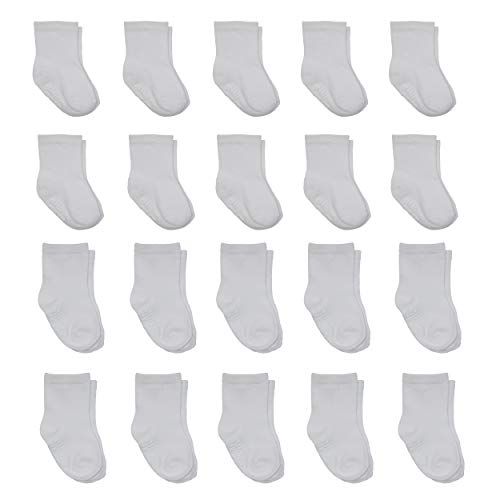 Little Me Newborn Baby Socks 20-Pack 0-… Little Me Newborn Baby Socks 20-Pack 0-… |
Best Overall | $9 | 9.2 | Buy → |
| 2 |  Zaples Baby Non-Slip Grip Ankle Socks f… Zaples Baby Non-Slip Grip Ankle Socks f… |
Best Non-Slip Grips | $14 | 8.9 | Buy → |
| 3 | 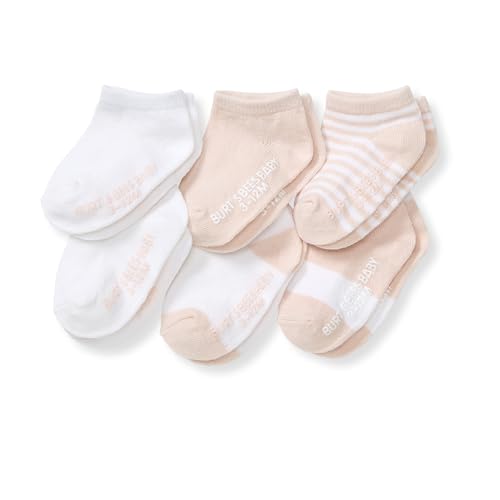 Burt's Bees Baby Baby Girls' Ankle Sock… Burt's Bees Baby Baby Girls' Ankle Sock… |
Best Organic Cotton | $18 | 8.5 | Buy → |
| 4 |  6 Pairs Toddler Ruffle Socks for Girls … 6 Pairs Toddler Ruffle Socks for Girls … |
Best Toddler Ruffle Grip | $14 | 8.2 | Buy → |
| 5 |  Baby Ruffle Socks Toddler Girls Non-Sli… Baby Ruffle Socks Toddler Girls Non-Sli… |
Best Frilly Ankle Style | $9 | 7.8 | Buy → |
Showing 5 of 5 products
Little Me Newborn Baby Socks 20-Pack 0-12 Months Assorted White
“The Little Me 20-Pack is the practical new parent buy — having 20 pairs means always having clean socks without constant laundry, and the assorted sizing extends the useful period.”
See Today’s Price →What we like
Watch out for
Read Full Analysis
Newborns go through socks rapidly — lost in the wash, outgrown in weeks, or removed repeatedly. Little Me's 20-pack gives you enough pairs to survive the wash cycle without scrambling for matching socks. Assorted white colorway keeps pairing simple. Soft cotton construction is gentle on delicate newborn skin. The 0–12 month range covers the most sock-intensive period without needing multiple size purchases. Best for new parents who want to stock up in a single order.

Zaples Baby Non-Slip Grip Ankle Socks for Infants, Toddlers & Kids
“Zaples grip ankle socks are a reliable budget pick for the early walking stage — the non-slip soles are functional and the per-pair price makes them practical to buy in large quantities.”
See Today’s Price →What we like
Watch out for
Read Full Analysis
The rubberized grip dots on the sole of Zaples baby socks prevent slipping on hardwood, tile, and any smooth surface. This becomes critical around 6–9 months when babies start pulling to stand and cruising along furniture. Available in multiple sizes from infant through toddler. The ankle design stays on better than tube socks — a common complaint with baby socks is that they come off constantly. Good combination of safety function (non-slip) and practical design (stays on feet).

Burt's Bees Baby Baby Girls' Ankle Socks with Non-Slip Grips (6-Pack)
“Burt's Bees Baby grip socks are the organic option for parents who prioritize material quality — the organic cotton is softer against baby skin, and the non-slip grips perform as well as mainstream al”
See Today’s Price →What we like
Watch out for
Read Full Analysis
Burt's Bees Baby uses GOTS-certified organic cotton, which means no pesticides, synthetic fertilizers, or bleach in the fiber. For newborns and infants with sensitive skin, organic cotton reduces exposure to chemical residues. The 6-pack includes non-slip grip dots on the sole. Colors are soft and well-designed — looks nicer than plain white for gift-giving. More expensive per pair than the 20-pack option, but worth it for parents prioritizing organic materials in baby clothing.

6 Pairs Toddler Ruffle Socks for Girls Baby Grip Socks Non Slip Socks Cute Grippy Frilly
“A practical 6-pack buy for parents who constantly lose toddler socks — the grip soles are essential for hardwood and tile floors, and the per-pair price makes replacement buying easy.”
See Today’s Price →What we like
Watch out for
Read Full Analysis
These 6-pack ruffle socks combine grip function with a more playful aesthetic designed for toddler girls. The non-slip rubber dots on the sole handle the safety requirement. Ruffle cuffs stay up better than plain cuffs on toddlers who pull at their clothes. Sized specifically for toddlers rather than the wider infant-to-toddler range, so fit is more precise. Good for the 12–36 month stage when grip socks are most important for active movers.

Baby Ruffle Socks Toddler Girls Non-Slip Cotton Frilly Ankle Socks
“Practical and cute toddler grip socks — the non-slip soles are the functional priority, and the ruffle detail adds a cute touch for everyday wear.”
See Today’s Price →What we like
Watch out for
Read Full Analysis
These frilly ankle socks are a lighter weight option for warmer weather or indoor wear. Non-slip grip sole keeps them functional as babies start moving. The ankle cut means less bulk — more comfortable for babies who don't like the feeling of sock material around their calves. Good pairing option with dresses or lighter outfits where you want a sock that stays but doesn't add visual bulk.
Baby Socks Buying Guide
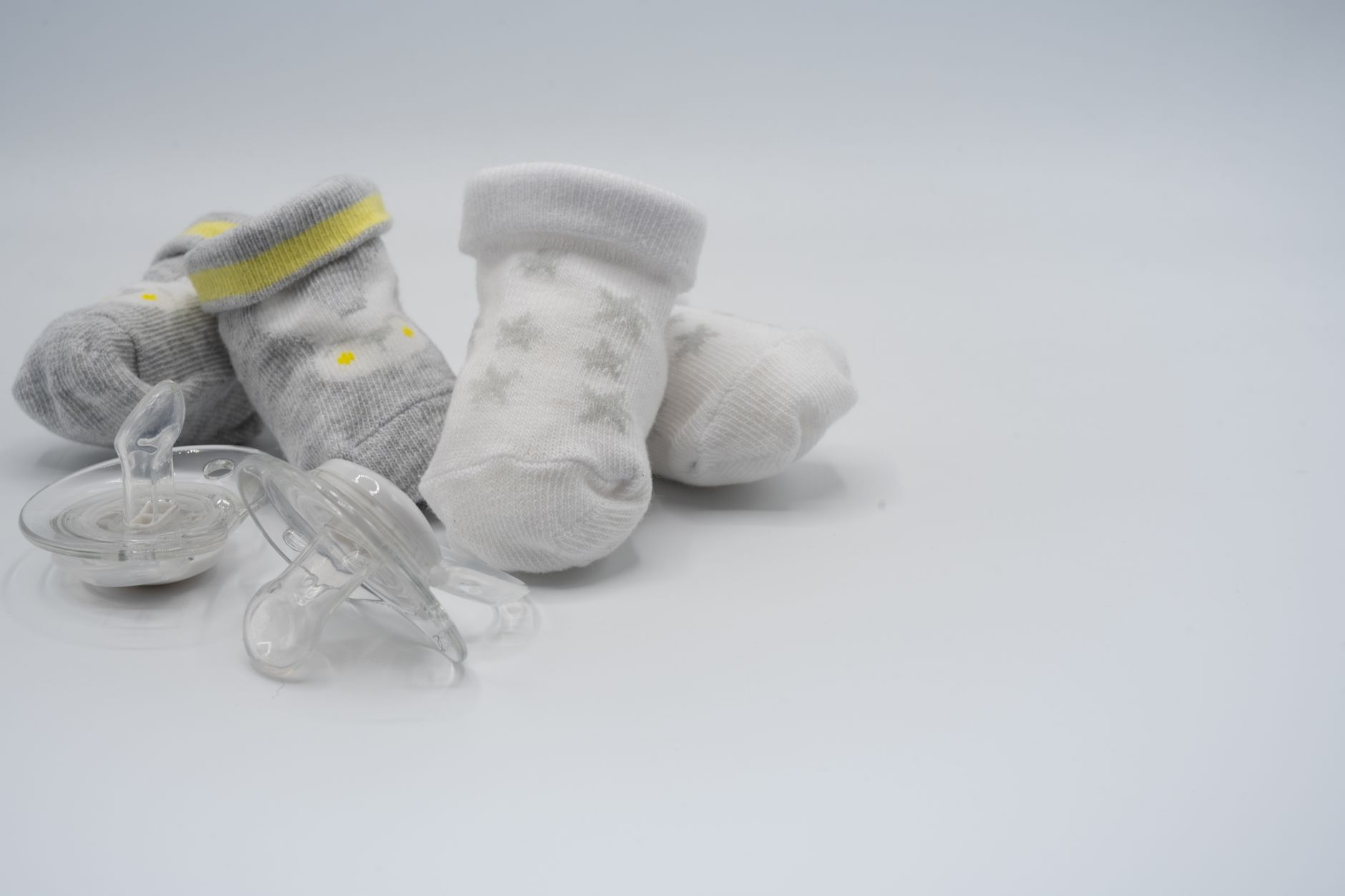 Photo by Abel García / Pexels
Why Baby Sock Sizing Is Tricky
Baby foot size grows rapidly and unpredictably. A newborn may outgrow "newborn" socks in 2–4 weeks. Rather than buying by labeled size (newborn, 0–3M, 6–12M), measure the foot length every month and match to the brand's size chart. Most quality baby sock brands include a foot length measurement chart rather than relying on age alone.
Buying too small is worse than too large — tight socks restrict circulation. Size up if you're between sizes.
Non-Slip Grips: When Do You Need Them?
Babies don't need non-slip socks until they start bearing weight on their feet — roughly 5–8 months when they begin pulling to stand. Before that, regular soft cotton socks are fine. Once a baby is cruising furniture or taking first steps (typically 9–12 months), non-slip grips are a meaningful safety feature on hardwood and tile floors.
For babies always carried or in a stroller, non-slip socks are optional. For active crawlers and walkers on smooth surfaces, they prevent slips that cause head bumps.
Material: Cotton Is the Standard
Most baby socks use cotton, cotton blends, or bamboo. Avoid synthetic-only socks for newborns — they don't breathe well and can trap heat. 100% cotton or organic cotton is the safest choice for infants with sensitive skin. Bamboo-cotton blends are very soft and breathable for summer wear.
Avoid wool for everyday wear unless it's specifically designed as a soft merino blend — some babies react to wool fiber against skin.
Staying On: The Main Problem with Baby Socks

Baby socks fall off. It's universal. Features that help:
- Ankle cuff design (stays higher up the ankle than tube socks)
- Elastic cuff with moderate tightness — enough to grip without restricting circulation
- Fold-over cuff designs that cinch the sock in place
- Slightly tight overall fit — looser socks fall off faster
No baby sock is stay-on-proof. Babies remove them intentionally and unintentionally. Buying a large quantity (10–20 pairs) means you always have pairs ready even after losing several to the dryer.
Organic Cotton: Worth It?

GOTS-certified organic cotton is free from synthetic pesticides, fertilizers, and bleaching agents used in conventional cotton processing. For infants who mouth their hands and feet (all of them), organic reduces chemical exposure. The cost premium is roughly 2–3x standard cotton. Many parents choose organic for items that touch skin directly (socks, onesies) and conventional for items farther from skin (outerwear).
For older kids and adults in the same household, our Best Athletic Socks 2026 covers performance picks for running and training. For winter warmth at any age, Best Wool Socks 2026 covers merino and wool-blend options ranked for warmth and durability. On a tight budget for the whole family? Best Socks Under $15 covers value picks that hold up through multiple washes.
Frequently Asked Questions
What size baby socks do I need for a newborn?
How many pairs of baby socks do I need?
When should babies stop wearing non-slip grip socks?
Can baby socks go in the dryer?
Are baby socks necessary in warm weather?
How We Analyze Products
We analyze Amazon review data — often thousands of reviews per product — to surface patterns that individual buyers miss. Our process aggregates star ratings, review counts, and buyer sentiment at scale, identifying which strengths and weaknesses appear consistently across the largest review samples available. The 59,642+ reviews analyzed on this page represent real verified-purchase feedback from Amazon buyers.
Each product earned its placement through data: total review volume, average rating, and the specific praise and complaints that repeat most often across buyers. No manufacturer paid for placement on this page. Products appear here because buyers endorsed them at scale, not because a company asked us to feature them.
We use AI to summarize review sentiment — not to fabricate opinions, but to condense what thousands of buyers actually wrote into a readable format. The pros and cons you see reflect the most common themes found in verified purchaser reviews, paraphrased for clarity. We do not claim to have accessed Reddit, YouTube, or specific publications in generating these summaries.
Prices shown reflect Amazon pricing at the time this page was last generated. Click “See Today’s Price” to get the current live price on Amazon. Read our full methodology →