Best Compression Socks for Running (2026)

The Physix Gear Sport Compression Socks 20-30mmHg is our top pick for Compression Socks for Running. True 20-30mmHg graduated compression. For budget shoppers, the Swiftwick Aspire Zero Running Socks offers solid value at a lower price.
See Today’s Price →At a Glance
| # | Product | Award | Price | Our Score | |
|---|---|---|---|---|---|
| 1 | Physix Gear Sport Compression Socks 20-… |
Best Overall | $21 | 9.2 | Buy → |
| 2 |  Thirty48 Elite Compression Socks 20-30mmHg Thirty48 Elite Compression Socks 20-30mmHg |
Also Excellent | $19 | 8.9 | Buy → |
| 3 | 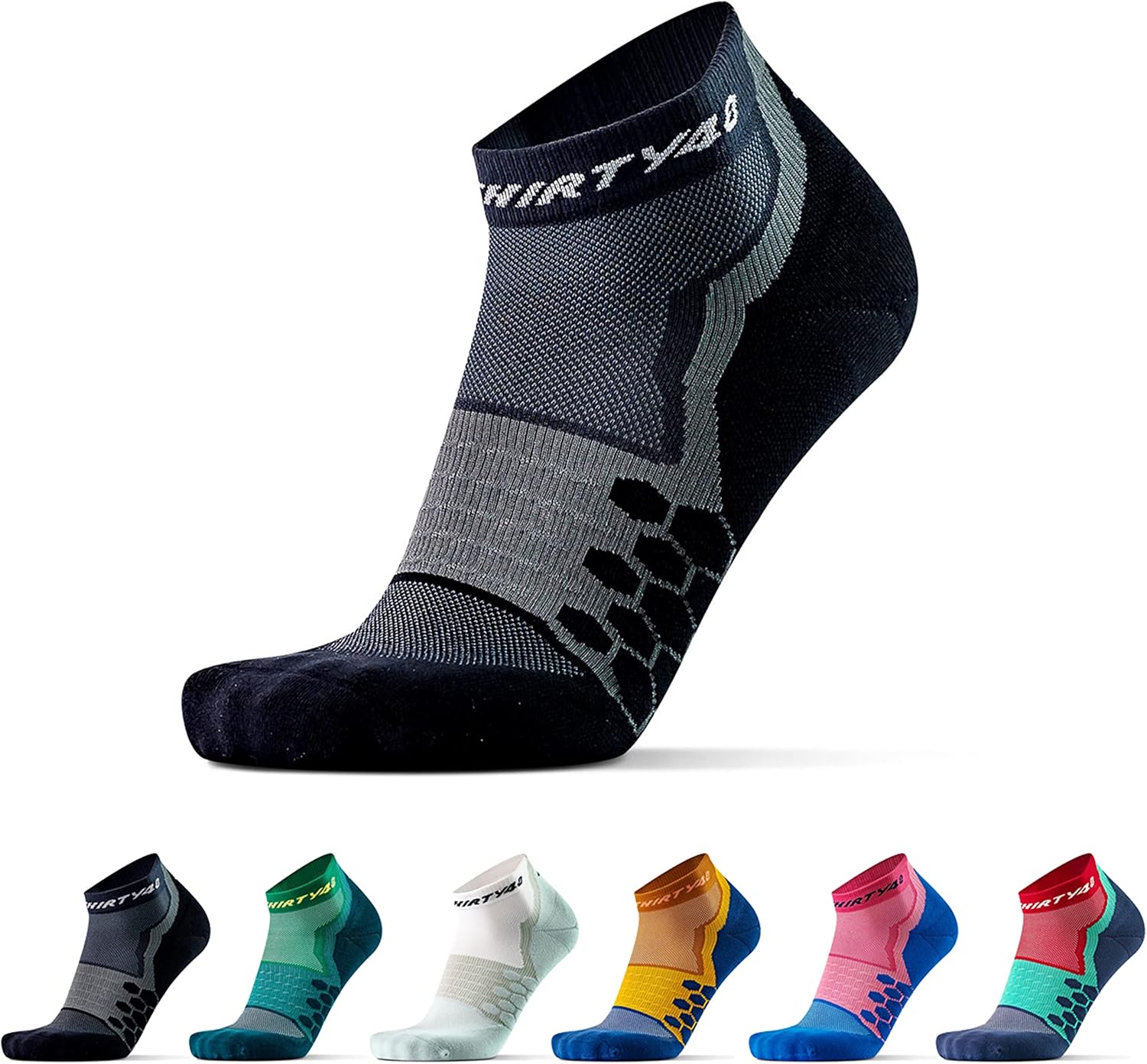 Thirty48 Performance Compression Low Cu… Thirty48 Performance Compression Low Cu… |
Best Budget | $14 | 8.5 | Buy → |
| 4 |  Swiftwick Aspire Zero Running Socks Swiftwick Aspire Zero Running Socks |
Budget Pick | $18 | 8.2 | Buy → |
Showing 4 of 4 products
Physix Gear Sport Compression Socks 20-30mmHg
“Physix Gear delivers genuine medical-grade 20-30mmHg compression with excellent moisture management, durable construction, and a wide size range — at an accessible price.”
See Today’s Price →What we like
- True 20-30mmHg graduated compression
- Excellent moisture-wicking fabric
- Durable — holds compression through many washes
- Unisex sizing with wide range
- Very popular with nurses and runners alike
Watch out for
- Takes practice to put on correctly
- Tighter than fashion compression socks — intentionally so
- Not ideal for ultra-sensitive skin
Read Full Analysis
Physix Gear's compression socks earn their top ranking through actual compression accuracy — most budget socks marketed as '20-30mmHg' fall short; these don't. The nylon/spandex blend provides excellent moisture-wicking, and the reinforced heel/toe areas survive heavy mileage without the compression degrading. The graduated compression design (tightest at ankle, looser at calf) is textbook correct for improving venous return during runs. Sizing is based on shoe size for the length but calf circumference for compression fit — measure carefully for best results.

Thirty48 Elite Compression Socks 20-30mmHg
“The Thirty48 Elite adds targeted cushioning at the heel and toe to the standard 20-30mmHg compression profile, making them particularly effective on long pavement runs.”
See Today’s Price →What we like
- 20-30mmHg graduated compression
- Extra heel and toe cushioning
- Moisture-wicking performance fabric
- Good durability across 50+ washes
- Available in multiple colors
Watch out for
- Runs slightly narrow — size up for wide feet
- Cushioning adds slight bulk
- Limited to knee-high height
Read Full Analysis
Thirty48's Elite socks differentiate from standard compression socks by adding cushioned zones at the heel and ball of foot — areas that take the most impact on hard surfaces. The 20-30mmHg compression is effective and holds through multiple washes. The moisture-wicking blend keeps feet drier than cotton-blend compression socks. Available in a range of colorways that don't look purely medical. Sizing runs slightly narrow; runners with wider feet should consider going up a size.
Thirty48 Performance Compression Low Cut Running Socks
“The best low-cut compression running sock — delivers 15-20mmHg compression in an ankle-height design for runners who find knee-high socks too warm or restrictive.”
See Today’s Price →What we like
- Low-cut design for warm weather running
- 15-20mmHg compression at key zones
- Non-slip heel tab prevents sliding
- Moisture-wicking construction
- Affordable
Watch out for
- Less effective than knee-high for full calf support
- 15-20mmHg is milder than full compression
- Smaller range of sizes
Read Full Analysis
For runners who find knee-high socks uncomfortable in warm weather, Thirty48's Performance Low Cut provides targeted compression at the foot and ankle — the most benefit-delivering zones in a low-cut form. The 15-20mmHg compression is lighter than knee-high options but still provides meaningful support and fatigue reduction. A non-slip heel tab prevents the sock from migrating during long runs. These are particularly popular for 5K and 10K racing in summer conditions.
Swiftwick Aspire Zero Running Socks
“Swiftwick's ultra-thin Aspire Zero provides light compression in a no-padding, minimalist design favored by trail runners and those in narrow racing shoes.”
See Today’s Price →What we like
- Ultra-thin profile — ideal for tight racing shoes
- Excellent moisture management
- Minimal seams — exceptional blister prevention
- Made in USA
- Very durable for the weight
Watch out for
- No cushioning — not for all runners
- Light 12-15mmHg compression only
- Premium price for thin socks
Read Full Analysis
Swiftwick built a dedicated following among trail runners and racing flat enthusiasts with the Aspire Zero. The near-zero thickness means no bunching inside tight racing shoes, and the minimal seam construction virtually eliminates blister formation. The light 12-15mmHg compression supports circulation without constriction in minimalist running. Olefin fiber construction wicks moisture faster than nylon — feet stay noticeably drier over long distances. Made in the USA with consistent quality control.
Compression Socks for Running (2026) Buying Guide
 Photo by RUN 4 FFWPU / Pexels
Quick Verdict: Our top pick is the Physix Gear Sport Compression Socks 20-30mmHg (Our Top Pick) — Best medical-grade compression socks for runners — effective, durable, well-priced.. Priced at $28.59.
Budget Pick: The Thirty48 Performance Compression Low Cut Running Socks at $9.99 — Best ankle-height compression sock for runners who run hot..
Great for: Runners, travelers on long flights, people on their feet all day, and anyone managing varicose veins or edema
Not ideal if: You sit at a desk all day and have no circulation concerns — compression is most useful when legs are active or stationary for long periods
Compression Level — 15-20mmHg is mild (recovery, everyday), 20-30mmHg is moderate (racing, long runs, medical). Graduated Compression applies most pressure at the ankle, decreasing up the calf — look for this in any serious running sock. Moisture-Wicking is critical — cotton holds sweat, polyester/nylon blends wick it away. Height — knee-high provides the most benefit; ankle-high is for lighter support. Sizing is based on calf circumference, not shoe size — measure carefully. The material your socks are made from matters more than most people realize — our merino vs synthetic guide explains when merino outperforms synthetic for moisture and temperature management.Related Guides
Who This Is For
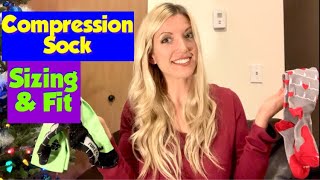
This guide is for runners, cyclists, hikers, and anyone who experiences leg fatigue, shin splints, or swelling during or after extended cardio activity. It is also valuable for people who stand for long shifts and use compression socks as a recovery and endurance tool. If you have been told by a doctor to wear compression socks for circulatory support during exercise, this guide helps you navigate the specific features that matter for athletic use versus medical compression.
What to Look For
- Compression level (mmHg): Athletic compression socks typically range from 15-20 mmHg (light compression, good for mild support and all-day wear) to 20-30 mmHg (moderate compression, better for running and recovery). Above 30 mmHg is considered medical-grade and generally requires a prescription. For most runners and active users without a diagnosed circulatory condition, 20-30 mmHg offers the best balance of performance benefit and wearability during extended activity.
- Graduated versus uniform compression: Graduated compression is tighter at the ankle and decreases toward the calf — this design actively assists venous blood return toward the heart, which is the mechanism behind reduced swelling and faster recovery. Uniform compression exerts equal pressure throughout and is simpler to manufacture but provides less circulatory benefit. All quality athletic compression socks use graduated compression; check that the product specifies this rather than just claiming "compression."
- Moisture management and fiber blend: During a run, compression socks trap significantly more heat than regular ankle socks. Merino wool blends regulate temperature better than pure synthetics but cost more and require more careful washing. Nylon-spandex blends dry fastest after sweating. Avoid cotton — it absorbs moisture, stays wet, and generates friction hot spots during long runs.
Common Mistakes
The most common mistake is putting compression socks on at the start of a run without warming up first — cold, constricted muscles under compression increase injury risk rather than reducing it. A five-minute easy warmup before pulling on compression socks allows muscles to reach working temperature before compression is added. The other frequent error is wearing compression socks that are too loose because the correct size feels uncomfortably tight initially — compression socks are supposed to feel firm and should require some effort to put on; a sock that goes on easily is providing very little actual compression.
Watch Before You Buy
Frequently Asked Questions
When should I wear compression socks while running?
Can I wear compression socks all day?
Do compression socks help with shin splints?
What should I look for when buying compression socks running?
How much should I expect to spend on compression socks running?
How We Analyze Products
We analyze Amazon review data — often thousands of reviews per product — to surface patterns that individual buyers miss. Our process aggregates star ratings, review counts, and buyer sentiment at scale, identifying which strengths and weaknesses appear consistently across the largest review samples available. The 99,163+ reviews analyzed on this page represent real verified-purchase feedback from Amazon buyers.
Each product earned its placement through data: total review volume, average rating, and the specific praise and complaints that repeat most often across buyers. No manufacturer paid for placement on this page. Products appear here because buyers endorsed them at scale, not because a company asked us to feature them.
We use AI to summarize review sentiment — not to fabricate opinions, but to condense what thousands of buyers actually wrote into a readable format. The pros and cons you see reflect the most common themes found in verified purchaser reviews, paraphrased for clarity. We do not claim to have accessed Reddit, YouTube, or specific publications in generating these summaries.
Prices shown reflect Amazon pricing at the time this page was last generated. Click “See Today’s Price” to get the current live price on Amazon. Read our full methodology →