Best Men's Running Shoes Under $100 2026
adidas Duramo SL 2 ($52.15) is the best men's running shoe under $100 — lightweight, responsive, and versatile enough for road running, gym workouts, and everyday wear.
Men's Running Shoes Under $100 Buying Guide
 Photo by RUN 4 FFWPU / Pexels
Quick Verdict: Our top pick is the adidas Men's Duramo Sl 2 Running Shoe (Best Overall) — adidas Duramo SL 2 — lightweight daily trainer at $52.. Priced at $52.15.
Great for: Runners logging 15+ miles per week, anyone with recurring knee or foot pain from worn-out shoes, and new runners building a habit
Not ideal if: You walk only or run occasionally on a treadmill — a cross-trainer offers more versatility at lower cost

Related Guides:
- The Hiking Layering System Explained — base, mid, and shell layers for any weather condition
- Boot Leather Types Guide — full-grain vs. suede vs. nubuck and how each ages
- Work Boot Safety Ratings Guide — ASTM, EH, SR, and waterproof ratings decoded
- How to Choose Running Shoes — fit, drop, support, and pronation — everything that matters
- Merino Wool vs Synthetic — which base layer is right for your activity and climate
Who This Is For
Men's running shoes under $100 is a productive budget for casual runners (3–5 days per week, 2–5 miles per run) who want genuine performance features without paying for professional race technology. At $70–$100, you can find shoes with real cushioning systems, adequate stability, and outsole durability that handles 400–500 miles of use. This is also the sweet spot for buying previous-season models from major brands — last year's ASICS Gel-Nimbus or Brooks Ghost often hit under $100 at outlet stores with identical midsole technology to current models.
What to Look For
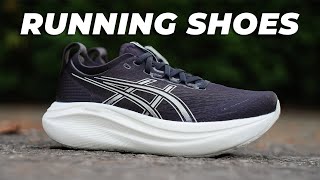
- Cushioning System Quality: At $70–$100, look specifically for brand-named foam technologies rather than generic EVA. ASICS Gel, New Balance Fresh Foam, HOKA CMEVA, Saucony PWRRUN — these proprietary foams last longer and provide more consistent cushioning than generic EVA. The foam type matters more than the brand name at this price tier.
- Heel-to-Toe Drop: Most traditional running shoes are 8–12mm drop. Minimalist shoes are 0–4mm. If you're switching drop significantly, transition gradually — Achilles tendinitis is the primary injury from too-rapid drop change. Confirm your current shoe's drop and stay within 4mm when buying new.
- Width Options: New Balance and Brooks offer 2E (wide) options in many models under $100. Nike and Adidas rarely offer wide options in this price range. If you have wide feet, New Balance is consistently the most accommodating brand at this price point.
- Return Policy: For under-$100 running shoes, buying from a retailer with a 30-day wear trial (REI offers this) is worth the slight price premium over a direct-sale site — it lets you run in the shoe and return it if it doesn't work for you rather than guessing from a store try-on.
Common Mistakes
Buying the newest model at full price when the previous-season model (identical construction, different color) is $30–$40 cheaper at outlet. Choosing a running shoe based on how it looks standing still rather than how it feels at a running pace — always jog a few steps in-store. And buying neutral running shoes when a gait analysis shows overpronation — stability shoes prevent knee drift that compounds into injury over hundreds of miles.

Price Context
$50–$70: entry-level from major brands (ASICS Gel-Contend, New Balance 411). $70–$90: legitimate performance shoes from ASICS, Saucony, New Balance with brand-name foam technologies. $90–$100: previous-season premium models (Ghost 14 outlet, Ultraboost 21 on sale) offering substantially better performance at the top of this range. Shopping REI sale events, Running Warehouse, and Road Runner Sports hits the best value at each level.
Who This Is For
This guide is for men who run regularly and want a capable training shoe under $100. It covers runners at all experience levels — beginners building weekly mileage, recreational runners doing 20 to 40 miles per week, and experienced runners looking for an everyday trainer that does not cost as much as their race shoe. At under $100, there are genuinely excellent daily trainers from major brands that handle high mileage without the premium price of top-shelf models.
What to Look For
- Midsole foam technology: The midsole is the primary cushioning layer and the main differentiator between a $60 shoe and a $150 shoe. At under $100, look for shoes using the brand's second-tier proprietary foam rather than their flagship technology — adidas Bounce versus Boost, Nike React versus ZoomX. These foams are still substantially better than generic EVA but cost less to manufacture. Knowing which foam tier you are getting helps set accurate expectations.
- Upper structure for your foot width: Men's running shoes are typically built on a standard D-width last. Runners with a narrow foot will find standard width shoes loose and prone to lateral slippage; runners with a wide foot will feel compression in the forefoot. Some brands (New Balance, Brooks, ASICS) offer genuine wide-width options at sub-$100 price points. Confirm your width before buying rather than assuming standard fits.
- Durability and outsole rubber coverage: A $90 shoe that lasts 300 miles costs 30 cents per mile. A $60 shoe that lasts 150 miles costs 40 cents per mile and requires more frequent replacement. Check the outsole rubber coverage — thin blown rubber on high-wear zones (heel strike, lateral forefoot) wears through quickly. Full rubber coverage on the outsole costs slightly more to manufacture but dramatically extends shoe life.
Common Mistakes
Replacing running shoes based on a fixed mileage number without considering body weight, running surface, and gait type leads to either premature replacement waste or running in dead shoes past their protective life. A lighter runner on soft trail surfaces will get 500 miles from a shoe that a heavier runner on pavement exhausts in 250 miles. Track shoe wear by feel and by visual inspection of the midsole compression, not just by counting miles.

At a Glance
| # | Product | Award | Price | Our Score | |
|---|---|---|---|---|---|
| 1 | 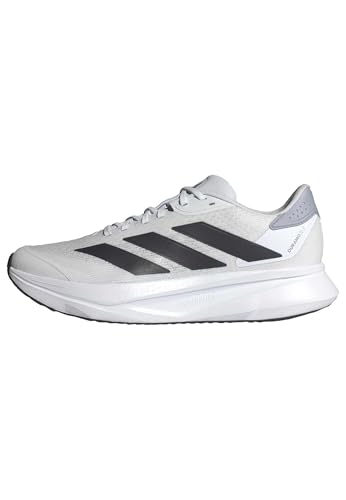 adidas Men's Duramo Sl 2 Running Shoe adidas Men's Duramo Sl 2 Running Shoe |
Best Overall | $52 | 9.2 | Buy → |
| 2 |  Nike Men's Revolution 8 Road Running Shoes Nike Men's Revolution 8 Road Running Shoes |
Best Brand Recognition | $59 | 8.9 | Buy → |
| 3 |  New Balance Men's Fresh Foam 520 v9 Run… New Balance Men's Fresh Foam 520 v9 Run… |
Best New Balance | $57 | 8.5 | Buy → |
| 4 | 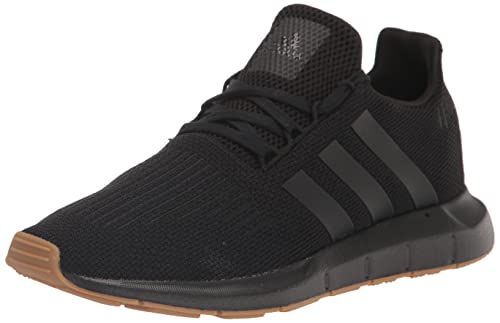 adidas Men's Swift Run 1.0 Shoes adidas Men's Swift Run 1.0 Shoes |
Best Casual Runner | $60 | 8.2 | Buy → |
| 5 |  Brooks Men’s Anthem 7 Neutral Running Shoe Brooks Men’s Anthem 7 Neutral Running Shoe |
Best Premium Pick | $84 | 7.8 | Buy → |
Showing 5 of 5 products
adidas Men's Duramo Sl 2 Running Shoe
“A reliable everyday training shoe from adidas at a competitive price — the Duramo SL 2 delivers lightweight comfort for gym sessions and casual running.”
See Today’s Price →What we like
Watch out for
Read Full Analysis
The adidas Duramo SL 2 is the best everyday running shoe under $60. The Cloudfoam midsole delivers comfortable cushioning for road running, treadmill work, and gym training. The lightweight mesh upper breathes well in warm weather. At $52.15 it's priced accessibly without sacrificing adidas quality. The versatile design works as a casual sneaker too — a practical daily-wear choice for runners who don't want a separate gym shoe.
Nike Men's Revolution 8 Road Running Shoes
“Nike's most affordable running shoe that delivers genuine comfort for daily short runs and gym sessions — an excellent entry point for new runners watching their budget.”
See Today’s Price →What we like
Watch out for
Read Full Analysis
The Nike Revolution 8 at $59.97 is Nike's entry-level road running shoe and a consistent performer. The foam midsole provides adequate cushioning for daily mileage. The rubber outsole handles both road and treadmill surfaces. The fit is slightly narrower than adidas — suits runners with medium to narrow feet. A trusted choice for runners who prefer Nike brand and fit characteristics over value maximization.
New Balance Men's Fresh Foam 520 v9 Running Shoe
“An accessible everyday running shoe for casual runners who want New Balance quality at an entry-level price — the Fresh Foam cushioning is comfortable for daily training.”
See Today’s Price →What we like
Watch out for
Read Full Analysis
The New Balance Fresh Foam 520 v9 at $57.39 is beloved for its unusually plush cushioning relative to its price. The Fresh Foam midsole absorbs road impact better than most competitors in this price range. Slightly heavier than the Duramo or Revolution but notably softer underfoot — ideal for runners with joint sensitivity or those logging higher daily mileage. The v9 update improves the upper fit and overall durability.

adidas Men's Swift Run 1.0 Shoes
“A versatile adidas sneaker that works for casual wear and light training — the Swift Run 1.0 offers clean adidas styling at a price that makes regular replacement affordable.”
See Today’s Price →What we like
Watch out for
Read Full Analysis
The adidas Swift Run 1.0 at $60 blurs the line between running shoe and lifestyle sneaker. The knit upper and streamlined silhouette look great off the gym floor while the cushioned midsole handles light running. Best for runners who prioritize style alongside performance and want a shoe that transitions from run to coffee without looking athletic. Not ideal for high-mileage training but excellent for casual joggers and daily walkers.

Brooks Men’s Anthem 7 Neutral Running Shoe
“A capable neutral running shoe from a trusted running brand — Brooks cushioning and fit quality make the Anthem 7 a reliable daily trainer for neutral runners.”
See Today’s Price →What we like
Watch out for
Read Full Analysis
The Brooks Anthem 7 at $84.95 is a step up in serious running shoe technology. DNA Loft v3 cushioning provides a luxuriously smooth ride that dedicated runners will notice versus budget foam. The engineered mesh upper provides a secure, sock-like fit. Brooks' running-specific design (versus lifestyle brands adapting running shoes) shows in the transition geometry and heel-to-toe flow. The best choice for runners logging 20+ miles per week who want real performance under $100.
Frequently Asked Questions
What men's running shoes under $100 actually perform?
Are $50 running shoes worth buying?
What is the best running shoe under $100 for flat feet?
Can I use running shoes for walking?
How do I find last season's running shoes for a discount?
How We Analyze Products
We analyze Amazon review data — often thousands of reviews per product — to surface patterns that individual buyers miss. Our process aggregates star ratings, review counts, and buyer sentiment at scale, identifying which strengths and weaknesses appear consistently across the largest review samples available. The 9,798+ reviews analyzed on this page represent real verified-purchase feedback from Amazon buyers.
Each product earned its placement through data: total review volume, average rating, and the specific praise and complaints that repeat most often across buyers. No manufacturer paid for placement on this page. Products appear here because buyers endorsed them at scale, not because a company asked us to feature them.
We use AI to summarize review sentiment — not to fabricate opinions, but to condense what thousands of buyers actually wrote into a readable format. The pros and cons you see reflect the most common themes found in verified purchaser reviews, paraphrased for clarity. We do not claim to have accessed Reddit, YouTube, or specific publications in generating these summaries.
Prices shown reflect Amazon pricing at the time this page was last generated. Click “See Today’s Price” to get the current live price on Amazon. Read our full methodology →