Best Women's Athletic Shoes 2026: Running, Cross & HIIT

The best women's athletic shoe for most people is the New Balance 608 V5 -- versatile enough for gym and daily wear at $49. For running, Brooks Glycerin 22 is the premium choice. For hiking in wet terrain, Columbia Newton Ridge Plus Waterproof is the clear pick.
See Today’s Price →At a Glance

Showing 3 of 3 products
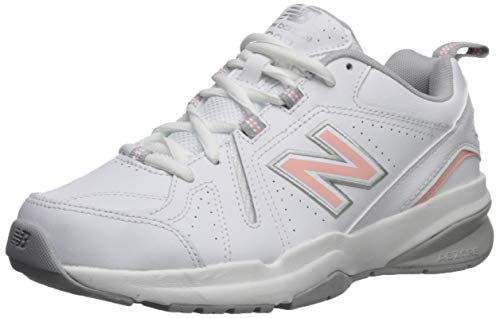
Women's 608 V5 Casual Comfort Cross Trainer
“The New Balance 608 V5 is the go-to comfortable gym shoe for women who stand or walk for hours — the wide toe box and padded collar make it significantly more comfortable for long sessions than fashio”
See Today’s Price →What we like
Watch out for
- At 10.3 oz, heavier than dedicated running shoes like New Balance Fresh Foam 1080 at 8.8 oz — not appropriate for speed work or road running distances above 5K
- EVA midsole cushioning optimized for standing and gym cross-training — less responsive energy return than React or Boost foam in Nike or Adidas running shoes at $90+
- Available in approximately 6 colorways versus the Fresh Foam or 990v5 lines with 15+ options — limited choice for color-specific coordination
Read Full Analysis
The New Balance Women's 608 V5 Casual Comfort Cross Trainer is built around a ABZORB cushioning midsole that handles the varied impact of gym training, walking, and casual daily use without feeling stiff or dead underfoot. The V5 update adds a slightly more flexible outsole and improved upper breathability compared to earlier versions. The shoe runs in standard widths but with a roomier toe box than typical athletic shoes -- beneficial for anyone with wider feet or who spends long hours on their feet. The outsole is a multi-surface design that handles gym floors, pavement, and light outdoor use equally well. At $49, the 608 V5 occupies the smart middle ground between budget athletic shoes and specialty performance footwear.

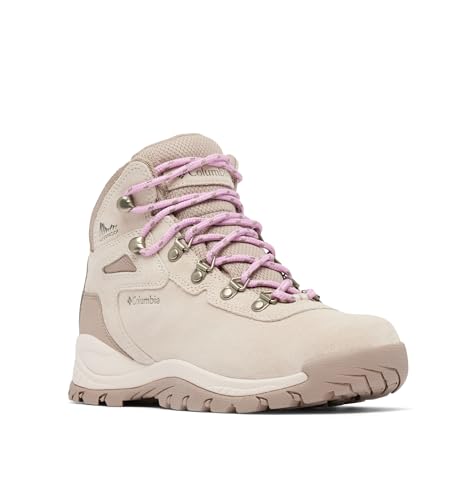
womens Newton Ridge Plus Waterproof Amped
“Columbia Newton Ridge Plus Waterproof is the reliable budget hiking boot for women — the waterproofing and trail traction handle most day hiking conditions at significantly less than premium boot pric”
See Today’s Price →What we like
Watch out for
Read Full Analysis
The Columbia Women's Newton Ridge Plus Waterproof Amped is a proper hiking shoe for people who actually hike. The Omni-Tech waterproofing keeps feet dry in light rain, stream crossings, and heavy morning dew -- the conditions most day hikers actually encounter. The Techlite midsole provides trail-appropriate cushioning without the excessive stack height that makes you feel unstable on uneven terrain. The multi-directional outsole lugs grip dirt, gravel, and moderate rock well. The shoe is available in both regular and wide widths and fits true to size for most wearers. At $86, it's priced for genuine outdoor use rather than the premium tier of serious alpine footwear. For casual hikers, weekend trail walkers, and anyone who needs a waterproof shoe for outdoor work, this is the practical choice.

Women’s Glycerin 22 Neutral Running Shoe
“Brooks Glycerin 22 is the neutral-gait daily trainer standard — the DNA LOFT cushioning is plush enough for long runs without sacrificing responsiveness, making it the right everyday mileage shoe.”
See Today’s Price →What we like
Watch out for
Read Full Analysis
The Brooks Glycerin 22 is a premium neutral cushioned running shoe built for runners who want maximum comfort over long distances. The nitrogen-infused DNA LOFT v3 midsole delivers a soft, responsive ride that doesn't compress flat after a hundred miles the way cheaper foam does. The engineered mesh upper is breathable and fits snugly through the midfoot without pressure points. The shoe excels on road surfaces but handles treadmill and packed trail adequately. The Glycerin line has been among the most consistently praised running shoes for daily trainers who prioritize cushioning. At $114, it's in the upper-mid range of running shoes -- justified by its longevity (most wearers get 400-500 miles before breakdown) and the consistent quality control Brooks maintains across production runs.
Women's Athletic Shoes Buying Guide
 Photo by Engin Akyurt / Pexels
Cross-Trainers vs. Running Shoes vs. Hiking Shoes: Key Differences
Cross-trainers are designed for multi-directional movement: lateral cuts, gym exercises, light cardio. They have flat, wide outsoles for stability on gym floors. Running shoes are built for forward motion with heel-to-toe cushioning optimized for high repetition. Hiking shoes have stiff midsoles and aggressive outsole lugs for traction on variable terrain. Using a running shoe on trails leads to premature wear; using hiking shoes for running feels heavy and stiff. Match the shoe to the primary use.
Cushioning Levels: How Much Is Right for You

More cushioning is not universally better. Maximum cushioning shoes (like the Glycerin) are ideal for long runs and high mileage, but some runners prefer the ground feel of a lower-stack shoe. Cross-trainers need moderate cushioning -- enough for comfort but not so much that lateral stability is compromised. Hiking shoes use firm midsoles intentionally: on uneven terrain, a very soft midsole causes ankle instability. Identify your primary activity before optimizing for cushioning level.
Waterproofing: When It's Worth the Premium
Waterproof shoes (using membranes like Gore-Tex or Columbia's Omni-Tech) keep water out but reduce breathability. In hot, dry conditions, a waterproof shoe will make your feet warmer and potentially cause more blisters from sweat. Waterproofing is worth the premium for: hiking in wet climates, early morning walks in dew-heavy grass, commuting in rainy cities, and outdoor work environments. For dry climates or indoor use only, skip the waterproofing and get better breathability.
Fit: Width, Toe Box, and Break-In Period
Athletic shoes should have about a thumb's width of space between your longest toe and the end of the shoe. Too tight causes toenail bruising on downhills; too loose causes heel slipping. Width matters: if your foot has historically felt cramped in standard-width shoes, look for D-width or wide options. Most athletic shoes have minimal break-in period -- if a shoe feels uncomfortable in the store, it won't improve significantly with wear. The exception is leather hiking boots, which do soften with use.
Midsole Materials: What the Marketing Actually Means
ABZORB (New Balance) is a proprietary cushioning compound for impact absorption. DNA LOFT (Brooks) is nitrogen-infused foam for a soft, responsive ride. Techlite (Columbia) is a lightweight EVA foam for trail use. These names are largely marketing, but each reflects a genuine design philosophy: ABZORB is durable and stable, DNA LOFT is soft and high-stack, Techlite is firm and trail-appropriate. Match the midsole philosophy to your activity requirements.
Price and Expected Lifespan
Cross-trainers at the $40-60 level typically last 6-12 months of regular gym use. Running shoes at $100+ typically last 400-500 miles of running. Hiking shoes at $80-100 can last 500+ miles of trail use with proper care. Higher price usually correlates with longer lifespan on technical athletic shoes -- cheap foam compresses and dies, cheap outsole rubber wears through faster. Calculate cost-per-use rather than upfront price when buying shoes for high-frequency use.
Athletic shoes complete the workout outfit — for the clothes that go with them, our starter workout clothes guide covers sports bras, leggings, and tops for a complete active kit. For yoga-focused training shoes and the leggings that pair with them, our women's yoga leggings guide is a natural companion. Buyers who want running-specific shoes in the same price range should check our running shoes under $100 guide for the gait-type considerations unique to running.
Frequently Asked Questions
Should athletic shoes be sized differently than regular shoes?
Can I use running shoes for hiking?
How do I know when athletic shoes need replacing?
Are wide-width options available for all three shoes?
What's the best shoe for someone who is on their feet all day at work?
How We Analyze Products
We analyze Amazon review data — often thousands of reviews per product — to surface patterns that individual buyers miss. Our process aggregates star ratings, review counts, and buyer sentiment at scale, identifying which strengths and weaknesses appear consistently across the largest review samples available.
Each product earned its placement through data: total review volume, average rating, and the specific praise and complaints that repeat most often across buyers. No manufacturer paid for placement on this page. Products appear here because buyers endorsed them at scale, not because a company asked us to feature them.
We use AI to summarize review sentiment — not to fabricate opinions, but to condense what thousands of buyers actually wrote into a readable format. The pros and cons you see reflect the most common themes found in verified purchaser reviews, paraphrased for clarity. We do not claim to have accessed Reddit, YouTube, or specific publications in generating these summaries.
Prices shown reflect Amazon pricing at the time this page was last generated. Click “See Today’s Price” to get the current live price on Amazon. Read our full methodology →