How to Choose Boot Leather (2026): Full Grain vs Top Grain vs Genuine
Leather quality hierarchy from best to worst: Full grain (entire grain layer intact, develops patina, most durable) → Top grain (buffed surface, slightly weaker, still good) → Corrected/genuine leather (heavily processed, less durable) → Bonded leather (leather scraps compressed with polyurethane, cracks and peels within years). Full grain boots last 10-30+ years and can be resoled. Genuine leather boots last 2-5 years. Bonded leather disintegrates.
How to Choose Boot Leather (2026) Buying Guide
 Photo by Mike Tyler / Pexels
This guide is for you if:
-
You're buying outdoor or work clothing and want to understand what materials and features matter
-
You're comparing synthetic and natural fiber options and want honest performance comparisons
-
You want to build a layering system that works across temperature ranges
Skip this guide if:
-
You're a professional outdoor guide or mountaineer with established preferences
-
You just want a specific clothing recommendation — see our comparison pages
Quick verdict: Leather quality hierarchy from best to worst: Full grain (entire grain layer intact, develops patina, most durable) → Top grain (buffed surface, slightly weaker, still good) → Corrected/genuine leather (heavily processed, less durable) → Bonded leather (leather scraps compressed with polyurethane, cracks and peels within years). Full grain boots last 10-30+ years and can be resoled.
| Best For | |||||
| Where It Comes From | |||||
| Durability | |||||
| Water Resistance | |||||
| Break-In Period | |||||
| Price Range | |||||
| Our Pick |
## The Leather Quality Hierarchy
The boots you're looking at might say "genuine leather" on the label and seem like a good deal. In most industries, "genuine" implies authenticity — but in leather goods, "genuine leather" is actually one of the lowest quality designations. Understanding why requires understanding how leather is made.
---## How Leather Is Made: From Hide to Boot
Animal hide (cow, buffalo, pig, deer) consists of three main layers: 1. The grain layer — the outermost surface, densely packed collagen fibers, natural texture, natural water resistance 2. The corium/junction layer — the transitional zone 3. The split/flesh layer — the innermost layer, loosely packed fibers, less dense, weaker
The grain layer is where all the quality lives. Its tightly interlocked fiber structure is what gives leather strength, durability, and the ability to develop patina (the beautiful, rich darkening of aged leather). The split/flesh layer is far less dense, weaker, and requires processing to be usable.
Every category of leather is defined by how much of this grain layer is retained.
---## Full Grain Leather: The Best
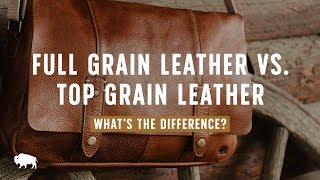
Full grain leather retains the entire grain layer intact. The natural surface of the hide — pores, grain texture, and all — is visible. No sanding, buffing, or removal of the top surface.
What full grain leather looks like: Natural grain texture with subtle variations across the surface. No two pieces of full grain leather look identical. You'll see natural pores, small marks (healed scars, insect bites), and slight color variations. These are features, not defects — they're proof you have the real thing.
What full grain leather feels like: Firm and structured when new. The break-in period for full grain boots is real — plan on 2-4 weeks of regular wear before they conform to your foot. But here's what makes it worth it: after break-in, full grain leather molds specifically to your foot and becomes arguably the most comfortable boot you own. That custom fit is why serious boot wearers are obsessive about their brands.
How full grain ages: This is where full grain becomes exceptional. Over months and years of wear, full grain leather develops a patina — a deepening, darkening sheen that builds at stress points and wear areas. A pair of Red Wing Iron Rangers or Thorogood American Heritage boots that have been worn for 3 years look dramatically richer than they did new. Each scuff and crease tells a story. The leather is literally getting better.
Durability: Full grain boots routinely last 10-20 years with proper care. Many vintage boot enthusiasts own full grain boots that are 30-50 years old and still function. This is possible because full grain leather can be reconditioned, re-waterproofed, and — critically — resoled. The upper outlasts multiple soles.
Price: Full grain leather costs more to produce and represents a smaller portion of the hide (only the best hides qualify). Quality full grain boots typically start at $200-300 and climb to $500+ for heritage brands.
---## Top Grain Leather: Slightly Processed, Still Excellent
Top grain leather starts with the same top grain layer but has its outermost surface sanded or buffed to remove natural imperfections — the pores, small scars, grain variation. A uniform finish is then applied.
What top grain looks like: More consistent color and texture than full grain. Less natural grain visible. Often has a slightly polished appearance compared to the matte surface of full grain.
The trade-off: The buffing process removes some of the densest fibers from the grain layer. Top grain leather is slightly less breathable and slightly less moisture-resistant than full grain. It doesn't develop patina in the same way — instead of deepening with character, it tends to show wear as surface scratches and abrasion.
Durability: Still excellent. Top grain boots last 5-15 years depending on care. Still resole-able. Still a quality product that most consumers would be very happy with.
Where you find it: Most mid-range designer shoes, quality casual shoes, and many mid-grade work boots use top grain. It's the second tier of quality leather — genuinely good, just not the top.
---## Split Leather (Suede and Nubuck): Grain-Less
The hide is split horizontally: the top becomes top or full grain leather; the bottom split becomes split leather.
Suede is the flesh side of split leather, typically of pig or cow hide. It has a soft, velvety nap texture. Beautiful but porous — far less water-resistant than grain leather.
Nubuck is full grain leather that's been sanded or buffed to create a suede-like velvety surface on the grain side. It retains the grain layer's structure (stronger than suede) but sacrifices surface water resistance.
Durability: Less than grain leather. Suede and nubuck stain easily, scuff visibly, and require dedicated waterproofing products. They're primarily for appearance-focused footwear rather than hard-use boots.
---## Corrected-Grain Leather: Processed for Uniformity
Corrected-grain leather takes hides with significant surface imperfections — blemishes, scars, damage — and heavily sands the grain surface, then applies an embossed artificial grain pattern and pigment coating.
Watch Before You Buy


At a Glance

Showing 3 of 3 products

SUREWAY 6 in Full Grain Leather Steel Toe Work Boots Goodyear Welt
“A well-constructed steel-toe work boot with Goodyear welt durability for those who spend long days on their feet — the full-grain leather improves with wear and age.”
See Today’s Price →
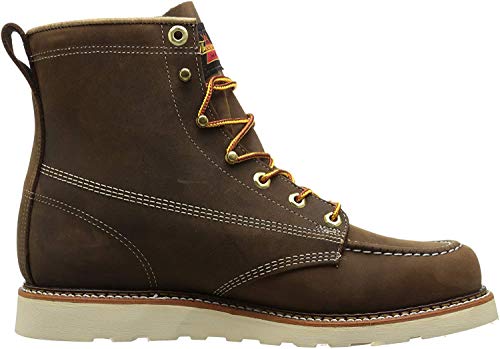
Thorogood American Heritage 6-Inch Moc Toe Work Boot (EH, Soft Toe)

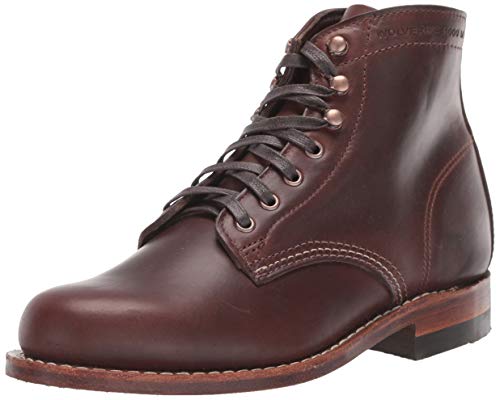
Wolverine Men's 1000 Mile Leather Fashion Boot
“Wolverine 1000 Mile Goodyear welt construction makes these the best resoleable leather boot under $300 — the leather improves with conditioning and wears in over 6-8 weeks of daily use.”
See Today’s Price →Frequently Asked Questions
What is the difference between full grain and genuine leather?
How long do full grain leather boots last?
What is Goodyear welt construction?
What's the difference between chrome tanning and veg tanning?
How often should I condition leather boots?
Do cedar shoe trees really make a difference?
Can you waterproof leather boots?
What is bonded leather and why is it bad?
How We Analyze Products
We analyze Amazon review data — often thousands of reviews per product — to surface patterns that individual buyers miss. Our process aggregates star ratings, review counts, and buyer sentiment at scale, identifying which strengths and weaknesses appear consistently across the largest review samples available. The 2,525+ reviews analyzed on this page represent real verified-purchase feedback from Amazon buyers.
Each product earned its placement through data: total review volume, average rating, and the specific praise and complaints that repeat most often across buyers. No manufacturer paid for placement on this page. Products appear here because buyers endorsed them at scale, not because a company asked us to feature them.
We use AI to summarize review sentiment — not to fabricate opinions, but to condense what thousands of buyers actually wrote into a readable format. The pros and cons you see reflect the most common themes found in verified purchaser reviews, paraphrased for clarity. We do not claim to have accessed Reddit, YouTube, or specific publications in generating these summaries.
Prices shown reflect Amazon pricing at the time this page was last generated. Click “See Today’s Price” to get the current live price on Amazon. Read our full methodology →