How to Layer for Hiking: Base Layer, Mid Layer and Shell Explained
The three-layer system: (1) base layer — wicks sweat away from skin; merino wool or synthetic polyester, never cotton; (2) mid layer — insulates; fleece, down, or synthetic puff; (3) outer layer — blocks wind and rain; waterproof shell or rain jacket. The cardinal rule: cotton kills — it holds moisture, loses all insulating value when wet, and accelerates hypothermia. Budget build: synthetic base ($30-50), fleece jacket ($40-80), rain jacket ($50-100).
How to Layer for Hiking Buying Guide
 Photo by Omar Tapia / Pexels
Quick Verdict: Our top pick is the Men's Lightweight Packable Puffer Vest Jacket (Standard and Big & Tall) (Best Overall) — consistently top-rated in its category. Priced at $49.
This guide is for you if:
-
You're starting to hike and need to understand what gear is actually essential

-
You've been hiking in casual sneakers and want to know when to upgrade to hiking boots
-
You want to understand the layering system before investing in expensive outdoor clothing
Skip this guide if:

-
You're an experienced backpacker or thru-hiker — this is for day hikers and beginners
-
You just want gear recommendations — see our hiking comparison pages
Quick verdict: The three-layer system: (1) base layer — wicks sweat away from skin; merino wool or synthetic polyester, never cotton; (2) mid layer — insulates; fleece, down, or synthetic puff; (3) outer layer — blocks wind and rain; waterproof shell or rain jacket. The cardinal rule: cotton kills — it holds moisture, loses all insulating value when wet, and accelerates hypothermia.

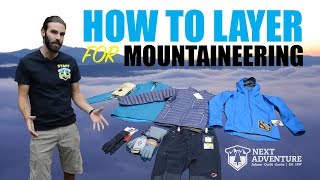
Before modern outdoor fabrics, hikers wore wool — a natural fiber that stays warm even when wet, wicks some moisture, and doesn't stink after days of wear. Then synthetic materials arrived. Then waterproof-breathable membranes. The layering system evolved as the answer to a single problem: how do you regulate body temperature across wildly different conditions — from sweating on an uphill to standing still in a cold wind — using clothing you can carry in a daypack?
The answer is three specialized layers, each doing one specific job. When combined, they create an adaptive system more effective than any single garment.
Before we go layer by layer, the most important lesson in outdoor clothing: cotton kills.
This isn't marketing copy from a Gore-Tex brand. Cotton is the most dangerous fabric you can wear in any outdoor situation where getting wet is possible, which is every outdoor situation.
Here's the physics: cotton absorbs up to 27 times its weight in water. When wet, cotton loses virtually all its insulating properties — it conducts heat away from your body up to 25 times faster than dry cotton. The evaporative cooling effect of wet cotton accelerates heat loss further.
The real scenario: You're hiking at a moderate pace. Body temperature is up, you're sweating. Your cotton T-shirt gets saturated with sweat. You stop at a viewpoint to rest. Wind picks up. The wet cotton against your skin now acts as a refrigerant. Your core temperature drops. Shivering starts. This is the beginning of hypothermia — at 60°F on a summer day, not in a blizzard.
Hypothermia cases happen most commonly in temperatures between 30-50°F — not in extreme cold. It's the "not that cold" days when people skip the technical layers, wear jeans and a cotton sweatshirt, get caught by afternoon weather, and end up in trouble.
The alternatives: Merino wool and synthetic polyester both retain some insulating value when wet. Merino especially — a wet merino base layer is still a functional insulating layer. Not optimal, but survivable. A wet cotton T-shirt is a liability.
The only place cotton belongs on a hike: city day hikes in guaranteed good weather where the worst outcome is being mildly uncomfortable, and you have a bail-out option within reach.
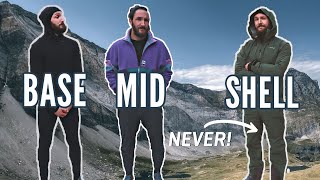
Merino is the premium choice for base layers, and for good reason. Merino fibers are extraordinarily fine — typically 17-19 microns in diameter compared to regular wool's 30+ microns. This fineness is what makes merino soft against skin, not scratchy like your grandfather's wool sweater. You can wear merino directly against skin for hours with zero irritation.
What merino feels like: Imagine a T-shirt that's slightly heavier and denser than a standard cotton tee, but doesn't feel stiff. Against skin, it's smooth and cool-feeling initially — merino has a naturally cool-to-the-touch surface even at moderate weights. When you warm up, it feels comfortably snug without cling.
Why merino wins on odor: Wool fibers have a complex scaly structure that mechanically disrupts bacteria and absorbs odor molecules into the fiber core. After a full day of hiking — the kind where you're genuinely working hard — a merino base layer smells faintly of nothing. Or at most, faintly of wool. The same day in a synthetic base layer often means you can't leave the tent without apologizing. Merino's odor resistance is not close — it's dramatically better than any synthetic, and it allows multi-day wear that synthetic cannot match.
Weight classifications:
- Lightweight (150g): Summer hiking, aerobic activities, warm conditions. Moves sweat fast.
- Midweight (200g): 3-season hiking, moderate to cold conditions. The most versatile weight.
- Heavyweight (250-260g): Winter hiking, cold camping, base layer in severe conditions.
Synthetic base layers (polyester, polypropylene) move sweat faster than merino and dry significantly faster. They're also cheaper and more durable.
What synthetic feels like: Varies dramatically by construction. Cheap polyester feels plasticky and holds odor. Quality synthetic (Under Armour ColdGear, Patagonia Capilene, Smartwool's synthetics) feels lightweight, smooth, and almost slippery-soft. Technical synthetics often have a "second skin" sensation — you barely notice you're wearing it.
Drying speed: Synthetic polyester dries 3-5x faster than merino. If you're moving fast in variable weather — sweating hard, stopping in wind, sweating again — synthetic keeps you drier. The moisture doesn't linger.
Where synthetic loses: Odor. After one hard day, a synthetic base layer is often unwearable without washing. This makes them less ideal for multi-day trips without laundry access.
The case for synthetic: Gym use, single-day hikes, kayaking or water activities (faster dry time matters enormously), alpine climbing where weight is critical, and any use case where you'll wash after every use.
Watch Before You Buy

At a Glance

Showing 3 of 3 products
Icebreaker Men's 200 Oasis Long Sleeve Crew Merino
“Best merino long sleeve base layer”
See Today’s Price →What we like
- 200 weight for colder temps
- Long sleeve base layer
- Flatlock stitching for comfort
Watch out for
- Expensive
- Too warm for spring/fall
Read Full Analysis
The Icebreaker 200 Oasis at $109.99 is the merino base layer standard for three-season hiking — 200 g/m2 weight sits in the ideal range between summer-weight 150 and expedition-weight 260, making it usable as a standalone top in cool weather and as a mid-layer base in cold conditions. Merino wool regulates temperature across a wider range than any synthetic base layer, wicks moisture without retaining odor, and remains comfortable worn for multiple days between washes — a meaningful advantage on multi-day hikes. The Oasis fit is athletic but not compressive, with enough length to stay tucked during movement. At $109.99, it costs more than synthetic alternatives but the odor resistance and temperature range justify the premium for hikers who want one base layer that works from spring through fall shoulder season.
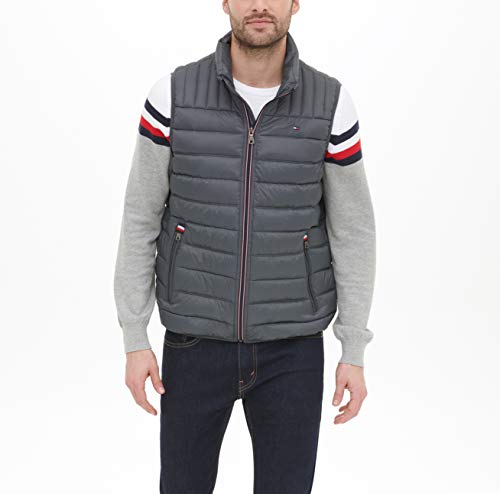
Men's Lightweight Packable Puffer Vest Jacket (Standard and Big & Tall)
“A lightweight packable vest for layering over sweaters and under jackets — the puffer design provides core warmth without arm restriction for outdoor and casual wear.”
See Today’s Price →
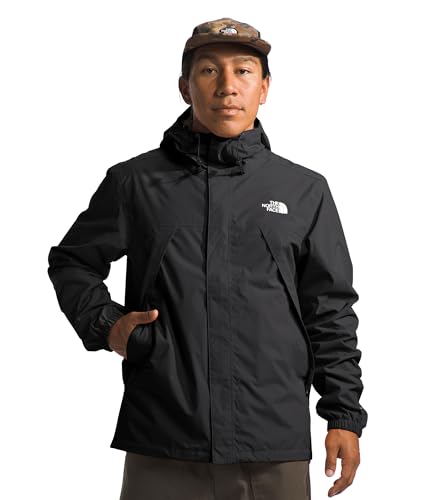
The North Face Men's Antora Waterproof Jacket (Standard and Big Size)
“A reliable waterproof hardshell from The North Face for variable mountain weather — the Antora delivers genuine all-day waterproofing for hikers and commuters in rainy climates.”
See Today’s Price →What we like
Watch out for
Read Full Analysis
The North Face Antora at $106.46 is a waterproof hardshell for variable mountain weather and wet-climate commuting. DryVent 2.5L construction blocks rain and wind while packing to a manageable size. The taped seams prevent leakage at stress points that cheaper waterproof jackets miss. As an outer shell layer in a hiking layering system, it works over both the merino base and a midlayer fleece without restricting arm movement. The packable design stores in its own chest pocket. At $106.46 it is one of the most affordable genuine TNF waterproofing options — other jacket lines at this price sacrifice seam taping or reduce DryVent specification. The primary limitation is breathability: 2.5L construction is adequate for moderate-output hiking and commuting but will be clammy during high-output uphill hiking compared to 3L shells. For trail hikers who want TNF reliability on a budget, the Antora delivers the core protection at a workable price.
Frequently Asked Questions
What is the three-layer hiking system?
Why is cotton dangerous for hiking?
Merino wool or synthetic for base layer?
What's the difference between hardshell and softshell?
How do I know when to add or remove a layer?
What's the minimum layering kit for a day hike?
Can I use a down jacket in the rain?
What's a good budget layering kit?
How We Analyze Products
We analyze Amazon review data — often thousands of reviews per product — to surface patterns that individual buyers miss. Our process aggregates star ratings, review counts, and buyer sentiment at scale, identifying which strengths and weaknesses appear consistently across the largest review samples available. The 4,426+ reviews analyzed on this page represent real verified-purchase feedback from Amazon buyers.
Each product earned its placement through data: total review volume, average rating, and the specific praise and complaints that repeat most often across buyers. No manufacturer paid for placement on this page. Products appear here because buyers endorsed them at scale, not because a company asked us to feature them.
We use AI to summarize review sentiment — not to fabricate opinions, but to condense what thousands of buyers actually wrote into a readable format. The pros and cons you see reflect the most common themes found in verified purchaser reviews, paraphrased for clarity. We do not claim to have accessed Reddit, YouTube, or specific publications in generating these summaries.
Prices shown reflect Amazon pricing at the time this page was last generated. Click “See Today’s Price” to get the current live price on Amazon. Read our full methodology →