How to Choose Men's Dress Shirts: Fit, Fabric, and Collar Guide (2026)
The Calvin Klein Slim Fit Dress Shirt for Men is the best entry-level professional dress shirt — 100% cotton construction hits the right balance of professional appearance and modern fit. Most critical measurement: collar size — a tight collar is immediately visible. Calvin Klein slim-fit shirts run true to size across most chest measurements.
At a Glance
| # | Product | Award | Price |
|---|---|---|---|
| 1 |  Calvin Klein Men's Dress Shirt Sl… Calvin Klein Men's Dress Shirt Sl…Calvin Klein |
Our Top Pick | $35.78 Buy → |
| 2 |  Kenneth Cole Unlisted mens Slim F… Kenneth Cole Unlisted mens Slim F…Kenneth Cole |
Also Excellent | Check current price on Amazon Buy → |
| 3 | Worth Considering | Check current price on Amazon Buy → |
How to Choose Men's Dress Shirts Buying Guide
 Photo by David Bartus / Pexels
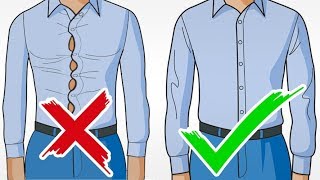
Most men own dress shirts that don't fit correctly. The tell-tale signs: collar gap (too large), shoulder seams drooping onto the arm (too wide), or shirts billowing at the waist (excess fabric). Dress shirts are among the hardest clothing items to buy correctly off the rack because they require multiple simultaneous measurements that rarely align in a single standard size. This guide covers what actually matters.
The Four Fit Zones
1. Collar: The most functional measurement. With the collar buttoned, you should be able to fit two fingers between collar and neck — no more, no less. Too tight: uncomfortable and visible. Too loose: the gap shows; ties and suits can't hide it. Measure your neck in inches around the Adam's apple, add half an inch. 2. Shoulders: The shoulder seam should sit exactly at the edge of your shoulder — the point where your shoulder ends and your arm begins. This is non-negotiable. If the seam droops onto the arm, the shirt is too wide and will always look untucked even when tucked. Shoulder width cannot be altered easily; all other dimensions can. Buy for shoulder fit. 3. Chest: With the shirt buttoned, you should be able to pinch 2-3 inches of fabric on each side (4-6 inches total). Pinching less means the shirt is pulling across the chest. Pinching more means excess fabric that billows. 4. Sleeve Length: With arms at your sides, the shirt cuff should end at the base of your thumb. Formal context: 0.5-1 inch of cuff should show below a suit jacket sleeve. Standard dress shirt sleeves run 32-35 inch lengths.
Fit Labels: What They Mean in Practice
Slim Fit: Narrower body, higher armholes, shorter length. Designed for men with athletic or lean builds — flat stomach, no significant midsection. The most flattering on slender frames; pulls across the chest on muscular or heavier builds. Regular/Classic Fit: More fabric through the body, lower armholes, longer shirt tail. The default for professional settings where the shirt will be worn tucked all day. Works for most body types. The excess fabric at the waist can be reduced with a shirt stay or tailoring. Athletic/Tailored Fit: Slim through shoulders and chest (for broader upper bodies) but wider in the midsection. The solution for men who work out — slim fits pull across the chest; regular fits are baggy; athletic fits are the middle ground. Not all brands offer this cut consistently — Charles Tyrwhitt, Bonobos, and Buck Mason are known for it.
Collar Types and When to Use Them
Point Collar: The narrow, downward-pointing collar. The most formal option — pairs best with neckties and suits. The narrow spread holds tie knots tightly; best with a four-in-hand or simple knot. Spread Collar (Semi-Spread): Wider collar points with more space between them. Works with or without a tie. The Windsor and half-Windsor knots fill the space created by a spread collar. The current standard for modern professional dress. Cutaway Collar: Points spread nearly horizontally, 180 degrees. Requires a full Windsor knot or bow tie to fill the collar gap — looks odd with thin knots or no tie. Trendy; suited to modern dress codes. Button-Down Collar: Collar points fasten to the shirt body with buttons. Casual — technically appropriate only for business casual, not formal business attire. The standard for casual Friday dress shirts. Mandarin/Band Collar: No collar fold — just a collar band. Worn without ties. Modern aesthetic; not appropriate in traditional professional contexts.
Fabric: Cotton, Blends, and What to Avoid
For professional dress shirts, the only appropriate fabrics are cotton or high-cotton blends:
100% Cotton: Breathes better than any blend, drapes naturally, takes ironing well. Requires more care (wrinkles, some shrinkage). The benchmark: two-ply 100-140 thread count 100% cotton dress shirts from Brooks Brothers, Charles Tyrwhitt, or Thomas Pink.
Cotton/Stretch Blend (95/5 or 97/3): Small elastane addition allows stretch with movement — reduces pulling across chest and shoulders. Minimal visual difference from 100% cotton. The current sweet spot for everyday professional shirts.
Non-Iron/Performance Fabrics: Chemically treated cotton that wrinkles less. Trade-off: slightly less breathable, the finish degrades over washing (shirts become less non-iron over time). Worth it for heavy travelers.
Polyester blends (35% or more polyester): Avoid in professional contexts. Shows sweat (moisture builds up without evaporating), looks slightly shiny under office lighting, and is immediately identifiable as lower quality by anyone paying attention.
What We Recommend
For building a first professional wardrobe: Start with two shirts — one white and one light blue, both in your correct collar size in regular or slim fit. Charles Tyrwhitt Non-Iron Slim Fit ($40-60) is the most consistently recommended value dress shirt that actually holds up to regular wear. For better fabric at a price: Proper Cloth made-to-measure ($85-125) eliminates the fitting problem entirely. See our best men's dress shirts and best dress shirts under $50 for specific picks across price points.
Our Picks and Why
The Calvin Klein Slim Fit Men's Dress Shirt is the page's top pick because it nails the fit priorities this guide stresses — a trim through-the-body cut with comfortable, season-spanning fabric, the combination that off-the-rack shirts most often get wrong. The Kenneth Cole Unlisted Men's Dress Shirt is the also-excellent choice, with clean modern tailoring at a more accessible price and consistent sizing across the range. On the lowest budget, the Men's Stretch Stain-Shield Long-Sleeve Dress Shirt ($18.99) over-delivers with wrinkle resistance, a soil-repelling finish, and an athletic cut for broader shoulders.
“”
See Today’s Price →Watch out for
- Sizing may run small or large — review the brand's size chart carefully before ordering online
- Color representation may vary slightly from product photos depending on individual screen settings
Read Full Analysis
The Calvin Klein Slim Fit Men's Dress Shirt earns "Our Top Pick" rank 1 on this dress shirts guide as the structured, fashion-forward option for buyers who want a professional look with a more tailored silhouette than a traditional relaxed-fit alternative. Calvin Klein's slim-fit cut is designed for a closer body profile across the chest and torso, which reads sharper under a suit jacket or sport coat and works well in business formal environments where the shirt remains visible. The slim fit does require accurate size selection — Calvin Klein's size charts should be checked carefully, particularly for buyers between sizes or with athletic builds where chest and sleeve dimensions may not scale in tandem. Collar sizing in particular varies by cut and fabric, so confirming neck measurement before ordering is worthwhile. No current price is available; check current pricing before purchasing, as dress shirt prices vary significantly by retailer and season. As rank 1 on this guide, the Calvin Klein Slim Fit represents the pairing of a recognized brand with a clean, modern tailored silhouette that performs across office, formal event, and smart-casual contexts where a dress shirt is the appropriate choice.
“Kenneth Cole Unlisted dress shirts offer clean, modern tailoring at an accessible price point, balancing professional appearance with everyday comfort. The brand's consistent fit across sizes makes…”
See Today’s Price →Watch out for
- Sizing may run small or large — review the brand's size chart carefully before ordering online
- Color representation may vary slightly from product photos depending on individual screen settings
Read Full Analysis
The Kenneth Cole Unlisted Men's Dress Shirt holds "Also Excellent" rank 2 on this dress shirts guide as a more accessible entry into Kenneth Cole's aesthetic — the Unlisted line sits below the mainline collection in price while maintaining the brand's focus on clean, modern tailoring. For buyers who want professional presentation without the premium of the core Kenneth Cole label, Unlisted balances fit quality with workwear affordability. Kenneth Cole Unlisted is specifically designed for business casual environments where polished appearance matters but stiff formality does not — the cut and fabric construction lean toward wearable comfort rather than rigid suiting standards. Consistent fit across sizes makes online purchasing more predictable than some budget dress shirt alternatives where sizing inconsistency is a common complaint. No current price is available; check current pricing before purchasing. For buyers who have already sized themselves in Kenneth Cole dress shirts, Unlisted carries over that fit expectation at a more accessible price than the mainline collection. Relative to the Calvin Klein Slim Fit at rank 1, Kenneth Cole Unlisted typically skews slightly more relaxed in the torso, which suits buyers who find slim-cut shirts restrictive at the shoulders or chest.

“This stretch stain-shield dress shirt punches well above its $18.99 price tag, offering wrinkle resistance and soil-repelling technology for everyday office wear. The athletic cut accommodates…”
See Today’s Price →What we like
- stain resistant
- stretch comfort
- formal style
- budget price point
Watch out for
- budget brand quality variable
- formal style less versatile for casual wear
- stain shield wears over time
Read Full Analysis
At $16, this stretch stain-shield dress shirt competes on value alone — and delivers better than expected durability for the price. The stain-resistant coating holds through standard office wear but degrades after repeated hot-water washing; cold-wash care extends the coating's effective life. The stretch construction accommodates more body types than rigid cotton dress shirts without the boxy silhouette of traditional oversized cuts. Best suited to building a rotation of work shirts where occasional replacement is factored into the budget, rather than as a long-term investment piece. Buyers who wear dress shirts fewer than three days per week will likely get a full season before the stain shield noticeably weakens.
Frequently Asked Questions
How should a dress shirt fit at the collar?
What is the difference between slim fit and regular fit dress shirts?
What collar style should I choose for a business shirt?
Should dress shirts be dry cleaned?
How many dress shirts should a man own?
What is a non-iron dress shirt and is it worth buying?
How We Analyze Products
We analyze Amazon review data — often thousands of reviews per product — to surface patterns that individual buyers miss. Our process aggregates star ratings, review counts, and buyer sentiment at scale, identifying which strengths and weaknesses appear consistently across the largest review samples available. The 12,213+ reviews analyzed on this page represent real verified-purchase feedback from Amazon buyers.
Each product earned its placement through data: total review volume, average rating, and the specific praise and complaints that repeat most often across buyers. No manufacturer paid for placement on this page. Products appear here because buyers endorsed them at scale, not because a company asked us to feature them.
We use AI to summarize review sentiment — not to fabricate opinions, but to condense what thousands of buyers actually wrote into a readable format. The pros and cons you see reflect the most common themes found in verified purchaser reviews, paraphrased for clarity. We do not claim to have accessed Reddit, YouTube, or specific publications in generating these summaries.
Prices shown reflect Amazon pricing at the time this page was last generated. Click “See Today’s Price” to get the current live price on Amazon. Read our full methodology →