How to Choose Swimwear: Fit, Fabric, and Style Guide for Men and Women (2026)
Buy chlorine-resistant PBT or polyester-spandex rather than nylon-spandex, which fades and bags out after about 20 pool sessions. For men the ELETOP Quick Dry Swim Trunks ($18.99) are the pick here — quick-dry fabric at a price you can replace yearly.
At a Glance
| # | Product | Award | Price |
|---|---|---|---|
| 1 | Best Men's Swim Trunks | $19.99 Buy → |
|
| 2 | Best Women's One-Piece | Check current price on Amazon Buy → |
|
| 3 | Best Plus-Size Bikini | Check current price on Amazon Buy → |
How to Choose Swimwear Buying Guide
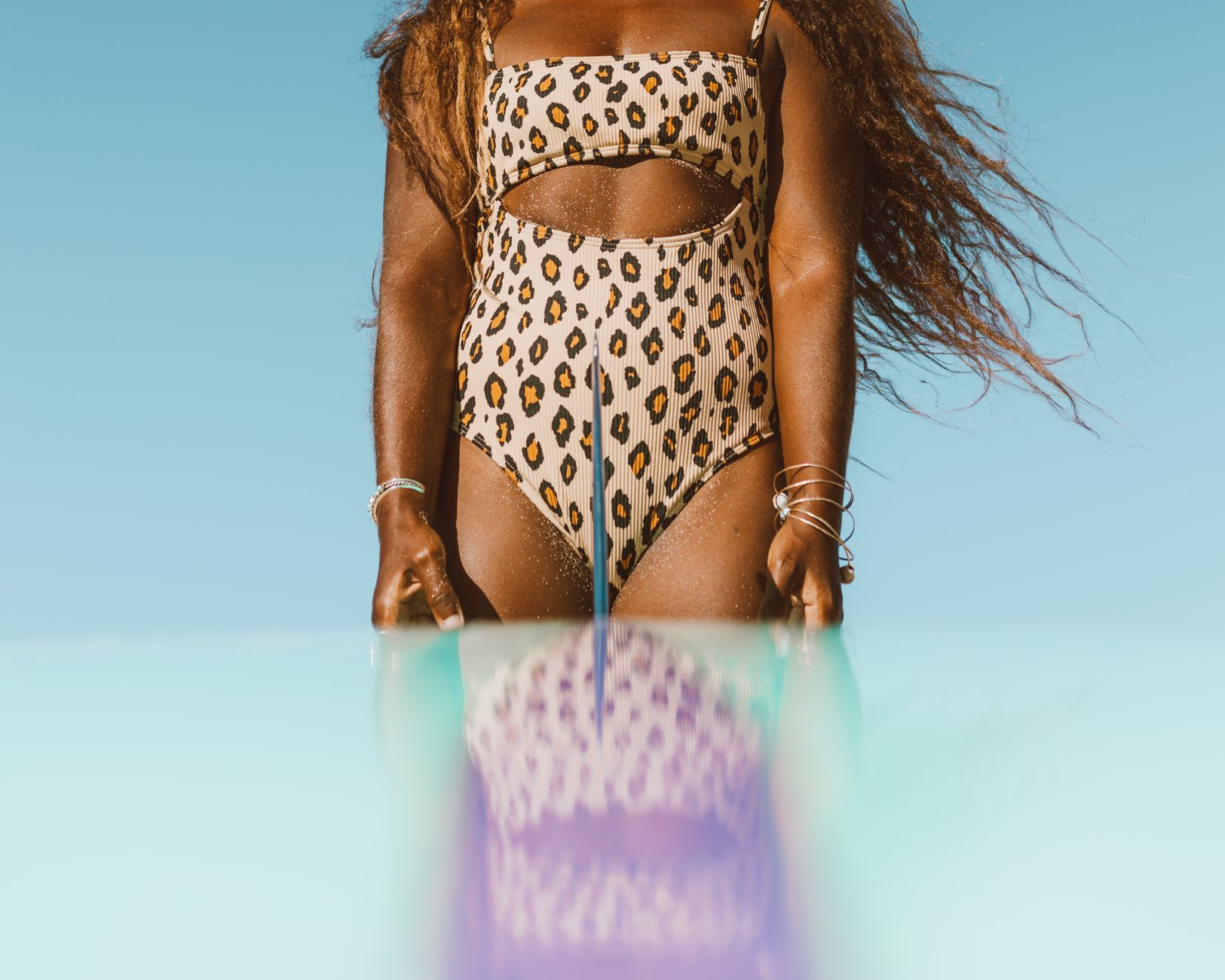 Photo by Jess Loiterton / Pexels
Swimwear is one of the most returned clothing categories because buyers focus on pattern and color rather than fabric technology and fit structure. A $25 swimsuit that falls apart in half a season is a worse value than a $80 suit that lasts 3 years. The material determines the lifespan; the cut determines whether it looks flattering.
Swimwear Fabric: What Survives the Pool
Chlorine is the nemesis of most swimwear fabrics. Understanding fabric composition predicts longevity:
Nylon/Spandex (80/20): The most common consumer swimwear fabric. Soft, stretchy, good color variety. Problem: chlorine breaks down spandex (elastane) fibers rapidly, causing stretch-out and color fading within 20-40 pool sessions. Ocean/beach use is less damaging but UV and saltwater cause similar degradation. Most fast-fashion swimwear and budget suits use this blend.
Polyester/Spandex (80/20 or 85/15): Significantly more chlorine-resistant than nylon. Holds shape and color for 100-200+ pool sessions. Slightly less soft than nylon but most people can't feel the difference. Look for "200-hour chlorine resistance" or "UPF 50+" ratings — these typically indicate polyester-based construction. Speedo Endurance+, TYR Durafast, and Arena MaxLife use chlorine-resistant polyester blends.
PBT (Polybutylene Terephthalate): The most chlorine-resistant fiber available. Used in competitive swimwear. Retains shape and color for 200+ pool hours. Slightly stiffer than nylon but still comfortable. Jaked and Arena's competition suits use PBT. Worth seeking for regular lap swimmers.
Recycled fabrics (ECONYL, Repreve): Made from recycled nylon (ocean plastic, fishing nets). Environmentally beneficial and performs comparably to virgin nylon. Patagonia, Summersalt, and Girlfriend Collective use ECONYL. Chlorine resistance is similar to standard nylon — good for beach, average for pools.
Men's Swimwear: Cut and Length Guide
Brief (Speedo cut): Minimal coverage, maximum mobility. The performance standard for competitive swimming. Also the most revealing — best for men comfortable with it or swimming competitively. Leg-flattering on all builds; appears best on leaner frames. Square Leg / Jammer: Mid-coverage. Common in competitive and masters swimming. Covers more than a brief, less than board shorts. Good balance of performance and coverage. Board Shorts: The casual beach standard. Length matters enormously for proportions: if you're 5'9" or shorter, avoid board shorts longer than 18 inches (they make legs appear shorter). 15-17 inch inseam is the most versatile. The elastic waistband with a tie provides the most adjustable fit. Swim Trunks (hybrid): Shorter than board shorts (5-7 inch inseam), structured liner, appropriate for pools and beaches. The most functional everyday option — moves well for swimming, looks intentional on deck. Chubbies, Saturdays NYC, and J.Crew excel here.

Women's Swimwear: Getting Fit Right
Women's swimwear sized in S/M/L has a poor fit success rate because top and bottom sizes often differ. Better approach:
Bikini tops: Size based on bra measurements (30-38 band, A-DD cup). Brands that use actual bra sizing (Cupshe Plus, Andie, Nani Swimwear) eliminate the constant resizing problem. Underwire tops provide the most support and shape for larger busts. Bralette/soft cup styles work well for A-C cups where structure matters less.
Bikini bottoms: Size based on hip measurement, not clothing size. 36-inch hips = typically medium regardless of pant size. Cheeky cuts provide more coverage on the sides while showing more at the back. Full-coverage bottoms are the most comfortable for active swimming.
One-piece swimsuits: Torso length is the key variable rarely considered. Long-torso styles (Miraclesuit, Swimsuits For All) add 1-2 inches of torso coverage to prevent the "stretched upward" look that standard one-pieces create on taller women. Short-torso styles add more room in the bust without lengthening the body.
Rash guards and swim shirts: UPF 50+ is the standard to meet. Long-sleeve rash guards block 97-98% of UV radiation — the most effective sun protection available in swimwear. Valuable for beach activities over 2+ hours where sunscreen reapplication is impractical.
Fit Tests Before Buying
For women's two-piece: both pieces should stay put through a jumping jack test (no significant shifting). Underwire should rest flat against the sternum (not floating or poking). For men's trunks/board shorts: sit test — the waist should maintain position without the tie pulled completely tight. Movement test: reach overhead with both hands — does the suit ride up significantly? For one-pieces: squat test — fabric should not pull away from the chest or create gaps. If anything shifts significantly in these tests in the fitting room, it will be worse in actual water.
Common Swimwear Mistakes
Buying swimwear too tight thinking it will "hold in" — swimwear fabric has no compression properties meaningful enough to change body shape; it just creates discomfort and unflattering bunching at the edges. Choosing dark colors for pool swimming — dark swimwear fades faster than light colors in chlorinated water (the bleaching effect is more visible against dark pigment). Buying cute prints in fast-fashion nylon that fall apart in a season — spend the extra $20 on polyester construction for pool swimming.

What We Recommend
For pool swimming (men): Speedo Endurance+ Jammer ($18.99) or any TYR Durafast brief/trunk — both use chlorine-resistant polyester rated for 200+ hours. For casual beach use (men): Chubbies 5.5" swim trunks ($18.99) are the most consistently loved casual trunk. For pool swimming (women): TYR Durafast Elite or Arena MaxLife one-piece ($50-80) — built to last a full swim season. For beach (women): Andie Swim or Summersalt for bra-sized bikini tops ($55-80) with proper fit options. See our best athletic socks and best compression socks for other active-wear picks, and best backpacks for beach day bags.
Our Picks and Why
The Bsubseach Kaftan Dress Swimwear Cover-Up is the page's top pick — a lightweight, all-day layer that follows this guide's point that the cover-up does as much work for a beach day as the suit itself. For men, the quick-dry swim trunks with mesh lining ($19) are the practical board-short pick: fast-drying fabric and a cut that suits most builds. For women, the tummy-control one-piece with push-up support ($35.99) delivers flattering full coverage that holds its shape through active swimming, not just lounging.
“Men's swim trunks with quick-dry fabric and mesh lining make a versatile choice for beach or pool. The lightweight build dries fast and the board-short cut suits most body types. A solid value pick…”
See Today’s Price →What we like
- Quick-dry fabric
- Drawstring waist
- Multiple color options
- Budget price
- Board short length
Watch out for
- No compression liner — separate compression shorts needed for modesty
- Quick-dry claims may require full air exposure vs immediate drying
- Budget construction shows at seams
Read Full Analysis
At $19, these quick-dry board shorts deliver the core functionality most beach and pool swimmers need without the premium pricing of Speedo or O'Neill trunks. The mesh lining provides modesty without compression bulk, though buyers wanting athletic support should pair with dedicated compression swim shorts. The drawstring waist adjusts for a secure fit regardless of hip measurement. Quick-dry fabric drops most water within 15-20 minutes of air exposure — genuine fast drying, with full sun accelerating it further. At this price point, buying two or three pairs for a beach trip costs less than one premium pair, which is the practical argument for budget swim trunks over a single performance investment.
“This women's one-piece delivers tummy control and push-up support for flattering full coverage. The slimming design holds its shape through active swimming and lounging. A crowd-pleaser that…”
See Today’s Price →What we like
- Tummy control ruching flatters the midsection
- Push-up cups add definition
- Multiple style options
- Budget price
- Adjustable straps
Watch out for
- Budget construction — lining may not provide full opacity when wet
- Tummy control panels can roll or shift during swimming
- Push-up effect minimal without sufficient cup volume
Read Full Analysis
The tummy control ruching and push-up construction target buyers who want a one-piece that flatters rather than simply covers. At $35, the shaping effect is genuine for light-to-moderate compression needs, though lighter than premium brands like Miraclesuit. The adjustable straps allow length customization across different torso heights — a detail absent from many budget one-pieces. Against the men's swim trunks on this page, this one-piece suits swimmers doing laps or water activities where a secure, non-shifting fit matters over casual poolside wear. The main quality concern at this price is lining opacity when wet — dark colorways (black, navy) minimize this risk significantly more than white or pale options.

“Yonique Plus-Size Bikini offers supportive underwire construction with extended sizing up to 3XL — designed for coverage and confidence without limiting swimwear options.”
See Today’s Price →Watch out for
- Sizing may run small or large — review the brand's size chart carefully before ordering online
- Color representation may vary slightly from product photos depending on individual screen settings
Read Full Analysis
The Yonique Plus-Size Bikini is the "Best Plus-Size Bikini" at rank 4 on this swimwear buying guide — the extended-sizing specialist in the comparison, with underwire construction and sizing extending through 3XL to serve the segment of swimwear shoppers that standard bikini lines underserve. Underwire construction in plus-size swimwear provides lift and structure that non-wired tops cannot replicate at larger cup sizes — a meaningful functional distinction from bralette-style tops that lack internal support and lose shape under the weight of larger busts in the water. The Yonique addresses the coverage-vs-confidence trade-off that plus-size swimwear buyers navigate: the design positions as offering both adequate coverage and swimwear that does not limit style options to one-piece or skirted-bottom formats. On this swimwear guide page the Yonique fills the plus-size specialist slot where standard-sized options ranked elsewhere fail on fit and support. The cons are honest size-category truths: plus-size swimwear sizing varies meaningfully across brands and checking the Yonique measurement chart rather than relying on standard clothing size is strongly recommended; and color saturation in product photos may not match the actual fabric tone under natural light. No current price is listed — verify before purchase.
Frequently Asked Questions
How long does swimwear last?
What swimwear fabric is best for chlorine resistance?
How should a swimsuit fit?
What is UPF rating in swimwear?
How do I choose the right swimwear size?
Can you wear a rash guard instead of sunscreen?
How We Analyze Products
We analyze Amazon review data — often thousands of reviews per product — to surface patterns that individual buyers miss. Our process aggregates star ratings, review counts, and buyer sentiment at scale, identifying which strengths and weaknesses appear consistently across the largest review samples available. The 7,555+ reviews analyzed on this page represent real verified-purchase feedback from Amazon buyers.
Each product earned its placement through data: total review volume, average rating, and the specific praise and complaints that repeat most often across buyers. No manufacturer paid for placement on this page. Products appear here because buyers endorsed them at scale, not because a company asked us to feature them.
We use AI to summarize review sentiment — not to fabricate opinions, but to condense what thousands of buyers actually wrote into a readable format. The pros and cons you see reflect the most common themes found in verified purchaser reviews, paraphrased for clarity. We do not claim to have accessed Reddit, YouTube, or specific publications in generating these summaries.
Prices shown reflect Amazon pricing at the time this page was last generated. Click “See Today’s Price” to get the current live price on Amazon. Read our full methodology →