How to Wash Athletic Wear: Preserve Performance Fabrics (2026)
Wash athletic wear inside-out in cold water (30°C/86°F max) on a gentle cycle with a sports detergent like Hex Performance or Rockin' Green. Never use fabric softener — it coats moisture-wicking fibers and destroys performance. Air dry or tumble dry on the lowest heat setting. One wrong hot wash can permanently damage compression fabrics.
At a Glance
| # | Product | Award | Price |
|---|
How to Wash Athletic Wear Buying Guide
 Photo by Sarah Chai / Pexels
Performance athletic wear — moisture-wicking shirts, compression leggings, sports bras — is engineered at the fiber level. Polyester, spandex, and nylon each behave differently in the wash, and most people default to standard laundry habits that silently destroy the technical properties they paid for. The result: a $90 pair of running tights that stops wicking by wash 30 instead of wash 200+.
Why Standard Laundry Habits Fail Athletic Wear
Hot water: Spandex and elastane (the stretch component in most compression gear) lose elasticity permanently above 40°C (104°F). Most households default to warm or hot washes — this is the number one way compression leggings lose their shape prematurely. Cold water (30°C maximum) preserves elastic fibers. Fabric softener: Softener works by coating fibers with a waxy lubricant. For cotton, that's fine. For moisture-wicking polyester, it blocks the micro-channels that move sweat away from skin — essentially waterproofing the fabric in the worst possible direction. One bottle of fabric softener can permanently reduce the wicking capacity of athletic wear. Use zero fabric softener on any performance fabric. High heat drying: Same problem as hot washing. Elastane degrades above 60°C. Most home dryers reach 70-80°C on medium-high settings. Air drying is always safer. If you must machine dry, use the lowest heat setting ("air fluff" or "delicate") and remove items while slightly damp. Dryer sheets: Same coating mechanism as liquid softener. Never use with athletic wear.
Detergent Selection
Standard detergents use surfactants designed for cotton and leave residue that traps odors in synthetic fibers. Sports-specific detergents (Hex Performance, Rockin' Green Active Wear, WIN Sports Detergent) use different surfactant systems that penetrate synthetic fibers without leaving residue. They cost $12-20 for a bottle that lasts 30+ washes — worth it if you wear technical gear regularly. If you're not ready to buy a specialty detergent: use a small amount (half the recommended dose) of a free-and-clear detergent without brighteners, softeners, or enzymes in the formula. Tide SPORT ($8) is the widely available middle-ground — formulated for athletic wear but widely available.
Fabric-by-Fabric Washing Guide
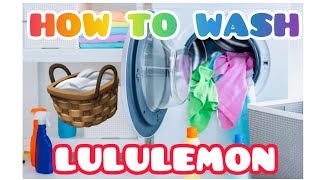
Polyester moisture-wicking (most athletic shirts, shorts): Cold water, gentle cycle, inside-out, no softener, air dry. High agitation damages the fabric's surface structure that creates moisture-wicking capillary action. Spandex/Lycra compression (leggings, compression socks, sports bras): Cold water only — even "warm" can begin elastane breakdown. Gentle cycle. Hand washing is even better for high-spandex garments (20%+ spandex content). Never wring — press moisture out with a towel. Air dry flat to prevent gravity stretching the garment while wet. Merino wool (base layers, performance socks): Wool has its own rules. Use wool-specific detergent (Woolite, Eucalan). 30°C maximum. No agitation — wool felts (permanently shrinks and matts) when agitated while wet and hot. Flat dry only. Never tumble dry wool unless the garment specifically states it's machine-washable wool. Down and synthetic fill (performance jackets): Machine wash on gentle with a small amount of liquid detergent. Add 2-3 clean tennis balls to the dryer on LOW heat — this breaks up clumped fill as it dries. Without the tennis balls, down clumps permanently and loses insulating capacity.
Dealing with Persistent Odors
Athletic wear that smells even after washing has bacteria embedded in the synthetic fibers that standard washing doesn't fully remove. Solutions: Pre-soak in a mixture of white vinegar and cold water (1:4 ratio) for 30 minutes before washing — vinegar kills odor-causing bacteria without damaging fabric. Baking soda added directly to the drum (not the detergent drawer) during washing has a mild deodorizing effect. For severe odor buildup: OxiClean Sport odor eliminator soak (30 minutes in cold water) before regular washing. Never use bleach on athletic wear — it destroys elastic fibers and many technical fabric treatments.

Washing Frequency
Wash athletic wear after every use — synthetic fibers trap bacteria faster than cotton, and dried sweat degrades elastic over time. However, washing less frequently helps garments last longer mechanically (less friction, agitation wear). The compromise: immediate post-workout rinse with cold water, air dry between wears, machine wash after 2-3 uses for low-intensity activities. High-intensity workouts (heavy sweat, contact sports): wash after every use to prevent bacterial breakdown of fabric.
What We Recommend
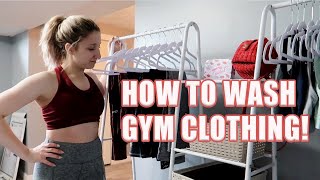
The ideal athletic laundry routine: turn garments inside-out immediately after removing, pre-soak heavily soiled items for 15 minutes, wash cold with Hex Performance or WIN detergent on gentle, air dry on a flat surface or drying rack. The Honey-Can-Do collapsible drying rack ($25) handles 3-4 athletic outfits at once. For compression gear specifically: the Whitmor Mesh Laundry Bag ($8, pack of 3) protects spandex garments from agitation in the washing machine. See our best athletic socks, best compression socks, and best athletic joggers for buying recommendations.
How We Analyze Products
We analyze Amazon review data — often thousands of reviews per product — to surface patterns that individual buyers miss. Our process aggregates star ratings, review counts, and buyer sentiment at scale, identifying which strengths and weaknesses appear consistently across the largest review samples available.
Each product earned its placement through data: total review volume, average rating, and the specific praise and complaints that repeat most often across buyers. No manufacturer paid for placement on this page. Products appear here because buyers endorsed them at scale, not because a company asked us to feature them.
We use AI to summarize review sentiment — not to fabricate opinions, but to condense what thousands of buyers actually wrote into a readable format. The pros and cons you see reflect the most common themes found in verified purchaser reviews, paraphrased for clarity. We do not claim to have accessed Reddit, YouTube, or specific publications in generating these summaries.
Prices shown reflect Amazon pricing at the time this page was last generated. Click “See Today’s Price” to get the current live price on Amazon. Read our full methodology →