How to Pick Your First Credit Card in 2026
The Petal 2 Cash Back No Fees Visa Credit Card is the best first credit card for young adults — cash back percentages increase automatically as you pay on time, and zero fees mean carrying a balance occasionally will not trigger surprise charges.
At a Glance
| # | Card / Product | Award | Annual Fee | Rewards Rate | APR Range | |
|---|---|---|---|---|---|---|
| 1 | Petal® 2 "Cash Back, No Fees" Visa® Credit Card | Best for Young Adults | $0 | 1% cash back (all purchases); 1.25% after 6 on-time payments; 1.5% after 12 on-time payments | 28.24%–33.24% Variable | Apply → |
| 2 | Capital One Platinum Secured Credit Card | Best for Building Credit Fast | $0 | None | 28.99% Variable | Apply → |
| 3 | OpenSky® Secured Visa® Credit Card | Best No Credit Check | $35 | None | 23.89% Variable | Apply → |
How to Pick Your First Credit Card Buying Guide
 Photo by RDNE Stock project / Pexels
How we evaluated this guide. We researched first credit card criteria for beginners including secured vs. unsecured options, no-annual-fee requirements, credit-building reporting to all 3 bureaus, APR range, and graduation path to better cards, cross-referencing NerdWallet, Experian, and CFPB credit building guidance. Rates as of April 2026. Terms apply. This content is for informational purposes only and should not be considered financial advice.
Your first credit card determines how quickly you build a credit score — secured cards like the Discover it Secured and Capital One Platinum Secured report to all three credit bureaus monthly and convert to unsecured cards after 6-8 months of on-time payments. The Discover it Secured earns 2% cash back at gas stations and restaurants, adding value to the credit-building function. OpenSky Secured Visa skips the credit check entirely for applicants with no credit history at all. The Petal 2 is the unsecured starting option for thin-file applicants who have some limited credit history. This guide covers which card fits your starting credit position and spending habits, and what the typical timeline looks like from secured card to a first rewards card.
Affiliate disclosure: Some products featured are from partners who compensate us. This does not affect our ratings or editorial recommendations.
Great for: Anyone who pays their balance monthly and wants cash back, travel rewards, or purchase protection on everyday spending
Not ideal if: You carry a balance month to month — interest charges erase any rewards earned within 1-2 billing cycles
- You are getting your first credit card and feel overwhelmed by the options
- You want to build credit while earning some rewards without paying annual fees
- You are a student, young adult, or new to the US credit system
- You already have good credit and are optimizing for travel rewards or sign-up bonuses
- You have credit card debt — pay that off before opening a new card
Quick Verdict: Our top pick is the Discover it® Secured Credit Card (Best First Card) — No annual fee, 2% cash back at gas and restaurants, automatic upgrade review at 7 months, and deposit return upon gra.
<Why Your First Credit Card Matters More Than You Think
The credit card you open today will affect your credit score for the next decade and beyond. Three of the five major credit score factors are directly influenced by your first card: payment history (35% of your score), credit utilization (30%), and length of credit history (15%). Getting these factors right from the start builds a credit foundation that will qualify you for lower interest rates on car loans, mortgages, and future credit cards — potentially saving tens of thousands of dollars over your lifetime.
The most common mistake first-time cardholders make is choosing a card with an annual fee, high APR, or aggressive marketing that does not fit their actual situation. The right first card is boring by design: no annual fee, reports to all three major bureaus (Equifax, Experian, TransUnion), and has a clear path to graduating to an unsecured card.
Secured vs Unsecured Credit Cards
If you have little or no credit history, you will likely need to start with a secured credit card. Understanding the difference is essential:
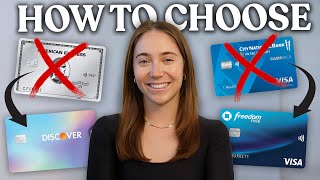
Secured credit card: Requires a cash security deposit — typically $200 to $500 — which becomes your credit limit. The deposit protects the bank if you do not pay, which is why approval is possible with no credit history or poor credit. Your deposit is held in a bank account and returned to you when you close the account or graduate to an unsecured card. A secured card functions exactly like a regular credit card for building credit — it reports your payment history to all three bureaus monthly.
Unsecured credit card: Does not require a deposit. Approval is based on creditworthiness — your credit score, income, and existing debt. Most standard rewards cards are unsecured. After 6-12 months of responsible use of a secured card, you will typically qualify for an unsecured card and get your deposit back.
The best secured cards — Discover it Secured and Capital One Secured — automatically review your account for upgrade. This means you do not have to apply again; the bank monitors your payment behavior and upgrades you to an unsecured card when you qualify.
What to Look for in a First Credit Card
Evaluate every first credit card against these four criteria:
- No annual fee: A first card should cost you nothing to hold. Annual fees are not justified at this stage — you are building credit, not maximizing rewards. A $95 annual fee card returns value only if you spend enough to offset it, which first-time cardholders rarely do.
- Reports to all three bureaus: Some credit builder products only report to one bureau, which limits your score-building impact. Your first card must report to Equifax, Experian, and TransUnion. all three cards in this comparison do.
- Clear upgrade path: Look for cards that explicitly offer graduation to an unsecured card after demonstrating responsible use. Discover reviews accounts after 7 months. Capital One reviews periodically. This path matters — it means you do not have to start over when you become creditworthy.
- Low or no additional fees: Avoid cards with application fees, monthly maintenance fees, or high over-limit fees. These reduce the value of the card before you even use it.
Comparing First Credit Cards
| Card | Annual Fee | Security Deposit | APR | Cash Back | Credit Check | Upgrade Path |
|---|---|---|---|---|---|---|
| Discover it Secured | $0 | $200 minimum | 28.24% variable | 2% gas/restaurants, 1% other | Yes (soft first) | Auto-review at 7 months |
| Capital One Secured | $0 | $49–$200 | 30.74% variable | None | Yes | Periodic auto-review |
| OpenSky Secured | $35/year | $200 minimum | 25.64% variable | None | No credit check | Manual (apply separately) |
| Petal 2 | $0 | None (unsecured) | 18.24%–32.24% variable | 1%–1.5% cash back | Yes (uses bank data) | Unsecured from day one |
Watch Before You Buy


.jpg)
Petal® 2 "Cash Back, No Fees" Visa® Credit Card
“No deposit required; uses bank cash flow data for approval. Best for people with consistent income but no credit history who want to skip the deposit entirely.”
What we like
- No security deposit required — truly unsecured
- $0 annual fee, $0 late fees, $0 foreign transaction fees
- Rewards grow with good behavior: 1% → 1.25% → 1.5% cash back over 12 months
- Approved using bank account data, not just credit score
- Reports to all three major credit bureaus
Watch out for
- APR range of 28.24%–33.24% Variable is high — do not carry a balance
- Starting rewards rate of 1% is modest until you build 12 months of on-time payments
- Credit limits may start low for applicants with minimal income
Rates as of May 12, 2026. Terms apply. Verify on issuer site.
Capital One Platinum Secured Credit Card
“Capital One reports to all three bureaus and offers periodic automatic credit line increases — a strong choice for cardholders who want faster limit growth.”
What we like
- Security deposit as low as $49 to open (depending on creditworthiness)
- $0 annual fee
- Automatic credit line review and consideration for upgrade in as little as 6 months
- Reports to all three major credit bureaus monthly
- No foreign transaction fees
Watch out for
- 28.99% Variable APR — among the highest for secured cards
- No rewards of any kind
- Minimum $200 credit limit regardless of deposit amount paid
Rates as of May 12, 2026. Terms apply. Verify on issuer site.
OpenSky® Secured Visa® Credit Card
“The only major secured card with zero credit check required. The $35 annual fee is the trade-off — justified only if you cannot qualify elsewhere.”
What we like
- No credit check of any kind — open to anyone who can fund the deposit
- 23.89% Variable APR — lower than many secured cards despite no credit check
- Reports to all three major credit bureaus monthly
- Accepted by U.S. merchants everywhere Visa is accepted
Watch out for
- $35 annual fee — costs money just to keep the account open
- No rewards
- No automatic upgrade path to unsecured card
- $200 minimum security deposit required
Rates as of May 12, 2026. Terms apply. Verify on issuer site.
Frequently Asked Questions
What credit score do I need to get my first credit card?
What is a security deposit and do I get it back?
How long does it take to build credit with a secured card?
Will applying for a credit card hurt my credit score?
What is the best first credit card with no deposit required?
How many credit cards should I have?
How We Evaluate Financial Products
We compare financial products based on objective criteria: annual fees, APR ranges, rewards rates, sign-up bonuses, and key perks. We do not factor in issuer relationships or compensation when determining rankings. Products are ranked based on overall value for the target use case described on this page.
Rates and terms change frequently. We update these pages regularly, but always verify current rates directly on the issuer’s website before applying. APR ranges shown reflect the full possible range — your actual rate depends on your creditworthiness.
This content is for informational purposes only and should not be considered financial advice. We compare products; we do not advise on which product is right for your personal financial situation. Read our full methodology →