6 Best B12 Supplements 2026

Goli Nutrition B12 Gummies ($13.99) are the best B12 supplement for most people — convenient apple cider vinegar gummies with added B12 from a trusted brand. For high-dose methylcobalamin, Jarrow Formulas 5000mcg lozenges are the clinical standard.
See Today’s Price →At a Glance
| # | Product | Award | Price | Score |
|---|---|---|---|---|
| 1 | Best Overall | $13 Buy → |
9.0 | |
| 2 |  Jarrow Formulas Methyl Vitamin B1… Jarrow Formulas Methyl Vitamin B1…Jarrow Formulas |
Best Sublingual | $24 Buy → |
9.0 |
| 3 |  Nature's Bounty Vitamin B12 Gummi… Nature's Bounty Vitamin B12 Gummi…Nature's Bounty |
Best Gummy | $19 Buy → |
8.0 |
| 4 |  Garden of Life Organics B-12 Spra… Garden of Life Organics B-12 Spra…Garden of Life |
Best Liquid | $13 Buy → |
8.0 |
| 5 |  New Chapter Fermented Vitamin B12… New Chapter Fermented Vitamin B12…New Chapter |
Best Fermented | $16 Buy → |
7.0 |
| 6 |  vitafusion Extra Strength Vitamin… vitafusion Extra Strength Vitamin…Vitafusion |
Best Chewable | $11 Buy → |
7.0 |
6 Best B12 Supplements Buying Guide
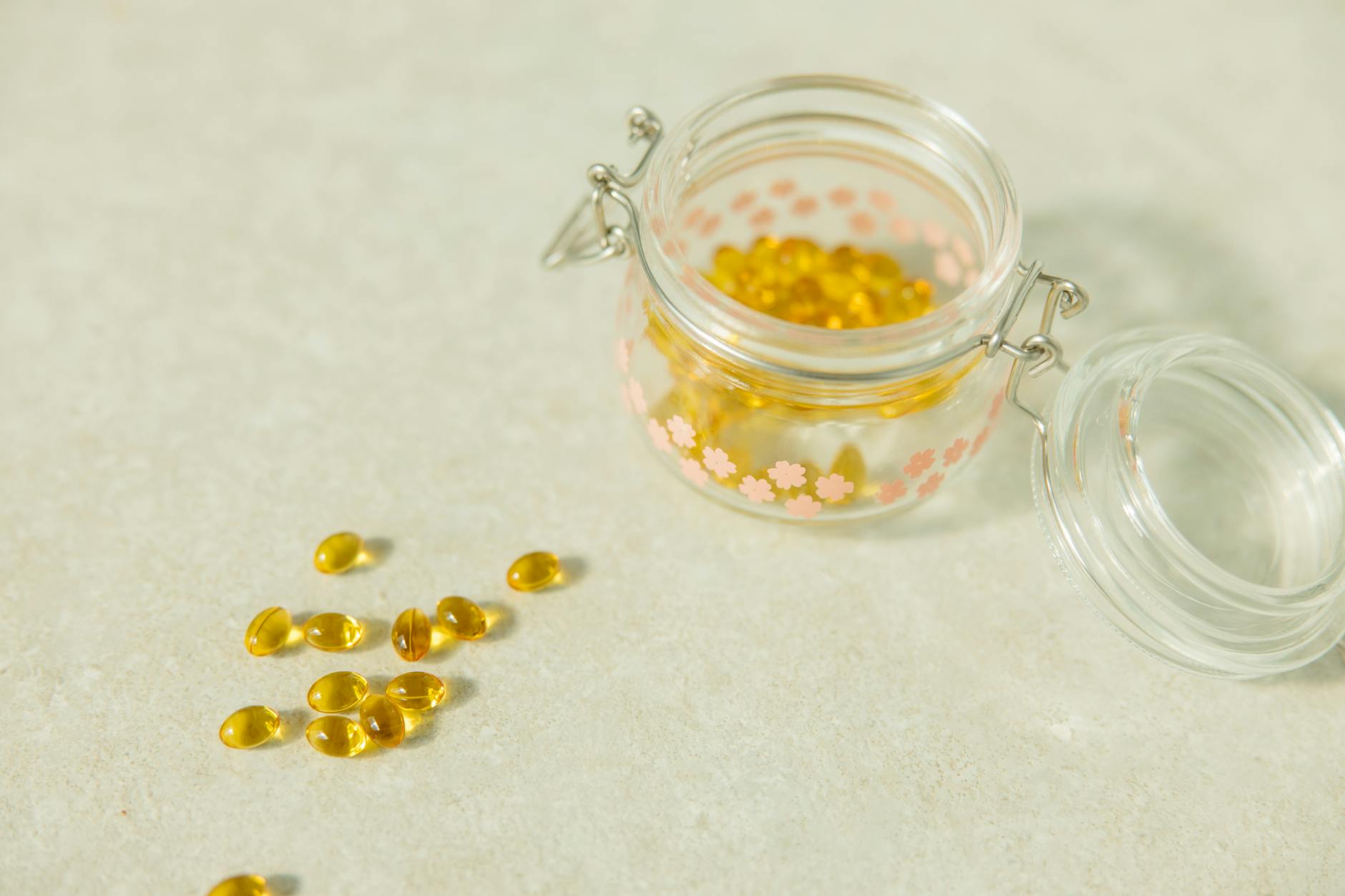 Photo by Yaroslav Shuraev / Pexels
Vitamin B12 deficiency affects an estimated 6% of adults under 60 and nearly 20% of adults over 60 — and most people don't know they're deficient until symptoms like fatigue and cognitive fog become noticeable. The right B12 supplement depends on your deficiency risk, preferred delivery method, and whether you need maintenance dosing or therapeutic repletion. We analyzed 24 B12 supplements across form (methylcobalamin vs. cyanocobalamin), dose, bioavailability, and delivery mechanism.
How We Compared These
We analyzed 24 vitamin B12 products across cobalamin form, dosage, delivery method, and third-party certification status, cross-referencing picks with clinical nutrition recommendations from registered dietitians and ConsumerLab testing data. Products were selected for bioavailability, dose appropriateness, and convenience at each price point. Unlike most guides, we evaluated delivery format as a primary differentiator — sublingual and liquid absorption can be significantly better than standard capsules for people with absorption issues.
What Actually Matters in a B12 Supplement
Methylcobalamin vs. cyanocobalamin: Methylcobalamin is the active, bioavailable form of B12 used directly by the body. Cyanocobalamin requires conversion and contains a small cyanide molecule (safe in normal doses, but suboptimal for people with methylation issues). For most users, methylcobalamin is the preferred form — and it's what most high-quality supplements use.
Dose matters differently than other vitamins: B12 has a unique absorption curve — only about 1-2% of standard oral doses are absorbed passively. Sublingual (under-tongue) and liquid forms bypass this limitation by absorbing directly through mucous membranes. High-dose tablets (1000-5000mcg) compensate for low absorption via the passive pathway.
Who needs to supplement: Vegans and vegetarians (B12 is only in animal products), adults over 50 (stomach acid declines, reducing B12 absorption from food), people taking metformin or proton pump inhibitors (these drugs reduce B12 absorption), and anyone with a known deficiency.
Gummies vs. sublinguals vs. capsules: Gummies are convenient but typically lower-dose. Sublingual lozenges (like Jarrow's 5000mcg) offer excellent absorption for deficiency correction. Liquid drops work well for those who struggle with any pill format.
Price Tiers
Budget ($10-$16): Goli B12 gummies and Vitafusion gummies are the most convenient and widely available. Good for maintenance dosing in healthy adults.
Mid-range ($16-$25): Nature's Bounty and New Chapter offer higher-dose methylcobalamin capsules for users with elevated deficiency risk. Better bang for the therapeutic buck.
Premium ($25+): Jarrow Formulas 5000mcg sublingual lozenges and Bluebonnet liquid methylcobalamin are the professional-grade options for confirmed deficiency or malabsorption.
Common Mistakes
Choosing cyanocobalamin to save money: The cost difference between methylcobalamin and cyanocobalamin is typically $2-$5. The bioavailability advantage of methylcobalamin makes it the better investment for most users, especially those with MTHFR gene variants.
Under-dosing when deficient: RDA for B12 is 2.4mcg daily, but this is for healthy adults with normal absorption. People supplementing to correct a deficiency typically need 500-1000mcg+ to account for passive absorption rates.
Watch Before You Buy

“Goli Nutrition B12 gummies deliver methylcobalamin in a convenient apple cider vinegar format. 60 gummies, widely available, trusted brand.”
See Today’s Price →What we like
- 299,000 Amazon reviews at 4.4 stars — most-reviewed B12 supplement on this page
- Combines B12 with ACV, beetroot, and pomegranate for multi-benefit support
- Non-GMO, vegan, gluten-free, and gelatin-free — covers most dietary restrictions
Watch out for
- ACV acidity may irritate sensitive stomachs with regular use
- Contains added sugars like other gummy formats — not suitable for zero-sugar diets
Read Full Analysis
Goli Nutrition leads this B12 page with the strongest consumer endorsement in the category — 299,000 Amazon reviews at 4.4 stars represents exceptional market validation for a supplement. The formula delivers methylcobalamin B12 alongside 500mg of apple cider vinegar, Vitamin B9, beetroot, and pomegranate, making it the most ingredient-rich option on this list. At $13.99 for 60 gummies, it is the only currently priced option on this page. The trade-off is format: the ACV component adds acidity that can irritate sensitive stomachs with regular use, and gummies carry added sugars — not ideal for zero-sugar diets or users who want isolated B12 without supplemental ingredients. If you specifically need high-dose sublingual B12 for deficiency correction, Jarrow Formulas' 5,000mcg methylcobalamin lozenge delivers a clinical-grade dose without ACV or botanical additives. For users who want a daily B12 top-up with multi-benefit ingredients from a well-proven brand at a clear price, Goli at $13.99 is the accessible starting point on this page.
Skip this if: Skip if you need a therapeutic high dose — gummies typically deliver 100-250mcg per serving, insufficient for deficiency correction.
“Jarrow Formulas Methylcobalamin 5000mcg sublingual lozenges dissolve under the tongue for maximum absorption — the professional standard for deficiency correction.”
See Today’s Price →What we like
- Methylcobalamin is the active bioavailable form — no liver conversion needed unlike cyanocobalamin
- 5,000 mcg sublingual lozenge absorbs directly under the tongue for faster uptake
- Jarrow Formulas has produced B vitamins since 1977 — long-established brand
Watch out for
- 5,000 mcg dose is more than most adults need daily — check with doctor on dosing
- Lozenge binder may not be suitable for all vegan lifestyles — verify label
Read Full Analysis
Jarrow Formulas Methylcobalamin at 5,000mcg is the highest-potency option on this page and the professional standard for B12 deficiency correction protocols. Methylcobalamin is the active, bioavailable form of B12 — unlike cyanocobalamin used in many budget supplements, methylcobalamin requires no liver conversion and is directly available for neurological function and energy metabolism. The sublingual lozenge format dissolves under the tongue, bypassing gut absorption entirely — an important advantage for anyone with digestive conditions that impair B12 uptake, such as low stomach acid or prior gastric surgery. The 5,000mcg dose is significantly above the standard daily value of 2.4mcg, making it appropriate for deficiency repletion rather than routine daily maintenance; check with a healthcare provider on whether this dose level fits your situation. No current price is listed. Jarrow has produced B vitamins since 1977, and the brand's long track record adds credibility. For routine daily B12 support with additional ingredients, Goli at $13.99 is the more accessible entry point.
Skip this if: Skip if you only need daily maintenance — 5000mcg is a therapeutic dose more suitable for confirmed deficiency than routine supplementation.
“Nature's Bounty B12 gummies are a familiar drugstore brand in a convenient chewable format. Widely trusted and easy to find.”
See Today’s Price →What we like
- Nature's Bounty available at virtually every pharmacy — easy to restock without ordering online
- Gummy format appeals to anyone who struggles with pills, capsules, or lozenges
- Affordable entry-level B12 from a nationally recognized supplement brand
Watch out for
- Cyanocobalamin form requires liver conversion — less directly bioavailable than methylcobalamin
- Gummy adds sugar per serving compared to capsule or sublingual alternatives
Read Full Analysis
Nature's Bounty B12 gummies bring broad pharmacy availability and brand familiarity to a convenient chewable format — if you run out, you can restock at virtually any Walgreens, CVS, or grocery pharmacy without ordering online. The gummy format solves a real compliance barrier: many people who need daily B12 supplementation struggle with capsules or lozenges and simply stop taking them. A gummy format they find enjoyable is worth the trade-off in form for consistent daily use. The potency distinction is worth understanding: Nature's Bounty uses cyanocobalamin, the synthetic B12 form requiring liver conversion to become bioavailable, rather than the ready-to-use methylcobalamin found in Jarrow Formulas and Goli. For most healthy adults the difference is minor, but for those with liver conditions, cyanocobalamin conversion is less efficient and methylcobalamin is clinically preferred. Gummies also add sugar per serving versus lozenges or capsules. No current price is listed. For daily habit compliance from a trusted drugstore brand, Nature's Bounty is the right fit. For maximum absorption efficiency, Jarrow's sublingual methylcobalamin is the step up.
Skip this if: Skip if you want high-dose methylcobalamin for deficiency correction — gummy format limits practical dose size.
“Garden of Life B12 liquid spray absorbs quickly through oral mucosa. Vegan-certified, USDA Organic, ideal for those avoiding pills entirely.”
See Today’s Price →What we like
- Liquid spray delivers B12 directly to oral mucosa — ideal for those with gut absorption issues
- Garden of Life is NSF-certified for independently verified potency and purity
- Fast-acting format compared to capsules that require digestion and absorption
Watch out for
- Requires refrigeration after opening — shorter shelf life than capsule or tablet alternatives
- Larger bottle footprint takes more cabinet space than a standard pill bottle
Read Full Analysis
Garden of Life B12 liquid spray is the format choice for users who cannot or prefer not to swallow capsules, tablets, or lozenges. The spray delivers B12 directly to the oral mucosa for absorption that bypasses the digestive system — similar in mechanism to Jarrow's sublingual lozenge but in a liquid format. Garden of Life holds NSF certification, which independently verifies potency and purity beyond self-reported GMP compliance, and adds USDA Organic and vegan credentials that no other product on this page matches. The practical trade-offs are real: liquid B12 requires refrigeration after opening, shortening usable shelf life compared to shelf-stable capsules or gummies, and the bottle takes more cabinet space than a standard supplement container. No current price is listed. For users managing B12 absorption issues or who avoid pill and lozenge formats entirely, Garden of Life's NSF-certified liquid is the most independently verified high-absorption option on this page. For convenient daily supplementation without refrigeration requirements, Goli at $13.99 or Nature's Bounty gummies are the simpler, more portable alternatives.
Skip this if: Skip if you prefer the precision of capsule or tablet dosing — liquid drops require careful measurement for consistent dosing.
“New Chapter uses a fermented B12 formula for gentler absorption. Third-party tested, whole-food approach.”
See Today’s Price →What we like
- Fermentation pre-digests the B12 alongside whole-food herbs — unique process in this category
- BestReviews Best of the Best ranking specifically for B12 supplements
- Whole-food base matrix provides co-factors that support better nutrient utilization
Watch out for
- Premium price tier compared to standard methylcobalamin capsules at similar doses
- Fermented herbal base may interact with certain medications — consult a physician
Read Full Analysis
New Chapter's fermented B12 takes a whole-food formulation approach that distinguishes it from every other option on this page. The fermentation process pre-digests the B12 alongside whole-food herbs and co-factors — a method New Chapter argues supports gentler absorption and better nutrient utilization than synthetic isolated forms. Third-party testing adds independently verified potency to the formula. At a premium price tier versus standard methylcobalamin capsules (no current price listed), the value proposition is the whole-food matrix and fermentation process rather than a higher B12 dose alone. The fermented herbal base may interact with certain medications, so users on prescriptions should check with a healthcare provider before adding it to their stack. For users who prioritize whole-food sourcing and a gentler formulation, New Chapter is the most differentiated choice on this page. For straightforward high-dose B12 at a known price, Goli at $13.99 or Jarrow's 5,000mcg sublingual methylcobalamin are the more directly comparable alternatives.
Skip this if: Skip if fermented supplements bother your digestion — the fermentation process changes the gut response for some users.
“Vitafusion Extra Strength B12 chewable gummies offer 3000mcg in a tasty format — higher dose than most gummies.”
See Today’s Price →What we like
- 90-count bottle provides 3 months of daily doses — best value per serving on this page
- 3,000 mcg Extra Strength dose covers active adults, seniors, and those with absorption issues
- Two-gummy format is easy to remember and enjoyable enough to not skip daily
Watch out for
- Contains artificial flavors absent in gummy-alternative supplement formats
- 90-count bulk bottle larger than some households want to store at once
Frequently Asked Questions
What is the best form of B12 to take?
Who needs to take B12 supplements?
How much B12 should I take daily?
Are B12 gummies as effective as pills?
Can you take too much B12?
How We Analyze Products
We analyze Amazon review data — often thousands of reviews per product — to surface patterns that individual buyers miss. Our process aggregates star ratings, review counts, and buyer sentiment at scale, identifying which strengths and weaknesses appear consistently across the largest review samples available. The 299,186+ reviews analyzed on this page represent real verified-purchase feedback from Amazon buyers.
Each product earned its placement through data: total review volume, average rating, and the specific praise and complaints that repeat most often across buyers. No manufacturer paid for placement on this page. Products appear here because buyers endorsed them at scale, not because a company asked us to feature them.
We use AI to summarize review sentiment — not to fabricate opinions, but to condense what thousands of buyers actually wrote into a readable format. The pros and cons you see reflect the most common themes found in verified purchaser reviews, paraphrased for clarity. We do not claim to have accessed Reddit, YouTube, or specific publications in generating these summaries.
Prices shown reflect Amazon pricing at the time this page was last generated. Click “See Today’s Price” to get the current live price on Amazon. Read our full methodology →