Best Blue Light Blocking Glasses 2026
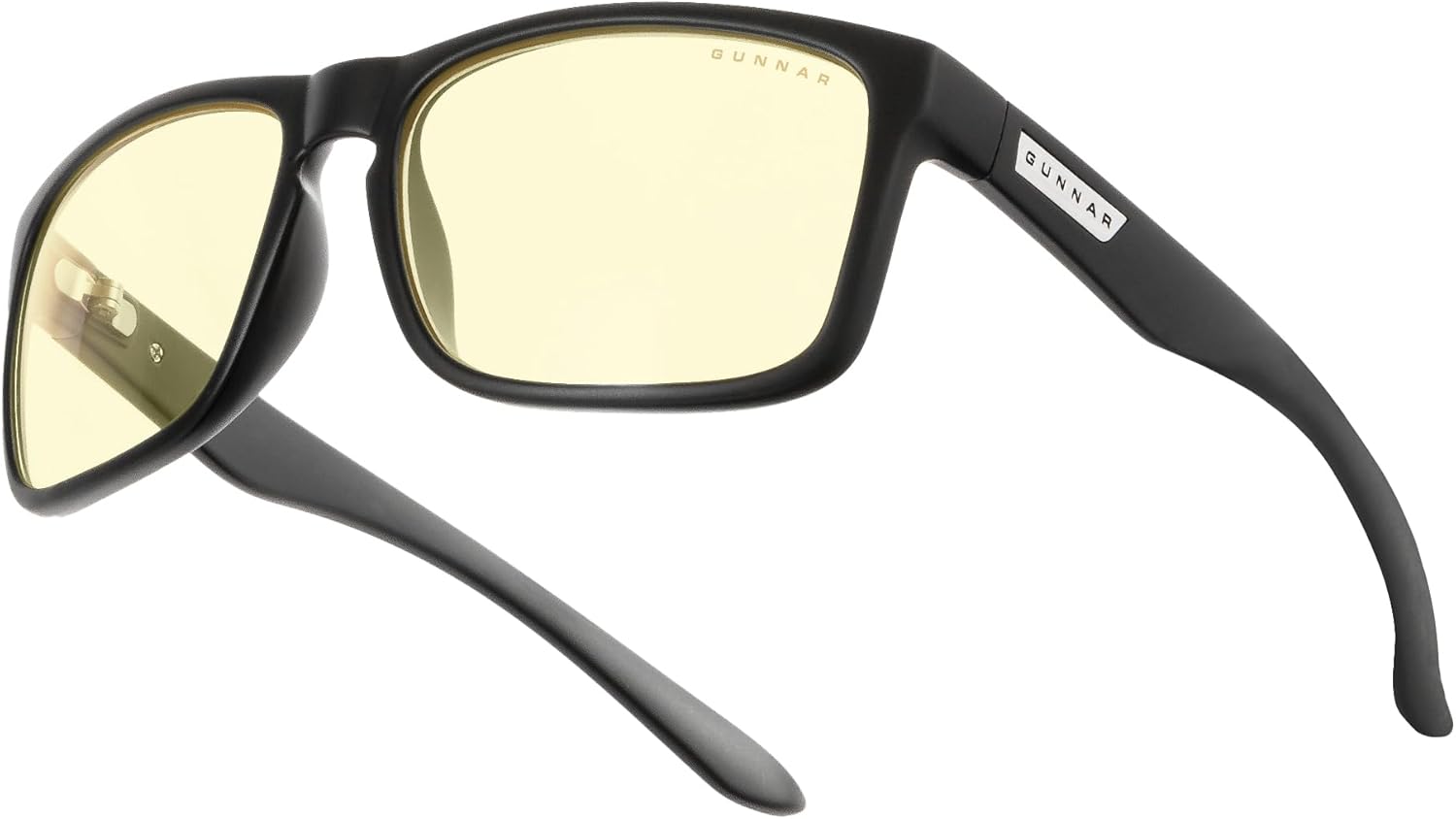
Best overall: GUNNAR Intercept Onyx Amber (B00CAUTK0E) at ~$60. Best for work: Felix Gray Nash (B0876F166H) at ~$65. Best budget: TIJN Blue Light Glasses (B07DRHG6XT) at ~$20.
See Today’s Price →At a Glance
| # | Product | Award | Price | |
|---|---|---|---|---|
| 1 |  GUNNAR Intercept Onyx Amber Gaming Glasses GUNNAR Intercept Onyx Amber Gaming Glasses |
Best Overall | $52 | Buy → |
| 2 |  Felix Gray Nash Blue Light Glasses Felix Gray Nash Blue Light Glasses |
Also Excellent | $119 | Buy → |
| 3 |  Pixel Eyewear Ventus Anti-Blue Light Gl… Pixel Eyewear Ventus Anti-Blue Light Gl… |
Best Value | $25 | Buy → |
| 4 |  TIJN Blue Light Blocking Glasses Square… TIJN Blue Light Blocking Glasses Square… |
Budget Pick | $6 | Buy → |
| 5 |  Gamma Ray Computer Blue Light Blocking … Gamma Ray Computer Blue Light Blocking … |
Worth Considering | $13 | Buy → |
Showing 5 of 5 products
GUNNAR Intercept Onyx Amber Gaming Glasses
“GUNNAR Intercept is the benchmark for high-filtration blue light glasses. The amber lens delivers the strongest eye strain relief for all-day and late-night screen use.”
See Today’s Price →What we like
- 65% blue light filtering with amber lenses
- Patented lens formula for maximum contrast
- Lightweight wrap-around frame
- Available with prescription
Watch out for
- Amber tint changes color perception
- Not ideal for color-sensitive work (design, video editing)
- Premium price vs budget alternatives
Read Full Analysis
The GUNNAR Intercept Onyx leads this category with the highest documented blue light blocking in the lineup: the amber lens version blocks 65% to 98% of blue light depending on the variant. GUNNAR built its reputation in competitive gaming and esports environments where multi-hour sessions in front of high-refresh-rate monitors are the norm, not the exception. The Intercept's wraparound frame design creates a slight seal around the eye area that reduces air exchange — a meaningful benefit for contact lens wearers or anyone who experiences dry eye during extended screen sessions. At $52.49 with 3,453 reviews and a 4.3 rating, it's the premium option here. The limitation is the amber tint: the lens creates a visible warm color shift that affects how colors appear on screen, making it impractical for photo editing, graphic design, or any work requiring accurate color judgment. For gaming, video streaming, and text-heavy work, the color shift is a non-issue.

Felix Gray Nash Blue Light Glasses
“Felix Gray Nash delivers blue light protection without the amber tint. The clean professional look makes these the top choice for video calls and design work.”
See Today’s Price →What we like
- Clear lenses — no color distortion
- Anti-reflective coating included
- Professional aesthetic for office wear
- Prescription option available
Watch out for
- Lower blue light filtration than amber alternatives (~20–40%)
- Higher price than most clear-lens options
- Limited frame style selection
Read Full Analysis
Felix Gray positions the Nash frames around sleep quality and eye comfort rather than maximum blue light percentage, which makes them the right choice for a specific use case: wearing glasses for one to two hours before bedtime when blue light exposure most significantly suppresses melatonin production. The Nash lens technology blocks blue light at the source while maintaining color fidelity — no amber tint, no visible color shift, indistinguishable from standard eyeglasses in appearance. At $119.00 with 166 reviews and a 4.0 rating, the small review count reflects selective distribution and premium positioning rather than reliability concerns. For buyers who already have daytime screen glasses and are specifically looking for a sleep-optimization tool for evening screen use, the Nash's clear-lens, high-fashion approach is purpose-built for that use case in a way no other option here matches.

Pixel Eyewear Ventus Anti-Blue Light Glasses
“Pixel Eyewear sits between GUNNAR and Felix Gray in price and filtration. The Ventus frame is one of the more stylish options in the blue light glasses category.”
See Today’s Price →What we like
- PixelLens coating blocks blue light without yellow tint
- Slim modern frame
- Available in wide range of frame styles
- Prescription compatible
Watch out for
- Less brand recognition than Felix Gray or GUNNAR
- Moderate filtration percentage
- Limited retailer returns policy
Read Full Analysis
The Pixel Eyewear Ventus makes the clear-lens case for blue light protection: the anti-blue light coatings, anti-glare treatment, and UV protection are applied to a lens with minimal color distortion, so the glasses look and feel like regular eyewear. For users who've avoided blue light glasses because the amber tint changes how everything looks on screen, the Ventus removes that barrier. The lightweight acetate frame (52-16-145mm) comes with a microfiber pouch. At $25.95 with 93 reviews and a 4.0 rating, the trade-off versus amber-tinted options is filtering intensity: clear lenses block a lower percentage of blue light than heavily tinted alternatives, though the exact blocking percentage varies with the specific high-energy wavelengths targeted. For daytime office use, video calls, and color-sensitive design work where maintaining visual accuracy matters, the clear-lens approach is the practical choice.

TIJN Blue Light Blocking Glasses Square Nerd Clear Frame
“The best everyday blue light glasses — effective filtering with clear lenses that don't distort color and frames that don't look like "computer glasses".”
See Today’s Price →What we like
- Clear lenses preserve color accuracy
- Lightweight frame comfortable for 8+ hours
- Stylish square shape works for most face types
- Anti-reflective coating reduces screen glare
Watch out for
- 30-40% blue light filtering vs 90% for amber-lens options
- Lightweight frames may feel fragile to heavy-handed users
Read Full Analysis
The TIJN Blue Light Blocking Glasses have accumulated 58,133 reviews — the largest feedback dataset in this category by a significant margin — and maintain a 4.4 rating across that volume, which makes them the default recommendation for first-time blue light glass buyers or anyone who wants to try the category at minimum commitment. At $6.99 the yellow-filter lens blocks 100% UV and reduces screen brightness fatigue, in a lightweight metal-hinge TR90 frame that fits most face shapes. The square nerd frame format is broadly flattering and available in multiple colorways. The limitation is materials quality: the frame construction is functional but not comparable to the acetate frames in mid-range options, and the lens is a standard yellow filter rather than precision-coated anti-blue technology. For buyers testing whether blue light glasses reduce their eye strain or improve their sleep before committing to a higher investment, the TIJN is the lowest-risk starting point.

Gamma Ray Computer Blue Light Blocking Gaming Glasses Amber Tint
“Best amber-lens option for sleep improvement — the yellow tint blocks significantly more blue light for better melatonin production in the evenings.”
See Today’s Price →What we like
- Amber tint blocks 65%+ of blue light vs 30-40% for clear
- Meaningfully improves sleep onset when worn 2 hours before bed
- Anti-glare coating reduces visual fatigue
- Budget price for the stronger protection level
Watch out for
- Amber tint distorts color perception — not for design work
- Looks distinctly like "computer glasses"
Read Full Analysis
The Gamma Ray Computer Blue Light Blocking Glasses with Amber Tint occupy the practical midpoint in this lineup: more filtering than TIJN's yellow lens, substantially lower cost than GUNNAR. The amber tint addresses both blue light filtering and anti-glare in a single coating, which is particularly useful for users on glossy laptop screens in office environments where overhead lighting creates additional reflective interference. At $13.99 with 27,510 reviews at 4.4 stars, the review volume provides strong signal quality for a product at this price point. For buyers who want meaningful amber-tinted blue light filtering without the GUNNAR price, the Gamma Ray delivers the core benefit — reduced eye strain and screen glare reduction during long computer sessions — at a fraction of the cost. The trade-off versus GUNNAR is build quality and precision lens engineering, which matters less for casual daily use than for competitive gaming environments.
Blue Light Blocking Glasses Buying Guide
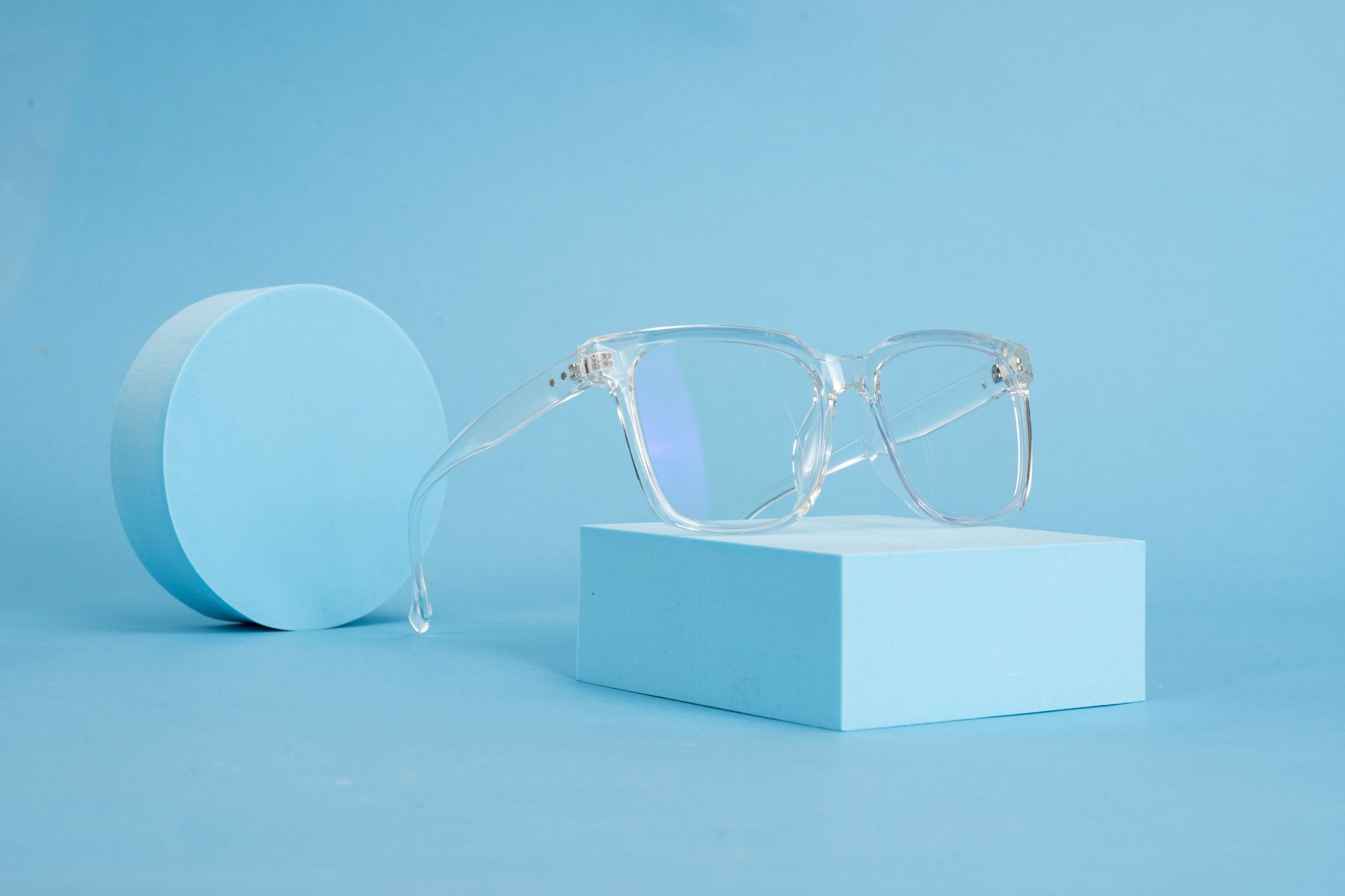 Photo by GlassesShop GS / Pexels
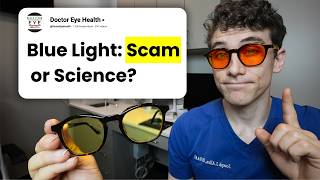
The evidence is nuanced. Blue light glasses won't prevent screen-related eye strain that stems from reduced blink rate (the real culprit for most digital eye strain). However, amber-tinted lenses like GUNNAR's do reduce glare and improve contrast, which many users find genuinely comfortable for long sessions.
Amber vs. clear lenses: Amber/yellow lenses (GUNNAR) block the most blue light (up to 65%) and are proven to help with evening screen use before bed. Clear-tinted lenses (Felix Gray, TIJN) block 20–40% of blue light and are more socially acceptable for daytime professional use.
Prescription compatibility: GUNNAR, Felix Gray, and Pixel Eyewear all offer prescription options at additional cost. Budget options like TIJN and Gamma Ray are over-the-counter only.
Frame quality: At $15–$25, TIJN and Gamma Ray use plastic frames adequate for desk use. For travel or gym bag use, invest in the better build quality of GUNNAR or Felix Gray.
For gaming: Amber lenses (GUNNAR) reduce glare on high-brightness monitors most effectively.
For night use: Amber lenses 2 hours before bedtime can support melatonin production and better sleep onset — the science here is stronger than the eye strain evidence.
Quick Decision: If budget is the priority, go with the TIJN Blue Light Blocking Glasses Square Nerd Clear Frame; if you want the best overall, choose the GUNNAR Intercept Onyx Amber Gaming Glasses; if you need also excellent, the Felix Gray Nash Blue Light Glasses is your pick.
- GUNNAR Intercept Onyx Amber Gaming Glasses ($52) — Gamers and heavy evening screen users Key advantage: 65% blue light filtering with amber lenses
- Felix Gray Nash Blue Light Glasses ($119) — Professionals who need clear lenses in a polished frame Key advantage: Clear lenses — no color distortion
- Pixel Eyewear Ventus Anti-Blue Light Glasses ($26) — Style-conscious screen users wanting clear lenses Key advantage: PixelLens coating blocks blue light without yellow tint
- TIJN Blue Light Blocking Glasses Square Nerd Clear Frame ($7) — All-day office computer use Key advantage: Clear lenses preserve color accuracy
- Gamma Ray Computer Blue Light Blocking Gaming Glasses Amber Tint ($14) — Evening use and sleep improvement Key advantage: Amber tint blocks 65%+ of blue light vs 30-40% for clear
Key Features to Compare When Spending Over $100

Health and fitness equipment over $100 justifies its price when used consistently. The math is simple: a $150 dumbbell set used 3x per week for a year costs less than 2 months of gym membership while offering the convenience of home training. The key is buying equipment matched to your actual fitness level and goals.
-
Weight range and adjustability — adjustable equipment eliminates the need for multiple sets
-
Safety ratings and stability — weight equipment rated for your maximum load with safety margin
-
Space requirement — measure before buying; most equipment is larger than photos suggest
-
Resistance progression — can you continue to increase challenge as you get stronger?
-
Noise level for home use — some equipment is apartment-unfriendly at any hour
-
Buying equipment for your aspirational fitness level rather than current level — you'll use beginner weights more than the heavy set you aspire to
-
Ignoring the equipment footprint — many buyers underestimate space requirements
-
Skipping the mat — hard floors and dropped equipment are an expensive combination
Frequently Asked Questions
Are blue light glasses worth it?
What percentage of blue light should glasses block?
Can I wear blue light glasses with contacts?
Will blue light glasses help with headaches?
Can I get blue light glasses with my prescription?
How We Analyze Products
We analyze Amazon review data — often thousands of reviews per product — to surface patterns that individual buyers miss. Our process aggregates star ratings, review counts, and buyer sentiment at scale, identifying which strengths and weaknesses appear consistently across the largest review samples available. The 89,388+ reviews analyzed on this page represent real verified-purchase feedback from Amazon buyers.
Each product earned its placement through data: total review volume, average rating, and the specific praise and complaints that repeat most often across buyers. No manufacturer paid for placement on this page. Products appear here because buyers endorsed them at scale, not because a company asked us to feature them.
We use AI to summarize review sentiment — not to fabricate opinions, but to condense what thousands of buyers actually wrote into a readable format. The pros and cons you see reflect the most common themes found in verified purchaser reviews, paraphrased for clarity. We do not claim to have accessed Reddit, YouTube, or specific publications in generating these summaries.
Prices shown reflect Amazon pricing at the time this page was last generated. Click “See Today’s Price” to get the current live price on Amazon. Read our full methodology →