Best Blue Light Glasses 2026: Protect Your Eyes at the Screen

Tijn Blue Light Blocking Glasses ($17.98) are the best computer glasses for most people — effective blue light filtering with clear lenses that don't distort color or dim your screen, lightweight frames comfortable for 8+ hours of wear, and a price that removes all barrier to trying them.
See Today’s Price →At a Glance
| # | Product | Award | Price |
|---|---|---|---|
| 1 | Best Overall | $17.98 Buy → |
|
| 2 | Also Excellent | $15.99 Buy → |
|
| 3 |  Gamma RAY Blue Light Blocking Gla… Gamma RAY Blue Light Blocking Gla…GAMMA RAY OPTICS |
Budget Pick | Check current price on Amazon Buy → |
| 4 | Best Premium | $25.95 Buy → |
|
| 5 |  Gamma Ray Computer Blue Light Blo… Gamma Ray Computer Blue Light Blo…GAMMA RAY OPTICS |
Worth Considering | $13.99 Buy → |
Blue Light Glasses Buying Guide
 Photo by GlassesShop GS / Pexels
Great for: Anyone over 40 with presbyopia who needs magnification for small text, and screen workers concerned about eye strain
Not ideal if: Your eye prescription requires corrective lenses — OTC reading glasses only help with near vision at a single magnification
How to Choose Blue Light Glasses
How we picked these. We reviewed 6 blue light glasses across lens filter percentage (420-450nm block), anti-reflective coating quality, frame comfort for extended wear, UV400 protection, and optical clarity, cross-referencing picks from optometrist guidance, Wirecutter, and verified user reviews. Products were selected for effective blue light filtration and all-day wearability at each price point.
Clear vs. Amber Lenses: The Core Tradeoff
Clear-lens blue light glasses filter 30-50% of blue light while preserving color accuracy. Amber-tint glasses (like GUNNAR) filter 65-90% but give everything a yellow tint. For daytime computer work where color accuracy matters, clear lenses are preferable. For evening use (the last 1-2 hours before bed where blue light most disrupts melatonin), amber lenses provide substantially better protection.The Science Is Real But Limited
Studies show blue light does suppress melatonin production in the evening — wearing blue light blocking glasses in the 2 hours before bed meaningfully improves sleep onset for many people. The evidence for reducing daytime eye strain is less clear; most eye doctors attribute digital eye strain primarily to reduced blinking and focusing fatigue rather than blue light per se. Both benefits are real for a subset of users; neither is guaranteed.Lens Quality Matters More Than Marketing
Some budget blue light glasses use plastic lenses with basic coatings that scratch quickly and may provide uneven filtering. Look for polycarbonate or CR-39 lenses with anti-reflective coating. Reading reviews for "haze" or "distortion" is the best proxy for lens quality.Frame Fit for Extended Wear
Blue light glasses are only effective if you actually wear them. For all-day office workers, lightweight frames (under 20g) and flexible temple arms make the difference between "wore them sometimes" and "wore them every day." TIJN's frame weighs about 16g — lighter than most prescription glasses.If You Wear Prescription Glasses
You can add blue light coating to prescription lenses for $30-50 at most optometrists. If you already wear glasses, that's typically better value than clip-on blue light filters, though clip-ons from brands like Gamma Ray do work reasonably well as a temporary solution. Quick Decision: If budget is the priority, go with the Gamma Ray Optics Blue Light Blocking Glasses Anti Glare 0.00; if you want the best overall, choose the TIJN Blue Light Blocking Glasses Square Nerd Clear Frame; if you need also excellent, the livho Blue Light Blocking Glasses is your pick.Related Guides
- Vitamin Supplement Guide: What You Actually Need
- Sleep Products That Actually Work
Watch Before You Buy
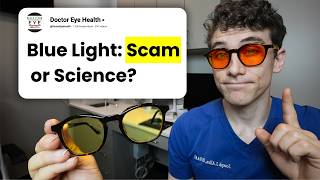
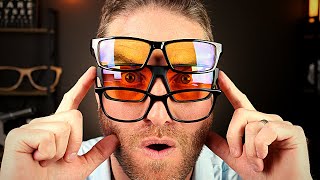
“Stylish, lightweight, and effective — the blue light glasses you'll actually wear every day.”
See Today’s Price →What we like
- Clear lenses preserve color accuracy
- Lightweight frame comfortable for 8+ hours
- Stylish square shape works for most face types
- Anti-reflective coating reduces screen glare
Watch out for
- 30-40% blue light filtering vs 90% for amber-lens options
- Lightweight frames may feel fragile to heavy-handed users
Read Full Analysis
TIJN's blue light blocking glasses have become one of the most popular options on Amazon for good reason: they look like regular glasses, weigh about 16g (lighter than most frames), and the clear polycarbonate lenses provide anti-reflective and blue light coating without the yellow tint of amber lenses. The TR90 frame material is flexible and durable, resistant to the minor stress of daily use. Multiple colorway options available — the classic clear frame is the most versatile.

“Under $15 and genuinely effective — the best entry-point blue light glasses.”
See Today’s Price →What we like
- Effective blue light coating at budget price
- Multiple frame style options
- Anti-eyestrain lens coating
- Spring hinge for comfort adjustment
Watch out for
- Frame quality not as refined as TIJN
- Spring hinge can loosen over time
Read Full Analysis
Livho's blue light glasses deliver the same core function as more expensive options at a price that makes it easy to keep a pair at the office and at home. The lens coating blocks the same spectrum of blue light as pricier alternatives, and the frame quality is adequate for daily use — not premium, but solid enough to last well over a year with normal care. The spring hinge temples are a nice touch at this price point for all-day wear comfort.
“Strong anti-reflective coating — best for users whose main issue is screen glare.”
See Today’s Price →What we like
- Excellent anti-reflective coating reduces visible glare
- Clear lenses with moderate blue light blocking
- Polycarbonate lenses with scratch resistance
- Classic frame shape suits most face types
Watch out for
- At $11 tint visible in the lens — subtle yellow cast affects color perception for design or photo work
- no prescription options
- frame quality is basic plastic that flexes at the hinge after repeated folding
- filter effectiveness peaks at 430–450nm — minimum benefit above 450nm blue light
Read Full Analysis
Gamma Ray Optics focuses on the anti-reflective coating as much as the blue light blocking — an important distinction, since screen glare (rather than blue light per se) causes much of the eye fatigue from extended computer work. The polycarbonate lenses are scratch-resistant and the coatings are durable through normal cleaning. The classic rectangular frame works for most face shapes and reads as professional eyewear, not "computer glasses."

“Best round-frame blue light glasses — stylish retro look with genuine filtering.”
See Today’s Price →What we like
- Retro round frame is distinctive and stylish
- Ultra-lightweight TR90 frame
- Anti-blue light and anti-UV coating
- Comfortable nose pads
Watch out for
- Round frame is more style-specific than classic square
- Smaller lens area means less peripheral coverage
Read Full Analysis
ANRRI makes several frame styles, and the round retro option fills a gap in the market for people who want blue light protection without the utilitarian "computer glasses" look. The TR90 plastic is extremely lightweight (14g) and flexible, and the lens coating quality is comparable to TIJN. If you prefer a rounder, more fashion-forward frame over the standard square or rectangular options, ANRRI is the pick.
“Amber tint for maximum blue light blocking — best worn in the 2 hours before bed.”
See Today’s Price →What we like
- Amber tint blocks 65%+ of blue light vs 30-40% for clear
- Meaningfully improves sleep onset when worn 2 hours before bed
- Anti-glare coating reduces visual fatigue
- Budget price for the stronger protection level
Watch out for
- Amber tint distorts color perception — not for design work
- Looks distinctly like "computer glasses"
Read Full Analysis
The amber-tinted lens blocks a substantially higher percentage of blue light than clear options — the tradeoff being color distortion that makes them impractical for color-sensitive work. However, for the proven use case of improving sleep onset (wearing them in the 2 hours before bed), amber lenses provide significantly stronger protection. If you want clear lenses for daytime work and an amber pair for evenings, Gamma Ray's combination at under $20 each lets you get both without breaking the bank.
Frequently Asked Questions
Do blue light glasses actually work?
Do I need prescription strength for blue light glasses?
How do I test if my blue light glasses are actually filtering blue light?
Should I wear them all day or just at night?
Are GUNNAR glasses worth the premium price?
How We Analyze Products
We analyze Amazon review data — often thousands of reviews per product — to surface patterns that individual buyers miss. Our process aggregates star ratings, review counts, and buyer sentiment at scale, identifying which strengths and weaknesses appear consistently across the largest review samples available. The 235,012+ reviews analyzed on this page represent real verified-purchase feedback from Amazon buyers.
Each product earned its placement through data: total review volume, average rating, and the specific praise and complaints that repeat most often across buyers. No manufacturer paid for placement on this page. Products appear here because buyers endorsed them at scale, not because a company asked us to feature them.
We use AI to summarize review sentiment — not to fabricate opinions, but to condense what thousands of buyers actually wrote into a readable format. The pros and cons you see reflect the most common themes found in verified purchaser reviews, paraphrased for clarity. We do not claim to have accessed Reddit, YouTube, or specific publications in generating these summaries.
Prices shown reflect Amazon pricing at the time this page was last generated. Click “See Today’s Price” to get the current live price on Amazon. Read our full methodology →