Best Compression Socks for Nurses (2026)

Sockwell Elevation is the best compression sock for nurses — merino wool construction keeps feet comfortable across a full 12-hour shift, and the graduated 20-30mmHg compression is clinically meaningful for standing work.
See Today’s Price →At a Glance


Showing 3 of 3 products
Sockwell Women's Elevation Graduated Compression Socks
“Sockwell's Elevation socks combine genuine graduated compression with the natural comfort of merino wool — making them the most practical all-day compression sock for nurses, teachers, retail workers,”
See Today’s Price →What we like
- Merino wool blend provides natural temperature regulation and odor resistance
- 15-20 mmHg graduated compression effective for travel, nursing, and everyday wear
- More comfortable for all-day wear than firm athletic compression socks
- Stylish patterns and colors appropriate for professional environments
- Natural merino properties mean fresher feel throughout long shifts
Watch out for
- 15-20 mmHg may be insufficient for serious post-exercise recovery or significant edema
- Merino content requires more careful washing to maintain compression properties

Comrad Nylon Knee High Compression Socks, 15-20mmHg
“Comrad is the right choice for nurses starting with compression socks who find 20-30mmHg uncomfortable. The 15-20mmHg level still provides meaningful support and is far better than no compression for ”
See Today’s Price →What we like
- 15-20mmHg is gentler for compression-new wearers
- Soft nylon knit comfortable all day
- Clean professional appearance under scrub pants
- Good for nurses who find 20-30mmHg too restrictive
Watch out for
- Lower compression less effective for severe leg fatigue
- Not ideal for nurses with existing varicose vein concerns
- Single pair price is high for the compression level

FuelMeFoot Copper Compression Socks, 3-Pack
“The FuelMeFoot 3-pack is practical for nurses building a compression sock rotation without a large upfront investment. The copper claims are marketing, but the compression and construction are adequat”
See Today’s Price →What we like
- 3-pack provides rotation without bulk buying
- Copper-infused fabric inhibits odor bacteria
- 20-30mmHg compression for full shift support
- Good price per pair in 3-pack format
Watch out for
- Copper marketing often overstated in budget brands
- Less breathable than merino options
- Sizing can run small — size up if between sizes
Compression Socks for Nurses (2026) Buying Guide
 Photo by Tessy Agbonome / Pexels
Compression socks are not optional for nurses — they are occupational health equipment. Standing on hard floors for 12 hours without graduated compression accelerates varicose vein development, causes ankle edema, and produces the leg fatigue that builds into chronic pain over years of nursing practice. The right pair makes measurable difference.
Why 20-30mmHg Is the Target for Nurses
Compression socks are rated in millimeters of mercury (mmHg) — the same unit as blood pressure. 15-20mmHg is considered mild support, appropriate for people who stand occasionally. 20-30mmHg is moderate compression, the standard recommendation for nurses, retail workers, and anyone standing 8+ hours daily. It is clinically effective for preventing venous insufficiency. 30-40mmHg is medical-grade, typically prescribed for existing varicose veins or lymphedema — nurses generally do not need this level without a medical indication.
Merino Wool vs. Synthetic: The Real Difference on a 12-Hour Shift
Synthetic compression socks (nylon, spandex blends) work well but accumulate heat and odor over a long shift. Merino wool blends regulate temperature more effectively, absorb and wick moisture without feeling damp, and resist odor through natural fiber properties rather than antimicrobial treatments. For nurses doing 12-hour shifts without a chance to air their feet, the breathability difference between merino and synthetic is noticeable by hour 8. The tradeoff is cost and care — merino requires gentler washing to avoid shrinkage.
Building a Rotation
One pair of compression socks is not enough for a work week. They need to be washed and dried between shifts to maintain elasticity — compression socks lose their therapeutic rating if worn multiple days in a row without washing. Most nurses need 3-5 pairs minimum to cover a full work week without repeating. This makes per-pair cost a meaningful factor in total investment: three pairs of Sockwell costs about $105, while three pairs of Physix Gear costs about $57.
Sizing Matters More Than in Regular Socks
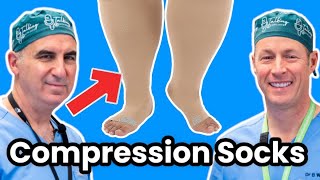
Compression socks must be sized correctly to deliver their rated mmHg. Too large, and the compression gradient is lost. Too small, and they are uncomfortable and potentially counterproductive. Most brands size by shoe size plus calf circumference. Measure your calf at its widest point before buying. If you are between sizes, size up — a slightly loose compression sock is more comfortable than a slightly tight one that cuts off circulation at the calf.
Watch Before You Buy
Frequently Asked Questions
What compression level is best for nurses who stand all day?
Should nurses wear knee-high or thigh-high compression socks?
Can compression socks help with POTS syndrome during long shifts?
How long do compression socks last with daily nursing use?
Should you wear compression socks if you have gout?
Can compression socks help with lipedema?
How We Analyze Products
We analyze Amazon review data — often thousands of reviews per product — to surface patterns that individual buyers miss. Our process aggregates star ratings, review counts, and buyer sentiment at scale, identifying which strengths and weaknesses appear consistently across the largest review samples available. The 1,477+ reviews analyzed on this page represent real verified-purchase feedback from Amazon buyers.
Each product earned its placement through data: total review volume, average rating, and the specific praise and complaints that repeat most often across buyers. No manufacturer paid for placement on this page. Products appear here because buyers endorsed them at scale, not because a company asked us to feature them.
We use AI to summarize review sentiment — not to fabricate opinions, but to condense what thousands of buyers actually wrote into a readable format. The pros and cons you see reflect the most common themes found in verified purchaser reviews, paraphrased for clarity. We do not claim to have accessed Reddit, YouTube, or specific publications in generating these summaries.
Prices shown reflect Amazon pricing at the time this page was last generated. Click “See Today’s Price” to get the current live price on Amazon. Read our full methodology →