Best Electric Toothbrush Under $100 (2026)
The Philips Sonicare 4100 ($40) is the best electric toothbrush under $100 — the same core sonic technology as Sonicare models at 3x the price, with a pressure sensor and 2-minute quadrant timer at the best value in the category.
Electric Toothbrush Under $100 (2026) Buying Guide
 Photo by Andrey Matveev / Pexels
Best Electric Toothbrush Under $100 Overall: Philips Sonicare 4100

The Philips Sonicare 4100 at $40 is the best electric toothbrush under $100 for most buyers — and one of the best values in the entire electric toothbrush market regardless of price. Sonic technology vibrates at 31,000 brush strokes per minute, generating fluid dynamics that extend cleaning action beyond the bristle contact zone into the gaps between teeth. Clinical studies show Sonicare technology removes up to 7x more plaque than a manual toothbrush after 4 weeks. The SenseIQ pressure sensor alerts you when you're brushing too hard — excessive pressure is the primary cause of gum recession and enamel erosion from brushing. One 2-minute QuadPacer mode guides you through all four mouth quadrants at 30-second intervals, matching the ADA-recommended brushing time and pattern.
At $40, the Sonicare 4100 is the best-documented entry point into proven electric toothbrush technology. Sonicare's clinical research library is the largest in the electric toothbrush category — the 4100's core technology is the same sonic mechanism that drives models at 3-4x the price. The premium tiers (5900, DiamondClean) add features like app connectivity, multiple brushing modes, and travel cases, but don't improve the fundamental plaque removal performance that the 4100 delivers for $40.
Best Budget Under $100: Oral-B Pro 1000
The Oral-B Pro 1000 at $50 is Oral-B's entry-level electric toothbrush and the standard recommendation from dental professionals for first-time electric toothbrush buyers. The 3D Action oscillating-rotating-pulsating technology (8,800 oscillations per minute) works differently from Sonicare's sonic vibration — Oral-B's round brush head oscillates and rotates to surround each tooth individually, while Sonicare's elongated head uses high-frequency vibration to clean multiple teeth simultaneously. Both approaches are clinically validated; the choice between them often comes down to personal preference.
The Pro 1000's pressure sensor stops pulsating when you press too hard, providing tactile feedback rather than just an alert. The single-brushing mode simplifies operation for users who find multiple mode options confusing. At $50, the Pro 1000's clinical efficacy, dentist recommendation rate, and broad replacement brush head availability make it the most professionally endorsed electric toothbrush at any price.
Best Budget Alternative: Aquasonic Black Series

The Aquasonic Black Series at $30 with 8 replacement brush heads and wireless charging is the strongest value-at-the-lowest-price electric toothbrush. The 40,000 vibrations per minute frequency exceeds both the Sonicare 4100 and Oral-B Pro 1000, and the included 8-head set represents 2+ years of replacements (heads should be replaced every 3 months). The wireless charging case eliminates the proprietary charging base hassle common to premium brands.
At $30, the Aquasonic's clinical documentation and long-term durability track record is less established than Sonicare or Oral-B, but for the price-sensitive buyer or secondary toothbrush (travel, guest bathroom, teen's first electric toothbrush), the included head set alone justifies the $30 purchase versus spending more for a brand-name model without replacement heads included.
Best Mid-Range: Philips Sonicare 5900

The Philips Sonicare 5900 at $90 adds meaningful features over the 4100: 3 brushing modes (Clean, Gum Health, White+), 3 intensity settings, and a BrushSync chip in replacement heads that automatically selects the optimal mode for that head type. The SenseIQ pressure sensor feeds live brushing data to the Sonicare app, which provides personalized coaching based on your actual brushing behavior — areas you consistently miss, pressure patterns, coverage completeness. Over 21 days, the app builds a behavioral profile of your brushing habits and provides specific improvement feedback.
At $90, the 5900 is $50 more than the 4100. The app coaching is the primary value-add — for users who genuinely engage with the behavioral feedback and adjust their brushing accordingly, the 5900's coaching feature produces meaningfully better gum health outcomes than the 4100's basic timer. For users who will ignore the app, the 4100 at $40 is indistinguishable in cleaning performance.
Manual vs Electric: What the Research Actually Shows
The clinical evidence consistently shows electric toothbrushes reduce plaque and gingivitis more than manual toothbrushes. A 2019 Cochrane Review meta-analysis found electric toothbrushes reduced plaque by 21% and gingivitis by 11% more than manual brushing after 3 months. The effect is larger for people with braces, limited dexterity, or inconsistent manual brushing technique. For people who brush correctly for 2 full minutes with a manual toothbrush twice daily, the electric toothbrush advantage narrows — but most people don't brush correctly for 2 minutes with a manual brush.
The real advantage of electric toothbrushes is behavioral: the built-in 2-minute timer ensures most users brush longer than they would manually. The pressure sensor prevents the enamel erosion that affects 20-30% of manual toothbrush users who brush too hard. These behavioral guardrails, not the brushing technology itself, are where the clinical benefit is generated for most people.
Related Guides
At a Glance
| # | Product | Award | Price | Our Score | |
|---|---|---|---|---|---|
| 1 |  Aquasonic Black Series ADA Electric Too… Aquasonic Black Series ADA Electric Too… |
Best Overall | $29 | 9.2 | Buy → |
| 2 | 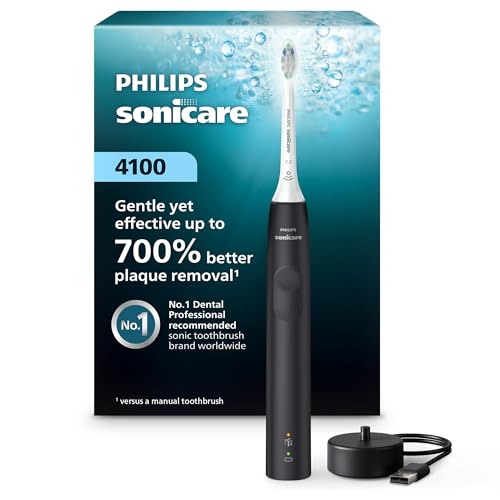 Philips Sonicare 4100 HX3681/24 Electri… Philips Sonicare 4100 HX3681/24 Electri… |
$39 | 8.9 | Buy → | |
| 3 | 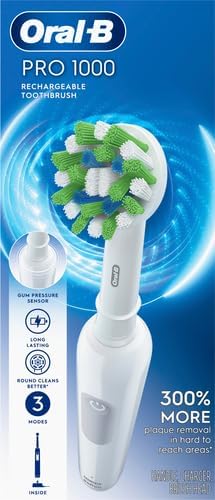 Oral-B Pro 1000 Electric Toothbrush Oral-B Pro 1000 Electric Toothbrush |
Most Dentist-Recommended | $49 | 8.5 | Buy → |
| 4 | 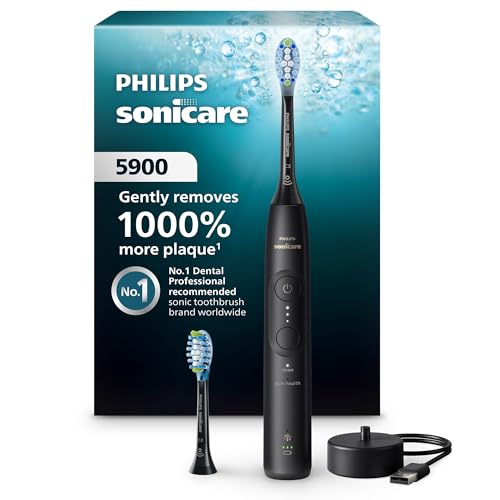 Philips Sonicare 5900 HX7131/02 Electri… Philips Sonicare 5900 HX7131/02 Electri… |
Best with App Coaching | $89 | 8.2 | Buy → |
Showing 4 of 4 products
Aquasonic Black Series ADA Electric Toothbrush 8 Heads Wireless Charging
“Aquasonic Black Series is the best electric toothbrush gift that looks premium without the premium price — 8 replacement heads make it feel like a complete long-term package.”
See Today’s Price →
Philips Sonicare 4100 HX3681/24 Electric Toothbrush Black
“Philips Sonicare 4100 delivers excellent cleaning performance at an accessible price — best electric toothbrush upgrade for first-timers.”
See Today’s Price →
Oral-B Pro 1000 Electric Toothbrush
“The Oral-B Pro 1000 is the most recommended entry-level electric toothbrush by dentists — removes 300% more plaque than manual, includes a pressure sensor, and works with the full Oral-B brush head ec”
See Today’s Price →What we like
- CrossAction brush head removes up to 300% more plaque than manual
- 2-minute quadrant timer with 30-second pacing intervals
- Pressure sensor stops pulsating if brushing too hard
- Compatible with all Oral-B replacement heads — widest selection
Watch out for
- Single brushing mode vs. 3+ modes on higher models
- Charging stand not travel-friendly
Philips Sonicare 5900 HX7131/02 Electric Toothbrush 21-Day Black
“Sonicare 5900 hits a sweet spot of features and price — 21-day battery life means less charging, and sonic vibration is gentler for sensitive gums.”
See Today’s Price →Frequently Asked Questions
What should I know about best electric toothbrush under $100 overall?
What should I know about best budget under $100?
What should I know about best budget alternative?
What should I know about best mid-range?
Which is better: Manual vs Electric: What the Research Actually Shows?
How We Analyze Products
We analyze Amazon review data — often thousands of reviews per product — to surface patterns that individual buyers miss. Our process aggregates star ratings, review counts, and buyer sentiment at scale, identifying which strengths and weaknesses appear consistently across the largest review samples available. The 115,918+ reviews analyzed on this page represent real verified-purchase feedback from Amazon buyers.
Each product earned its placement through data: total review volume, average rating, and the specific praise and complaints that repeat most often across buyers. No manufacturer paid for placement on this page. Products appear here because buyers endorsed them at scale, not because a company asked us to feature them.
We use AI to summarize review sentiment — not to fabricate opinions, but to condense what thousands of buyers actually wrote into a readable format. The pros and cons you see reflect the most common themes found in verified purchaser reviews, paraphrased for clarity. We do not claim to have accessed Reddit, YouTube, or specific publications in generating these summaries.
Prices shown reflect Amazon pricing at the time this page was last generated. Click “See Today’s Price” to get the current live price on Amazon. Read our full methodology →