Best Massage Balls for Muscle Relief (2026)

The TriggerPoint GRID Ball is our top pick for its multi-surface texture and perfect firmness. The Kieba Massage Lacrosse Balls are the best value for a classic trigger point tool.
See Today’s Price →At a Glance
| # | Product | Award | Price | Our Score | |
|---|---|---|---|---|---|
| 1 | 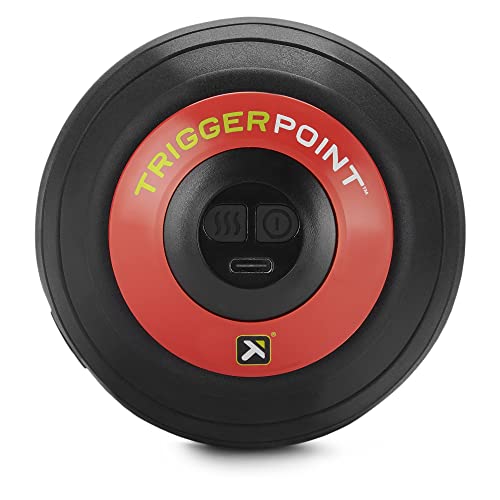 TriggerPoint MB Thermavibe Vibrating Ma… TriggerPoint MB Thermavibe Vibrating Ma… |
Best Overall | $73 | 9.2 | Buy → |
| 2 | 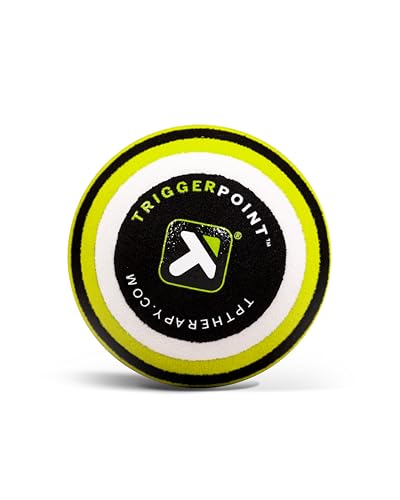 TriggerPoint MB1 Foam Massage Ball 2.5 … TriggerPoint MB1 Foam Massage Ball 2.5 … |
Best Budget | $18 | 8.9 | Buy → |
| 3 |  RAD Original Peanut Massage Ball Medium… RAD Original Peanut Massage Ball Medium… |
Budget Pick | $24 | 8.5 | Buy → |
| 4 |  RAD Stiff Peanut Massage Ball High Density RAD Stiff Peanut Massage Ball High Density |
Worth Considering | $24 | 8.2 | Buy → |
Showing 4 of 4 products
TriggerPoint MB Thermavibe Vibrating Massage Ball
“A vibrating massage ball that adds a therapeutic dimension to standard trigger point work. The pulsation helps loosen tissue faster than static pressure alone — useful post-workout.”
See Today’s Price →
TriggerPoint MB1 Foam Massage Ball 2.5 Inch
“A precisely sized trigger point ball for targeted muscle release on tight spots that foam rollers cannot isolate. Best used on glutes, feet, upper back, and shoulder blades.”
See Today’s Price →
RAD Original Peanut Massage Ball Medium Density
“The best starting peanut ball for spinal muscle release and thoracic mobility work. The dual contact points straddle the spine safely — firm enough to feel effective without being painful.”
See Today’s Price →
RAD Stiff Peanut Massage Ball High Density
“For experienced users who need serious pressure, the RAD Stiff Peanut delivers where medium-density options fall short. Best used after warming up the tissue — not for cold, tight muscles.”
See Today’s Price →Massage Balls for Muscle Relief (2026) Buying Guide
 Photo by www.kaboompics.com / Pexels
Massage Balls vs. Foam Rollers: When to Use Each
Foam rollers cover large muscle groups — quads, hamstrings, IT band, upper back. Massage balls target small, hard-to-reach areas that a foam roller cannot isolate: the sole of the foot (plantar fascia), between the shoulder blades, the piriformis (deep glute), pec minor, and suboccipital muscles at the base of the skull. If you have generalized muscle soreness after workouts, a foam roller addresses more area faster. If you have a specific knot, trigger point, or chronic tightness in a specific spot, a massage ball lets you apply sustained, targeted pressure that a roller cannot replicate. Most people benefit from having both.
Size and Firmness: Match to Your Target Area
Smaller balls (lacrosse ball size, 2.5") provide concentrated pressure for small muscles and specific trigger points — ideal for feet, hands, and pec minor. The TriggerPoint MB1 Foam Massage Ball at $18.95 is a 2.5-inch EVA foam option that provides slightly more give than a lacrosse ball — a good starting point for people new to trigger point work. Medium balls (3–4") work well for glutes, shoulders, and neck. Larger balls (5"+) are better for thoracic spine mobility, where you want to support the entire width of your back. Firmness matters: a tennis ball is too soft for most adults and compresses without providing enough pressure. A lacrosse ball is firm (good for most users). A steel or very hard rubber ball may be too intense for sensitive areas or beginners. Textured balls (spiky or ribbed) add sensory stimulation but are not more effective than smooth balls for trigger point release. The TriggerPoint MB Thermavibe Vibrating Massage Ball at $73.47 adds vibration therapy for increased blood flow — the step up for users who want more than static pressure. For double muscle groups like the IT band or thoracic spine, the RAD Peanut Massage Ball at $24.99 provides two contact points that work both sides of the spine simultaneously.
How to Use a Massage Ball Correctly
Effective massage ball use is not about rolling fast — it is about finding a tender spot and applying sustained pressure. Place the ball against the target area (using your body weight on the floor, or pressing against a wall for upper body), locate a tight spot, and hold steady pressure for 20–40 seconds until you feel the tension release. Then slowly move to the next spot. Rolling quickly over muscle tissue activates stretch reflexes and keeps muscles tense — the opposite of what you want. For plantar fasciitis specifically, rolling the arch while standing and shifting weight forward creates the right pressure without requiring floor work.
Peanut Balls and Dual-Ball Designs

A peanut ball (two balls fused together with a channel between them) allows you to work on both sides of the spine simultaneously while keeping pressure off the spinous processes (the bony bumps of the spine). This is safer and more effective for thoracic spine mobility than using a single ball against the spine. Peanut balls are wider and harder to use on small muscle groups, but for spinal mobilization they are significantly better than a standard ball. If upper back tightness is your primary complaint, a peanut ball is worth owning alongside a standard massage ball.
Maintenance and Durability
Solid rubber or EVA foam massage balls last for years under regular use. Hollow rubber balls can compress slightly under sustained body weight. Spiky massage balls with plastic spikes can lose spikes over time with heavy use — check reviews for spike durability before buying. Most massage balls can be wiped down with a damp cloth or mild disinfectant. For shared gym use, opt for non-porous rubber rather than foam. A good massage ball is a one-time $10–25 purchase that outlasts many more expensive recovery tools.
Related Guides
- Best First Aid Bandages 2026
- Best Electric Shavers for Women
- Best Water Flossers Under $30
- Best Vitamins for Men Under $25
- Best Power Systems Home Gym Equipment 2026
Frequently Asked Questions
Are massage balls as effective as a massage therapist?
How long should I use a massage ball on one spot?
Can I use a massage ball on my back?
What should I look for when buying massage balls?
How much should I expect to spend on massage balls?
How We Analyze Products
We analyze Amazon review data — often thousands of reviews per product — to surface patterns that individual buyers miss. Our process aggregates star ratings, review counts, and buyer sentiment at scale, identifying which strengths and weaknesses appear consistently across the largest review samples available. The 6,501+ reviews analyzed on this page represent real verified-purchase feedback from Amazon buyers.
Each product earned its placement through data: total review volume, average rating, and the specific praise and complaints that repeat most often across buyers. No manufacturer paid for placement on this page. Products appear here because buyers endorsed them at scale, not because a company asked us to feature them.
We use AI to summarize review sentiment — not to fabricate opinions, but to condense what thousands of buyers actually wrote into a readable format. The pros and cons you see reflect the most common themes found in verified purchaser reviews, paraphrased for clarity. We do not claim to have accessed Reddit, YouTube, or specific publications in generating these summaries.
Prices shown reflect Amazon pricing at the time this page was last generated. Click “See Today’s Price” to get the current live price on Amazon. Read our full methodology →