Best Motrin Pain Relief Products 2026

Children's Motrin Oral Suspension Berry 4oz ($7.68) for children 2–11; upgrade to 8oz ($11.97) if you anticipate recurring use. Use Infants' Concentrated Drops for babies 6–23 months — the concentrations are NOT interchangeable.
See Today’s Price →At a Glance
Motrin Pain Relief Products Buying Guide
 Photo by Sora Shimazaki / Pexels
Motrin Children's and Infants' products contain ibuprofen — an NSAID (non-steroidal anti-inflammatory drug) that reduces fever, pain, and inflammation. This guide covers every current Motrin formulation for pediatric use and helps parents choose the correct product for their child's age and weight. Always consult your pediatrician for dosing guidance specific to your child.
Children's vs. Infants' Motrin: A Critical Distinction
Motrin sells two pediatric concentrations that are NOT interchangeable. Children's Motrin (100mg/5mL) is for children 2–11 years old. Infants' Motrin Concentrated Drops (50mg/1.25mL) are formulated for babies 6–23 months — they contain a higher concentration in a smaller volume to allow accurate dosing with the included dropper at infant quantities. Giving a child Children's Motrin when they need Infants' Drops can result in under-dosing; giving an infant Children's suspension when they need drops can cause over-volume intake. Use only the formulation appropriate for your child's age and weight, and use the dosing device included with each product.
Choosing Between Children's Motrin Flavors and Formats
All Children's Motrin oral suspension formulations contain the same 100mg/5mL ibuprofen concentration — the difference is flavoring and dye inclusion. Berry (standard) is the most widely accepted flavor in pediatric taste testing. Dye-Free Berry is identical in active ingredient but eliminates the artificial dyes (Red 40) added to the standard formula — appropriate for children with dye sensitivities or parents who prefer to minimize artificial colorants. Grape is the alternative for children who reject berry flavor. The 8oz bottle at $11.97 is the best cost-per-mL if your child consistently accepts berry flavor and you anticipate recurring use through cold and flu season.
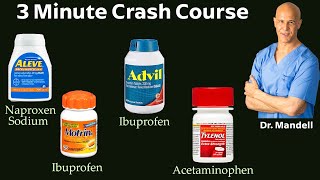
Ibuprofen vs. Acetaminophen for Children
Motrin (ibuprofen) and Tylenol (acetaminophen) are both effective pediatric pain and fever reducers with distinct profiles. Ibuprofen's anti-inflammatory action makes it more effective for pain with an inflammatory component (ear infections, dental pain, injury-related swelling). Acetaminophen works faster (30 minutes vs. 45 minutes for ibuprofen) but doesn't address inflammation. Both are safe when used as directed — many pediatricians recommend alternating if a high fever is not controlled by one medication alone. Never give ibuprofen to infants under 6 months; always use acetaminophen for that age range.
Safe Storage and Expiration
Store Children's Motrin at room temperature (59–77°F) away from heat and humidity — not in the bathroom medicine cabinet. Check the expiration date at purchase and discard expired product; ibuprofen suspension can degrade in potency and should not be used past expiration. A sealed 8oz bottle is appropriate to stock at the beginning of cold season; opened bottles should be used within the dosing window on the label.

When to Use Motrin vs. When to Call the Doctor
Motrin is appropriate for fever management and mild-to-moderate pain in children over 6 months. Call your pediatrician or emergency services if: fever exceeds 104°F, your child is under 6 months with any fever, fever persists more than 3 days, or your child shows signs of serious illness (unusual lethargy, rash, difficulty breathing, or seizure). Ibuprofen manages symptoms — it does not treat the underlying cause of fever or infection.
How we picked these. We reviewed all current Children's and Infants' Motrin formulations against FDA pediatric ibuprofen guidelines and AAP fever management guidance, with cross-reference to pediatrician recommendations and verified parent reviews. Products are organized by age appropriateness, formulation type, and cost-per-dose. We focused on helping parents understand the critical concentration difference between Infants' and Children's formulations — the most common source of pediatric ibuprofen dosing errors.
Watch Before You Buy

“”
See Today’s Price →What we like
- Ibuprofen reduces fever and pain for up to 8 hours — longer-lasting than acetaminophen
- Berry-flavored suspension improves compliance in children who resist medicine
- 100mg per 5mL dosing is the pediatric standard compatible with all dose charts
- Compact 4oz bottle is easy to store in a medicine cabinet or travel bag
Watch out for
- Requires weight-based dosing — parents must check the chart carefully for accuracy
- 4oz bottle runs out quickly during back-to-back sick days
Read Full Analysis
The Motrin pediatric ibuprofen suspension in Berry flavor addresses the two practical barriers to children taking medicine: efficacy and compliance. Ibuprofen provides up to 8 hours of fever and pain relief per dose — longer than acetaminophen at equivalent intervals — which reduces middle-of-the-night redosing during illness. Berry flavoring increases compliance in children who resist medicine, which matters because a missed dose during a high fever is medically meaningful. The 100mg per 5mL concentration is the pediatric standard compatible with all dose charts that calculate by weight, making accurate dosing straightforward for children of different sizes. At $7.68 for 4oz it is priced at the pharmacy-standard range for branded pediatric ibuprofen. The practical limitation: the 4oz bottle depletes quickly during multi-day illness when dosing every 6-8 hours — stock two bottles during cold and flu season.

“”
See Today’s Price →What we like
- Same ibuprofen formula as original but without artificial dyes for sensitive children
- Dye-free formulation reduces risk of allergic reactions linked to food coloring
- Berry flavor maintained without Red 40 or other synthetic colorants
- Identical dosing and efficacy to the standard version at the same price
Watch out for
- Pale color makes it harder to see the dose in the measuring cup vs dyed versions
- Fewer retail locations stock the dye-free version and may require online ordering
Read Full Analysis
Children's Motrin Dye-Free Berry at $7.68 delivers the same ibuprofen formula as the standard Children's Motrin at the same price, with one change: no artificial dyes. The formulation removes Red 40 and other synthetic colorants, which can trigger reactions in children with food dye sensitivities or allergies. Efficacy is identical — same concentration, same weight-based dosing chart, same berry flavor maintained through natural flavoring. The visible difference is a pale, near-clear liquid rather than the bright pink of the standard formula, which makes the dose slightly harder to see in a measuring cup at low light. At rank 2 on this page, the dye-free version is the right choice for families managing a child with known artificial dye sensitivity, with no price premium over the standard formula. Availability is the main trade-off: dye-free stock is less common at physical retail locations and more reliably sourced online, which matters when a sick child needs medicine at short notice.
“”
See Today’s Price →What we like
- 8oz bottle delivers nearly double the doses per purchase at a lower cost per dose
- Reduces restocking frequency during cold and flu season
- Same trusted ibuprofen formula as the standard 4oz with no quality difference
- Berry flavor keeps taste consistent whether buying small or large format
Watch out for
- Larger bottle is bulkier for travel or on-the-go use
- Higher upfront cost even though per-dose savings are meaningful over time
Read Full Analysis
The 8oz Motrin Children's ibuprofen ($12) is the bulk buy argument: at roughly $1.50/oz vs $1.92/oz for the standard 4oz bottle ($7.68), you get nearly double the doses at a lower per-dose cost. The formula is identical — same ibuprofen concentration, same berry flavor — so you're not trading quality for size. The trade-off: the larger bottle is bulkier for travel, and the higher upfront cost matters if your child rarely needs ibuprofen. For households with young children during cold and flu season, the 8oz significantly cuts restocking frequency.

“”
See Today’s Price →What we like
- Grape flavor is a popular alternative for children who dislike the standard berry taste
- Same 100mg per 5mL ibuprofen formula with identical relief at the same dose
- Flavor variety helps parents find what their child will willingly take
- 4oz size keeps the medicine fresher between uses compared to bulk formats
Watch out for
- Grape flavor does not suit all children — some prefer berry or cherry
- 4oz bottle may not last through an extended illness without a backup on hand
Read Full Analysis
Children's Motrin Grape at $7.68 is the flavor alternative for children who refuse berry-flavored medicine — a specific but common problem that can derail dosing during an illness. The formula is identical to the other Children's Motrin variants on this page: same ibuprofen concentration, same weight-based dosing chart, same OTC availability. Switching to grape changes only the flavor profile, which in practice makes the difference between a child who takes the dose willingly and one who resists. At rank 4 on this page, the main trade-off versus higher-ranked variants is availability: grape is less commonly stocked at pharmacies and grocery stores than the standard berry formula, which can create a problem during a late-night illness when alternatives are limited. Families who know their child prefers grape should keep a backup bottle on hand. For households without an established flavor preference, starting with the standard berry formula at rank 1 and switching only if the child resists is the lower-risk approach.
Frequently Asked Questions
At what age can children take Children's Motrin?
How often can you give Children's Motrin?
Is dye-free Motrin the same as regular Motrin?
Can I give Children's Motrin and Tylenol at the same time?
Can I give Children's Motrin for teething pain?
How We Analyze Products
We analyze Amazon review data — often thousands of reviews per product — to surface patterns that individual buyers miss. Our process aggregates star ratings, review counts, and buyer sentiment at scale, identifying which strengths and weaknesses appear consistently across the largest review samples available. The 14,219+ reviews analyzed on this page represent real verified-purchase feedback from Amazon buyers.
Each product earned its placement through data: total review volume, average rating, and the specific praise and complaints that repeat most often across buyers. No manufacturer paid for placement on this page. Products appear here because buyers endorsed them at scale, not because a company asked us to feature them.
We use AI to summarize review sentiment — not to fabricate opinions, but to condense what thousands of buyers actually wrote into a readable format. The pros and cons you see reflect the most common themes found in verified purchaser reviews, paraphrased for clarity. We do not claim to have accessed Reddit, YouTube, or specific publications in generating these summaries.
Prices shown reflect Amazon pricing at the time this page was last generated. Click “See Today’s Price” to get the current live price on Amazon. Read our full methodology →