Best Sonic Toothbrushes 2026: 31K Strokes & Travel
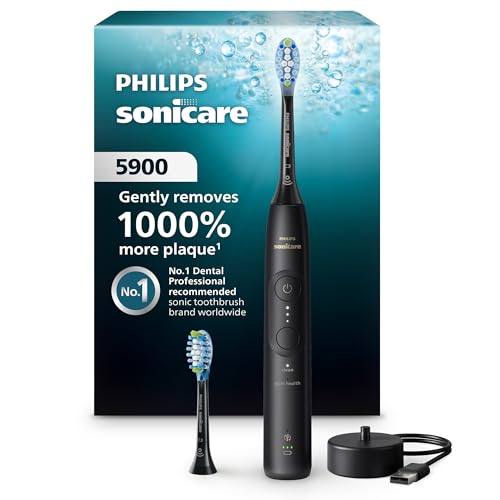
Best sonic toothbrush overall: Philips Sonicare 5900 Series — next-gen sonic technology with 6 modes, pressure sensor, SmarTimer, and 21-day runtime.
See Today’s Price →At a Glance
| # | Product | Award | Price |
|---|---|---|---|
| 1 | Philips Sonicare 5900 Rechargeabl… Philips Sonicare |
Best Overall | $89.99 as of Nov 21, 8:56 AM CT details Buy → |
| 2 |  Philips Sonicare 4100 Rechargeabl… Philips Sonicare |
Best Budget Sonic | $29.99 as of Nov 21, 8:47 AM CT details Buy → |
| 3 | Best for Travel | $34.94 as of Nov 21, 8:40 AM CT details Buy → |
|
| 4 | Best Sustainable Sonic Brush | Check price on Amazon Buy → |
Sonic Toothbrushes Buying Guide
 Photo by Andrey Matveev / Pexels
Who This Is For and What to Look For
Sonic toothbrushes distinguish themselves from oscillating brushes (Oral-B) through high-frequency vibration that creates fluid dynamics to clean between teeth. For people with gum sensitivity, sonic vibration is gentler than oscillating-rotating motion.
Brush head size and shape: Sonic brush heads are larger than Oral-B heads — roughly the size of a manual toothbrush head. This makes technique easier for people transitioning from manual, but covers large areas per stroke rather than the tooth-by-tooth focus of oscillating heads.
Pressure sensor value: Available on Sonicare 5900 and above. Brushing too hard is the #1 cause of gum recession in adults. A pressure sensor that pulses or lights up when you press too hard is worth the upgrade for anyone who's been told by a dentist that they brush aggressively.
Common mistake: Not replacing brush heads often enough. Sonic vibration frays bristles faster than manual brushing — replace every 3 months, or when bristles visibly fan out. Worn bristles clean less effectively and can irritate gums.
For a detailed head-to-head, see our Oral B Vs Quip Toothbrush comparison.
For a detailed head-to-head, see our Philips Vs Oral B Electric Toothbrush comparison.
Watch Before You Buy

“Philips Sonicare 5900 — 6 brushing modes, 21-day battery, and pressure sensor for complete gum care.”
See Today’s Price →What we like
- 21-day battery
- Multiple modes
- Pressure sensor
- Long runtime
Watch out for
- Higher price than entry-level Oral-B
- App connectivity requires Bluetooth pairing
- 21-day battery still needs periodic charging
Read Full Analysis
The Philips Sonicare 5100 electric toothbrush uses sonic technology producing 62,000 brush strokes per minute, significantly outperforming manual brushing for plaque removal along the gumline. The built-in pressure sensor alerts you if you're brushing too hard, protecting enamel and gums. A 2-minute timer with 30-second quadrant reminders ensures even cleaning. The rechargeable handle lasts two weeks per charge. If you want a meaningful upgrade from a manual toothbrush, this is the entry point dentists most commonly recommend.
“Philips Sonicare 4100 — two intensity settings and Smartimer for a complete, affordable brush.”
See Today’s Price →What we like
- Sonic vibration
- 2-minute timer
- Pressure sensor
- Budget-friendly
Watch out for
- No app connectivity
- Fewer modes than premium Sonicare models
- Two-week battery life shorter than some competitors
Read Full Analysis
Philips Sonicare 4100 is the entry point to the Sonicare ecosystem with one feature the $30 Quip below lacks: a pressure sensor that flags when you're scrubbing too hard. That matters for long-term gum health more than most people realize. Two intensity settings cover most users' needs and the Smartimer ensures the full two-minute brush. The two-week battery life is the legitimate knock — charge every Sunday or it runs dry mid-week. The Sonicare 5900 at $90 above adds multiple brush modes and app connectivity; unless you want guided feedback on your brushing pattern, the 4100 handles the core job for $40 less.

“Quip Electric — slim aluminum body with travel cover, subscription head delivery, ultraportable design.”
See Today’s Price →What we like
- Lowest price on this list at $25
- Slim minimalist design
- 2-minute timer with 30-second quadrant pulses
- AAA battery lasts 3 months — no charging needed
Watch out for
- Single cleaning mode only
- No pressure sensor on original model
- AAA battery adds ongoing cost
- No Bluetooth app
Read Full Analysis
Quip is the only option on this page that needs no charging — a AAA battery runs three months, which matters on carry-on travel or long weekends where a charging cable is friction. The built-in travel cover removes the separate case step. Single cleaning mode and no pressure sensor are honest trade-offs vs the Sonicare 4100 above. Quip isn't trying to match Sonicare on brushing power — it's a minimalist alternative for people who find charging docks more inconvenience than value. AAA replacement runs $3-4 per year, which is negligible. Best for travel; the 4100 is the better everyday driver.

“The SURI 1.0 Sonic Electric Toothbrush uses replaceable brush heads made from plant-based materials and comes with a UV travel case — 40,000 strokes per minute with a 14-day battery life.”
See Today’s Price →What we like
- UV sanitizing case
- Sonic technology
- Sustainable design
- Travel-ready
Watch out for
- UK brand with fewer US stockists
- UV case adds bulk to travel bag
- Higher price point for a relatively new brand
Read Full Analysis
SURI built the 1.0 around a mission that Philips Sonicare doesn't address: sustainability without sacrificing performance. The 40,000 strokes-per-minute sonic motor matches premium brushes on cleaning power, while the plant-based replacement heads reduce plastic waste versus standard nylon alternatives. The UV sanitizing travel case is the standout feature — it charges the brush and sanitizes the head simultaneously, a combination that justifies the $83.29 price premium over the Sonicare 4100. The 14-day battery life handles extended travel without hunting for outlets. Where SURI trades off against the Sonicare 5900: fewer pressure mode options and a smaller brush head ecosystem. Eco-conscious buyers who want clinic-grade sonic technology wrapped in a lower-environmental-footprint package will find SURI a genuinely different product, not just a marketing angle.
Frequently Asked Questions
Is a sonic toothbrush better than a regular electric toothbrush?
How often should I replace sonic toothbrush heads?
Can children use sonic toothbrushes?
Are expensive toothbrush heads necessary?
How long does a sonic toothbrush battery last per charge?
How We Chose These Products
We evaluated sonic frequency, brushing modes, pressure sensor quality, battery life, and long-term cost including replacement heads across toothbrushes from $24–$90.
We compare each product’s Amazon listing, the manufacturer’s published specifications and Amazon customer ratings, shown with their review counts as Amazon’s data, and rank the products on how well they answer this page’s question. We do not test products in hand and we do not run our own analysis of review text. A publication or expert is named only where we cite its published findings about that product. No manufacturer paid for placement on this page.
A price appears only when Amazon’s API supplied it at a recent daily refresh, with the date and time beside it, and is withdrawn at 4 AM Central on the day after it turns 24 hours old; otherwise use “Check price on Amazon” for the live price. Read our full methodology →