Best Sunscreen 2026: Mineral and Chemical Picks for Every Skin

EltaMD UV Clear Broad-Spectrum SPF 46 is our top pick for sunscreen, combining zinc oxide-based broad-spectrum protection with a lightweight, niacinamide-enriched formula that is gentle enough for sensitive and acne-prone skin. Dermatologists recommend EltaMD UV Clear more frequently than any other daily sunscreen, and its no-white-cast formula makes it practical for all skin tones.
See Today’s Price →At a Glance
| # | Product | Award | Price |
|---|---|---|---|
| 1 | Best Overall | $36.80 as of Nov 21, 8:27 AM CT details Buy → |
|
| 2 |  Neutrogena Ultra Sheer Dry-Touch … Neutrogena |
Check price on Amazon Buy → |
|
| 3 |  La Roche-Posay Anthelios Melt-In … La Roche-Posay |
Best for Face and Body | $20.99 as of Nov 21, 8:42 AM CT details Buy → |
Sunscreen Buying Guide
 Photo by Tara Winstead / Pexels
Great for: Every adult who goes outside — daily SPF is the single most evidence-backed anti-aging and skin cancer prevention habit
Not ideal if: You never go outdoors without full coverage clothing and spend no time near windows — the sun exposure is genuinely zero
- Vitamin Supplement Guide: What You Actually Need
- Sleep Products That Actually Work
Who This Is For
Everyone who spends time outdoors, but this guide is especially for people who've given up on sunscreen because of white cast, greasy feel, or pilling under makeup. Modern mineral and hybrid formulas have largely solved the aesthetic problems that made older sunscreens unwearable as daily-use products.
What to Look For
- Broad-spectrum (UVA + UVB) protection: SPF only measures UVB protection — the rays that cause sunburn. UVA rays cause aging and cancer without burning. "Broad-spectrum" on the label means tested against both. This is non-negotiable; check every sunscreen for this designation.
- SPF 30 vs. SPF 50: SPF 30 blocks 97% of UVB rays; SPF 50 blocks 98%. The practical difference is marginal — what matters far more is whether you apply enough and reapply every 2 hours. Most people apply 1/4 of the amount needed for labeled SPF, effectively getting SPF 8–10 from a SPF 50 product.
- Mineral vs. chemical filters: Zinc oxide and titanium dioxide (mineral) sit on skin and reflect UV — no white cast in modern micronized formulas, reef-safe, less likely to irritate sensitive skin. Chemical filters (avobenzone, oxybenzone) absorb UV and tend to feel lighter and less visible — better for sport or oily skin types. Some people are sensitive to chemical filters; mineral is the dermatologist recommendation for sensitive skin and rosacea.
- Dermatologist certification: The Skin Cancer Foundation Seal of Recommendation requires passing independent testing. Many budget drugstore sunscreens carry this seal — it's a meaningful quality indicator, not just a marketing claim.
Common Mistakes
Applying sunscreen only on sunny days. UVA rays penetrate clouds and glass — cumulative UVA exposure during car commutes accounts for significant facial aging over decades. Daily SPF on the face is one of the highest-ROI skin care habits regardless of weather. Also: sunscreen in moisturizer or foundation is applied too thinly to provide labeled protection; a separate sunscreen layer is always more effective.
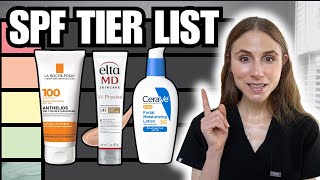
Watch: Top 5 Sunscreens of 2023 by Dr. DrayWatch Before You Buy

“Dermatologist-favorite SPF 46 with niacinamide. Ideal for acne-prone and sensitive skin.”
See Today’s Price →What we like
- Dermatologist #1 recommended sunscreen
- No white cast on all skin tones
- Niacinamide for added skin brightening
- Fragrance-free, suitable for acne-prone skin
Watch out for
- Higher price than drugstore options
- SPF 46 (not 50—some prefer higher)
Read Full Analysis
EltaMD UV Clear is routinely recommended by dermatologists for good reason — it combines broad-spectrum SPF 46 with calming niacinamide, making it one of the few sunscreens that simultaneously protects and improves skin. The formula is lightweight enough to wear under makeup and non-comedogenic, so it won't cause breakouts. It uses zinc oxide as its active ingredient, giving it mineral-based protection with a surprisingly sheer finish. It's a premium price, but the formula's effectiveness on reactive skin makes it worth every cent.
“The highest SPF daily sunscreen in a lightweight, non-greasy formula. Best for fair-skinned users who want maximum broad-spectrum protection without the heavy feel of traditional sunscreens.”
See Today’s Price →What we like
- SPF 100+
- Dry-touch finish
- Lightweight
- Water-resistant formula
Watch out for
- Chemical sunscreen formula — some prefer mineral
- White cast possible on deeper skin tones
- High SPF can give false confidence about reapplication
Read Full Analysis
Neutrogena Ultra Sheer Dry-Touch delivers SPF 100+ protection in a lightweight formula that absorbs without the thick residue associated with high-SPF mineral sunscreens. The dry-touch designation refers to film-forming agents that absorb excess oil post-application — relevant for everyday face and shoulder wear where a greasy finish discourages consistent reapplication, which is where most sun protection failures actually happen. This is the most affordable option on this page by a significant margin against the EltaMD UV Clear and La Roche-Posay Anthelios. The SPF 100+ number is accurate under test conditions, but dermatologists note consistently that high-SPF numbers do not extend the window between applications — reapplication every two hours remains necessary regardless of SPF rating. The formulation uses chemical sunscreen filters rather than mineral (zinc oxide, titanium dioxide). Shoppers who prefer mineral filters for skin sensitivity reasons or concerns about chemical absorption will find the EltaMD UV Clear or La Roche-Posay Anthelios more appropriate. White cast on deeper skin tones is a potential concern with some high-SPF chemical formulas. Best for fair-skinned users who want maximum SPF in a wearable daily formula at an accessible price. Skip it if mineral filters are a preference or if white cast is a concern for your skin tone.
“La Roche-Posay Anthelios SPF 100 uses a fluid melt-in milk texture that absorbs quickly for both face and body use — dermatologist-recommended with broad-spectrum UVA/UVB protection and no white cast.”
See Today’s Price →What we like
- SPF 100
- Melt-in texture
- Face and body use
- Dermatologist recommended
Watch out for
- Premium price
- Thicker texture than some competitors
- Fragrance-free appeal offset by slightly chalky finish
Frequently Asked Questions
What SPF should I use daily?
Whats the difference between chemical and mineral sunscreen?
Can I use body sunscreen on my face?
How often should I reapply sunscreen?
Do I need sunscreen on cloudy days?
How We Chose These Products
We compare each product’s Amazon listing, the manufacturer’s published specifications and Amazon customer ratings, shown with their review counts as Amazon’s data, and rank the products on how well they answer this page’s question. We do not test products in hand and we do not run our own analysis of review text. A publication or expert is named only where we cite its published findings about that product. No manufacturer paid for placement on this page.
A price appears only when Amazon’s API supplied it at a recent daily refresh, with the date and time beside it, and is withdrawn at 4 AM Central on the day after it turns 24 hours old; otherwise use “Check price on Amazon” for the live price. Read our full methodology →