Best Water Flosser 2026: The Easiest Way to Improve Gum Health

The Waterpik Aquarius WP-660 is the benchmark water flosser — clinically proven effective, accepted by the American Dental Association, and the go-to recommendation from dental hygienists. The Nicwell F5020 is the best budget countertop option; the Waterpik Cordless Advanced handles travel and small bathrooms.
See Today’s Price →At a Glance

Showing 3 of 3 products
Nicwell Water Flosser F5020
“Nicwell Water Flosser F5020 delivers the core water flossing benefit at $27, backed by 22,000+ reviews confirming real-world effectiveness. The USB-C charging, 4 modes including DIY pressure adjustmen”
See Today’s Price →What we like
- Under $30 — most accessible water flosser in this comparison
- 22,000+ reviews validate budget performance at scale
- USB-C charging is universal and convenient
- DIY mode allows manual pressure adjustment within a range
- 5 tips included for price tier
Watch out for
- Less clinical research backing than Waterpik brand
- 300ml reservoir may require refilling for complete mouth coverage

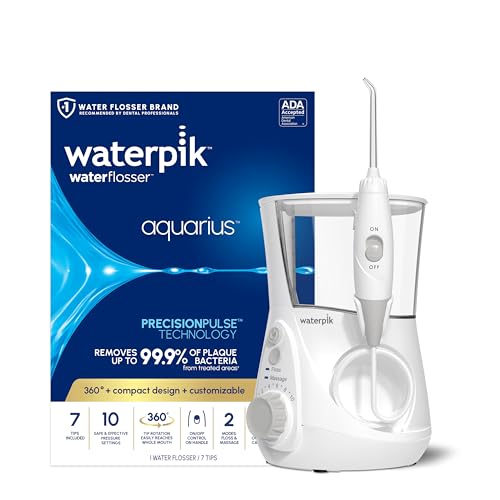
Waterpik Aquarius Water Flosser WP-660
“Waterpik Aquarius WP-660 is the gold standard water flosser — the most-studied in clinical research, the most-reviewed by users (68,000+), and the most-awarded in professional dental endorsements. 10 ”
See Today’s Price →What we like
- Most clinically studied water flosser — extensive dental research supporting effectiveness
- 10 pressure settings provide precise adjustment for any gum sensitivity level
- 22oz reservoir handles complete mouth coverage without refilling
- 7 specialized tips cover orthodontics, periodontal pockets, implants, and tongue cleaning
- ADA Seal of Acceptance — the only water flosser in this comparison with this certification
Watch out for
- Countertop model requires permanent counter space
- Corded design limits bathroom placement flexibility
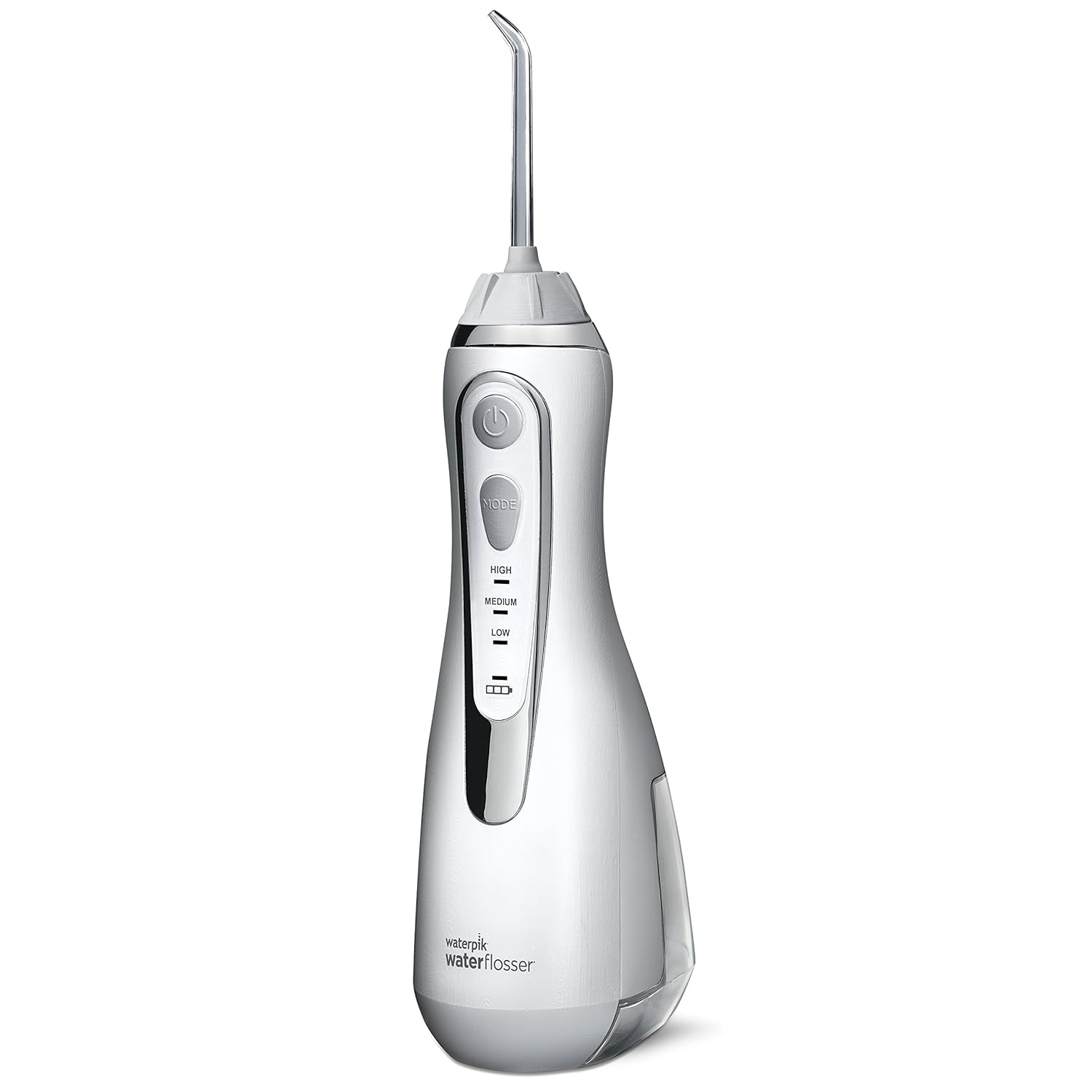
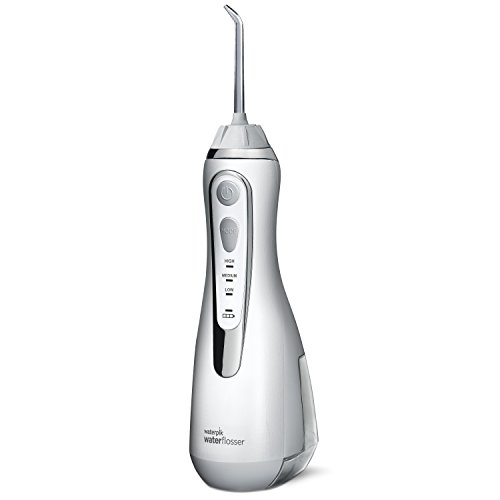
Waterpik Cordless Advanced WP-560
“Waterpik Cordless Advanced WP-560 brings the Waterpik clinical advantage to a portable, waterproof cordless form factor at $55. The shower-safe design enables flossing in the shower where many users f”
See Today’s Price →What we like
- 100% waterproof for shower use — the most convenient flossing location for many users
- Waterpik's proven clinical technology in portable cordless format
- Rapid charge technology — 60 seconds of charging provides usable power
- Removable dishwasher-safe reservoir for thorough cleaning
- 24,000+ reviews validate cordless Waterpik performance
Watch out for
- 7oz reservoir is smaller than corded WP-660 — may need one refill for thorough session
- 3 settings instead of 10 — less pressure granularity for finding optimal comfort zone
Read Full Analysis
The Waterpik Cordless Advanced WP-560 at $129.95 delivers Waterpik's clinically validated water flossing mechanism in a waterproof, rechargeable cordless form that works in the shower. For users who find countertop water flossers inconvenient or who travel frequently, the cordless format removes the two main compliance barriers — needing to be near an outlet and needing counter space. Three pressure settings and IPX7 waterproofing are the key specs. The reservoir capacity requires a refill mid-use for full-mouth coverage, which is the honest trade-off versus countertop models. On a water flosser page, the WP-560 is the pick for travelers and bathroom-space-constrained users. For stationary bathroom use, the Waterpik Aquarius at $79 provides larger reservoir capacity, more settings, and lower cost. The cordless premium buys mobility and shower compatibility, not superior performance.
Water Flosser Buying Guide
 Photo by Sora Shimazaki / Pexels
Great for: Anyone who skips flossing because string floss is annoying, people with braces, bridges, or implants, and gum disease patients
Not ideal if: You floss daily with string floss and your gums are healthy — a water flosser is an upgrade, not a replacement
Related Guides
Who This Is For and What to Look For
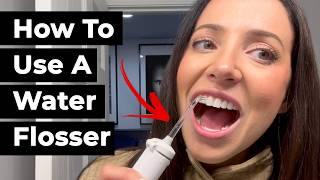
Water flossers are most beneficial for people with orthodontic appliances, bridges, implants, or gum disease where string floss is difficult or ineffective. For people with healthy gums and no orthodontic work, string floss is slightly more effective at removing interproximal plaque — but a water flosser used consistently beats string floss used inconsistently.
Corded vs. cordless: Corded models (Waterpik WP-660) provide the strongest, most consistent water pressure — better for deep pocket irrigation and cleaning around implants. Cordless models (Waterpik WF-03, Burst) are more convenient for travel and smaller bathrooms but have shorter run times and slightly lower pressure.
Pressure settings and tip variety: At least 3 pressure settings is the minimum useful range — low for sensitive gums, high for cleaning around hardware. Orthodontic tips (with a narrower stream) make a significant difference for cleaning around braces; standard tips are adequate for most other uses.
Common mistake: Expecting a water flosser to completely replace string floss. Water flossers reduce bleeding and gum inflammation effectively but leave more interproximal plaque than string floss at the contact points. The most effective approach for most people with healthy teeth is string floss + water flosser, not either alone.
Watch Before You Buy
Frequently Asked Questions
Is a water flosser as effective as string floss?
Can a water flosser replace string floss entirely?
What pressure setting should I start with on a Waterpik?
How long should I water floss each session?
Do I need a special tip for dental implants?
How We Analyze Products
We analyze Amazon review data — often thousands of reviews per product — to surface patterns that individual buyers miss. Our process aggregates star ratings, review counts, and buyer sentiment at scale, identifying which strengths and weaknesses appear consistently across the largest review samples available. The 206,589+ reviews analyzed on this page represent real verified-purchase feedback from Amazon buyers.
Each product earned its placement through data: total review volume, average rating, and the specific praise and complaints that repeat most often across buyers. No manufacturer paid for placement on this page. Products appear here because buyers endorsed them at scale, not because a company asked us to feature them.
We use AI to summarize review sentiment — not to fabricate opinions, but to condense what thousands of buyers actually wrote into a readable format. The pros and cons you see reflect the most common themes found in verified purchaser reviews, paraphrased for clarity. We do not claim to have accessed Reddit, YouTube, or specific publications in generating these summaries.
Prices shown reflect Amazon pricing at the time this page was last generated. Click “See Today’s Price” to get the current live price on Amazon. Read our full methodology →