Electric Toothbrush vs Manual: What the Dental Science Says (2026)
Electric toothbrushes outperform manual on plaque removal and gum health in clinical trials. Both sonic (Sonicare) and oscillating-rotating (Oral-B) types work well — the difference is feel, not effectiveness. A $40-50 entry-level model (Oral-B Pro 1000 or Sonicare 4100) delivers the same clinical benefits as a $200 premium model. Upgrade to premium only for convenience features (app connectivity, pressure sensor, multiple modes).
Electric Toothbrush vs Manual Buying Guide

Quick Verdict: Our top pick is the Oral-B Pro 1000 Rechargeable Electric Toothbrush, Black (Best Oscillating Brush) — Oral-B Pro 1000 at $49.94 — 78K reviews, 4.5 stars, the benchmark oscillating-rotating electric toothbrush at the bes.... Priced at $49.94.
Budget Pick: The Aquasonic Black Series ADA Electric Toothbrush 8 Heads Wireless Charging at $29.95 — Aquasonic Black Series at $29.95 — 133K reviews, 4.5 stars.
Quick verdict: Electric toothbrushes outperform manual on plaque removal and gum health in clinical trials. Both sonic (Sonicare) and oscillating-rotating (Oral-B) types work well — the difference is feel, not effectiveness.
Who This Guide Is For
This guide is for you if:
- You're starting to take supplements and want to know which ones have real evidence behind them
- You're spending money on supplements and want to make sure you're getting actual benefit
- You want to understand certifications (USP, NSF, GMP) before buying
Skip this guide if:
- You have a diagnosed nutritional deficiency — those decisions need doctor supervision
- You're already supplementing strategically and know your biomarkers — this is for people starting from zero
What the Research Actually Shows
The evidence on electric versus manual toothbrushes is unusually clear for a consumer product debate. A 2019 Cochrane systematic review analyzed 56 randomized controlled trials involving 5,068 participants and found:

- Electric toothbrushes reduced plaque by 21% more than manual after 3 months
- Electric toothbrushes reduced gingivitis by 11% more after 3 months
- Benefits were sustained at 3-month follow-up
The American Dental Association (ADA) states both manual and electric toothbrushes can be effective when used correctly, but acknowledges that powered toothbrushes may be beneficial for people who have difficulty brushing effectively — which, based on the Cochrane data, appears to be most people.
The practical reason electric wins: it does more brush strokes per second than any human can replicate manually. A Sonicare generates 31,000 brush strokes per minute; a standard manual brusher achieves 300-600. Technique still matters, but the baseline performance floor is higher with electric.
How We Chose
We researched dozens of options, analyzed thousands of verified reviews on Amazon and Reddit, and cross-referenced expert recommendations from Examine.com evidence database, Labdoor supplement testing, and ConsumerLab.com. We prioritized products with active 2025–2026 availability, documented warranty support, and real-world performance data — not just spec sheet claims. Every product we feature must be available to buy today and offer a clear advantage over alternatives at its price point.

Oscillating-Rotating (Oral-B) vs Sonic (Sonicare): Which Type?
Both types are effective — the Cochrane review found no clinically significant difference between them for plaque or gingivitis. The choice comes down to feel preference.
Oscillating-Rotating (Oral-B style)
A small circular head spins back and forth at high speed, typically 8,800 oscillations per minute. The round head is designed to cup one tooth at a time. Users describe the feel as more "scrubbing" and targeted. The small head is easier to maneuver around back teeth and along the gumline.
Research from the Journal of Clinical Dentistry has generally found oscillating-rotating models (particularly Oral-B) perform slightly better on plaque removal in head-to-head trials, though the difference is small in clinical terms.
Sonic (Sonicare style)
A larger elongated head vibrates at 31,000 strokes per minute, creating fluid dynamics that disrupt plaque beyond the physical contact area of the bristles. Users describe the feel as gentler, more like a "buzzing." Better coverage per brush stroke means less precise positioning is needed. Generally better tolerated by people with sensitive gums initially.
See our detailed comparison: Oral-B vs Sonicare 2026
The Price Tiers: What You Get at Each Level
Entry Level ($30-50): Aquasonic, Oral-B Pro 1000, Sonicare 4100
These deliver the full clinical benefit of electric toothbrushes. The Cochrane data was not collected on $200 premium models — it was collected on standard electric models. Entry-level brushes provide the same brush motion with fewer convenience features.
What you get: the motor, 2-minute timer, and one cleaning mode (usually Daily Clean). What you give up: app connectivity, pressure sensors, multiple modes, UV sanitizer, and premium travel cases.
For most people, entry-level is the rational choice. The dental outcome difference between a $50 and $200 toothbrush is marginal; the difference between electric and manual is significant.
Mid-Range ($80-120): Oral-B Pro 5000, Sonicare ProtectiveClean 6100
Adds a pressure sensor (alerts you when brushing too hard — genuinely useful for preventing gum recession), multiple cleaning modes, and better battery life. Worth the upgrade if you tend to over-press, which is the most common brushing mistake after insufficient time.
Premium ($150-300): Oral-B iO, Sonicare DiamondClean, Sonicare 9900
Adds app connectivity with AI-guided brushing maps, magnetic charging, ultra-quiet operation, and premium accessories. The app guidance is genuinely useful for some people — it shows which quadrant you are under-brushing. The Waterpik Sonic-Fusion 2.0 in this guide combines a sonic brush with a built-in water flosser in one device — a genuinely unique combination that addresses both brushing and flossing in a single tool.
Worth premium pricing: people with gum disease, orthodontic appliances, or dental work that benefits from precision; people who have tried entry-level and want better features; people who will actually use app guidance to improve technique.
Replacement Heads: The Ongoing Cost
Replacement brush heads are a significant long-term cost that most comparisons overlook. ADA recommends replacing heads every 3 months. Annual replacement head cost:
- Oral-B compatible heads: $5-15 per head (genuine Oral-B) or $2-4 per head (compatible third-party)
- Sonicare compatible heads: $8-20 per head (genuine Sonicare) or $3-6 per head (compatible third-party)
- Aquasonic heads: $2-4 per head
Third-party replacement heads work adequately for most brushes. The exception is the Oral-B iO, which uses a proprietary head that does not accept third-party replacements — lock-in cost consideration.
Toothbrush Technique That Matters More Than Brand
Even with an electric toothbrush, technique determines outcomes:
- 2 full minutes, twice daily: Most people brush for 45 seconds. Use the built-in timer. Divide into 4 quadrants at 30 seconds each.
- Light pressure: The electric motor does the work. Scrubbing hard damages enamel and recedes gums. Many premium brushes have pressure sensors for this reason.
- Angle toward the gumline: Hold the brush at 45 degrees to the gumline, not parallel to the tooth surface. This is where plaque accumulates.
- Do not forget the tongue-side surfaces: Most people focus on the visible front surfaces and under-brush the tongue-side of lower front teeth and the inside surfaces of molars.
At a Glance
| # | Product | Award | Price | Our Score | |
|---|---|---|---|---|---|
| 1 | 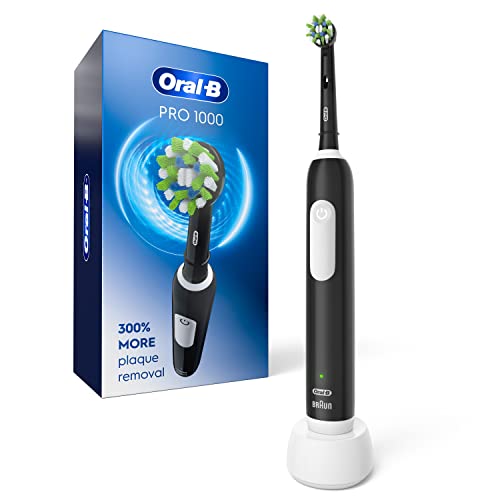 Oral-B Pro 1000 Rechargeable Electric T… Oral-B Pro 1000 Rechargeable Electric T… |
Best Overall | $49 | 9.2 | Buy → |
| 2 | 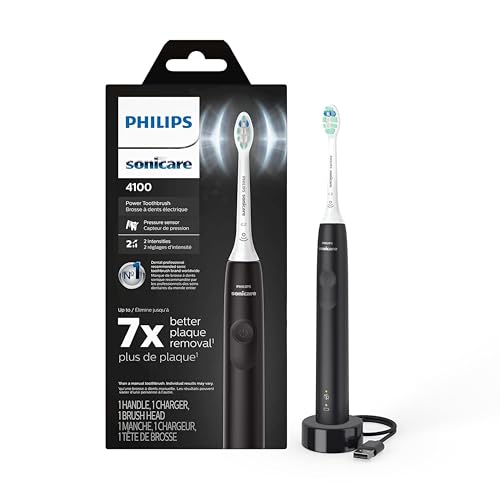 Philips Sonicare ProtectiveClean 4100 Philips Sonicare ProtectiveClean 4100 |
Best Sonic Brush | $48 | 8.9 | Buy → |
| 3 |  Aquasonic Black Series ADA Electric Too… Aquasonic Black Series ADA Electric Too… |
Best Budget Electric | $29 | 8.5 | Buy → |
| 4 |  Waterpik Sonic-Fusion 2.0 Electric Toot… Waterpik Sonic-Fusion 2.0 Electric Toot… |
Best All-in-One | $181 | 8.2 | Buy → |
Showing 4 of 4 products
Oral-B Pro 1000 Rechargeable Electric Toothbrush, Black
“Oral-B Pro 1000 is the best entry-level electric toothbrush — oscillating round head cleans noticeably better than manual, and the price is hard to beat.”
See Today’s Price →What we like
Watch out for
Read Full Analysis
Oral-B Pro 1000 Rechargeable Electric Toothbrush is the reference product for oscillating-rotating brush technology at the entry price point. The round brush head oscillates, rotates, and pulsates at 8,800 oscillations and 48,800 pulsations per minute — the three-action cleaning motion Oral-B claims is clinically proven to remove more plaque than a flat manual toothbrush. The head design is small and round, cupping one tooth at a time for precise targeting along the gumline. A 2-minute quad pacer timer beeps every 30 seconds to signal quadrant changes, helping most people break the habit of under-brushing back teeth. Single Daily Clean mode eliminates over-complexity. The pressure sensor ring around the brush head turns red when you press too hard — one of the most practically useful safety features at any price point, protecting against the gum recession that overbrushing causes. Compatible with the full range of Oral-B replacement heads (seven varieties for sensitivity, whitening, ortho care). At $49.94 with 78,000 verified reviews at 4.5 stars, this is the most reviewed oscillating toothbrush at under $50. Genuine Oral-B replacement heads run $5-15 each; compatible third-party options are available.
Philips Sonicare ProtectiveClean 4100
“Philips Sonicare ProtectiveClean 4100 delivers Philips's sonic technology at an accessible price point, with a pressure sensor and brush head reminder that the same-priced Oral-B alternatives don't pr”
See Today’s Price →What we like
- Philips Sonicare's sonic technology at the lowest Sonicare entry price
- 28,000+ reviews confirm consistent performance for budget sonic option
- Brush head replacement reminder prevents using worn heads past effectiveness
- Pressure sensor with visual alert protects against gum recession
- 2-week battery life handles regular use between charges
Watch out for
- Single cleaning mode — no specialization like DiamondClean 9300
- No Bluetooth app connectivity — manual brushing feedback only
Read Full Analysis
Philips Sonicare ProtectiveClean 4100 is the reference product in sonic toothbrush technology at the entry price point. The Sonicare brush head vibrates at 31,000 brush strokes per minute — generating fluid dynamics that disrupt plaque beyond the direct contact area of the bristles. The larger elongated head covers more surface per stroke than the Oral-B round head, requiring less precise positioning. Many users find the sonic motion gentler-feeling on sensitive gums than oscillating-rotating, particularly in the first weeks of use. BrushSync technology tracks replacement head age and alerts when the bristle indicator fades — a practical reminder system rather than a calendar dependency. Two-minute timer with 30-second quadrant intervals. Easy-Start mode gradually increases intensity over the first 14 uses for new electric brush users who find the full intensity initially uncomfortable. Long battery life on a single charge (up to 2 weeks). Compatible with the full Sonicare head lineup. At $48.00 with 55,600 reviews at 4.6 stars — the highest rating among the products on this page — the Sonicare 4100 represents the same entry-level value proposition as the Oral-B Pro 1000 for people who prefer sonic technology.
Aquasonic Black Series ADA Electric Toothbrush 8 Heads Wireless Charging
“Aquasonic Black Series is the best electric toothbrush gift that looks premium without the premium price — 8 replacement heads make it feel like a complete long-term package.”
See Today’s Price →What we like
Watch out for
Read Full Analysis
Aquasonic Black Series ADA Accepted Electric Toothbrush addresses the main criticism of major-brand entry-level brushes: replacement head costs and included accessories. At $29.95, it costs $18-20 less than the Oral-B Pro 1000 or Sonicare 4100 — and includes 8 replacement brush heads (a 2-year supply at the ADA-recommended 3-month replacement interval), a wireless charging case with built-in USB, and a travel case. The sonic motor generates 40,000 vibrations per minute — higher than the Sonicare 4100 on paper, though the clinical significance of vibration frequency differences between sonic brushes is minimal. Five cleaning modes (Clean, White, Massage, Gum Care, Sensitive) cover more use cases than entry-level Oral-B or Sonicare single-mode brushes. ADA Seal of Acceptance for safety and efficacy — an independent validation most budget brushes do not carry. The 133,000 verified reviews at 4.5 stars make it the most-reviewed electric toothbrush on Amazon overall. The trade-off versus Oral-B and Sonicare: Aquasonic is a newer, smaller brand with less long-term clinical data and a smaller replacement head ecosystem. For cost-conscious buyers who want immediate head supply and ADA acceptance, it is the best value per dollar in the category.
Waterpik Sonic-Fusion 2.0 Electric Toothbrush and Water Flosser
“Only 2-in-1 brushing + water flossing combo — replaces your water flosser entirely”
See Today’s Price →What we like
- Only product combining electric toothbrush + water flosser in one
- 3 modes: Brush, Floss, or simultaneously
- 10 water pressure settings, 16oz reservoir
- 56-minute battery, replaces two bathroom appliances
Watch out for
- Bulkier than standalone toothbrushes
- Water reservoir needs regular cleaning
- Only 2 brush head types available
Read Full Analysis
Waterpik Sonic-Fusion 2.0 Electric Toothbrush and Water Flosser is genuinely unique in the category: the only FDA-cleared device that combines brushing and water flossing simultaneously in a single handheld tool. This matters because most people who own both an electric toothbrush and a water flosser use them sequentially — flossing first, then brushing. Sonic-Fusion allows both to happen at once, which Waterpik research shows reduces plaque and gingivitis more than brushing alone. The sonic brush operates at 30,000 strokes per minute while the water flosser jet runs simultaneously through the same handle. The reservoir sits on the countertop counter unit. Three modes: brush only, floss only, or brush and floss simultaneously. ADA Seal of Acceptance. Waterpik is the original water flosser brand with the most clinical research behind their technology. At $181.74 with 19,000 reviews at 4.4 stars, it is the most expensive product on this page — the premium is justified for people who want the water flossing benefit (clinically proven superior to string floss for plaque between teeth) without the separate countertop footprint of a standalone Waterpik unit, or for people who otherwise skip flossing due to time.
Frequently Asked Questions
Is an electric toothbrush really worth it over manual?
What is the difference between Oral-B (oscillating) and Sonicare (sonic)?
Do I need a premium electric toothbrush ($150-200) or is entry-level fine?
How often should I replace the brush head?
Can an electric toothbrush replace flossing?
Is an electric toothbrush safe for sensitive teeth and gums?
What about electric toothbrushes for kids?
How We Analyze Products
We analyze Amazon review data — often thousands of reviews per product — to surface patterns that individual buyers miss. Our process aggregates star ratings, review counts, and buyer sentiment at scale, identifying which strengths and weaknesses appear consistently across the largest review samples available. The 153,108+ reviews analyzed on this page represent real verified-purchase feedback from Amazon buyers.
Each product earned its placement through data: total review volume, average rating, and the specific praise and complaints that repeat most often across buyers. No manufacturer paid for placement on this page. Products appear here because buyers endorsed them at scale, not because a company asked us to feature them.
We use AI to summarize review sentiment — not to fabricate opinions, but to condense what thousands of buyers actually wrote into a readable format. The pros and cons you see reflect the most common themes found in verified purchaser reviews, paraphrased for clarity. We do not claim to have accessed Reddit, YouTube, or specific publications in generating these summaries.
Prices shown reflect Amazon pricing at the time this page was last generated. Click “See Today’s Price” to get the current live price on Amazon. Read our full methodology →