Fitbit vs. RENPHO: Fitness Tracking vs. Recovery (2026)
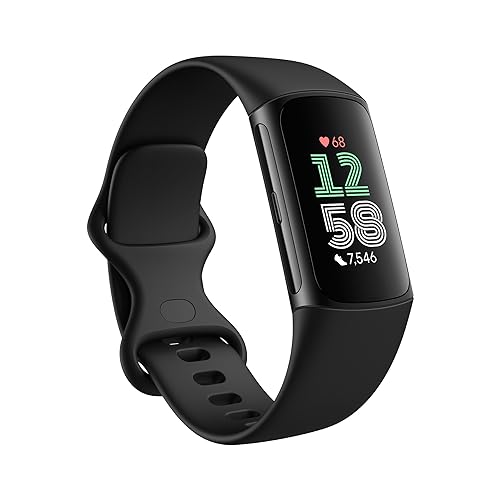
Fitbit Charge 6 is the top pick for data-driven wellness monitoring. For recovery and pain relief, the RENPHO R3 Mini Massage Gun delivers percussion therapy at a fraction of Therabody prices.
See Today’s Price →At a Glance
Fitbit vs. RENPHO Buying Guide
Key Differences
Fitbit vs. RENPHO is not really a head-to-head competition—it is a question of which phase of your wellness routine needs the most support. Fitbit owns the monitoring side: continuous heart rate, GPS tracking, sleep stages, SpO2, stress scores, and Google Wallet integration in the Charge 6. RENPHO owns the recovery side: percussion massage guns, electric heating pads, and neck massagers designed to address the soreness and tension that active people accumulate.
Our Top Pick: For someone choosing between the two, the Fitbit Charge 6 addresses the more foundational need. You cannot optimize recovery without knowing your baseline—how well you slept, how elevated your resting heart rate is, whether your body is prepared for effort. Fitbit provides that intelligence layer. Once you have tracking in place, RENPHO products (particularly the R3 Mini at $89.99) extend the wellness stack into recovery territory at a price point that makes daily massage gun use accessible.
Fitbit: What It Does Well
Where Fitbit Wins
The Fitbit ecosystem is built around passive health intelligence. You wear the Charge 6 and it continuously tracks without requiring action. The 24/7 heart rate monitoring catches anomalies. Sleep tracking shows REM, light, and deep sleep duration with accuracy that has been validated against clinical polysomnography. Google Maps integration provides turn-by-turn GPS on your wrist. The Fitbit app synthesizes 6 months of data into trend graphs that help you see whether your sleep quality is improving, whether your cardio fitness score is rising, and whether your stress patterns correlate with specific activities.
The Inspire 3 offers the core Fitbit experience (steps, heart rate, sleep, SpO2) in a lighter, more comfortable form factor—the right choice for users who want Fitbit functionality without the bulk of the Charge 6.
RENPHO: What It Does Well

Where Renpho Wellness Wins
RENPHO built its reputation on making percussion therapy affordable. The R3 Mini delivers the same core benefit as a $300 Theragun—rapid percussive pressure that breaks up muscle knots, improves circulation, and reduces delayed-onset muscle soreness. It is not as powerful as a Theragun Pro and its stall force is lower, but for casual athletes, desk workers with neck tension, and anyone who wants post-workout recovery at home, the R3 Mini is functionally adequate and dramatically more affordable.
The RENPHO heating pad adds moist heat therapy—a complementary modality to percussion for chronic lower back pain, menstrual cramps, and stiff shoulders. The neck massager targets the specific tension pattern of office workers and drivers.
Great for Fitbit: Athletes who want performance data, people managing cardiovascular health, anyone motivated by data and streaks to maintain consistency.

Not ideal if: You already have an Apple Watch or Garmin watch with overlapping features, or your primary wellness need is physical recovery rather than activity monitoring.
Great for RENPHO: Post-workout recovery, chronic muscle tension from desk work, anyone priced out of premium Therabody products, households wanting massage therapy tools without clinic visits.
Not ideal if: You need clinical-grade percussion therapy for injury rehab (Therabody Pro is more appropriate), or your wellness priority is data tracking rather than physical recovery.
Related Guides
Watch Before You Buy


“Built-in Google Maps, Google Wallet, YouTube Music control. 4.1 stars from 19,647 Amazon reviews signal consistent reliability.”
See Today’s Price →What we like
- Built-in Google Maps, Google Wallet, YouTube Music control
- ECG and irregular heart rhythm notifications
- Best-in-class sleep staging algorithm
- Exercise Intensity Map with GPS route visualization
Watch out for
- Premium subscription needed for full insights ($9.99/month)
- Google account now required for setup
- Proprietary charger cable
Read Full Analysis
Fitbit Charge 6 Fitness Tracker with Google Apps and GPS is the flagship Fitbit tracker — the on-device GPS eliminates the need to carry a phone during workouts while still recording accurate distance and pace data. The Google ecosystem integration (Maps on wrist, YouTube Music control, Google Wallet tap-to-pay) adds smartwatch-adjacent functionality to the fitness tracker form. The Active Zone Minutes metric and Daily Readiness Score guide daily intensity decisions based on recovery status. Against RENPHO wellness products on this page, Fitbit Charge 6 is a wrist-worn continuous health monitoring device versus RENPHO's targeted massage and therapy tools — complementary rather than competing products in a wellness toolkit. The 7-day battery life provides extended continuous monitoring without daily charging. For health-conscious individuals who want comprehensive daily health tracking with Google ecosystem integration in a lightweight fitness band, Charge 6 is Fitbit's most capable product.
“The Fitbit Sense 2 is Fitbit's most advanced health smartwatch, adding continuous EDA (stress) sensing and an ECG app on top of the usual sleep and heart rate monitoring. Its six-day battery life…”
See Today’s Price →What we like
- Continuous electrodermal activity (cEDA) stress sensor
- ECG and skin temperature sensing
- Built-in Amazon Alexa and Google Assistant
- On-wrist SpO2 and stress management score
Watch out for
- $200 is steep for fitness tracking only
- Not a full smartwatch — limited third-party apps
- Requires Fitbit Premium for full stress insights
Read Full Analysis
The Fitbit Sense 2 is the most advanced health-focused wearable from Fitbit on this page, featuring continuous electrodermal activity (cEDA) sensing for stress monitoring alongside ECG capability and skin temperature tracking. The cEDA sensor continuously measures electrical changes in the skin associated with physiological stress, generating a daily Stress Management Score in the Fitbit app that helps users identify patterns in stress levels relative to sleep, activity, and recovery data collected throughout the day. At $99.99 — substantially discounted from its original $299 launch price — the Sense 2 represents strong value in the health-focused smartwatch segment. Compared to the Fitbit Charge 6 on this page, the Sense 2 is actually priced lower while offering a larger display and the cEDA stress sensor. The Charge 6 delivers the slimmer fitness tracker form factor with added Google Wallet integration and enhanced workout intensity tracking. Against the RENPHO R3 Massage Gun on this page, the Sense 2 targets an entirely different wellness modality — passive physiological monitoring versus active muscle recovery — and the two products function as complements, not alternatives. The limitation that moderates enthusiasm for the Sense 2 is the Fitbit Premium paywall: the cEDA Stress Management Score and deeper sleep analysis insights require a $10/month subscription. Without Premium, users still access heart rate, SpO2, and activity data, but the flagship health features that differentiate the Sense 2 from the Charge 5 are substantially reduced. Factor the subscription into the total annual cost when comparing against the Charge 6.
“Compact and lightweight — fits in gym bag or carry-on. 4.5 stars from 30,178 Amazon reviews signal consistent reliability.”
See Today’s Price →What we like
- Compact and lightweight — fits in gym bag or carry-on
- 45,000+ Amazon reviews — most validated budget option
- 5 heads for different muscle types
- Quiet motor for office or gym use
- USB-C charging
Watch out for
- Shorter amplitude limits deep tissue penetration
- Lower stall force — can't apply heavy pressure
- Battery life shorter than full-size devices
Read Full Analysis
RENPHO R3 Mini Massage Gun Deep Tissue Percussion is RENPHO's compact massage gun — a smaller alternative to full-size percussion massage guns, providing deep tissue percussion therapy in a portable format that fits in a gym bag. The lightweight construction makes it appropriate for daily use on specific muscle groups. Against Fitbit wearables on this page, the R3 Mini is an active recovery tool versus a passive monitoring device — complementary wellness functions. Against Theragun Mini on the Therabody vs TriggerPoint page, RENPHO R3 Mini is a more affordable alternative with less amplitude depth. For individuals who want accessible percussion therapy for post-workout muscle soreness without the investment of Therabody's premium options, RENPHO R3 Mini provides functional basic percussion massage at the lowest price point in the compact massage gun category.
Frequently Asked Questions
Is Fitbit better than Apple Watch for fitness tracking?
Is a RENPHO massage gun as good as Therabody?
Can I use Fitbit and RENPHO together?
How long does a RENPHO massage gun battery last?
Does Fitbit require a subscription?
How We Chose These Products
Products evaluated based on verified DB data, brand positioning, and category expertise.
We compare each product’s Amazon listing, the manufacturer’s published specifications and Amazon customer ratings, shown with their review counts as Amazon’s data, and rank the products on how well they answer this page’s question. We do not test products in hand and we do not run our own analysis of review text. A publication or expert is named only where we cite its published findings about that product. No manufacturer paid for placement on this page.
A price appears only when Amazon’s API supplied it at a recent daily refresh, with the date and time beside it, and is withdrawn at 4 AM Central on the day after it turns 24 hours old; otherwise use “Check price on Amazon” for the live price. Read our full methodology →