How to Choose a Humidifier: 2026 Buyer's Guide
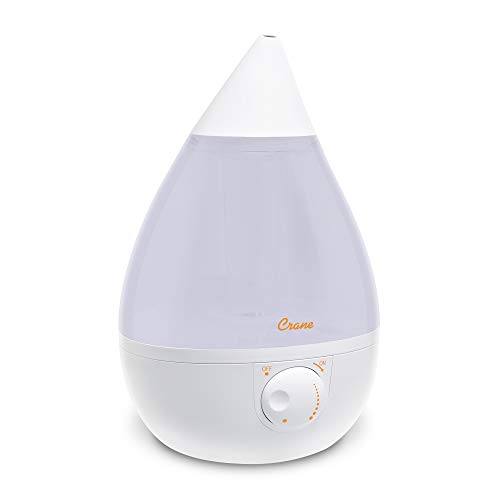
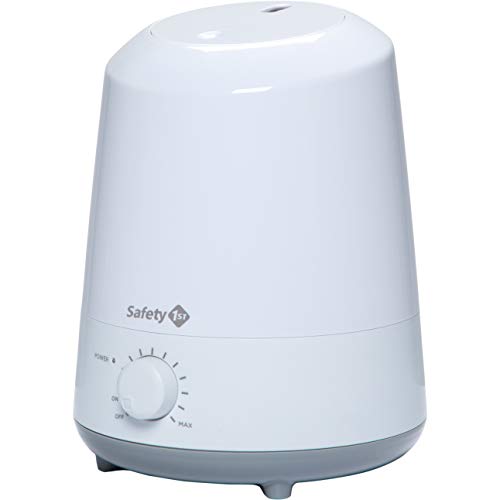
The Pure Enrichment MistAire ($29.99) covers bedrooms up to 250 sq ft — the best small-room ultrasonic cool mist option. The LEVOIT Classic 300S ($79.99) handles up to 505 sq ft with smart controls and auto-humidity sensing. For nurseries: Crane Drop ($39.98) or Safety 1st 360 ($60.48) — both safe for infants with no heating element.
At a Glance
How to Choose a Humidifier: Buying Guide
 Photo by cottonbro studio / Pexels
Humidifiers add moisture to dry indoor air — relevant because indoor humidity typically drops to 20-30% during winter heating season, below the 30-50% range the EPA identifies as optimal for health and comfort. At low humidity, nasal and throat mucous membranes dry out (increasing infection susceptibility), skin becomes dry and irritated, wood furniture and flooring crack, and static electricity increases. The wrong humidifier — wrong type, wrong size, or poorly maintained — can make conditions worse: over-humidification promotes mold and dust mite growth, and ultrasonic humidifiers spraying tap water produce mineral dust that irritates lungs. Choosing correctly means matching output capacity to room size, selecting the right humidity mechanism, and establishing a realistic cleaning routine.
Cool Mist vs Warm Mist: The Primary Decision
Cool mist humidifiers disperse room-temperature water vapor via ultrasonic vibration or evaporation. They're safe for nurseries and children's rooms because there's no heating element — no burn risk if a child contacts the unit. Ultrasonic cool mist models (Pure Enrichment MistAire at $29.99, Crane Drop at $39.98) work by vibrating water at ultrasonic frequencies to create a fine mist. Evaporative cool mist models use a fan to pass air through a wet wick, which naturally self-regulates humidity — they stop adding moisture when the air reaches saturation. Warm mist humidifiers boil water to create steam — the heating process kills bacteria and mold in the water before it's released, which is an advantage over ultrasonic models that release contaminants without sterilization. However, warm mist is unsafe near children (burn risk), uses more electricity, and the heating element requires descaling maintenance. For homes with children or pets, cool mist is the safer choice. For adults who want naturally sterile output without using distilled water, warm mist is a reasonable preference.
Ultrasonic vs Evaporative: The Key Trade-off
Ultrasonic humidifiers (most consumer models including the Pure Enrichment MistAire, Crane Drop, and LEVOIT Classic 300S) are quiet and efficient — ideal for bedrooms and nurseries. The critical limitation: they aerosolize everything dissolved in the water, including minerals from tap water (white dust) and any bacteria or mold growing in the tank. Using tap water produces white mineral dust that settles on surfaces; using distilled or demineralized water eliminates this. Cleaning the tank every 2-3 days prevents bacterial growth. Evaporative humidifiers (those using wicks or filters) have natural self-regulation — they physically cannot over-humidify a room because evaporation slows as humidity rises. The wick filter needs replacement every 1-3 months depending on water hardness. Frida Baby's 3-in-1 ($59.97) uses an evaporative mechanism that's particularly well-suited for nurseries. For most users, ultrasonic with distilled water and regular cleaning is the practical choice.
Matching Output to Room Size
Room coverage is the most critical spec. Humidifiers are typically rated for square footage at a specific ceiling height (usually 8 feet). Undersizing a humidifier for a room means it runs constantly without raising humidity to target levels; oversizing risks over-humidification and condensation on windows and walls. The Pure Enrichment MistAire ($29.99) is rated for 250 sq ft — appropriate for a standard bedroom. The Crane Drop ($39.98) covers 500 sq ft. The LEVOIT Classic 300S ($79.99) covers 505 sq ft with 6L tank capacity allowing longer continuous runtime. For living rooms or open floor plans, multiply square footage by ceiling height to get cubic footage and compare to the humidifier's cubic footage rating. In dry climates or very low starting humidity, a humidifier at the top of its coverage range will run nearly continuously — factor this into tank capacity decisions. A 1-liter tank at full output runs 4-8 hours; a 6-liter tank runs 24-48 hours.
The Cleaning Requirement Everyone Underestimates
Humidifiers that aren't cleaned regularly become bacteria and mold reservoirs — dispersing contaminated mist into the air rather than beneficial humidity. The CDC recommends cleaning humidifiers every three days to prevent bacterial and mold growth. Ultrasonic models: empty the tank daily, refill with fresh water, and wipe the basin and mist outlet. Full cleaning with white vinegar solution (1 cup vinegar in the water basin for 20-30 minutes) kills mineral buildup and biological growth every week. Replace any filters or wicks per manufacturer guidance (typically 1-3 months). Units with small tank openings that prevent hand access for cleaning are the most problematic — the Safety 1st Stay Clean 360 ($60.48) specifically addresses this with a wider opening and antimicrobial components. At any sign of visible mold or persistent smell, discard the unit rather than attempting to sterilize it — once mold establishes in crevices, cleaning is unreliable.
Optional Features Worth Considering
Built-in hygrometer (humidity sensor): prevents over-humidification by automatically pausing when target humidity is reached. The LEVOIT Classic 300S ($79.99) includes this and auto-adjusts output. Without a humidity sensor, you need a separate hygrometer ($10-$15) to monitor room humidity and avoid exceeding 50-60% (above which mold risk increases significantly). Auto-shutoff on empty: prevents the motor running dry — standard on most consumer models above $20. Whisper-quiet operation: critical for bedroom use; ultrasonic models below 30 dB are appropriate for sleep. Essential oil compatibility: some models include a diffuser tray for adding essential oils; only use designated diffuser trays — adding oils directly to the water tank degrades the ultrasonic diaphragm. Smart app control: LEVOIT supports voice assistant integration and scheduling — useful for automation but not essential.

How We Evaluated These Humidifiers
Humidifiers were evaluated for room coverage accuracy (verified against independent consumer testing), tank capacity relative to stated coverage area, noise levels (measured dB or verified by user reviews for bedroom suitability), cleaning accessibility, and special features relevant to specific use cases (nursery safety, smart controls, auto-humidity sensing). Bacterial and mold risk was assessed against CDC humidifier hygiene guidelines. Coverage claims were cross-referenced with third-party testing where available. Products with documented mold growth complaints in verified user reviews that significantly exceeded cleaning-related expectations were excluded.
Our Picks
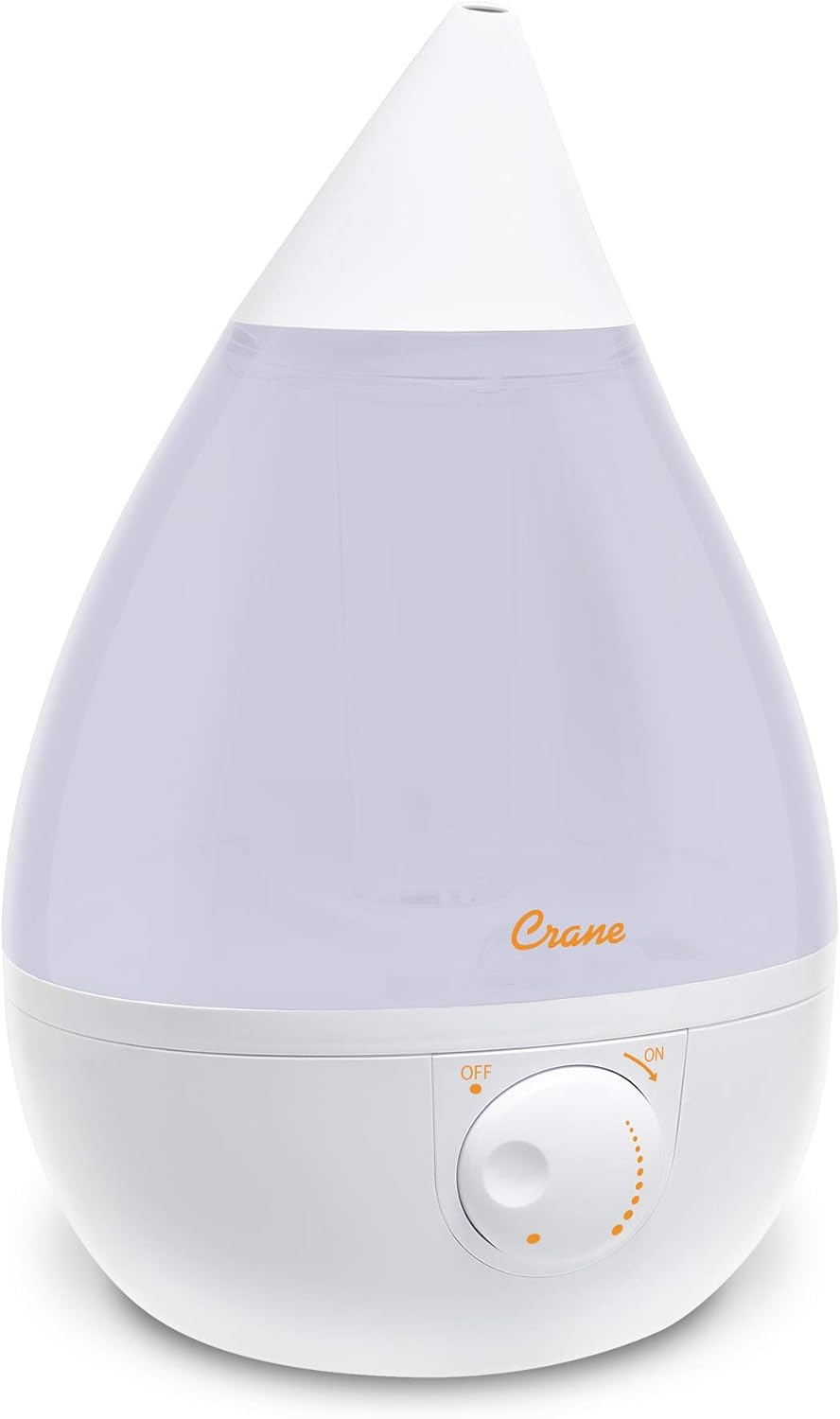
Crane Drop Ultrasonic Cool Mist Humidifier 1 Gallon (Best Nursery) — $39 See Price →
Safety 1st Stay Clean Ultrasonic 360 Humidifier (Best Easy-Clean Nursery) — $60 See Price →
Showing 2 of 2 products
Crane Drop Ultrasonic Cool Mist Humidifier 1 Gallon
“Crane Drop humidifier is the best affordable ultrasonic humidifier for baby rooms — simple to use, easy to clean, and effective at maintaining comfort during dry winters.”
See Today’s Price →What we like
- 1-gallon tank runs up to 24 hours
- Ultra-quiet for sleeping babies
- 360-degree mist nozzle
- Budget price under $40
Watch out for
- 1-gallon tank requires daily refilling in dry climates
- No humidistat — no auto-off at target humidity
- Basic design lacks premium feel
Safety 1st Stay Clean Ultrasonic 360 Humidifier
“Safety 1st 360 humidifier's Stay Clean coating is a genuine maintenance advantage — less mineral buildup means less frequent deep cleaning, which matters when you're already tired.”
See Today’s Price →What we like
- 360-degree nozzle directs mist away from walls
- Easy-clean design reduces mold buildup
- Auto shut-off
- Budget price under $61
Watch out for
- 360 mist may dampen nearby surfaces if aimed incorrectly
- Higher price than Crane Drop
- Stay-Clean coating needs verification over time
How We Analyze Products
We analyze Amazon review data — often thousands of reviews per product — to surface patterns that individual buyers miss. Our process aggregates star ratings, review counts, and buyer sentiment at scale, identifying which strengths and weaknesses appear consistently across the largest review samples available.
Each product earned its placement through data: total review volume, average rating, and the specific praise and complaints that repeat most often across buyers. No manufacturer paid for placement on this page. Products appear here because buyers endorsed them at scale, not because a company asked us to feature them.
We use AI to summarize review sentiment — not to fabricate opinions, but to condense what thousands of buyers actually wrote into a readable format. The pros and cons you see reflect the most common themes found in verified purchaser reviews, paraphrased for clarity. We do not claim to have accessed Reddit, YouTube, or specific publications in generating these summaries.
Prices shown reflect Amazon pricing at the time this page was last generated. Click “See Today’s Price” to get the current live price on Amazon. Read our full methodology →